
Upper Case Alphabet Tracing Worksheets are an essential tool for helping young learners develop their handwriting skills. These worksheets typically feature clear, large letters that children can trace, making them ideal for preschool and early elementary students. By providing a structured approach to writing, these worksheets not only improve letter formation but also build confidence in young writers.
The Structure of Upper Case Alphabet Tracing Worksheets
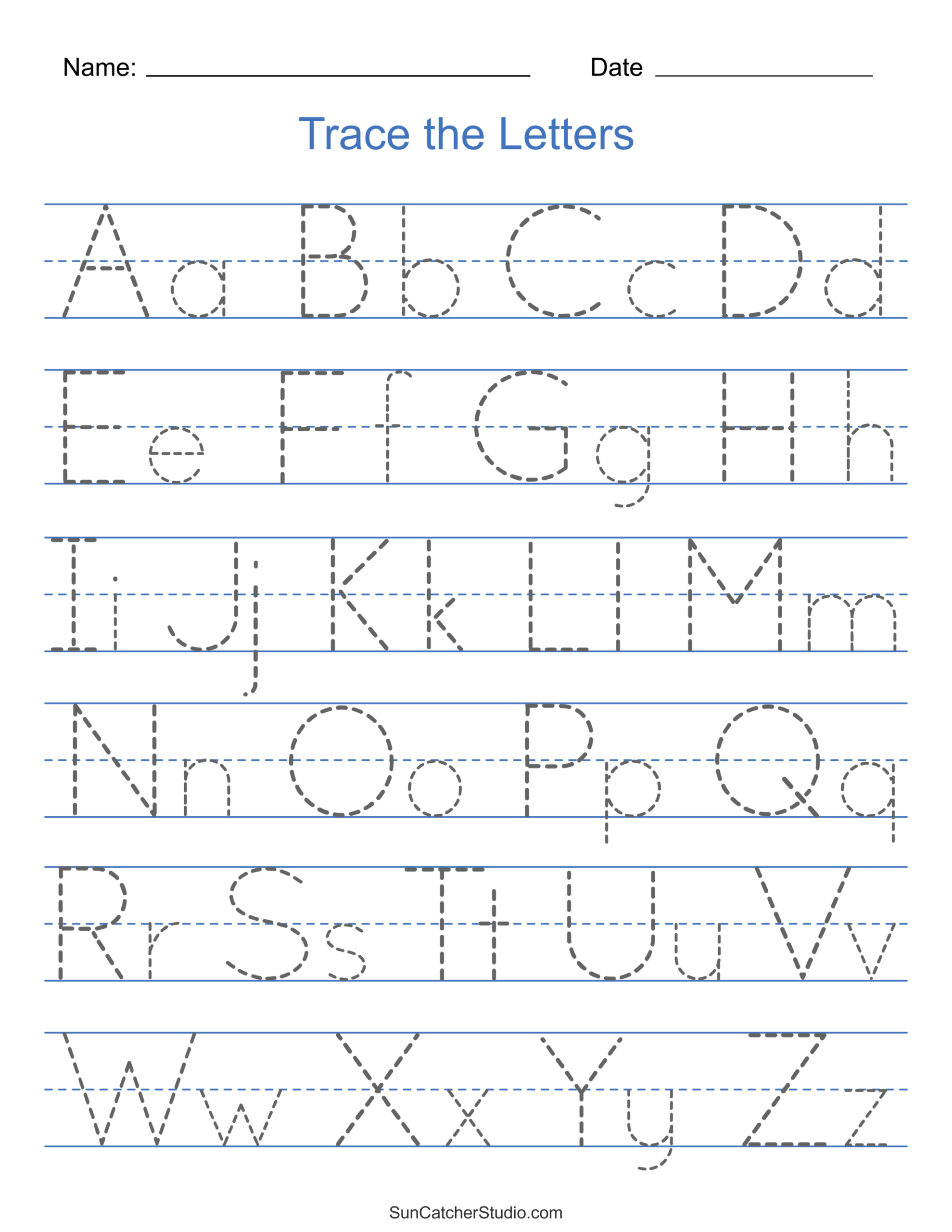
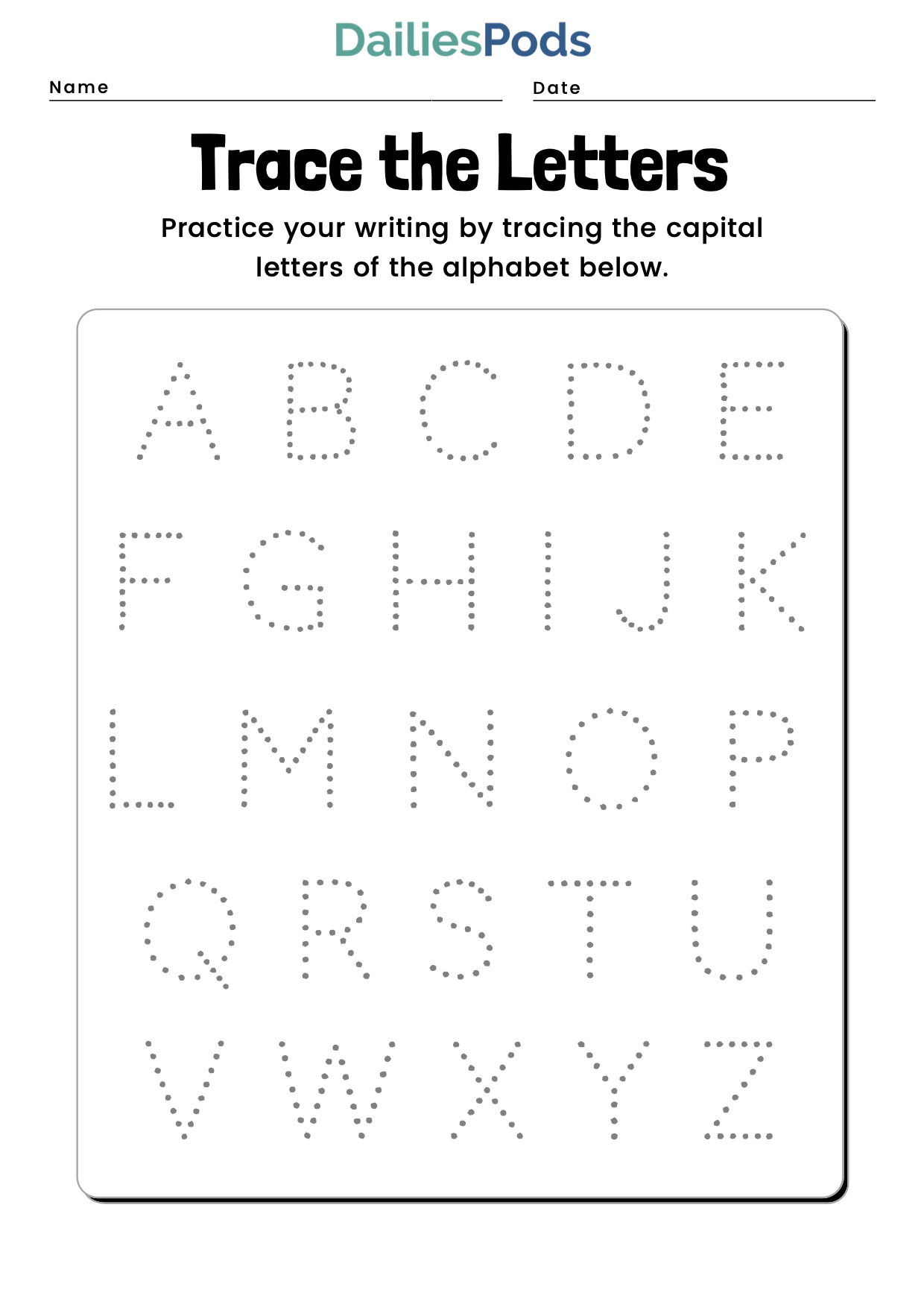
When you look at Upper Case Alphabet Tracing Worksheets, you’ll notice a few key features designed to facilitate independent practice. Each worksheet usually includes a row of dotted letters, which children can trace over with a pencil or crayon. This dotted format provides a visual guide, enabling students to understand the correct stroke order and letter proportions.
Additionally, many worksheets include blank lines next to the dotted letters for students to practice writing the letters independently after tracing. This two-step approach—tracing followed by independent writing—helps reinforce muscle memory, making it an effective way to learn.
Age Appropriateness and Skill Levels
Upper Case Alphabet Tracing Worksheets are generally suitable for children aged 4 to 7, aligning with the typical kindergarten and first-grade curriculum. At this stage, students are often learning to recognize letters, understand their sounds, and begin writing them. These worksheets serve as a practical resource for both teachers and parents looking to support their child’s literacy development.
For preschoolers, these worksheets can be introduced as part of a broader literacy activity that includes letter recognition games and phonics. For older students who may need extra practice, the worksheets can help reinforce proper letter formation, especially for those who struggle with fine motor skills.
Effective Usage in Classrooms and Homes
In a classroom setting, Upper Case Alphabet Tracing Worksheets can be used during handwriting lessons, centers, or as homework assignments. Teachers can print multiple copies for small group work, allowing students to practice together while receiving guidance. This collaborative environment fosters peer learning, where students can encourage each other and share tips on how to form letters correctly.
For homeschooling families, these worksheets can be easily integrated into daily lessons. Consider using them as a warm-up activity before diving into more complex writing tasks. You might also pair them with fun activities, such as singing the alphabet song or playing letter recognition games, to create a more engaging learning experience.
Tips for Printing and Preparation
When preparing Upper Case Alphabet Tracing Worksheets, consider printing them on heavier paper, like cardstock, to ensure they hold up well during use. If you plan to use them multiple times, laminating the sheets allows for dry-erase markers, making them reusable. This approach not only saves paper but also encourages students to practice without the pressure of making mistakes on a permanent worksheet.
For optimal print quality, use a portrait layout, which generally fits better on standard letter-sized paper (8.5 x 11 inches). Most home printers handle this size well, and it provides ample space for tracing and writing.
Customizing Tracing Worksheets for Diverse Needs
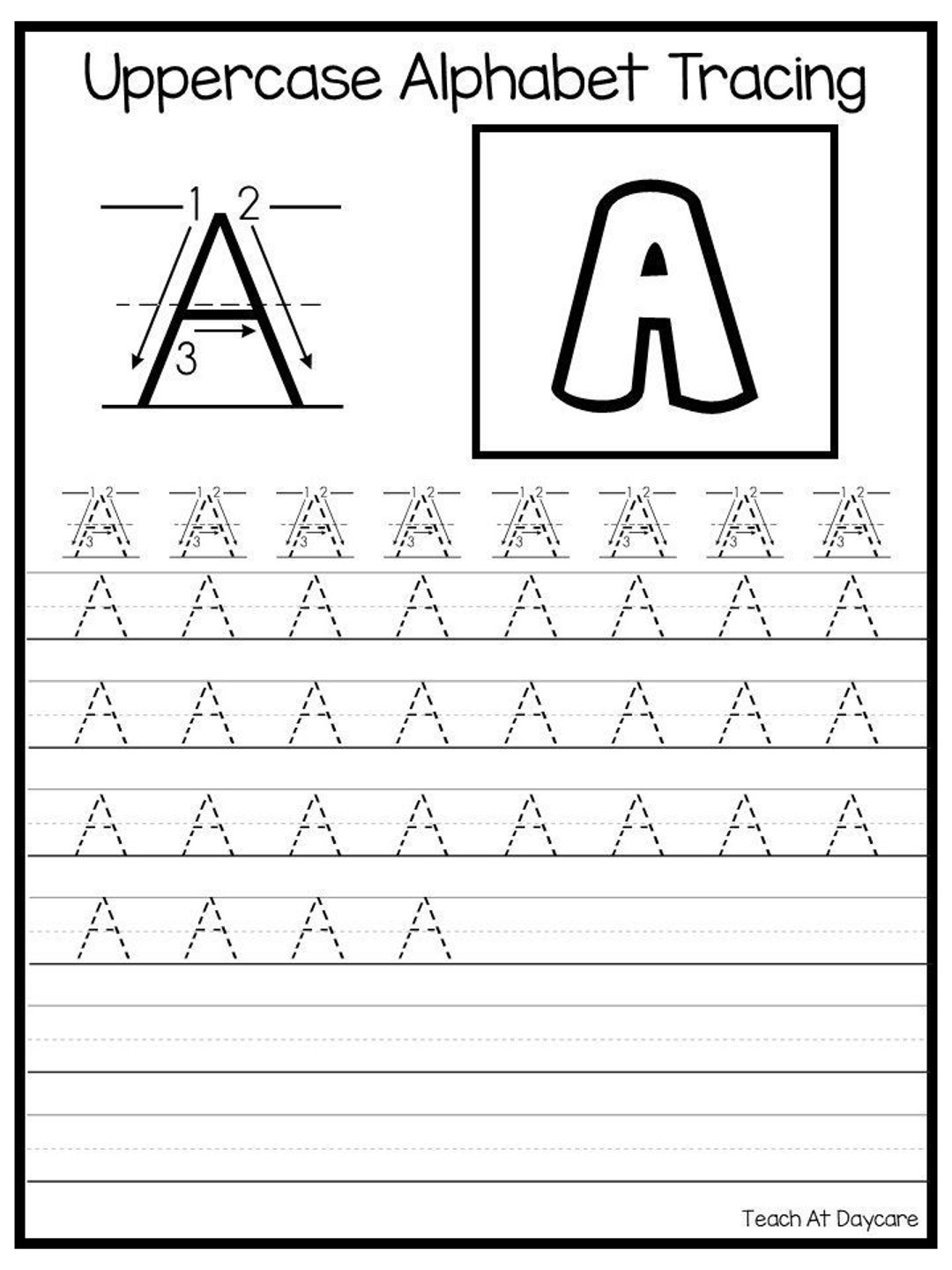
While the standard format of Upper Case Alphabet Tracing Worksheets is beneficial, customization can enhance their effectiveness. For instance, you can modify the size of the letters based on the needs of your students—larger letters may suit younger children or those still developing their motor skills.
Additionally, consider incorporating themes or images that resonate with your students. For example, adding illustrations of animals or objects that begin with each letter can make the worksheets more engaging and relatable. This thematic approach can spark interest and help students make connections between letters and their sounds.