
Tracing letters of the alphabet worksheets are essential resources for early childhood education. These worksheets provide structured practice for children learning to write their letters, making the process both fun and educational. By using tracing worksheets, children can develop fine motor skills, improve their handwriting, and gain confidence in their writing abilities. This guide will help you understand how to effectively utilize these worksheets in your classroom or homeschool setting.
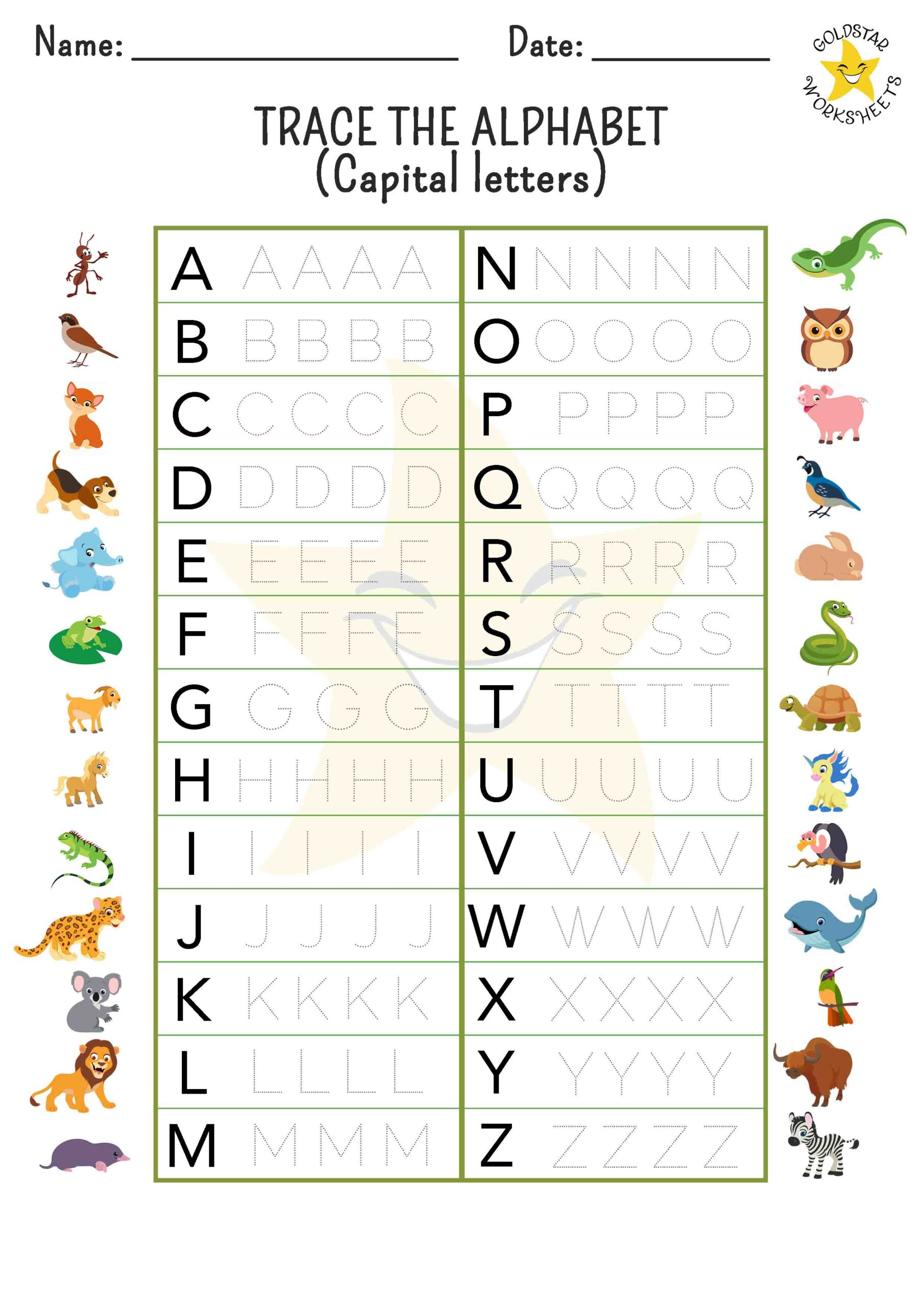
Benefits of Using Tracing Letters of the Alphabet Worksheets
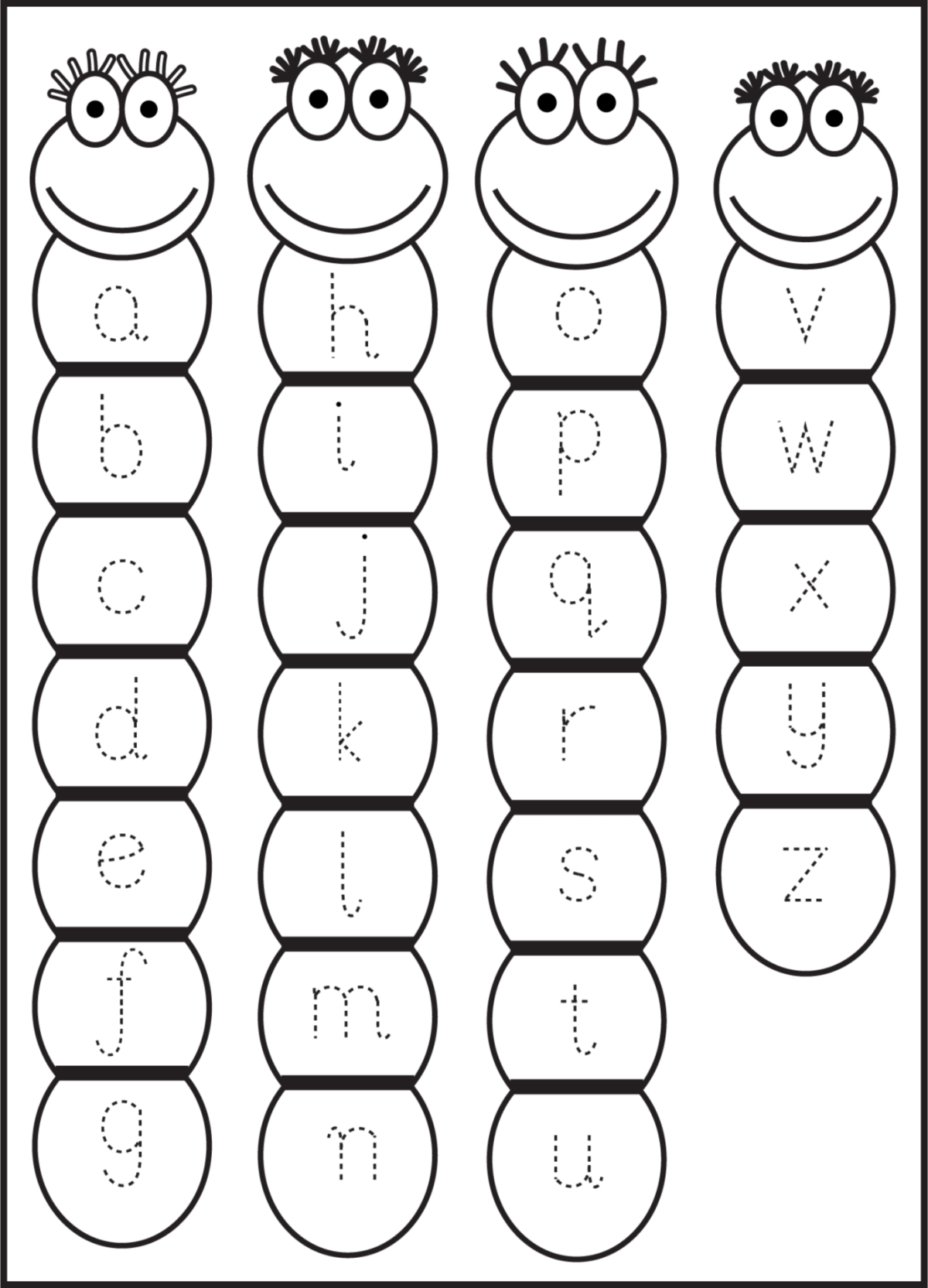
Using tracing worksheets has numerous benefits. For young learners, these worksheets help reinforce letter recognition and promote writing skills. When children trace letters, they engage in a multi-sensory learning experience that includes visual, auditory, and tactile elements. This combination can lead to better retention and understanding of the alphabet.
Moreover, tracing letters allows for repetition, which is crucial in mastering new skills. Children can practice letters multiple times, leading to improved muscle memory and control over their writing tools. This is especially important for kids in preschool and kindergarten, typically aged 4 to 6 years.
How to Incorporate Tracing Worksheets Into Your Curriculum
When planning your lessons, consider integrating tracing letters of the alphabet worksheets throughout the week. Spacing out practice sessions helps reinforce learning without overwhelming young learners. Here are some practical tips for incorporating these worksheets into your curriculum:
- Daily Practice: Set aside a few minutes each day for tracing practice. This could be part of your morning routine or a focused activity after storytime.
- Themed Worksheets: Choose worksheets that align with your current themes or topics. For example, if you’re discussing animals, use tracing worksheets that feature animal names.
- Interactive Activities: Pair tracing worksheets with hands-on activities. Have children form letters with clay, sand, or other tactile materials, reinforcing the shapes they trace on paper.
- Assessment and Progress Tracking: Use the worksheets as informal assessments to track progress. Note which letters children struggle with and adjust your teaching accordingly.
Selecting the Right Tracing Worksheets
Not all tracing worksheets are created equal. When selecting resources, consider the following factors to ensure they meet your educational needs:
- Age Appropriateness: Ensure the worksheets are designed for the correct age group. For preschool and kindergarten, look for worksheets with larger letters and more guided tracing paths.
- Variety of Fonts: Some worksheets use different fonts, which can be beneficial for teaching children how to recognize letters in various contexts. However, it’s essential to start with a clear, easily readable font.
- Download Options: Many websites offer printable worksheets in various formats. PDFs are often the best choice, as they maintain formatting and prevent reformatting issues that can occur with images.
- Quality of Design: Look for worksheets that are visually appealing and engaging. Colorful designs can capture children’s interest and make learning more enjoyable.
Tips for Printing and Using Tracing Worksheets
When you’re ready to print your tracing letters of the alphabet worksheets, keep these practical tips in mind:
- Paper Type: Standard printer paper works well, but if you plan to laminate the worksheets for repeated use, consider using cardstock. It holds up better against wear and tear.
- Print Settings: For best results, use portrait orientation for most worksheets. Always print a test page first to check for any formatting issues.
- Laminating Options: Laminating worksheets can allow for dry-erase use, enabling children to practice multiple times without wasting paper. This is a great way to save resources while providing ample practice.
- Organizing Worksheets: Create a binder or folder to keep your worksheets organized. This makes it easy for you and your students to access them whenever you need.
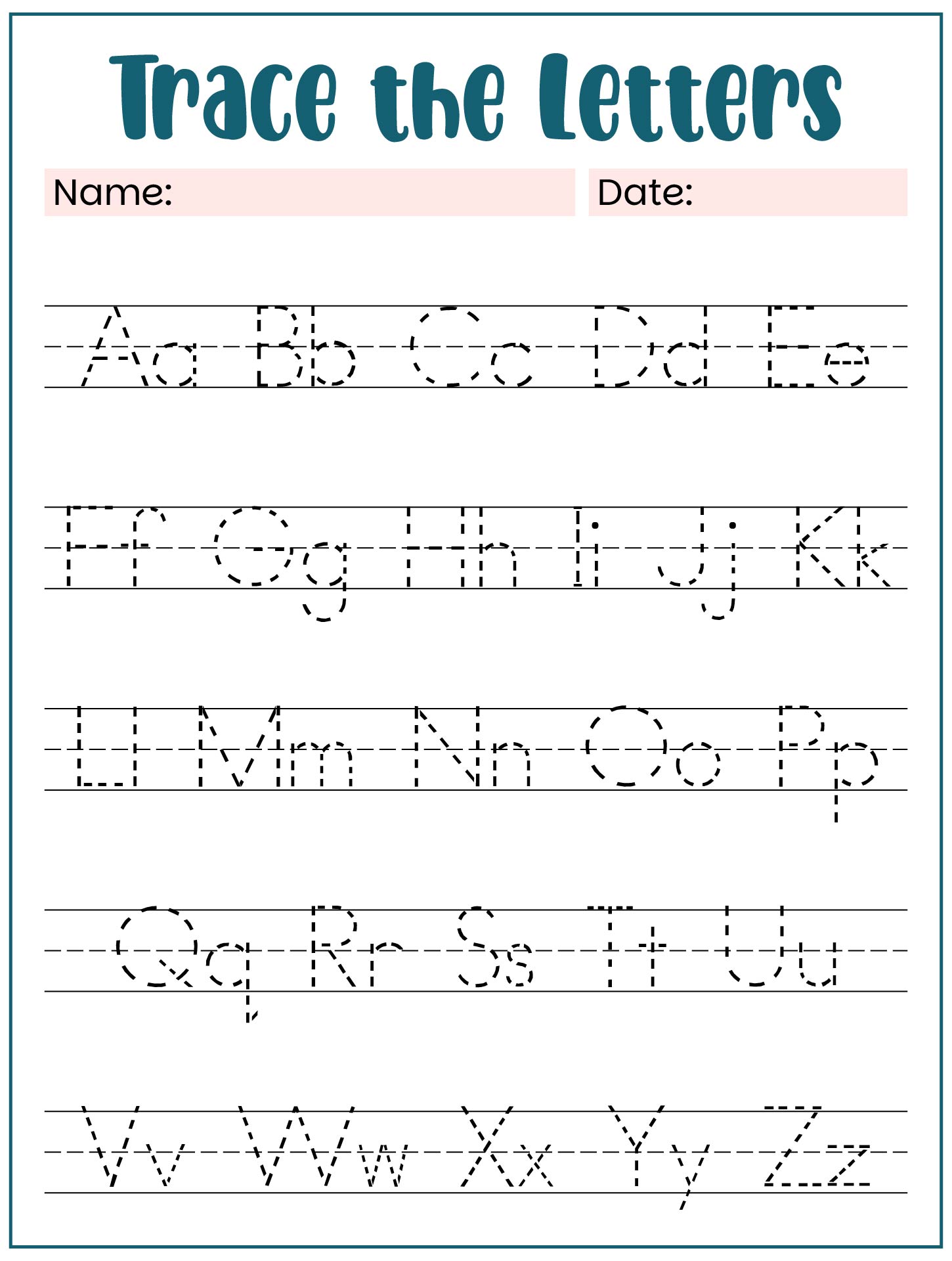
Reinforcing Learning Beyond the Worksheets
While tracing letters of the alphabet worksheets are valuable, consider additional activities to reinforce learning:
- Letter of the Day: Introduce a letter each day and incorporate it into various activities like crafts, songs, or stories.
- Interactive Games: Use letter-themed games to create a fun learning environment. For instance, letter scavenger hunts or bingo can make letter recognition more engaging.
- Family Involvement: Encourage parents to participate in their child’s learning by sending home tracing worksheets. This can foster a supportive learning environment at home.
- Multi-Sensory Learning: Incorporate different mediums for learning letters, such as writing in sand, using finger paints, or tracing letters in the air with their fingers. These activities can help cement their understanding of letter shapes.
By thoughtfully incorporating tracing letters of the alphabet worksheets into your teaching strategy, you can create a structured and enjoyable learning experience for young children. Remember to balance practice with fun activities, allowing children to explore letters in various ways.
Try implementing daily tracing sessions and monitor your students’ progress closely. You’ll see firsthand how these worksheets can enhance their letter-writing skills and confidence!