
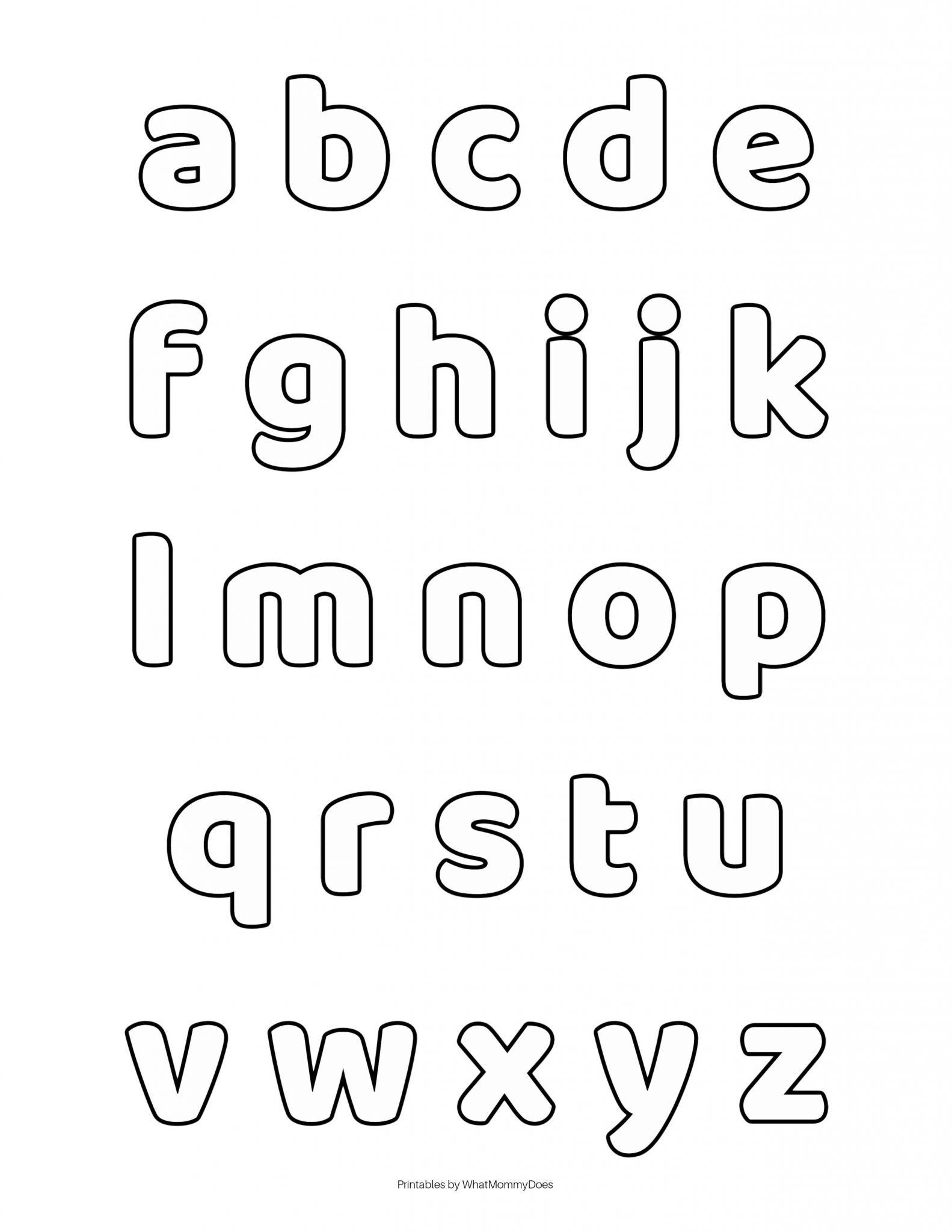
Coloring pages are an engaging way to help children learn the alphabet. Small Alphabet Letters Coloring Pages provide an interactive approach that combines learning with creativity. These pages can be crucial tools for teachers and parents alike, as they not only enhance fine motor skills but also reinforce letter recognition. Here’s how you can effectively use these coloring pages in your classroom or at home to support early literacy skills.
Selecting the Right Coloring Pages
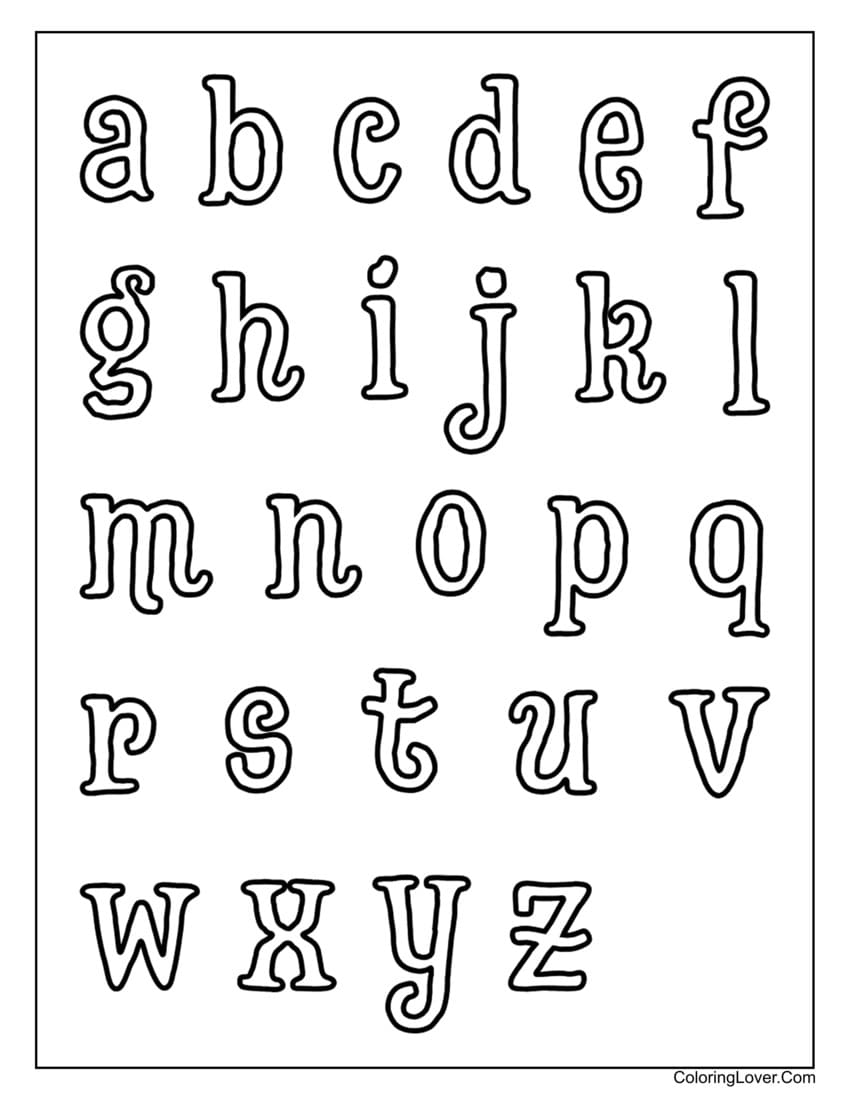
When looking for Small Alphabet Letters Coloring Pages, you’ll want to consider a few factors to ensure they are appropriate for your students or children:
- Age Appropriateness: Typically, these coloring pages are suited for preschool to early elementary students (ages 3-7). Make sure the designs are simple enough for young learners to color without feeling overwhelmed.
- Design Variety: Choose pages that feature various themes or illustrations alongside the letters. For example, pairing the letter ‘A’ with an apple can help children associate the letter with a word.
- Download Formats: Look for coloring pages available in PDF format. This format maintains the quality of the images and ensures that they print correctly without any distortion.
By selecting the right coloring pages, you lay the groundwork for an effective learning experience.
Downloading and Printing the Pages
Once you’ve picked out the perfect Small Alphabet Letters Coloring Pages, the next step is to download and print them. Here’s a quick guide to ensure everything goes smoothly:
- Download the Files: Click on the provided download link for the coloring pages. Ensure you’re downloading a PDF version to avoid any formatting issues.
- Check Your Printer Settings: Before printing, check your printer settings. For best results, set your printer to print in portrait mode, as this layout typically works better for coloring pages.
- Paper Choice: Use standard 8.5 x 11-inch cardstock for a sturdier coloring experience. Cardstock holds up well to markers and crayons, making it less likely to tear during use. If you plan to laminate the pages for repeated use, cardstock is the best choice.
- Print a Test Page: Print a single page first to check for any issues with alignment or quality. This step can save you time and resources.
After printing your coloring pages, you’re ready to set them up for use!
Organizing the Coloring Activity
Creating a structured environment for coloring can enhance the learning experience. Here’s how to effectively organize the activity:
- Set Up a Coloring Station: Create a designated area with all necessary supplies, such as crayons, colored pencils, or markers. Make sure each child has access to a variety of colors to foster creativity.
- Introduce the Letters: Before diving into the coloring, take a moment to introduce the letters. You can show the pages and discuss the letters and their sounds. This brief discussion will help them connect the visual representation with the auditory aspect of the alphabet.
- Encourage Repetition: It’s beneficial to spread the coloring activity over several days. For instance, focus on a few letters each day rather than overwhelming them with the entire alphabet at once. This repeated exposure helps reinforce learning and improves retention.
- Incorporate Phonics: As children color, integrate phonics by asking them to say the letter and a word that starts with it. For example, as they color ‘B,’ prompt them to say “B is for ball.” This reinforces their understanding through active participation.
By organizing the activity thoughtfully, you create a more effective learning environment.
Extending the Learning Experience
Coloring pages can be a springboard for further educational activities. Here are some ideas to extend the learning experience beyond just coloring:
- Letter Crafts: After coloring, consider integrating crafts that correspond to the letters. For example, after coloring ‘C,’ have students create a collage of items that start with ‘C’ (like cut-outs of cats, cupcakes, and cars).
- Story Time: Incorporate story time with books that emphasize the letters they are working on. This helps children see letters in context and understand their usage within words.
- Interactive Games: Use games like “I Spy” where you say a letter, and children have to find an object in the room that starts with that letter. This can make learning more dynamic and fun.
- Display Their Work: Create a classroom or home gallery where children can display their finished coloring pages. This not only boosts their confidence but allows them to take pride in their work.
By extending the learning experience, you provide children with multiple avenues to explore and understand the alphabet.
Tracking Progress
As children engage with Small Alphabet Letters Coloring Pages, it’s important to track their progress. Here are some strategies for monitoring their learning:
- Weekly Check-ins: Set aside time each week to discuss what letters they have colored and what they’ve learned. Ask open-ended questions about the letters and their sounds.
- Create a Portfolio: Keep a portfolio of their coloring pages and any additional projects completed. This can serve as a visual representation of their learning journey and can be shared with parents or guardians.
- Assess Skills: Look for improvements in their coloring skills and letter recognition. You can create simple assessments like flashcards to quiz them on the letters they’ve learned.
- Feedback: Encourage children to express what they enjoyed about the coloring pages or any challenges they faced. This feedback can help tailor future activities to better suit their needs.
Tracking progress not only helps you understand their learning but also allows you to adjust your teaching strategies accordingly.
Using Small Alphabet Letters Coloring Pages effectively can transform a simple coloring activity into a rich learning experience. By selecting the right pages, organizing activities thoughtfully, and extending the learning, you can foster a love for letters and reading in young learners. Remember to keep the focus on fun and creativity, as these elements are key to encouraging a lifelong passion for learning.