
When teaching young children, visual aids can make a significant difference in their learning experience. One effective resource is the Printable Pictures For Each Letter Of The Alphabet. This collection of images not only supports letter recognition but also encourages creativity and engagement. In this guide, I’ll walk you through how to effectively use these printable pictures to enhance your teaching or homeschooling efforts.
Understanding the Resource
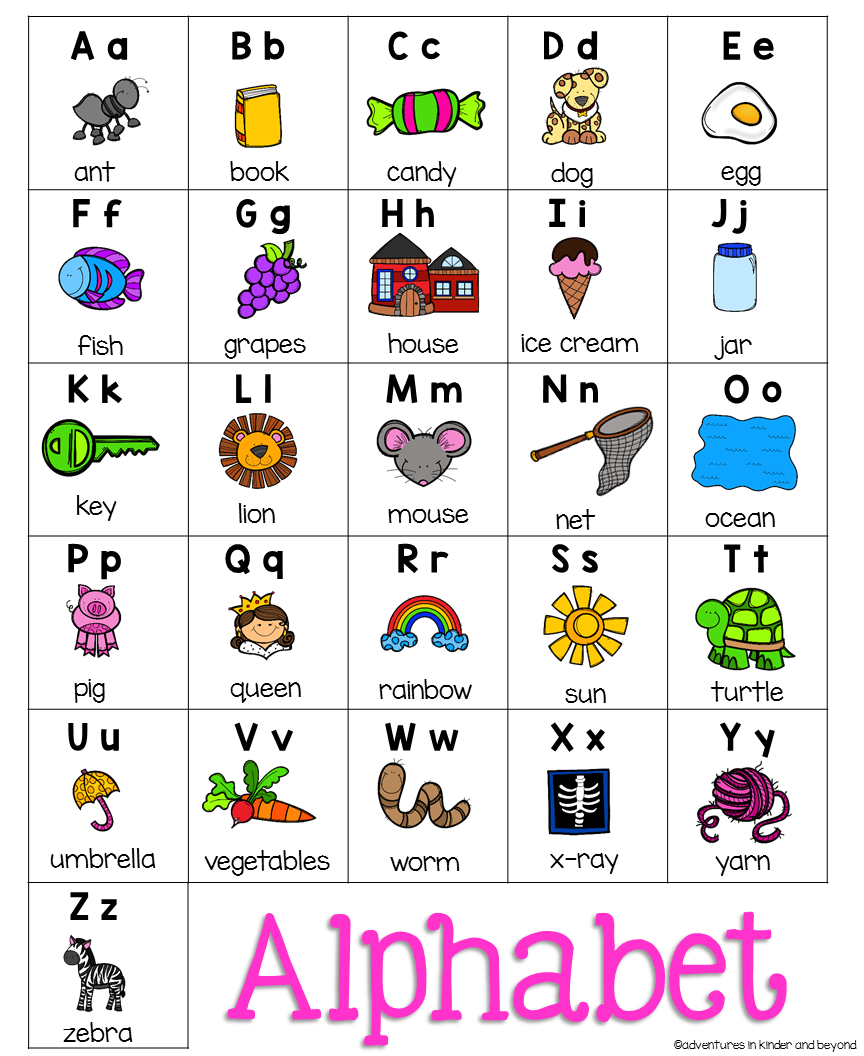
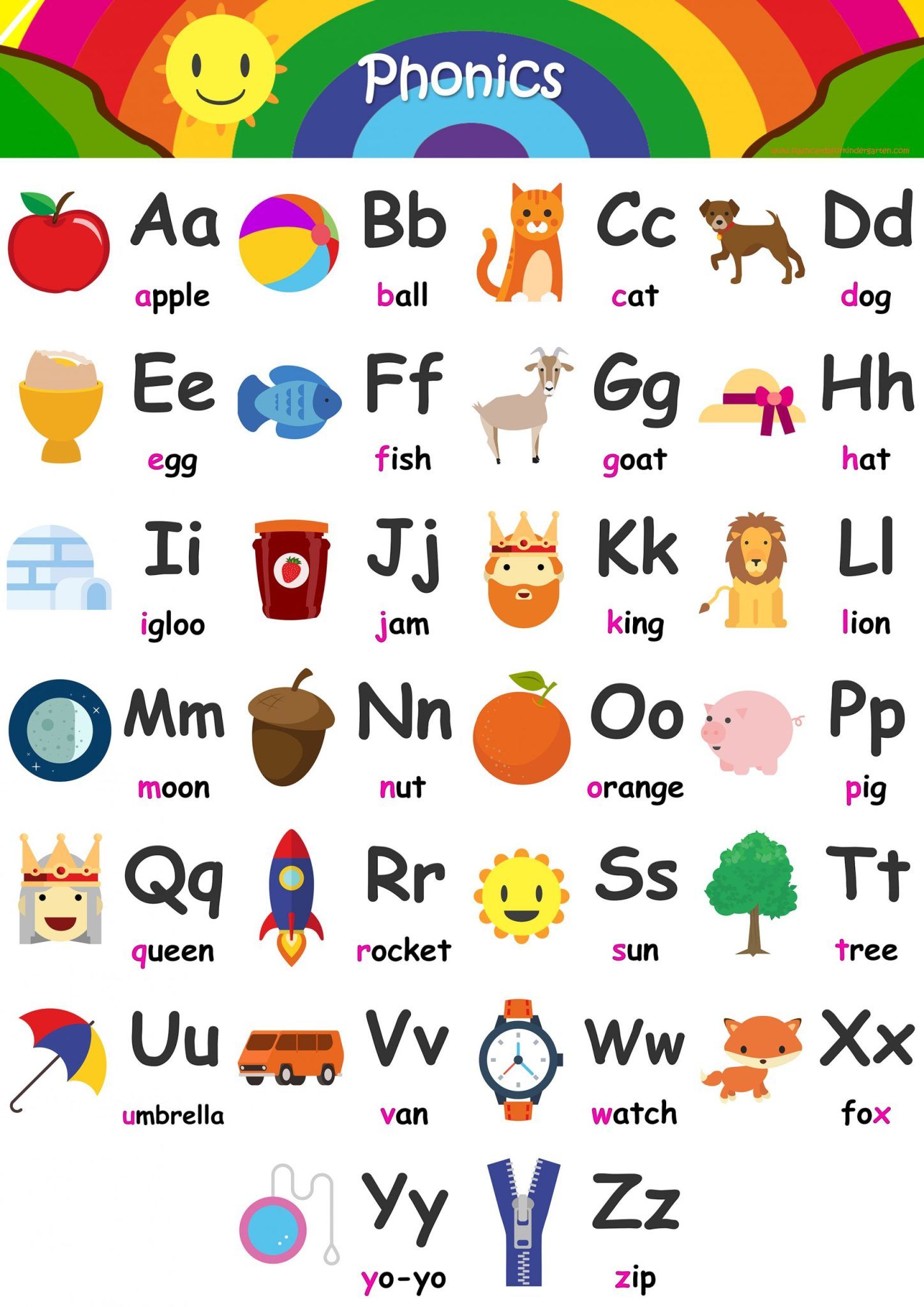
Printable pictures for each letter of the alphabet are typically designed to be vibrant and engaging images that correspond to each letter. For example, ‘A’ might feature an apple, while ‘B’ showcases a butterfly. These visuals can be used in various educational settings, making them versatile tools for both teachers and parents.
Ideal Age and Grade Level
This resource is particularly suitable for preschool and kindergarten-aged children, typically ranging from ages 3 to 6. At this stage, children are developing their language skills and letter recognition, making it an ideal time to incorporate visual aids into their learning.
How to Access Printable Pictures
Getting your hands on printable pictures for each letter of the alphabet is straightforward. Most educational resource websites offer these images as downloadable PDFs or image files.
- Search for Resources: Look for educational websites that focus on printable materials. Websites specializing in teaching resources often have a dedicated section for alphabet resources.
- Select Your Images: Choose a complete set or individual letters based on your curriculum needs. Some sites might allow you to select specific letters, while others offer full sets.
- Download Formats: Ensure the images are available in a user-friendly format, such as PDF or JPEG. PDFs often retain formatting better when printed.
Setting Up for Use
After downloading, setting up your printable pictures is crucial for effective use. Here are some steps to help you get started:
- Print Quality: Use a color printer to ensure the images are vibrant. Portrait layout generally works best for most home printers. Consider printing on cardstock, as it holds up better, especially if you plan to laminate the pictures for durability.
- Lamination Options: If you want the images to last longer, consider laminating them. This makes them reusable and resistant to wear and tear, especially in a classroom setting.
- Cutting and Organizing: Once printed, cut out the images if they are not already separated. Organize them in alphabetical order or group them by theme, which can help with lesson planning.
Integrating Printable Pictures Into Learning Activities
With your printable pictures ready, it’s time to incorporate them into various learning activities. Here are some practical ideas:
Alphabet Recognition Games
Using these printable pictures in games can make learning fun. For example, play a matching game where children match the letter with the corresponding picture. This reinforces their letter recognition skills while keeping them engaged.
Storytelling and Creative Writing
Encourage children to create stories using the pictures. Ask them to pick a few images and tell a story that includes all of them. This activity not only enhances their creativity but also improves their vocabulary and narrative skills.
Themed Learning Sessions
You can also integrate these images into themed learning sessions. For example, during a lesson on animals, use the corresponding pictures for letters like ‘D’ for dog, ‘C’ for cat, and so on. This helps create a cohesive learning experience.
Art and Craft Projects
Incorporate the pictures into art projects. Children can use the images as inspiration for drawing or crafts. For instance, they can create a collage using the images to represent their favorite letters.
Encouraging Independent Learning
One of the key benefits of using printable pictures is that they can promote independent learning. Here’s how to set this up:
- Create Learning Stations: Set up different stations in your classroom or home where children can explore the pictures independently. Each station could focus on different activities, such as matching games, storytelling, or art projects.
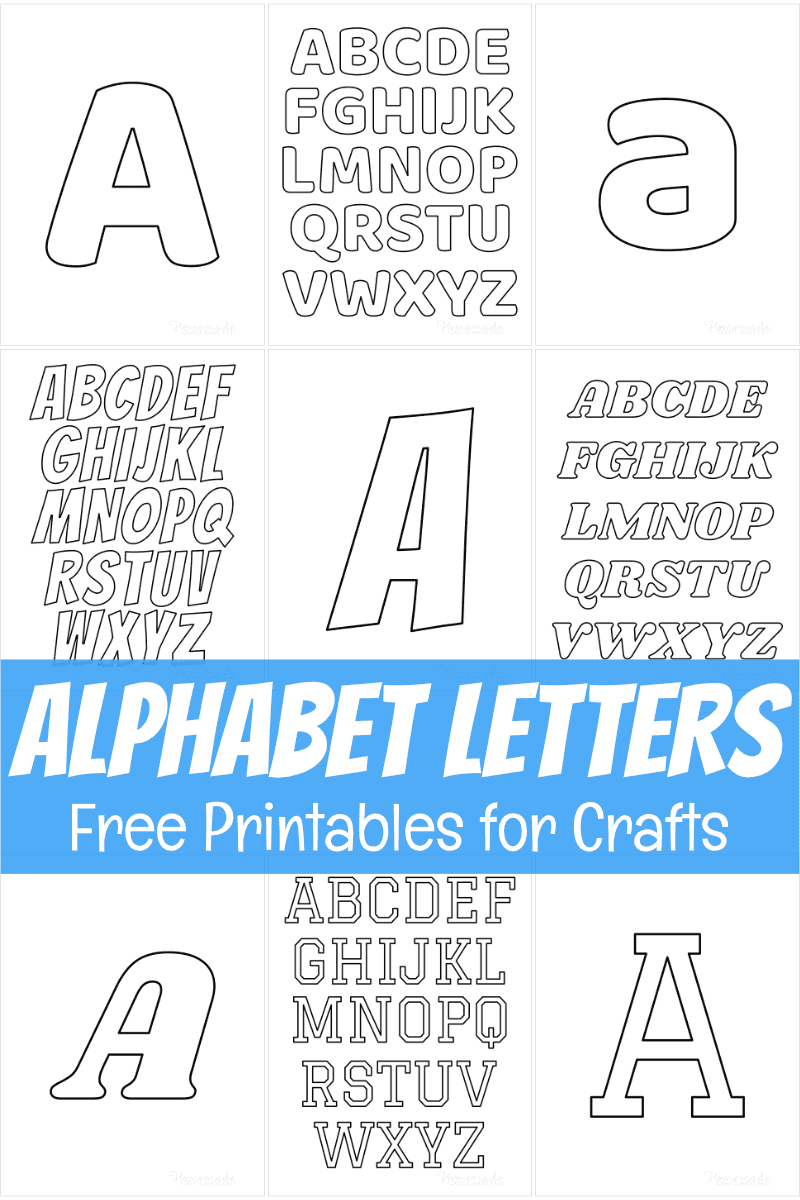
- Use Worksheets: Pair the pictures with worksheets where children can trace the letters or write words that start with each letter. This adds an additional layer of learning and reinforces their skills.
- Encourage Exploration: Allow children to explore the pictures and come up with their own activities. This fosters creativity and allows them to take ownership of their learning.
Tips for Maximizing Effectiveness
To ensure you get the most out of your printable pictures, consider these practical tips:
- Keep it Interactive: Engage children with questions about the pictures. Ask them to describe what they see or to come up with other words that start with the same letter.
- Reinforce Learning: Regularly revisit the pictures throughout the year. This reinforces their learning and helps solidify their understanding of the alphabet.
- Use Technology: If you have access to tablets or computers, consider using digital versions of the pictures. There are apps available that can enhance learning through interactive games and activities.
By incorporating Printable Pictures For Each Letter Of The Alphabet into your teaching toolkit, you create a rich, interactive environment that supports children’s learning in meaningful ways. These resources not only enhance letter recognition but also spark creativity and encourage exploration, making them invaluable for both teachers and parents.
One specific detail to remember is that using a heavier paper for printing can significantly improve the quality and durability of the pictures, especially if you plan to use them frequently in a classroom setting.