
Using Printable Letters Of The Alphabet in your classroom or at home can significantly enhance a child’s learning experience. These resources are not just fun; they are practical tools to help children recognize, write, and understand the letters of the alphabet. By integrating these printable letters into your teaching strategy, you can cater to various learning styles and create an interactive learning environment.
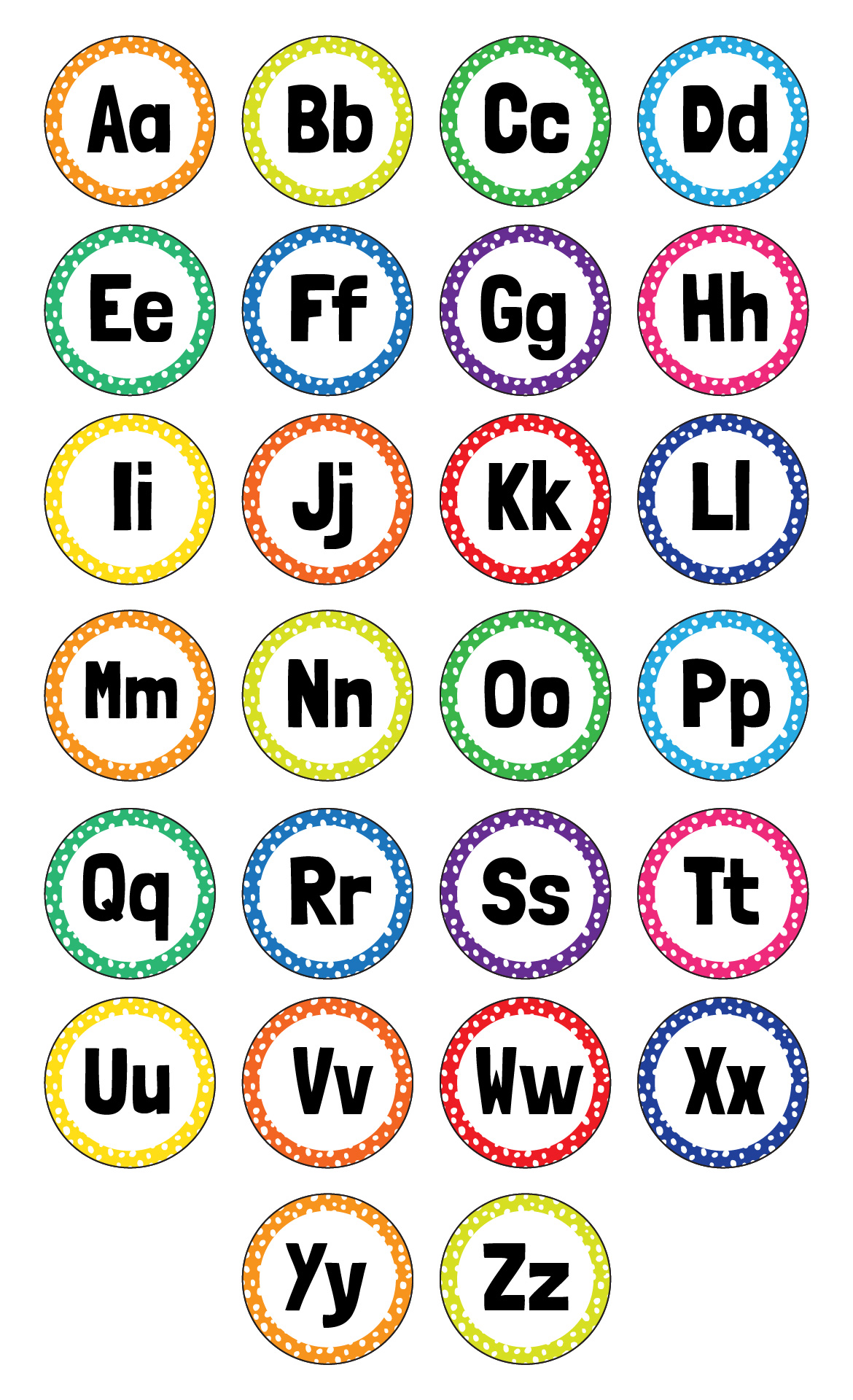
Understanding Printable Letters Of The Alphabet
Printable letters are available in various formats, styles, and sizes, making them versatile for different activities. They can be used in classrooms, homeschooling environments, or even for educational play at home. Whether you’re preparing for a lesson on phonics or creating flashcards for letter recognition, these printables can support your educational goals.
When selecting printable letters, consider the specific needs of your students. Younger children may benefit from larger, more colorful letters that capture their attention, while older students might prefer a more subdued style for writing practice.
How to Use Printable Letters in Teaching
There are countless ways to incorporate printable letters into your teaching methods. Here are a few practical applications:
- Flashcards: Create flashcards with the letters of the alphabet. You can use these for memory games or to help children learn letter sounds.
- Decorative Wall Art: Print letters in large sizes to create a colorful alphabet wall. This can be an engaging visual aid for young learners.
- Worksheets: Design worksheets that require students to trace, color, or identify letters. For instance, you can have students trace the letter ‘A’ and then draw an apple next to it.
- Crafts: Use the letters in arts and crafts projects. Kids can decorate letters with glitter, stickers, or other materials, turning learning into a creative experience.
- Interactive Games: Set up games where children match letters to corresponding pictures or sounds. This can be both educational and entertaining.
Practical Considerations for Printing
When preparing to print your letters, there are a few practical considerations to keep in mind:
- Paper Type: For durability, consider using cardstock instead of regular printer paper. This will ensure the letters hold up during handling, especially if they are used frequently.
- Printer Settings: Use the best quality print settings available on your printer. This ensures that the letters are clear and easy to read. If you have the option, printing in color will make them more engaging for children.
- Size Matters: Depending on the activity, you may want to print the letters in different sizes. Larger letters can be useful for wall displays or group activities, while smaller ones may be better for individual worksheets.
- Lamination: If you plan to reuse the letters, consider laminating them. This protects the printouts from wear and tear and allows you to use dry-erase markers for multiple activities.
Finding Quality Printable Letters
There are numerous online resources where you can find high-quality printable letters of the alphabet. Look for websites that specialize in educational materials, as they often provide free or low-cost printables tailored for teachers and parents. Some sites may offer customizable options, allowing you to adjust fonts, sizes, and colors to suit your needs.
When searching, ensure that the resources are user-friendly and easy to download. PDFs are often ideal as they maintain formatting across different devices and printers.
Engaging Activities Using Printable Letters
Incorporating interactive activities can make learning with printable letters even more effective. Here are some ideas:
Alphabet Scavenger Hunt
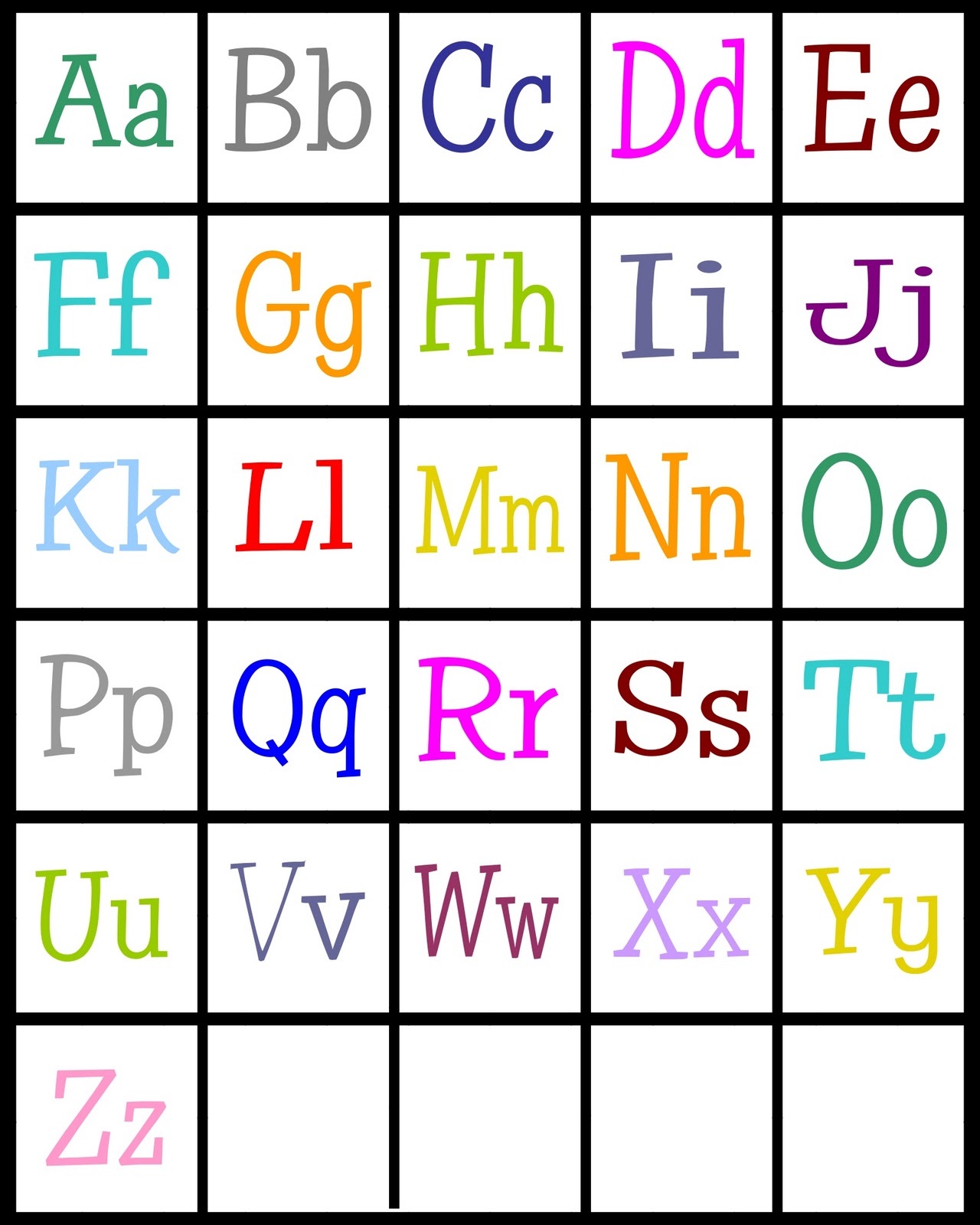
Create an alphabet scavenger hunt where children search for objects around the classroom or home that start with each letter. This activity reinforces letter recognition and phonetic sounds in a fun way.
Letter Sorting
Print multiple letters and have students sort them into categories, such as vowels and consonants, uppercase and lowercase, or by sound. Sorting helps children understand the structure of the alphabet.
Alphabet Books
Encourage children to create their own alphabet books. Each page can showcase a letter along with a corresponding image or word. This not only helps with letter recognition but also supports vocabulary development.
Letter Tracing
Provide worksheets with dotted letters for children to trace. Tracing helps develop fine motor skills and reinforces letter formation. You can also incorporate different textures for sensory learning.
Assessment and Feedback
Using printable letters effectively also involves assessing student progress. Here are some strategies:
- Observation: Pay attention to how children interact with the letters during activities. Are they recognizing letters quickly? Are they able to associate letters with sounds?
- Worksheets: Collect and review worksheets that involve tracing or identifying letters. This provides tangible evidence of their learning.
- Games: Incorporate letter games into your assessments. For example, a quick game of letter matching can serve as a fun assessment tool.
Remember, the goal is to create an engaging learning environment where children feel comfortable practicing their skills. Celebrate their successes, no matter how small, to foster a love for learning.
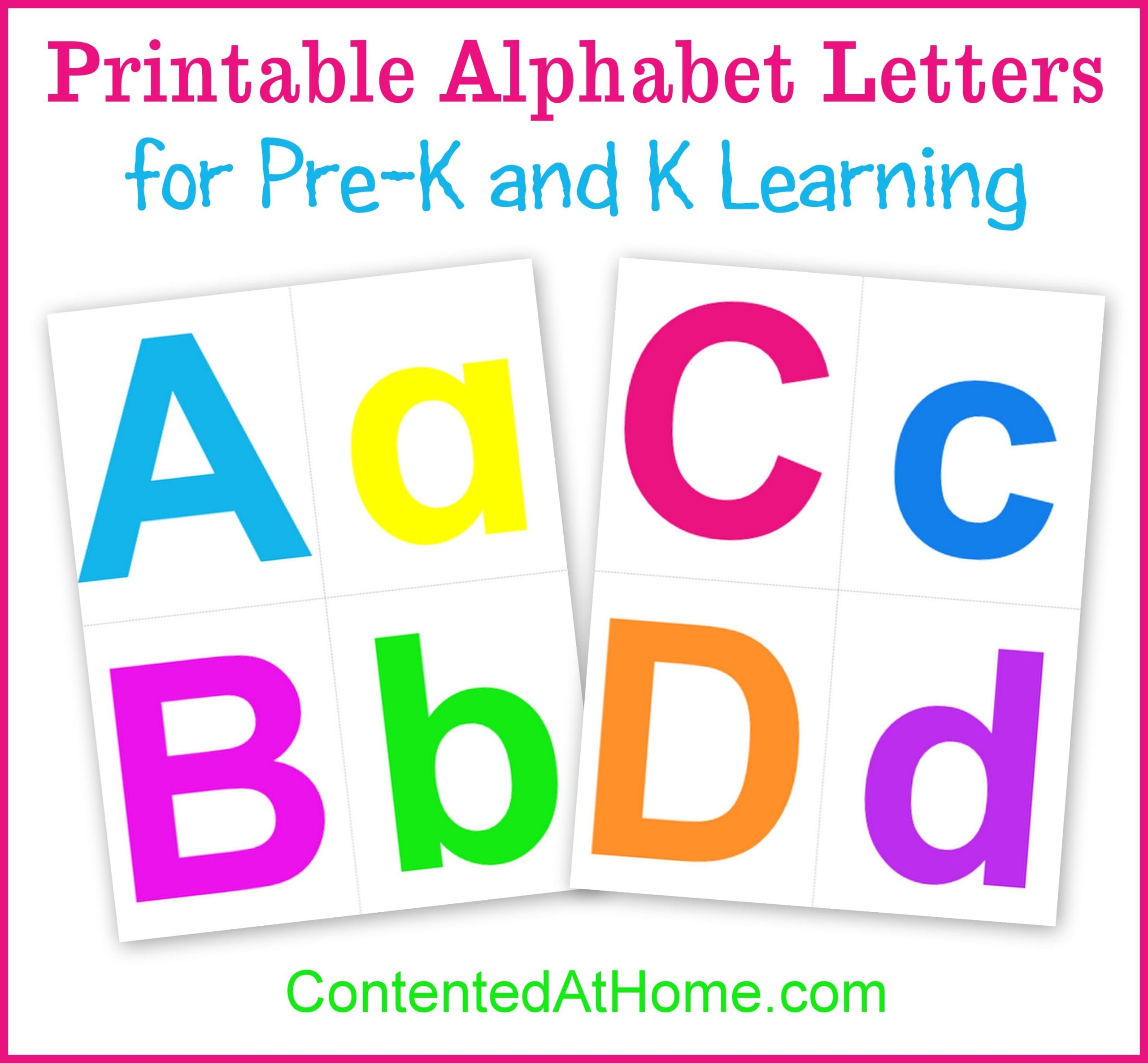
Final Tips for Using Printable Letters
As you integrate printable letters into your teaching, keep these final tips in mind:
- Be Flexible: Adapt your activities based on the children’s responses. If they show a particular interest in a certain letter or activity, build on that enthusiasm.
- Incorporate Technology: If possible, use tablets or computers to create digital letter activities. This can enhance engagement and provide a variety of learning modalities.
- Encourage Creativity: Allow children to express themselves through art and craft activities involving letters. This not only makes learning fun but also helps in retaining information.
Using Printable Letters Of The Alphabet can transform the way children learn their letters, making it an enriching experience. With thoughtful preparation and engaging activities, you can create a vibrant learning atmosphere that supports literacy development.