
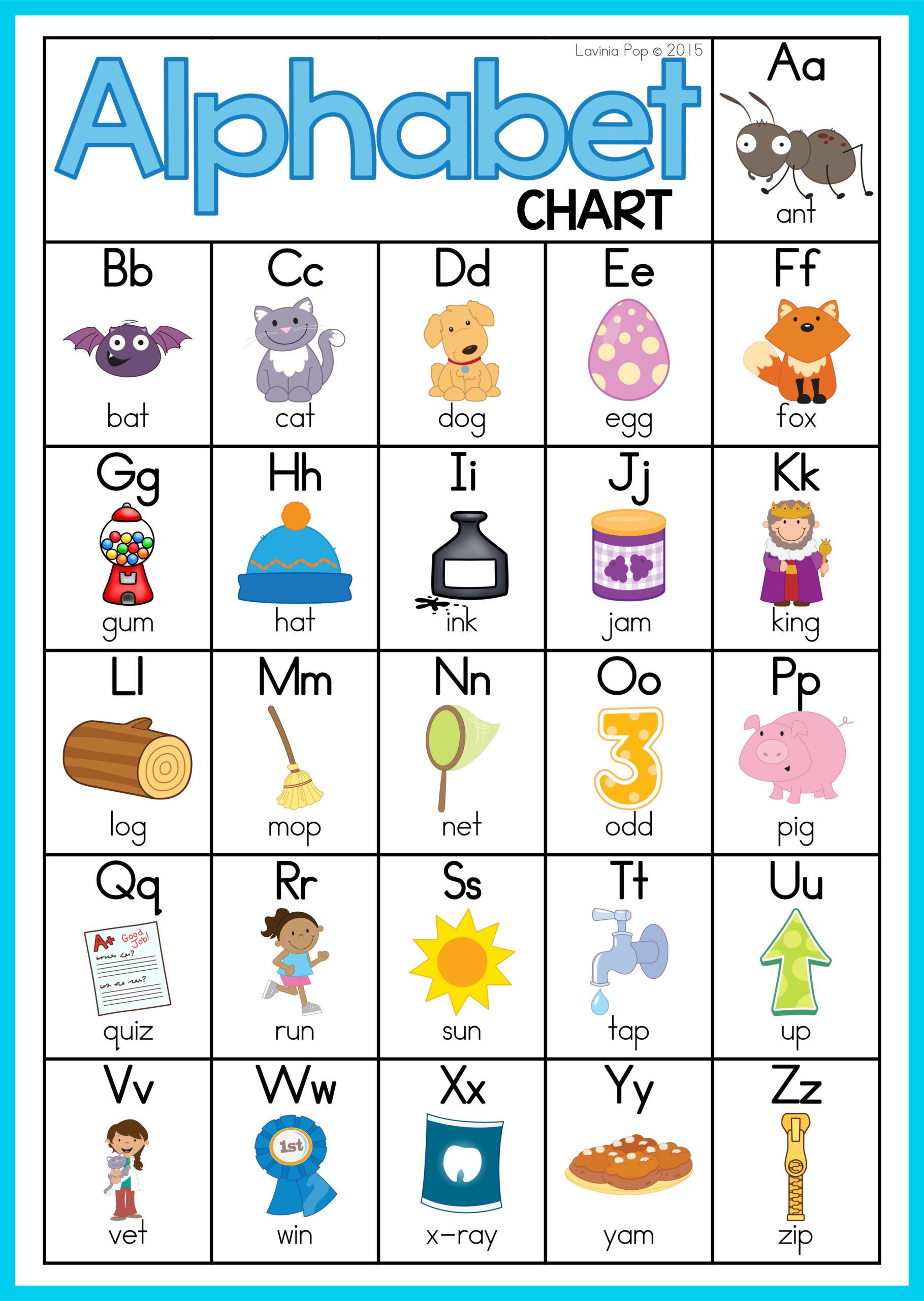
Using Printable Letters of the Alphabet with Pictures is a fun and effective way to help children learn their letters. These resources are designed to engage young learners, making the alphabet memorable. If you are a teacher in a classroom or a parent at home, incorporating these printables into daily activities can reinforce letter recognition and phonics skills.
Understanding the Importance of Alphabet Recognition
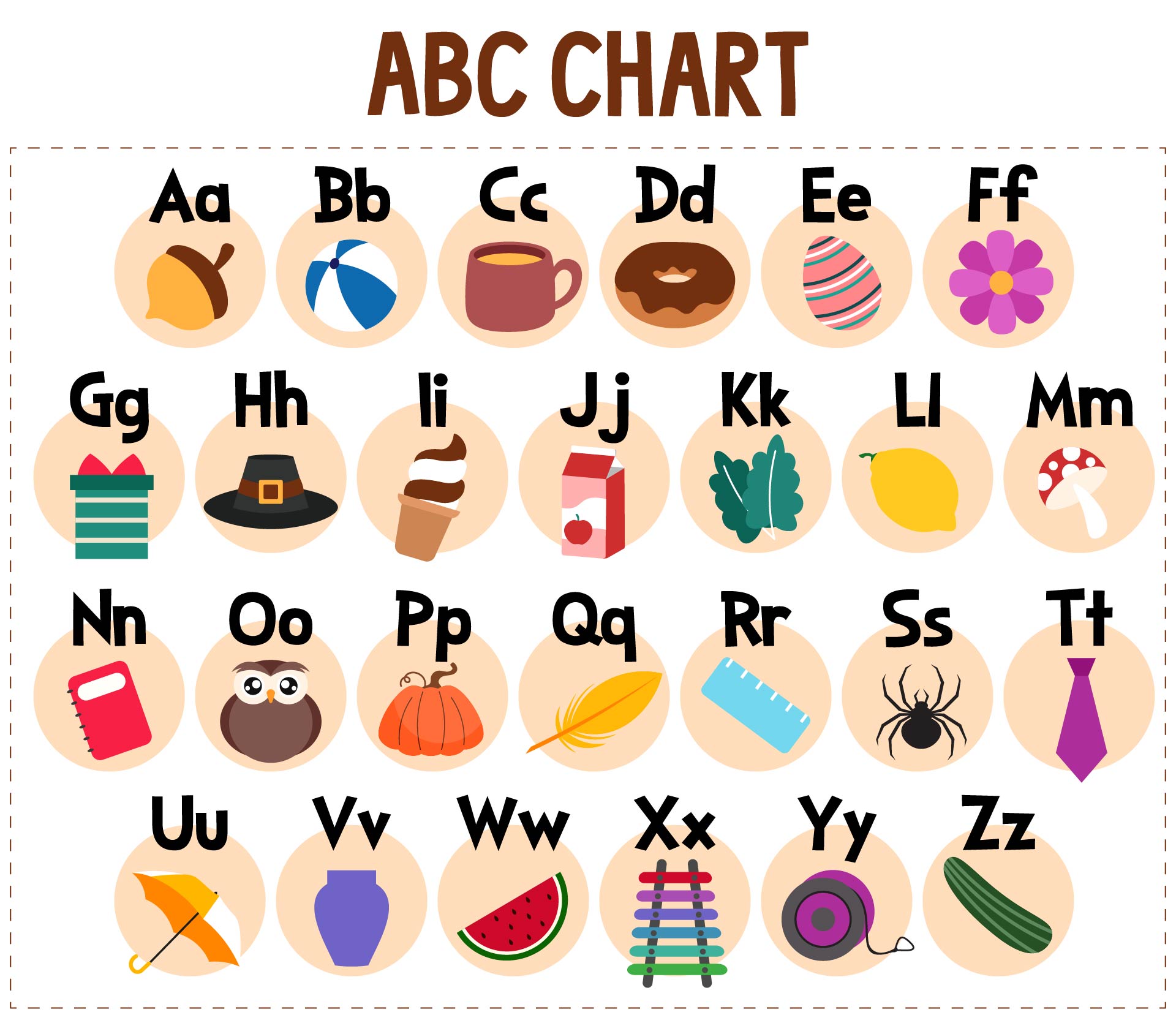
Alphabet recognition is a foundational skill for early literacy. Children who can identify letters are better prepared for reading and writing. When you use Printable Letters of the Alphabet with Pictures, you provide visual cues that help children make connections between letters and sounds. This method is especially beneficial for visual learners who grasp concepts better through imagery.
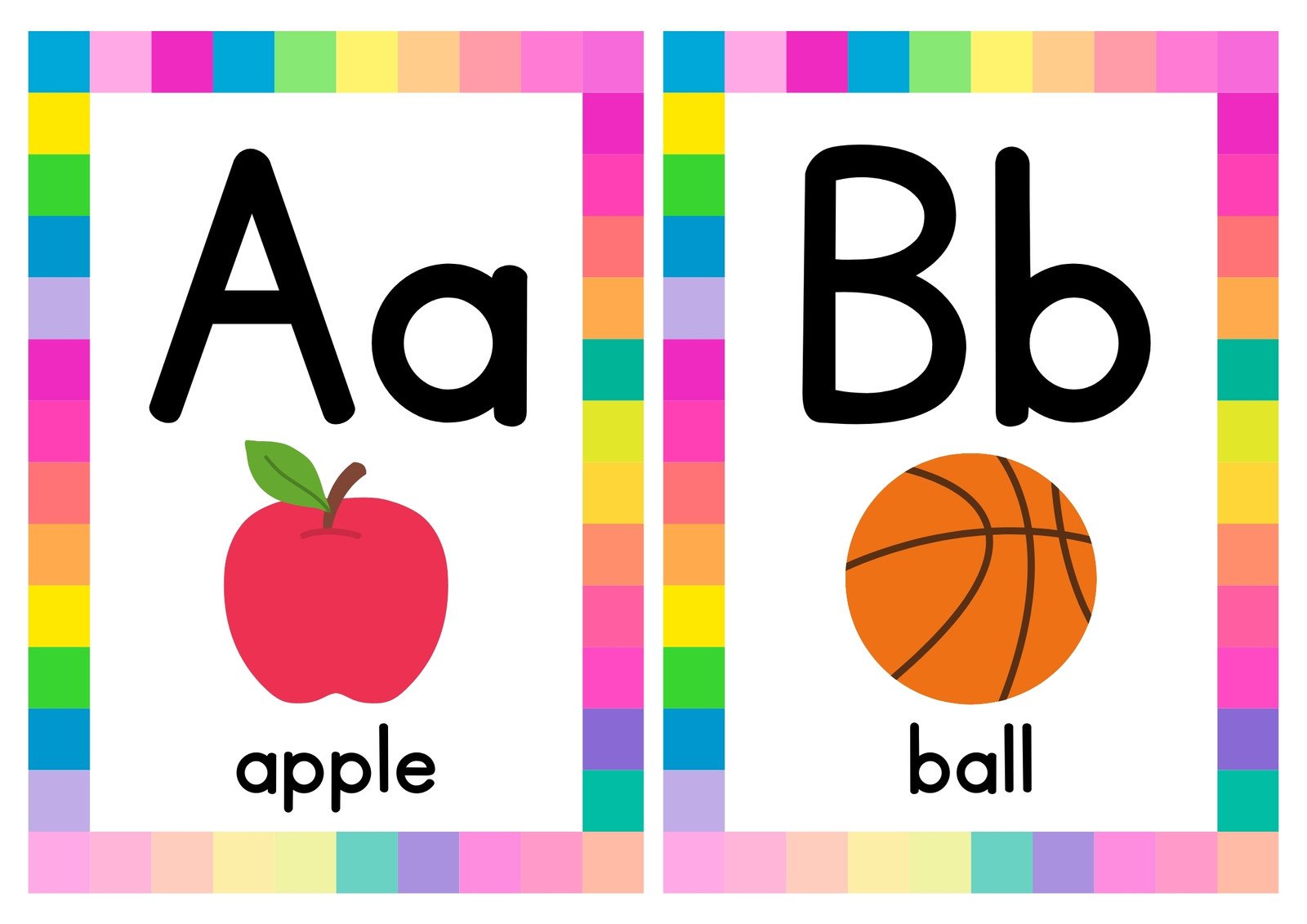
Using images alongside letters helps to create a multisensory learning experience. For instance, pairing the letter “A” with an apple not only reinforces the letter itself but also introduces vocabulary. This method can turn a simple alphabet lesson into an engaging storytelling session.
How to Use Printable Letters of the Alphabet in the Classroom
In a classroom setting, these printables can serve various purposes. Here are some practical ways to incorporate them:
- Alphabet Wall Displays: Create an alphabet wall by printing letters with corresponding pictures. This visual aid serves as a constant reference for students and can spark discussions about words that begin with each letter.
- Interactive Learning Stations: Set up learning stations where students can explore different letters. For instance, one station can focus on the letter “B” with pictures of a ball, butterfly, and banana. Students can cut out and paste these images onto a worksheet, reinforcing their understanding.
- Alphabet Games: Use the printables for games like “Alphabet Bingo” or “Letter Scavenger Hunt.” In Bingo, students can mark off letters as they see them in their environment, while in a scavenger hunt, they find objects that start with specific letters.
- Writing Practice: Pair the letters with lined worksheets for students to practice writing. They can trace the letter and then write it independently, using the pictures as memory aids.
- Story Creation: Encourage creativity by having students create short stories using words that start with a specific letter. This activity can be done in groups or individually, promoting collaboration and writing skills.
Using Printable Letters of the Alphabet at Home
For parents, Printable Letters of the Alphabet with Pictures are a valuable tool for reinforcing learning outside the classroom. Here are some ways to use them at home:
- Home Learning Environment: Set up a designated area at home where children can explore letters. Use printables to create an interactive learning space with letters displayed alongside toys or objects that start with those letters.
- Craft Activities: Incorporate letters into craft projects. For example, children can create letter collages using pictures cut from magazines or printed from online sources. This hands-on activity reinforces letter recognition while allowing creativity to shine.
- Daily Reading: When reading books at home, point out the letters that correspond to words in the story. You can bring out the printables to reinforce the letters being discussed, making the reading experience interactive.
- Family Games: Create family games that involve the letters. For instance, you can play a version of “I Spy” where you focus on objects that start with a certain letter. This can be a fun way to make learning a part of everyday life.
- Personalized Learning: Customize the printables based on your child’s interests. If they love animals, find pictures of animals that start with each letter to make the learning experience more engaging.
Assessing Progress and Mastery
As you integrate Printable Letters of the Alphabet with Pictures into your teaching or parenting, it’s crucial to assess progress. Here are some indicators that mastery is taking place:
- Letter Recognition: Children should be able to identify letters when prompted. Use flashcards or quizzes to check their recognition skills. If they can name the letter and associate it with its sound, they are progressing well.
- Writing Skills: Assess their ability to write letters independently. You can provide worksheets for tracing and see if they can replicate the letters without assistance. If they can write the letters correctly and in sequence, that’s a strong indicator of mastery.
- Vocabulary Development: Monitor their use of vocabulary. If children start using words that begin with specific letters in conversation or writing, it shows they are making connections between letters and sounds.
- Engagement Levels: Pay attention to how engaged children are during activities. If they express excitement about learning letters or show interest in finding words that start with certain letters, it indicates a positive learning environment.
Choosing the Right Format for Your Needs
When selecting Printable Letters of the Alphabet with Pictures, consider the format that best suits your needs:
- PDF vs. Image Files: PDF files are often the best choice as they maintain formatting during printing. This prevents any issues with image resolution or layout that can occur with image files.
- Color vs. Black and White: While color printables can be more engaging, black and white versions can be great for coloring activities. This allows children to add their personal touch while reinforcing letter recognition.
- Size Options: Check if the printables come in various sizes. Larger letters can be suitable for wall displays, while smaller sizes may be better for worksheets or individual activities.
- Lamination for Durability: If you plan to use the printables repeatedly, consider laminating them. This makes them more durable and allows for dry-erase markers to be used for writing practice.
By thoughtfully integrating Printable Letters of the Alphabet with Pictures into your teaching or home activities, you can create an engaging learning experience that supports children’s literacy development and keeps them excited about learning.