
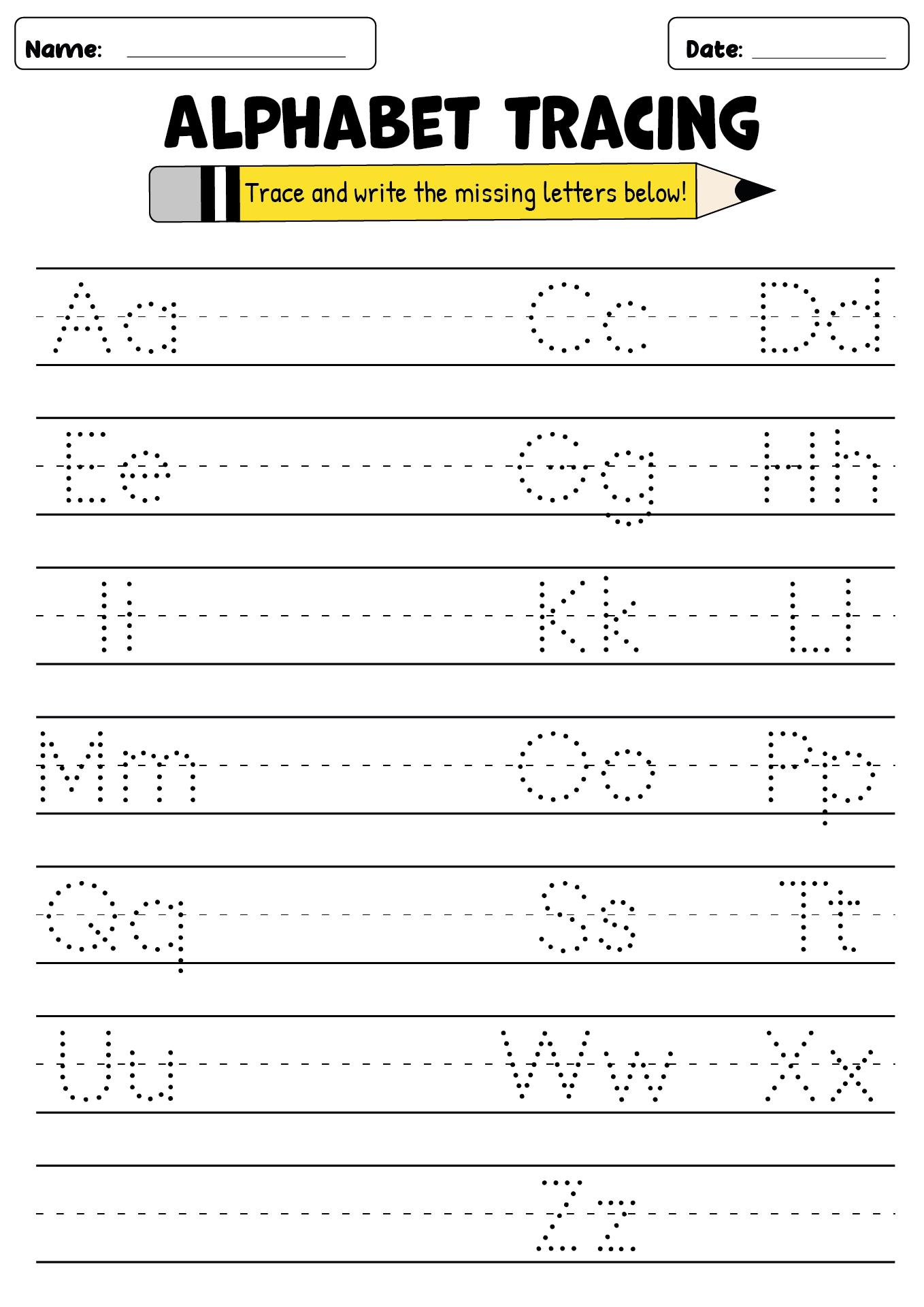
Printable Letters Of The Alphabet For Tracing are an essential resource for educators and parents aiming to help young learners develop their writing skills. These printables offer a visually structured approach to tracing letters, which is particularly beneficial for preschool and early elementary students. Unlike typical worksheets, these tracing letters are designed with a clear, engaging layout that encourages independent practice.
Understanding the Layout of Tracing Letters
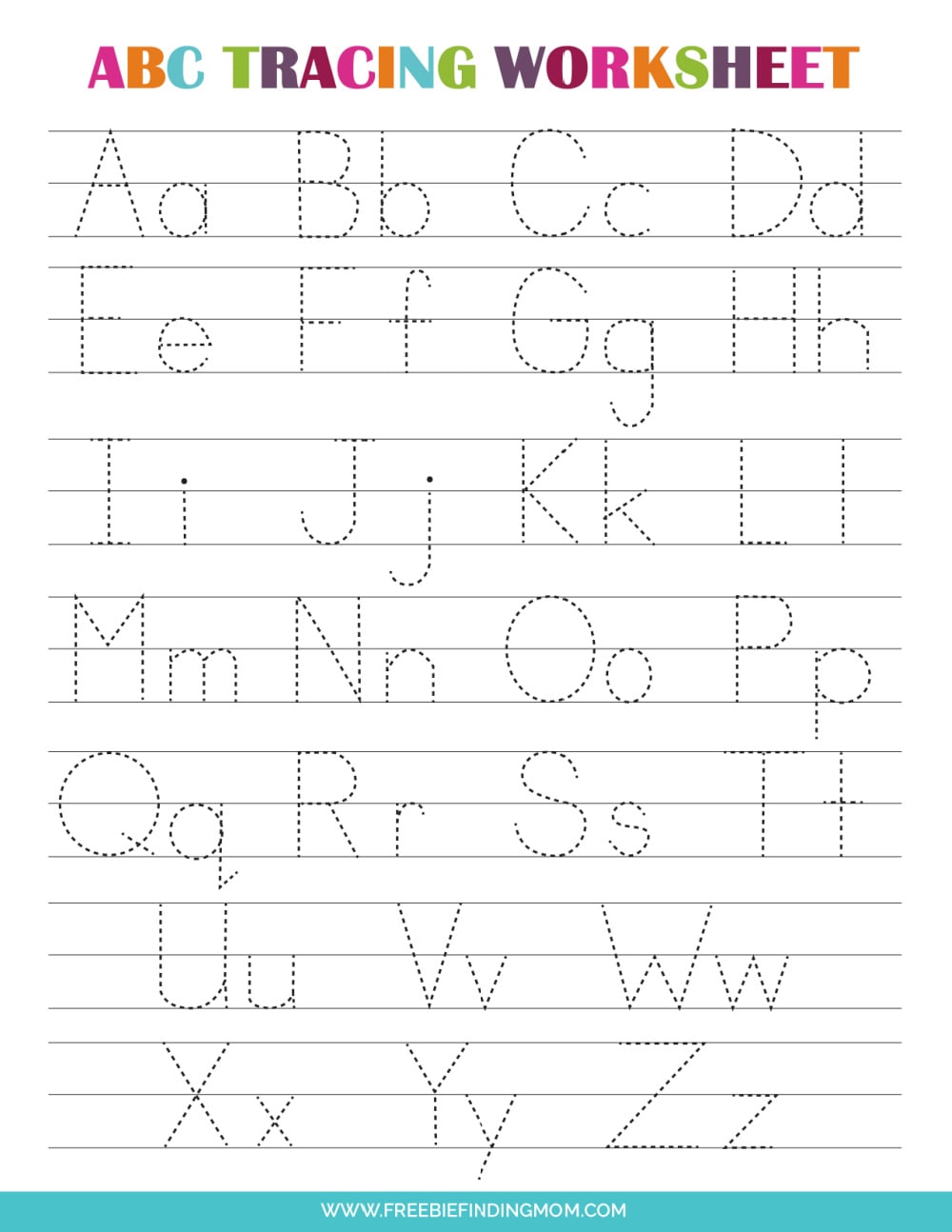
The layout of Printable Letters Of The Alphabet For Tracing usually features capital and lowercase letters, often presented in a simple, sans-serif font. This design choice is intentional, as it helps children recognize and form letters accurately. Each letter is typically accompanied by directional arrows that guide the child on how to trace the letter correctly.
In many cases, the letters are arranged on a single page, allowing for easy printing and distribution. Portrait orientation is commonly preferred, as it fits well with standard printer settings and is easier for little hands to manage. Additionally, some resources may include a dotted line version of each letter, which provides a visual cue for tracing without overwhelming the child with solid lines.
Age Appropriateness and Skill Development
These printable letters are ideal for children aged 3 to 7, primarily targeting preschool and kindergarten levels. At this stage, children are developing fine motor skills, which are crucial for writing. Tracing letters helps enhance these skills by encouraging children to use their fingers and hands in a controlled manner.
Using these printables in a classroom or homeschool setting allows for structured learning. Teachers can introduce tracing letters as part of a larger literacy program, integrating them with phonics and vocabulary exercises. For example, once a child has traced a letter, they can then practice saying the letter’s name and sound, reinforcing their learning through multiple senses.
Independent Practice and Instructions
One of the key advantages of Printable Letters Of The Alphabet For Tracing is that they promote independent practice. The clear instructions and directional arrows enable children to use these resources with minimal supervision. This independence fosters confidence, as children can see their progress and improvement over time.
To maximize their effectiveness, it’s beneficial to set up a tracing station. This can include the printables, a set of pencils or crayons, and a comfortable writing surface. By creating an inviting space for tracing, children are more likely to engage with the material willingly.
Different Formats and Customization Options
Printable letters can come in various formats, such as PDF or image files. The PDF format is often preferred, as it maintains the layout and design across different devices and printers. Additionally, some resources offer editable versions, allowing teachers to customize the letters, adjust sizes, or add specific instructions tailored to their classroom needs.
Customization can enhance the learning experience. For instance, teachers can add a child’s name next to each letter for personalized practice. This not only makes the activity more engaging but also helps children develop a sense of ownership over their learning.
Usage Scenarios: Classroom and Home
In a classroom setting, Printable Letters Of The Alphabet For Tracing can be used in various ways. They can serve as part of morning work, individual practice during literacy centers, or even homework assignments. Teachers may also incorporate them into group activities, where children can practice together, fostering collaboration and peer learning.
For homeschool parents, these printables can easily fit into daily learning routines. They can be used during dedicated writing lessons or integrated into arts and crafts projects, where children can decorate their traced letters. This approach not only reinforces writing skills but also encourages creativity.
Additional Learning Activities
To further enrich the tracing experience, educators and parents can incorporate additional activities alongside the printables. Here are some ideas:
- Letter Recognition Games: After tracing, children can play games that reinforce letter recognition, such as matching letters to objects that start with that letter.
- Storytime Connections: Pair tracing activities with storybooks that emphasize the letter being traced. This helps children connect letters to sounds and words.
- Sensory Tracing: For a multi-sensory approach, consider having children trace letters in sand, on textured surfaces, or with finger paints. This can make learning more engaging.
The Importance of Regular Practice
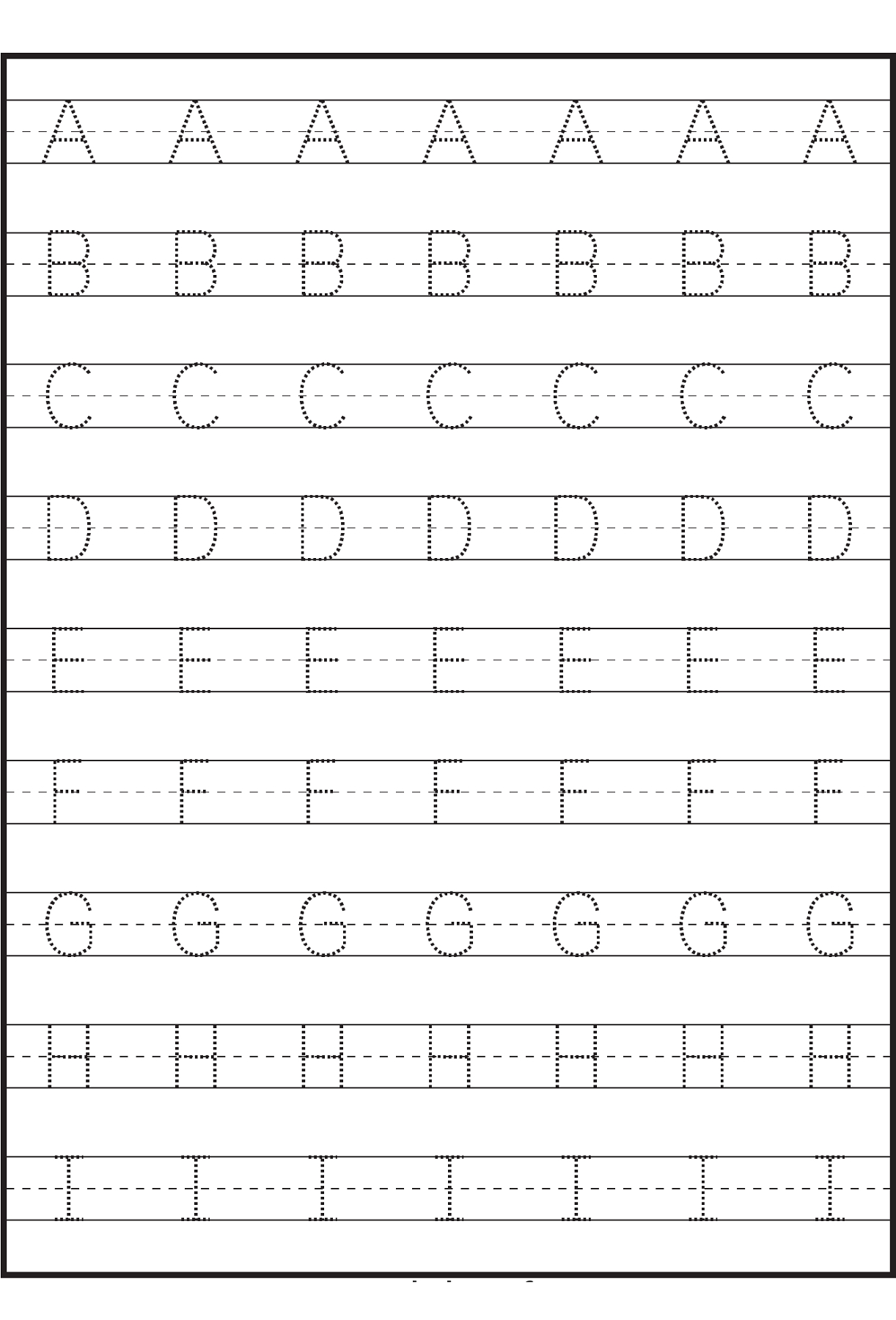
Regular practice with Printable Letters Of The Alphabet For Tracing is crucial for reinforcing skills. Consistency helps solidify letter formation and boosts confidence in young learners. It’s beneficial to create a routine where tracing letters is a daily or weekly activity, allowing children to track their progress over time.
Incorporating these printables into a broader learning plan can also help teachers and parents assess a child’s development. Observing how a child improves in their tracing abilities can provide insights into their fine motor skills and readiness for further writing tasks.