
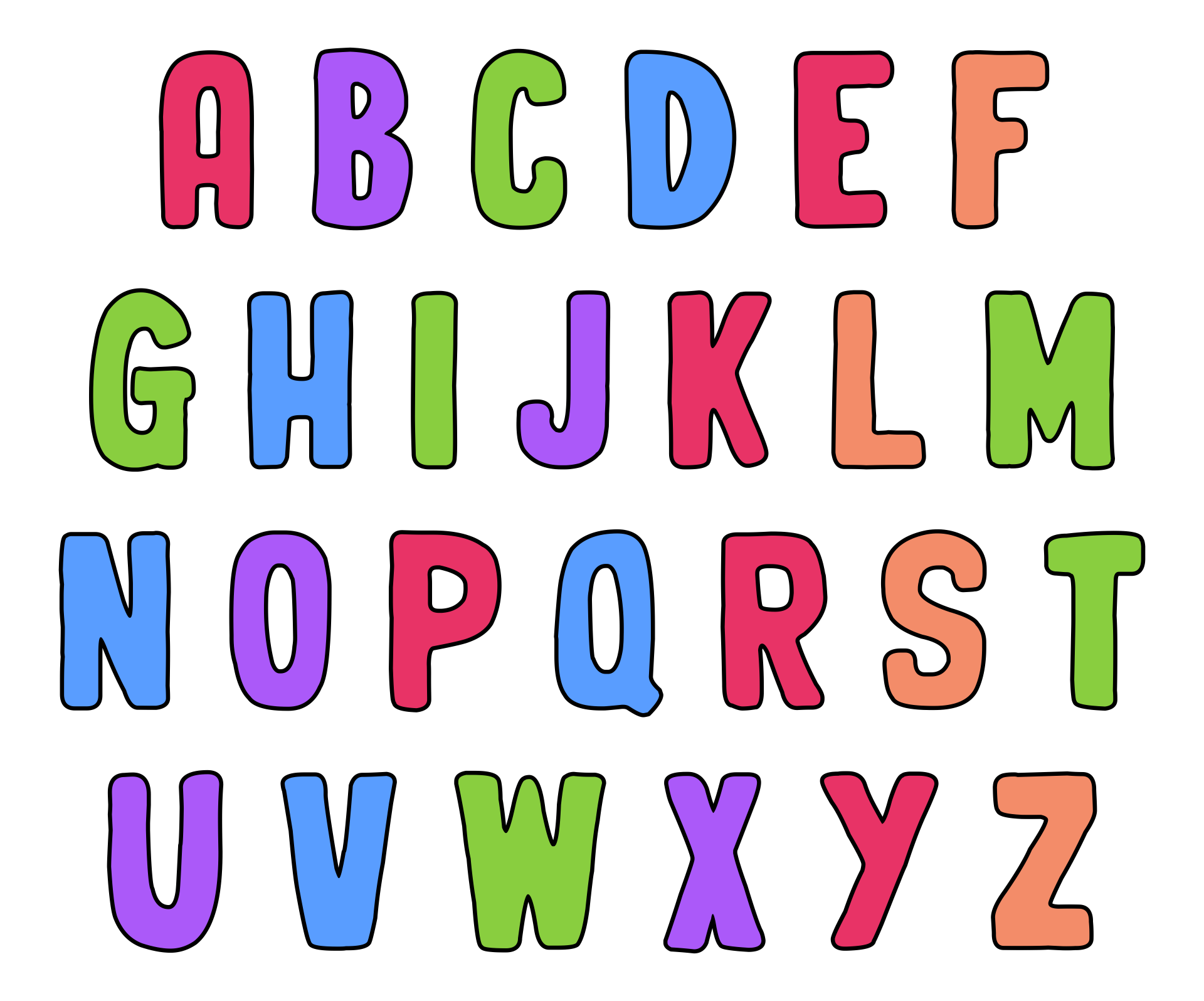
Using Printable Colored Alphabet Letters Free can significantly enhance the learning experience for young children. These resources are not just visually appealing; they serve a practical purpose in early childhood education, supporting letter recognition, phonics, and literacy development. This guide will explore how to effectively use these colorful alphabet letters in various educational settings, including classrooms and homes.
Understanding the Importance of Alphabet Recognition
Alphabet recognition is a foundational skill for literacy. Children need to identify letters to progress in reading and writing. Printable Colored Alphabet Letters Free can aid in this process by providing vibrant and engaging visuals that capture children’s attention. Using colorful letters makes the learning experience more enjoyable and less daunting, which is particularly beneficial for preschool and kindergarten students.
To assess mastery, observe how children interact with the letters. Are they able to identify each letter by sight? Can they associate letters with their corresponding sounds? If students struggle with recognition, these printables can be revisited as needed, allowing for repeated exposure to the alphabet.
Creative Uses for Colored Alphabet Letters
Classroom Activities
In a classroom setting, Printable Colored Alphabet Letters Free can be utilized in various activities:
- Alphabet Wall Displays: Create a colorful alphabet wall where students can refer to letters throughout lessons. This visual aid reinforces letter recognition during reading and writing exercises.
- Letter Matching Games: Print multiple copies of the letters and cut them out. Students can match uppercase letters with their lowercase counterparts, enhancing their understanding of letter forms.
- Word Formation: Use the letters to help students form simple words. This can be done on a magnetic board or a felt board, allowing children to physically manipulate the letters.
Homeschooling Applications
For homeschooling parents, these resources offer a flexible way to incorporate alphabet learning into daily routines:
- Craft Projects: Kids can use the colored letters in arts and crafts. For example, they can create a colorful collage by gluing letters onto a sheet of paper, reinforcing their learning through creativity.
- Interactive Learning Stations: Set up a dedicated area in your home for alphabet activities, complete with colorful letters and corresponding objects (e.g., an apple for “A”). This tactile approach engages children and makes learning fun.
- Flashcards: Transform the colored letters into flashcards for quick review sessions. Parents can quiz their children on letter names and sounds, making it a game-like experience.
Tips for Printing and Using Alphabet Letters
When using Printable Colored Alphabet Letters Free, consider the following tips to maximize their effectiveness:
- Paper Type: Use cardstock for durability. If the letters will be handled frequently, this material holds up better than standard printer paper. Laminating the letters is also a great option for added longevity.
- Size Considerations: Depending on the activity, you may want to adjust the size of the letters. For wall displays, larger letters may be more visible from a distance, while smaller letters can be used for tabletop activities or flashcards.
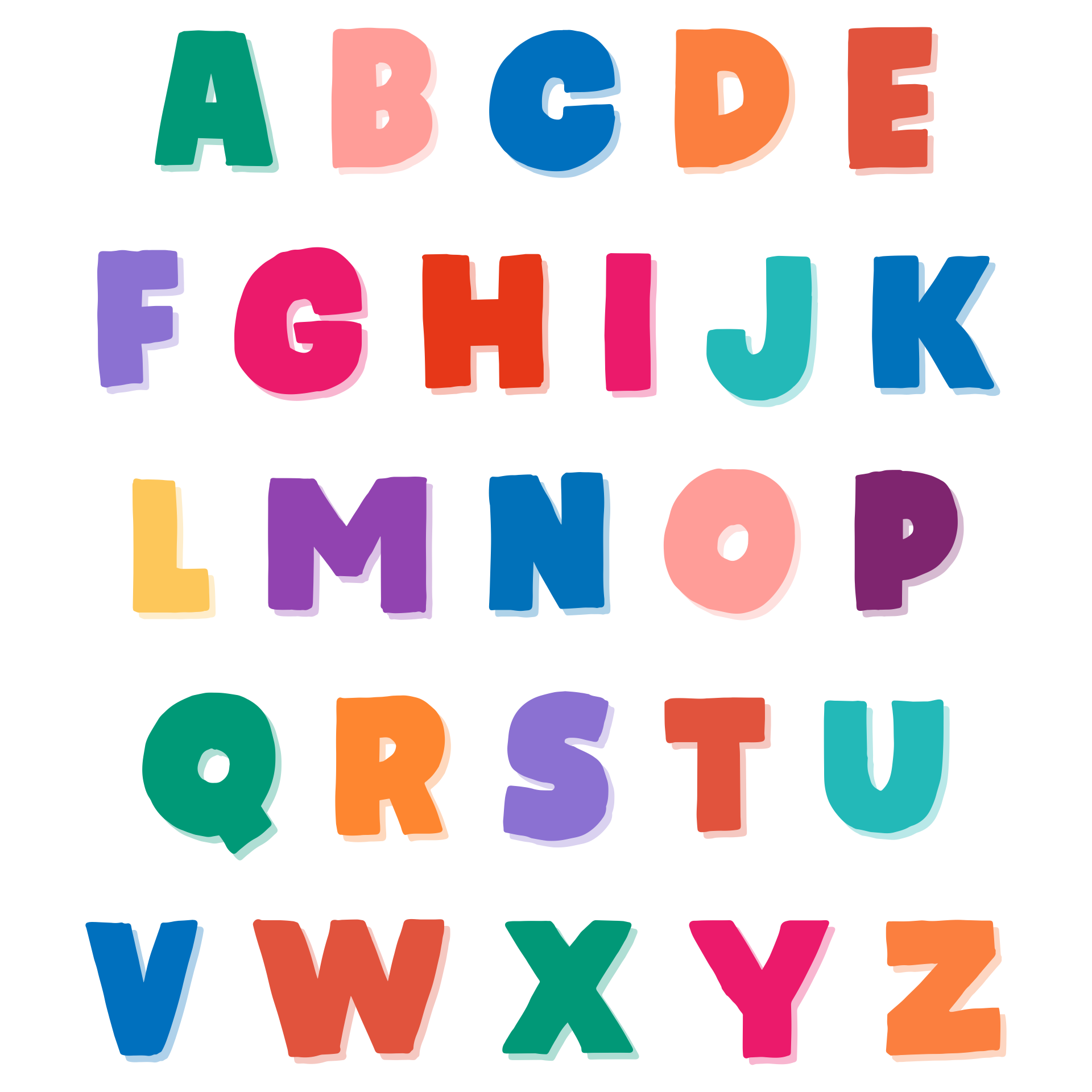
- Color Options: Different colors can be used to denote various teaching themes. For example, using specific colors for vowels and consonants can help children categorize letters and understand phonetics better.
Monitoring Progress and Mastery
To ensure that students are mastering their alphabet skills, ongoing assessment is crucial. Here are practical ways to monitor progress:
- Observation: Watch how children interact with the letters during activities. Are they able to identify and articulate the sounds associated with each letter? This informal assessment can guide future lessons.
- Worksheets and Activities: Incorporate worksheets that require children to trace or write letters after identifying them. This reinforces their learning and provides a record of their progress.
- Engagement Levels: Take note of how engaged children are during activities involving the colored letters. If they seem disinterested, it may be time to switch up the activities or introduce new resources to keep their learning dynamic.