
In a bustling classroom, Sarah, a dedicated teacher, prepares her students for a fun literacy activity. She knows that using Printable Alphabet Letters Capital And Lowercase will not only capture the children’s attention but also reinforce their understanding of the alphabet. This resource is perfect for teaching letter recognition, phonics, and even creative writing. If you’re a teacher or a parent looking for effective ways to engage young learners, this guide will provide you with practical insights on how to use these printable letters effectively.
Understanding the Basics of Alphabet Letters
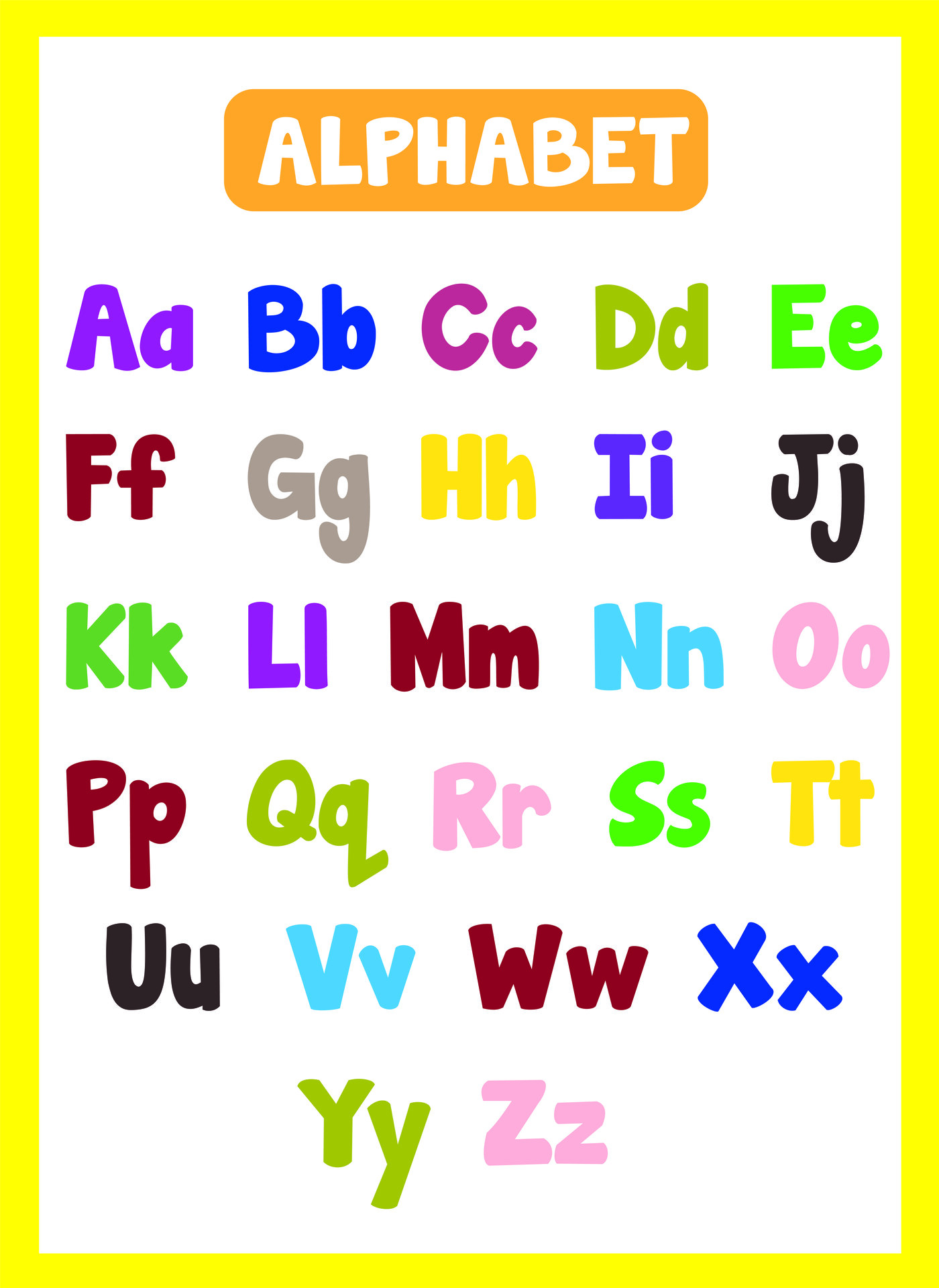
Before diving into the applications of printable alphabet letters, it’s essential to understand why they are crucial in early education. Alphabet letters, both capital and lowercase, form the foundation for reading and writing skills. Children typically start learning these letters between preschool and kindergarten (ages 3-6). These resources are designed to cater to various learning styles and can be adapted for different educational settings, whether in a classroom or at home.
How to Use Printable Alphabet Letters in the Classroom
Letter Recognition Activities
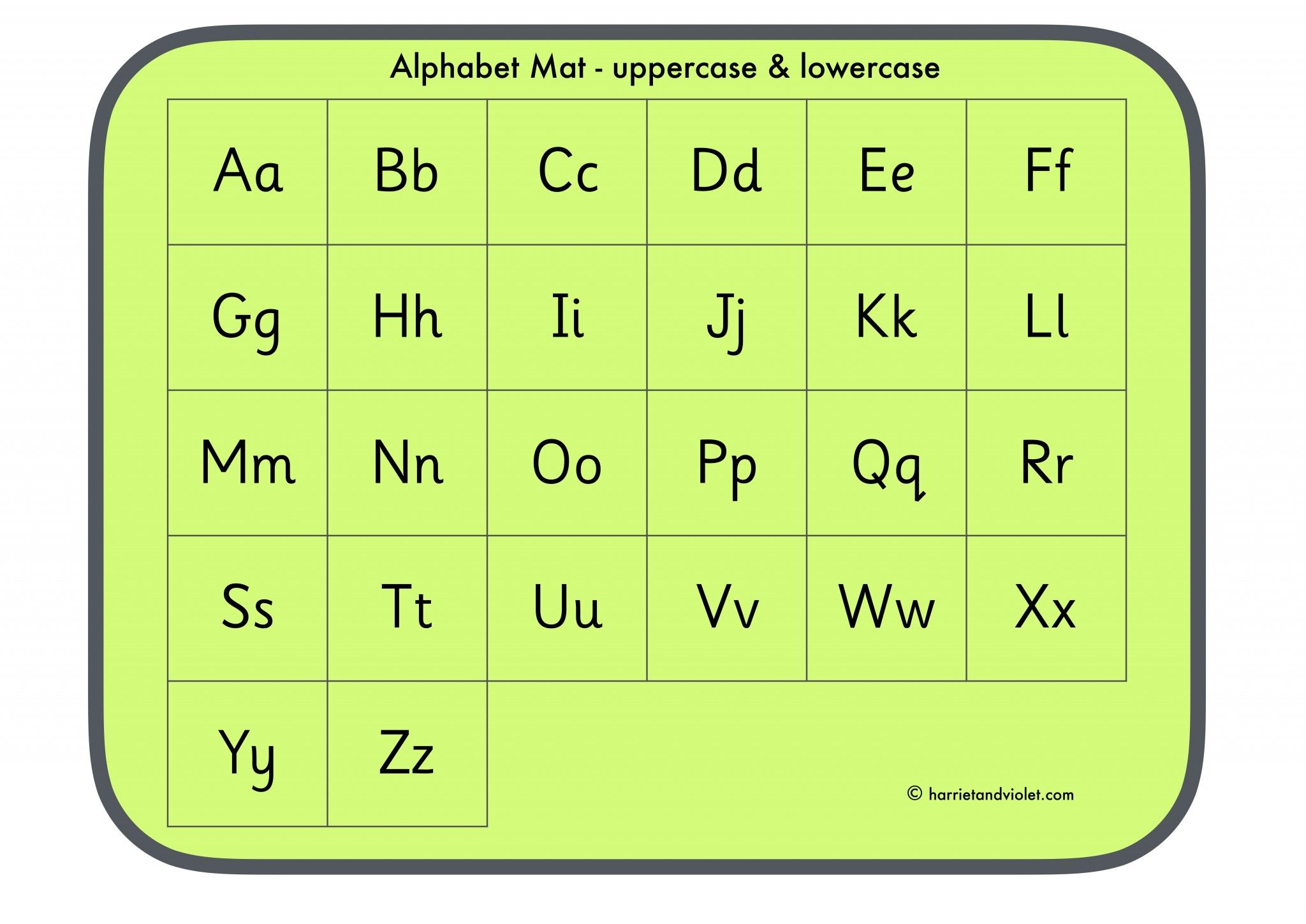
One of the primary uses of Printable Alphabet Letters Capital And Lowercase is for letter recognition. Begin by printing out a set of letters in both formats. You can create flashcards by cutting them out and laminating them for durability. Here are a few activities to consider:
- Flashcard Matching: Place capital letters on one side of the table and lowercase letters on the other. Ask students to find the matching pairs.
- Letter Hunt: Hide letters around the classroom and have students search for them. Once found, they can place them in the correct order or match them with corresponding lowercase letters.
These activities help reinforce letter recognition in a fun and interactive way.
Phonics and Sound Practice
Using printable letters can also enhance phonics instruction. Pair each letter with a sound to help students associate letters with their phonetic sounds. Here’s how you can incorporate this:
- Sound Boards: Create a sound board with printable letters. As you say a sound, students can point to the corresponding letter. This reinforces letter-sound relationships.
- Word Building: Use the letters to form simple words. Start with CVC (consonant-vowel-consonant) words like “cat” and “dog”. Children can physically manipulate the letters to create words, enhancing their spelling and phonics skills.
Creative Writing Prompts
Printable alphabet letters can also spark creativity in young writers. Here’s a straightforward approach to integrate them into writing activities:
- Story Starters: Provide students with a few capital letters to start a sentence. For example, give them “D” and ask them to write a sentence that begins with “D”. This can lead to fun discussions and imaginative storytelling.
- Alphabet Books: Assign each student a letter. They can draw pictures and write words that start with their assigned letter. Once completed, compile these into a class alphabet book.
This method not only develops writing skills but also allows students to express their creativity.
Incorporating Alphabet Letters at Home
Printable alphabet letters are not just for the classroom; they can be incredibly beneficial in a home setting as well. Here are some ideas for parents looking to reinforce their child’s learning at home:
Daily Letter Activities
Introduce a “Letter of the Day” routine. Each day, focus on a specific letter. Use printable letters to engage your child in various activities, such as:
- Art Projects: Encourage your child to create art that starts with the letter of the day. For instance, if the letter is “B”, they could create a collage of items that start with “B” (like a bunny and a ball).
- Cooking Together: Choose recipes that start with the letter of the day. If it’s “C”, try making cookies or cupcakes.
These activities not only reinforce learning but also create memorable experiences.
Interactive Learning With Crafts
Utilizing printable alphabet letters for crafts can make learning enjoyable. Here are a couple of craft ideas:
- Alphabet Banners: Have your child color and decorate printable letters to create a festive banner. Hang it in their room or play area as a constant reminder of their learning.
- Letter Puppets: Create puppets using the letters. Children can use these to act out stories or practice their phonics sounds, adding a playful element to their learning.
Tips for Effective Use of Printable Alphabet Letters
To maximize the benefits of Printable Alphabet Letters Capital And Lowercase, consider these practical tips:
- Choose the Right Material: If you’re using these letters frequently, print them on cardstock for durability. They’ll last longer, especially with younger children who may be rougher with materials.
- Visual Appeal: Use colorful designs to make the letters more engaging. Bright colors can capture children’s attention and make learning more enjoyable.
- Laminating for Longevity: Laminating letters will protect them from wear and tear, especially if you plan to reuse them. It also allows you to write on them with dry-erase markers for various activities.