
The resource provides a clear and engaging way for children to learn their letters through easy-to-print worksheets. You can Print Out Of The Alphabet in a variety of formats, which can be used in classrooms, homeschool settings, or even at home for supplementary learning. guide you through the different styles and uses of alphabet printouts, helping you track progress and make learning fun.
Overview of Alphabet Printouts
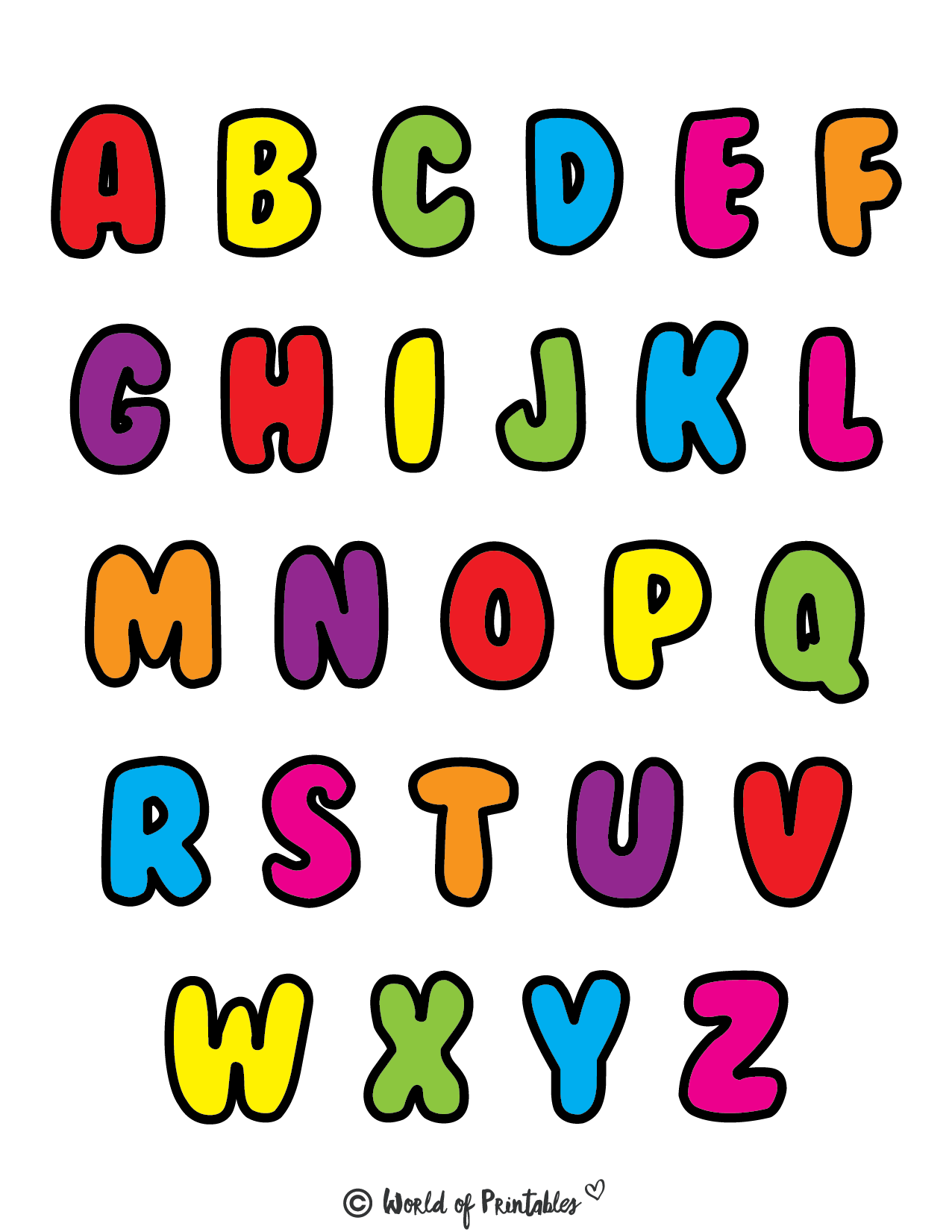
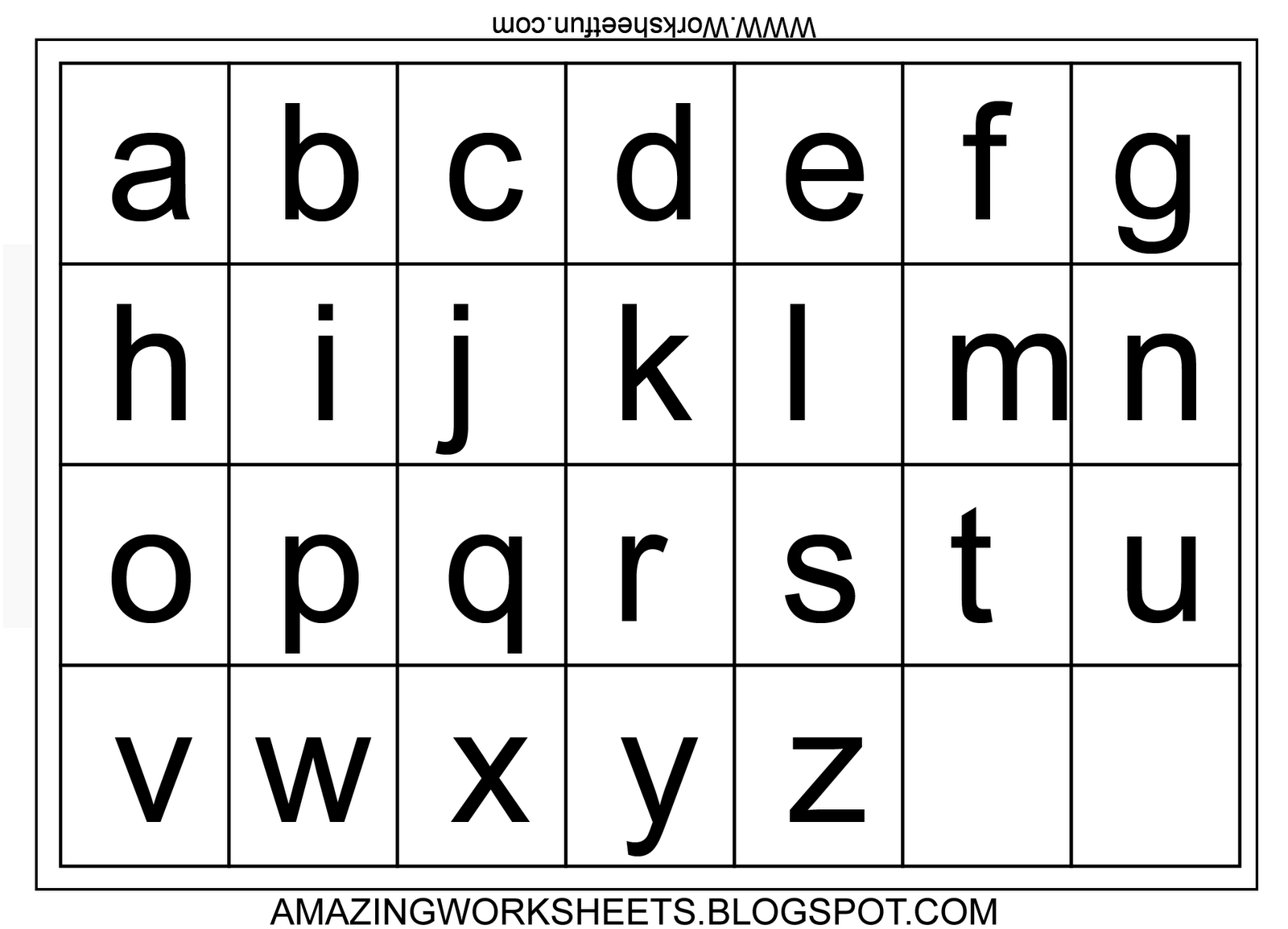
Alphabet printouts are essential tools in early childhood education. They are typically designed in various formats, including worksheets, coloring pages, and flashcards, to cater to different learning styles and objectives. These resources often feature both uppercase and lowercase letters, providing a comprehensive approach to letter recognition.
The printouts can vary in size, with a common format being letter-sized (8.5 x 11 inches) or A4, making them easy to print on standard home and classroom printers. You might also find some alphabet sheets designed for larger formats, which are great for wall displays or group activities.
Types of Printable Alphabet Resources
When considering how to Print Out Of The Alphabet, there are several formats to choose from, each with its unique advantages:
Worksheets
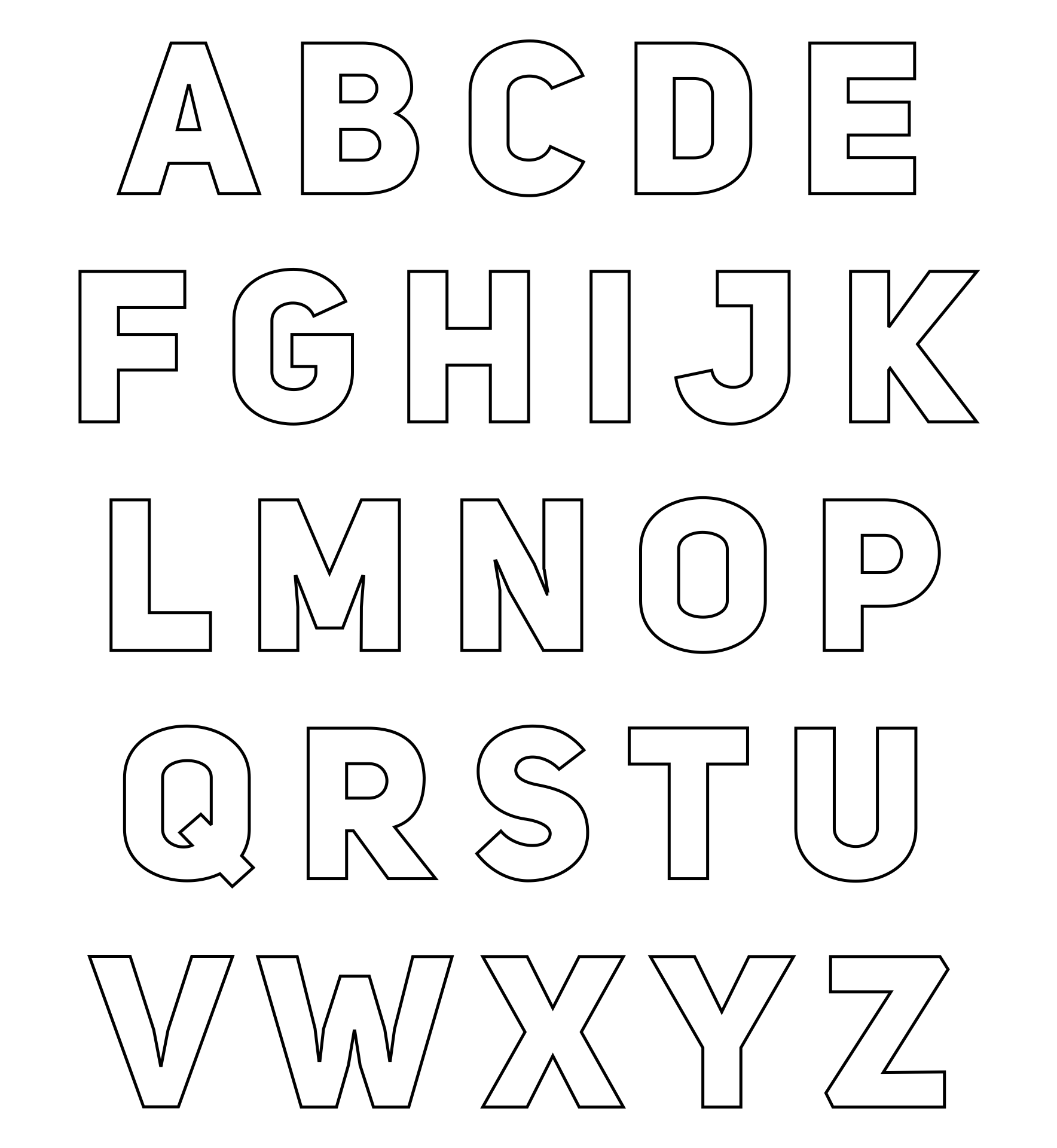
Worksheets are a staple in early education. They typically include exercises that require students to fill in missing letters, trace letters, or match letters with corresponding images. This hands-on approach allows children to practice their writing skills while reinforcing letter recognition.
Coloring Pages
Coloring pages featuring letters can be a fun way to engage younger learners. These printouts often incorporate images that begin with the letter, allowing children to associate the letter with a word. For example, a coloring page for the letter “A” might include an apple or an alligator, making the activity both educational and entertaining.
Flashcards
Flashcards are excellent for quick recognition and memorization. You can Print Out Of The Alphabet flashcards to help children learn to identify letters and sounds. They are particularly useful for interactive games, such as matching letters to objects or playing memory games.
Bulletin Board Letters
If you’re looking to create a visually appealing learning environment, consider printing out large letters for bulletin boards. These can be used to spell out words, display classroom rules, or highlight themes. Using bright colors and fun fonts can make the display more engaging for children.
Practical Tips for Using Alphabet Printouts
To enhance the effectiveness of your alphabet printouts, consider the following practical tips:
- Use Quality Paper: For worksheets and flashcards, using cardstock can increase durability, especially if the resources will be used multiple times. If you’re making a bulletin board display, consider laminating the letters to protect them from wear and tear.
- Incorporate Multi-Sensory Activities: Pair your printouts with activities that involve different senses. For example, when using worksheets, you might include sandpaper letters for tactile learning or have children form letters with play dough.
- Track Progress: Create a simple tracking sheet to monitor each child’s progress with letter recognition. You can note which letters they master quickly and which ones may need additional practice.
- Engage Parents: Send alphabet printouts home with students to encourage practice outside of school. Providing parents with guidance on how to use these resources effectively can lead to better outcomes.
Age Appropriateness and Learning Levels
The resources available for printing the alphabet can be tailored to different age groups and learning levels. Here’s a breakdown of what might work best for various stages:
- Preschool (Ages 3-4): Focus on simple coloring pages and basic worksheets that introduce letters through visual recognition. Activities should be short and engaging to hold their attention.
- Kindergarten (Ages 5-6): Worksheets that include tracing and matching exercises are beneficial at this stage. Flashcards can also be introduced for letter sound recognition.
- Early Elementary (Ages 6-8): At this level, you can incorporate more complex worksheets that require writing and comprehension skills. Activities might include short sentences or stories that use the target letters.
Customization and Personalization
One of the best aspects of alphabet printouts is the ability to customize them to fit your classroom needs. You can create personalized worksheets that include a child’s name or interests, making the learning process more relevant and engaging.
For example, if a child loves dinosaurs, you can create a worksheet featuring the letter “D” with dinosaur illustrations. Such personalization not only makes learning fun but also helps children connect letters to their world, reinforcing their understanding.
Final Considerations
When you Print Out Of The Alphabet, consider the layout and design of your resources. Portrait orientation is typically more printer-friendly for worksheets, while landscape orientation may work better for bulletin board letters. Additionally, ensure that the font used is clear and easy to read, especially for emerging readers.
Finally, keep in mind that versatility is key. Having a variety of printouts allows you to cater to different learning styles and preferences, making your teaching more effective. Remember, the goal is to create an engaging and supportive learning environment where children can thrive and develop their literacy skills.
The most effective printouts often include a mix of visuals and activities that promote active participation, ensuring that learning the alphabet remains a fun and exciting journey for every child.