
Getting preschoolers excited about learning the alphabet is essential for their early literacy development. Preschool Worksheets-Learning The Alphabet provide a structured and fun way to introduce children to letters and sounds while reinforcing their recognition skills. These worksheets serve as valuable resources for teachers and parents alike, allowing for easy integration into both classroom and home settings.
Understanding the Importance of Alphabet Recognition
Alphabet recognition is one of the foundational skills children need to master before they can progress to reading and writing. It involves the ability to identify and name letters, which is crucial for phonemic awareness—the understanding that letters correspond to specific sounds. Young learners typically begin this journey around ages 3 to 5, making this an ideal time to introduce tailored worksheets that engage their curiosity and creativity.
When using Preschool Worksheets-Learning The Alphabet, it’s essential to keep the activities age-appropriate and varied. Worksheets can include activities such as tracing letters, matching uppercase and lowercase letters, and identifying letters in words. Each of these tasks encourages fine motor skills development while reinforcing the connection between letters and sounds.
Types of Worksheets for Alphabet Learning
When selecting worksheets, consider the various types that can cater to different learning styles and preferences:
Tracing Worksheets
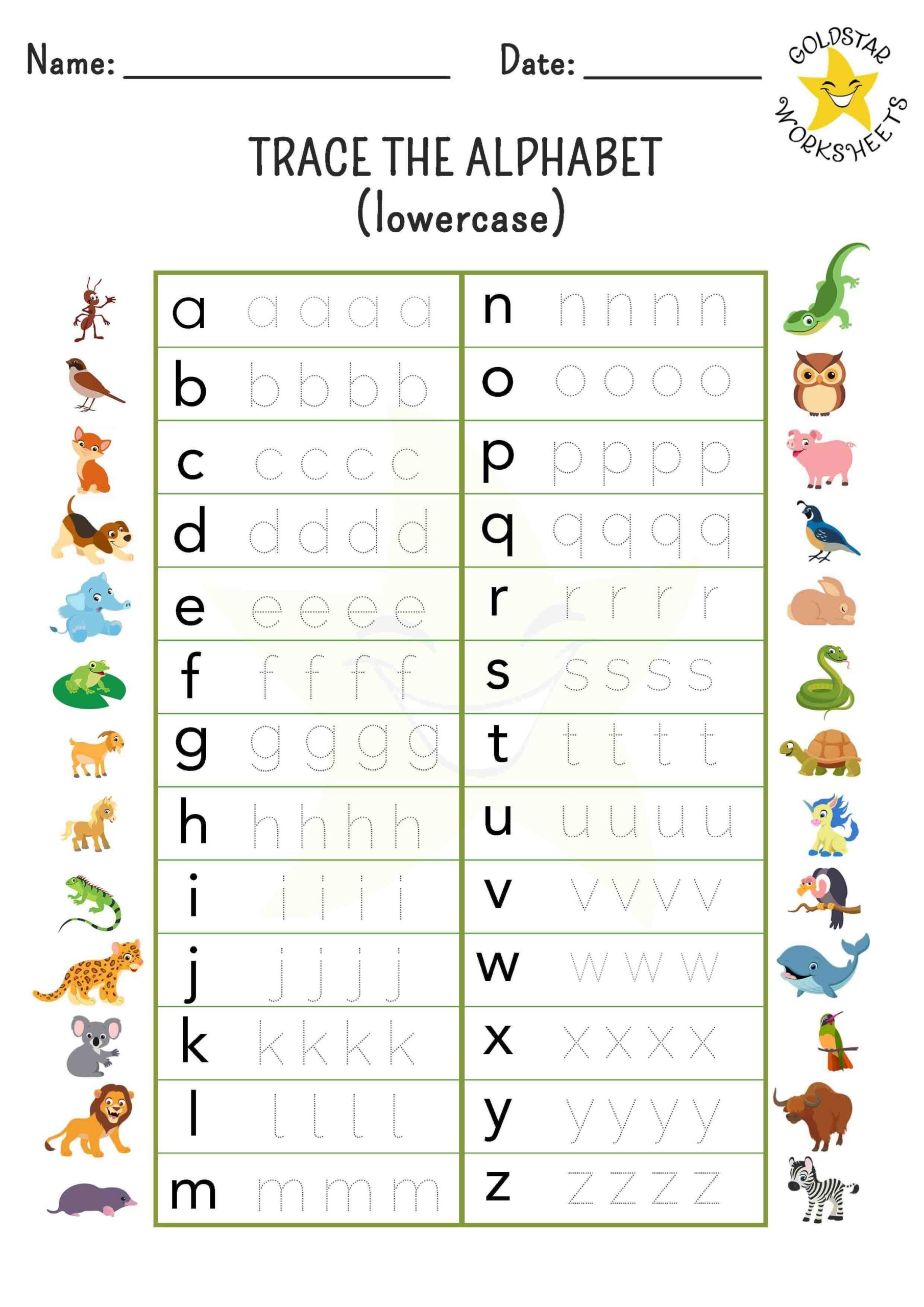
Tracing worksheets are excellent for practicing handwriting skills while reinforcing letter recognition. Children can trace both uppercase and lowercase letters, which helps improve their motor control. You might want to use a heavy paper for printing these sheets, as it stands up well to repeated use and can be laminated for long-term use.
Coloring Worksheets
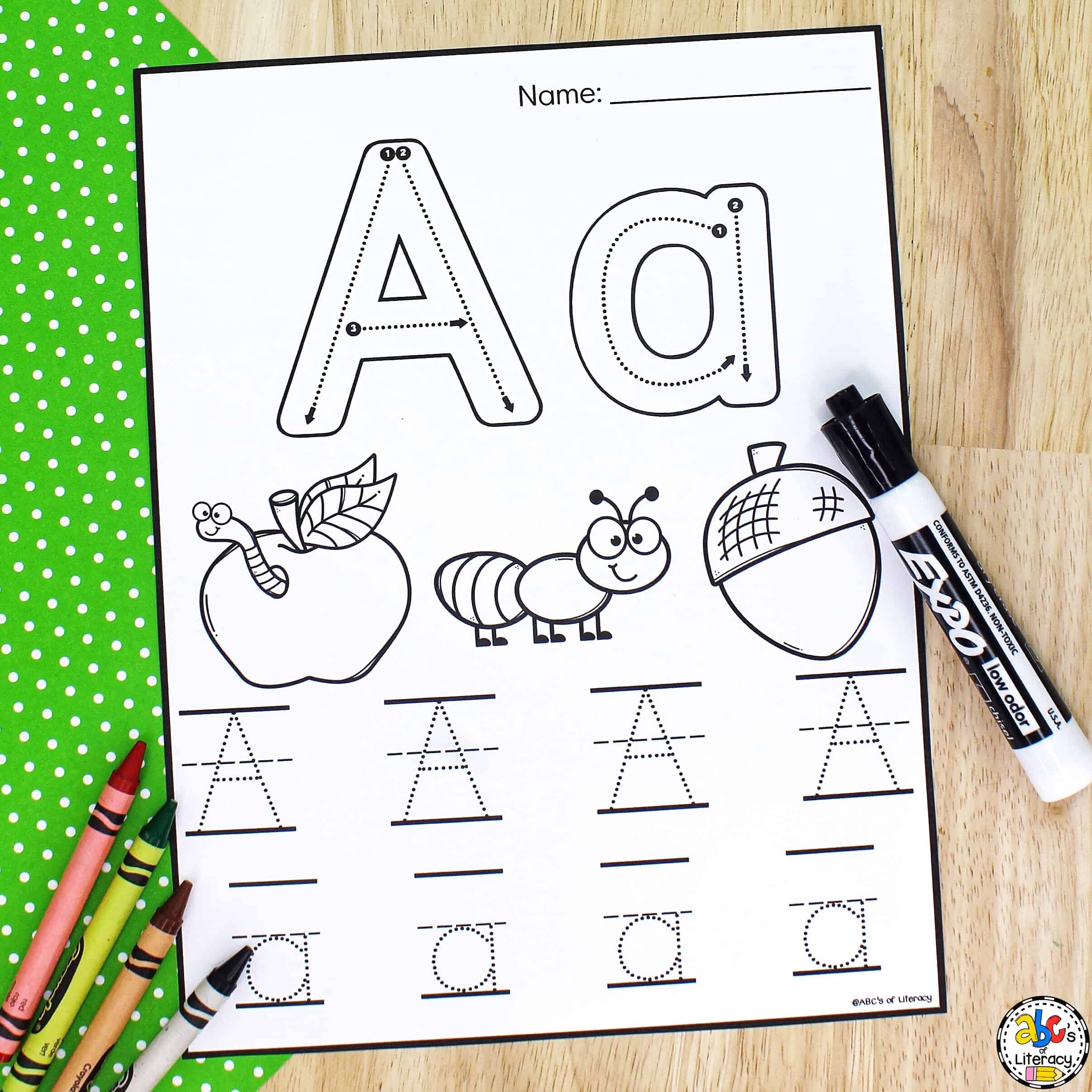
Coloring worksheets not only make learning enjoyable but also allow for creativity. Incorporating images that start with each letter can enhance vocabulary. For example, an ‘A’ worksheet might feature an apple, encouraging children to color the apple while saying the letter and its sound out loud.
Matching Worksheets
Matching worksheets can help children connect uppercase letters with their lowercase counterparts. This activity can be done with simple cut-out cards that children can manipulate, fostering hands-on learning. Consider using cardstock for durability, especially if you plan to laminate the cards for repeated use.
Letter Sounds Worksheets
Worksheets that focus on letter sounds are crucial for developing phonemic awareness. Activities could include filling in the blank for words that start with a specific letter, helping children associate letters with their sounds. This type of worksheet can be printed in portrait layout, which tends to fit better on most home printers.
Incorporating Worksheets Into Daily Learning
Integrating these worksheets into your daily routine can make a significant difference in a child’s learning experience. Here are several practical strategies:
Establish a Routine
Set aside a specific time each day for alphabet practice. Consistency helps children anticipate and get excited about learning. This could be a 15-minute session after snack time or part of the morning circle in a classroom setting.
Use a Reward System
Motivation can be enhanced with a simple reward system. Stickers or small rewards for completing worksheets can encourage children to engage more with the material. You could create a chart to track their progress, which also helps them visualize their achievements.
Encourage Parental Involvement
For parents, suggesting that they participate in their child’s learning can make a big difference. Provide them with tips on how they can use the worksheets at home. For example, parents can read the words associated with each letter out loud as their child colors or traces.
Monitor Progress
Tracking a child’s progress is essential to understanding their mastery of the alphabet. After completing a worksheet, take a moment to discuss what they learned. Ask questions about the letters and sounds to gauge their understanding. If you notice consistent mistakes, consider revisiting those specific letters with additional practice worksheets.
Adapting Worksheets for Different Learning Styles
Every child learns differently, and adapting worksheets to meet those individual needs can enhance the learning experience. Here are some ways to do this:
Visual Learners
For visual learners, incorporating bright colors and engaging illustrations can make a significant impact. You might want to include images that are recognizable and relevant to children’s everyday lives, making the learning experience relatable.
Kinesthetic Learners
For children who learn best through movement, consider turning some of the worksheet activities into games. For example, create a scavenger hunt where children find objects around the classroom or home that start with a specific letter, connecting the physical act of searching with learning.
Auditory Learners
Incorporate songs and rhymes related to the alphabet that can be sung or recited alongside the worksheets. This can help reinforce learning by combining auditory and visual elements, allowing children to engage with the content in multiple ways.
Ensuring Accessibility for All Students
When creating or selecting worksheets, it’s crucial to ensure that they are accessible to all learners, including those with special needs. Here are a few considerations:
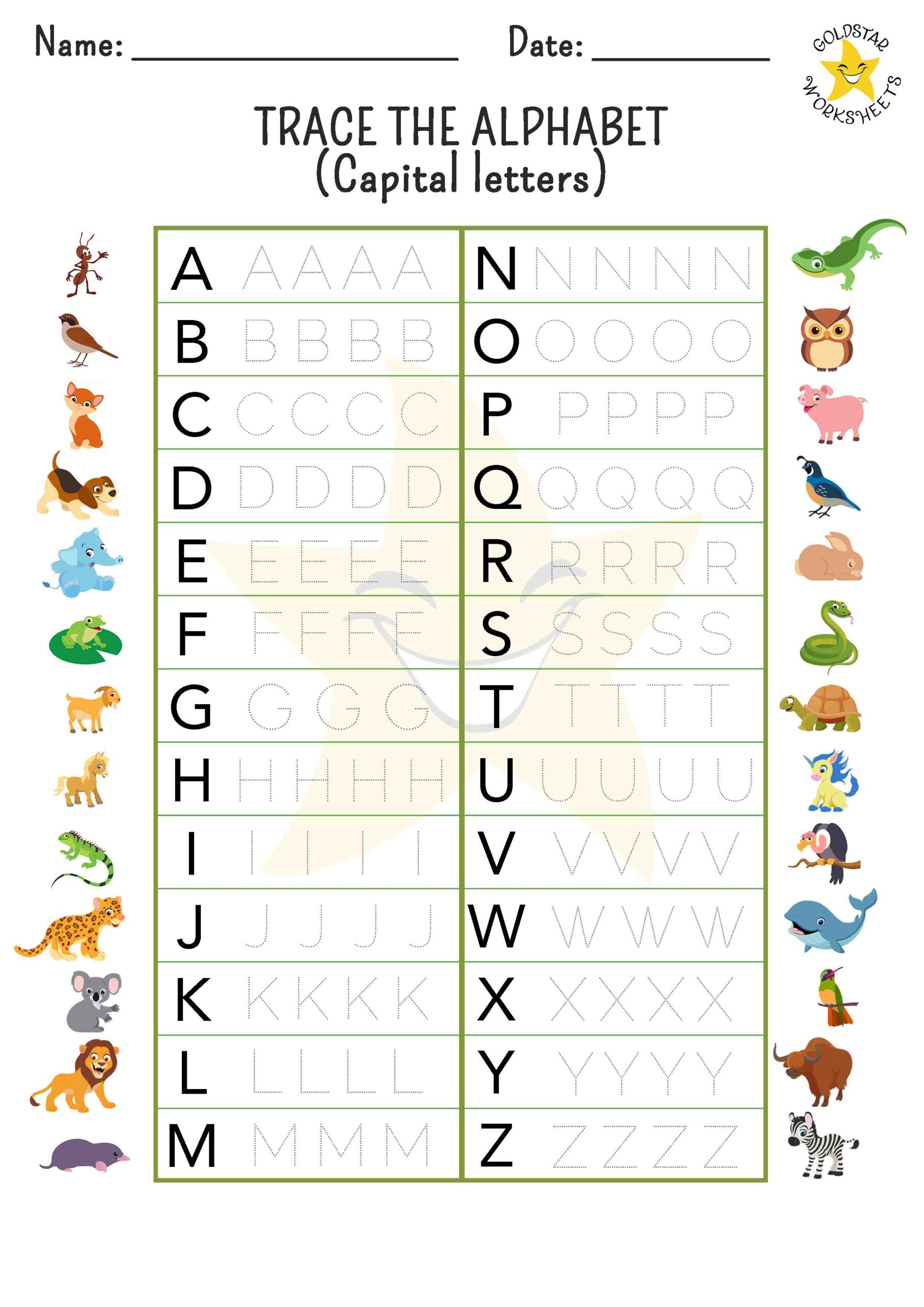
- Adjust Font Size: Use larger fonts for easier reading and tracing.
- Simplify Instructions: Clear, concise instructions can help all learners understand the tasks at hand.
- Incorporate Multi-Sensory Activities: Use tactile materials like sandpaper letters or textured worksheets for children who benefit from hands-on learning.
By being mindful of these factors, you can create a more inclusive learning environment that supports every child’s growth.