
Teaching preschoolers the alphabet is a foundational step in literacy development, and using effective tools like Preschool Alphabet Worksheets With Sentences can enhance this learning experience. These worksheets not only help children recognize letters but also improve their ability to form and understand simple sentences. Here’s how you can effectively utilize these resources in your classroom or home setting.
Understanding the Importance of Alphabet Worksheets
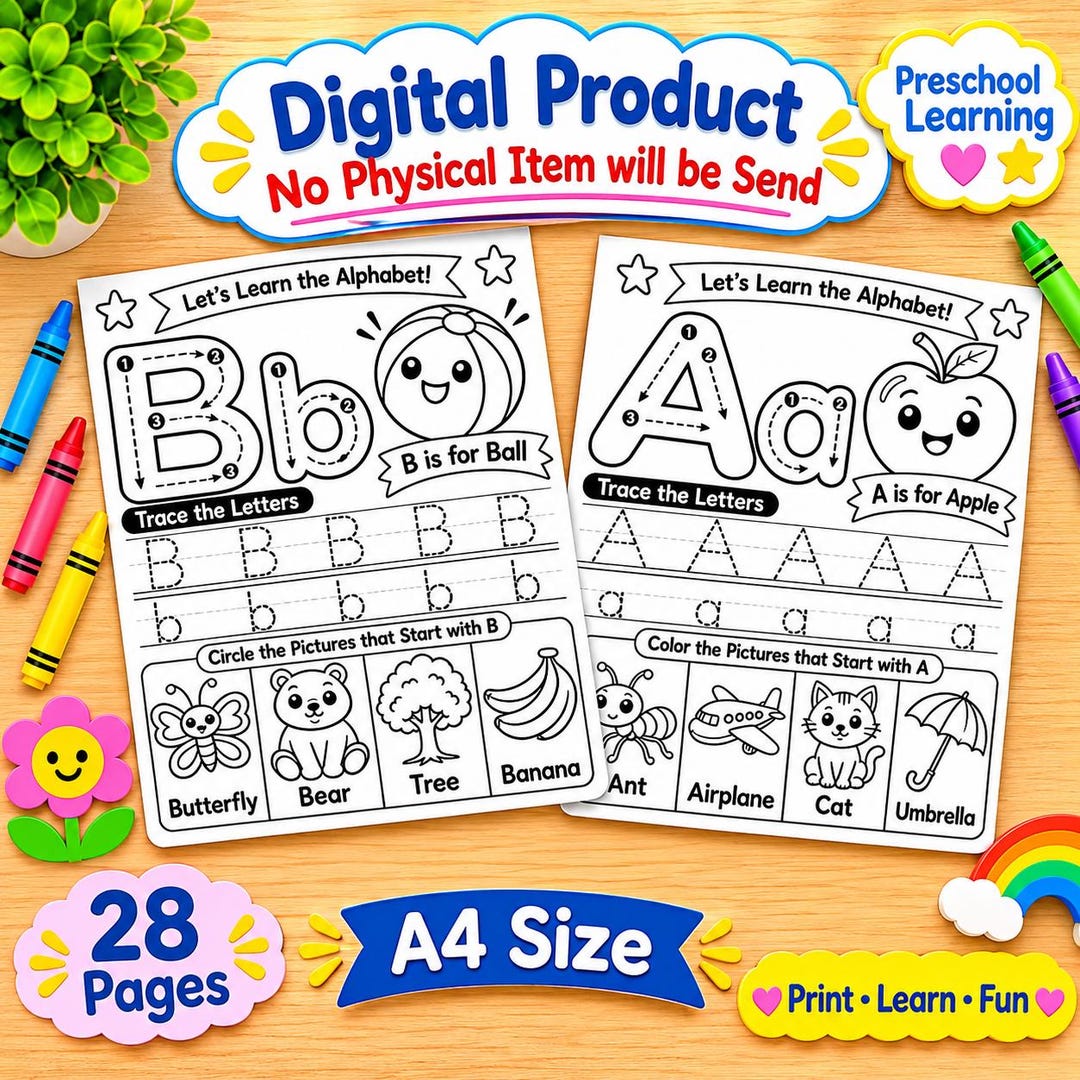
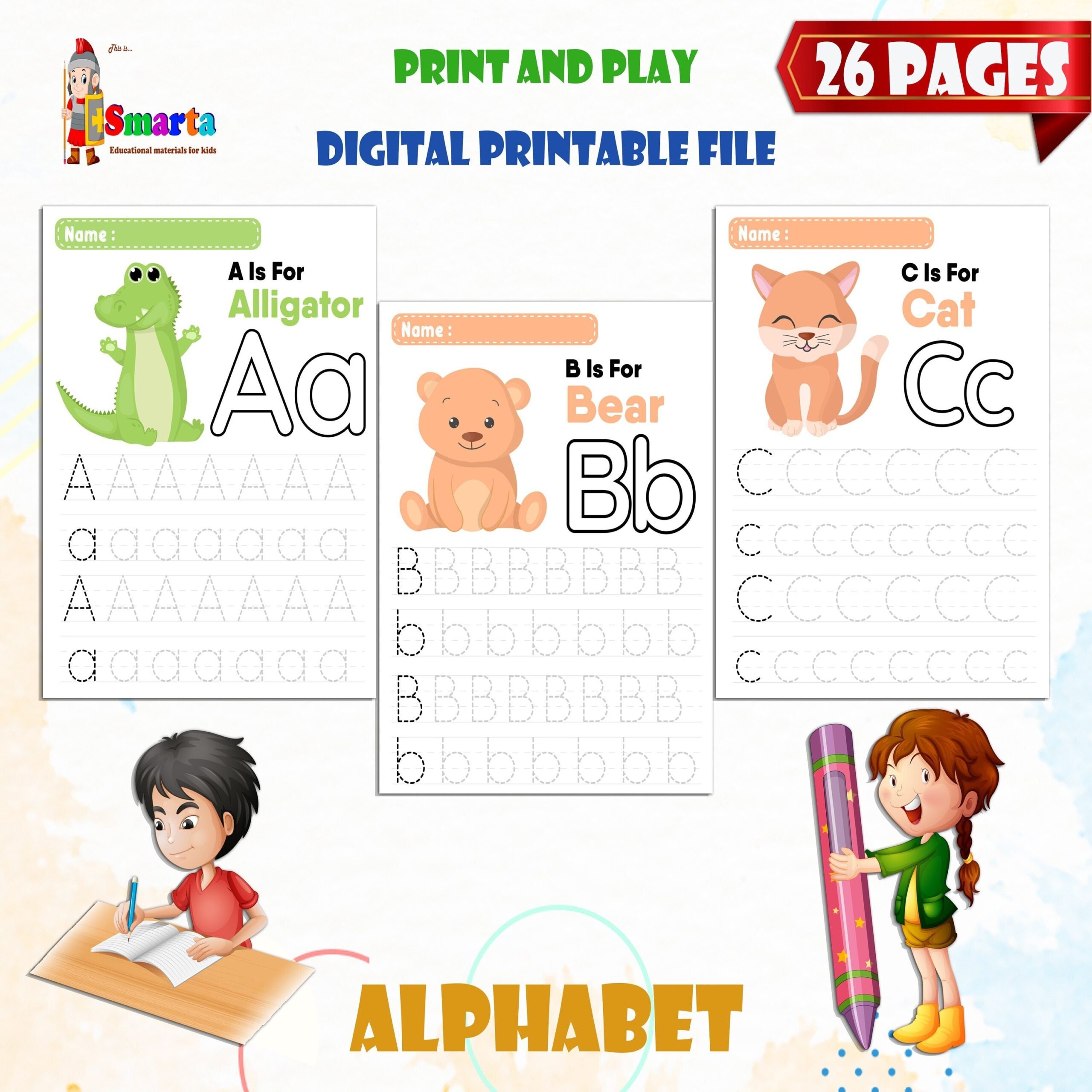
Alphabet worksheets serve as a bridge between letter recognition and sentence formation. For preschoolers, mastering the alphabet is essential for future reading and writing skills. Worksheets that incorporate sentences provide context, allowing children to see how letters function in words and phrases.
When children practice writing letters alongside words, they begin to understand the relationship between sounds and letters. This is particularly beneficial for young learners who often grasp concepts better through visual and hands-on activities.
How to Implement Preschool Alphabet Worksheets With Sentences
Using these worksheets effectively requires a thoughtful approach. Here’s a step-by-step guide to help you integrate them into your curriculum or home learning routine.
- Choose the Right Worksheets: Look for worksheets that feature both uppercase and lowercase letters, along with simple sentences. Ensure that the sentences are age-appropriate, containing familiar vocabulary that resonates with preschoolers.
- Create a Schedule: Regular practice is key. Set aside time each week dedicated to working on these worksheets. Consistency helps reinforce learning. A good approach might be to dedicate 15-20 minutes a day, two to three times a week.
- Engage with the Content: As children work through the worksheets, engage them in conversation about the words and sentences. Ask questions like, “What does this sentence mean?” or “Can you think of another word that starts with this letter?” This encourages comprehension and critical thinking.
- Track Progress: Keep track of each child’s progress. Note which letters or sentences they struggle with. This can guide your future lessons and help you provide targeted support where needed. You might consider using a simple checklist to note their mastery of each letter and corresponding sentence.
Activities to Complement the Worksheets
To reinforce learning, consider adding various activities that align with the worksheets. Here are a few ideas:
- Letter Hunts: After working on a worksheet, go on a letter hunt around the classroom or home. Ask children to find objects that start with the letter they just practiced.
- Sentence Creation: Encourage children to create their own sentences using words that start with the letter of the week. This fosters creativity and strengthens their understanding of sentence structure.
- Story Time: Read books that focus on the alphabet or specific letters. After reading, discuss the sentences and ask children to identify the letters they’ve learned.
Evaluating Mastery of Skills
As you work with Preschool Alphabet Worksheets With Sentences, it’s important to evaluate when a child has mastered a concept. Here’s what to look for:
- Letter Recognition: Children should be able to identify both uppercase and lowercase letters reliably. Check if they can point to letters when named or write them without prompts.
- Sentence Formation: A child should be able to read simple sentences aloud and explain their meaning. Look for their ability to connect the letters they’ve practiced to the words in the sentences.
- Writing Skills: Assess their writing of letters and sentences. Are they forming them correctly? Are they using proper spacing? These are indicators of their developing fine motor skills and understanding of writing conventions.
Adapting Worksheets for Different Learning Styles
Every child learns differently. To cater to various learning styles, consider adapting your approach:
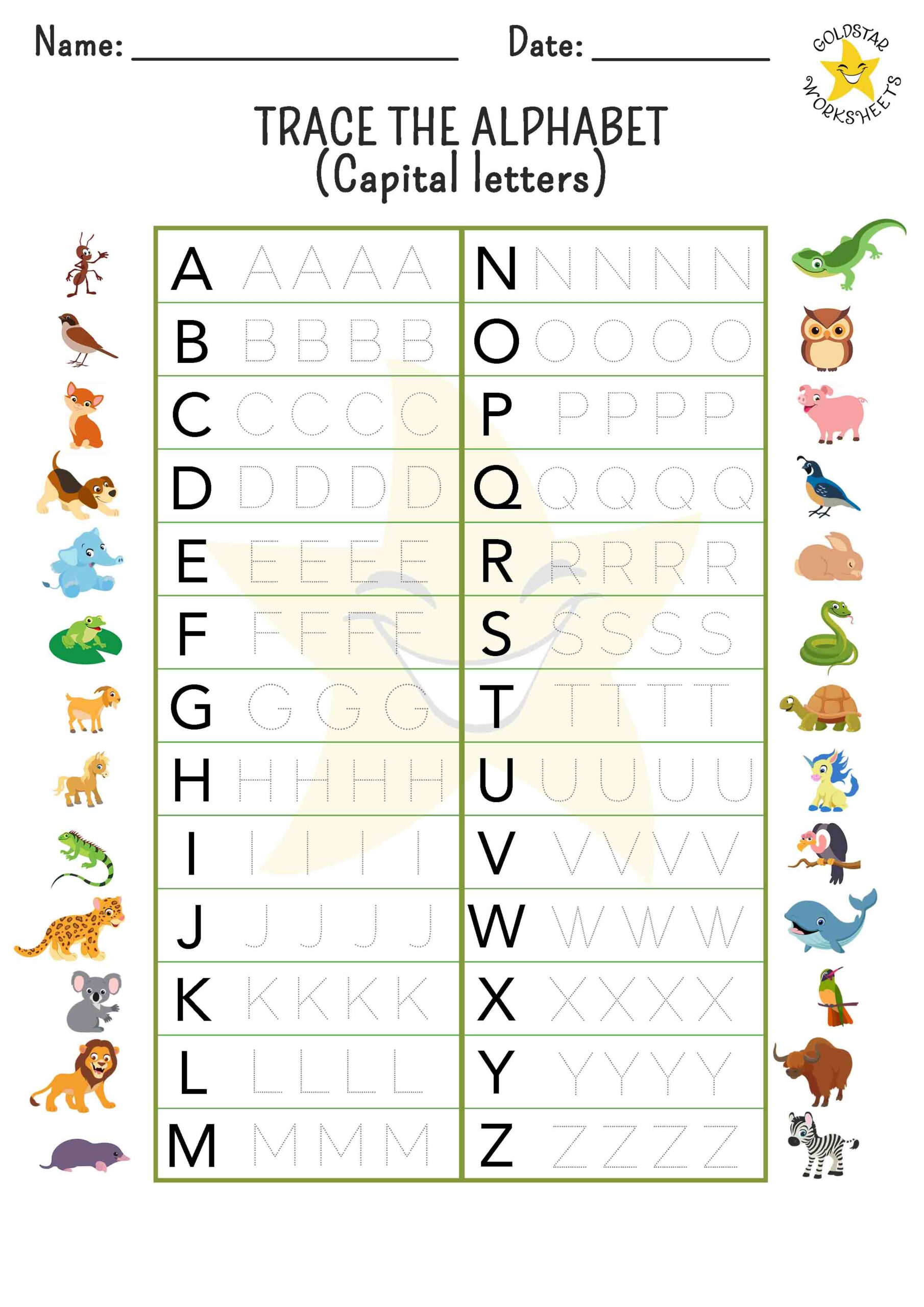
- Visual Learners: Use colorful worksheets with images that correspond to the sentences. This helps visual learners connect the dots between letters, words, and their meanings.
- Kinesthetic Learners: Incorporate movement by asking children to act out sentences or use letter blocks to form words before writing them down.
- Auditory Learners: Read sentences aloud and encourage children to repeat them. This reinforces learning through auditory processing.
Tips for Effective Use of Worksheets
To make the most out of your Preschool Alphabet Worksheets With Sentences, consider these practical tips:
- Print Quality: Use a good quality printer and thick paper to ensure durability, especially if the worksheets will be used multiple times. Cardstock is a great choice if you plan to laminate them for repeated use.
- Lamination: If you want to reuse worksheets, laminate them. This allows children to write with dry-erase markers, making cleanup easy and extending the life of your resources.
- Feedback: Provide positive feedback as children complete their worksheets. Celebrate their progress to boost their confidence and motivation.
Using Preschool Alphabet Worksheets With Sentences can be a remarkably effective way to engage young learners. By integrating these resources thoughtfully into your teaching, you can help children build a solid foundation in literacy while making learning enjoyable and interactive. To get started, print a few worksheets today and watch your students thrive in their alphabet adventures.