
Teaching pre-literacy skills, especially in an ESL (English as a Second Language) context, can be both rewarding and challenging. The Pre Literacy ESL Worksheets Alphabet stand out from other resources by providing focused activities that promote letter recognition and phonetic understanding in a structured, engaging format. This approach not only aids in the learning process but also makes it enjoyable for young learners.
Understanding the Layout of Pre Literacy ESL Worksheets
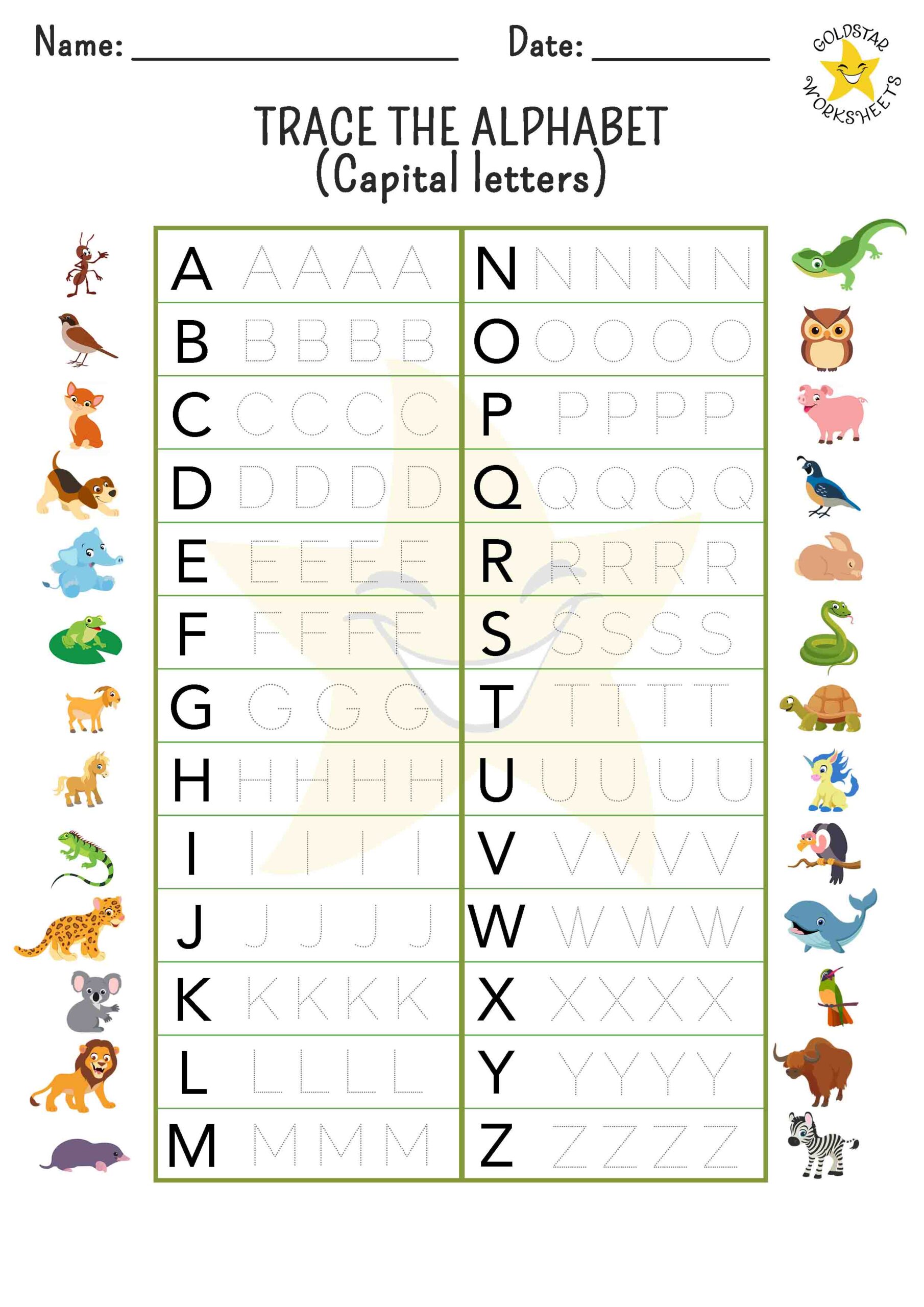
The layout of these worksheets is crucial for effective teaching. Each worksheet typically features a clear and colorful design that attracts students’ attention. You’ll find sections dedicated to each letter of the alphabet, allowing for focused learning sessions.
The worksheets often include the following elements:
- Large Print Letters: Each letter is represented in both uppercase and lowercase formats. This helps students recognize and differentiate between the two forms.
- Illustrative Examples: Images or illustrations accompany each letter, providing context and aiding memory retention. For instance, the letter ‘A’ might be paired with an apple, reinforcing the sound and shape of the letter.
- Interactive Activities: Many worksheets include tracing, coloring, or matching activities. This hands-on approach caters to different learning styles and keeps students engaged.
- Answer Keys: For teachers, having an answer key included with the worksheets simplifies grading and provides clear guidance on expected student responses.
Engaging Activities for Different Learning Styles
One of the standout features of the Pre Literacy ESL Worksheets Alphabet is their variety of activities tailored to different learning styles. Here’s how to use these worksheets effectively:
Tracing Letters
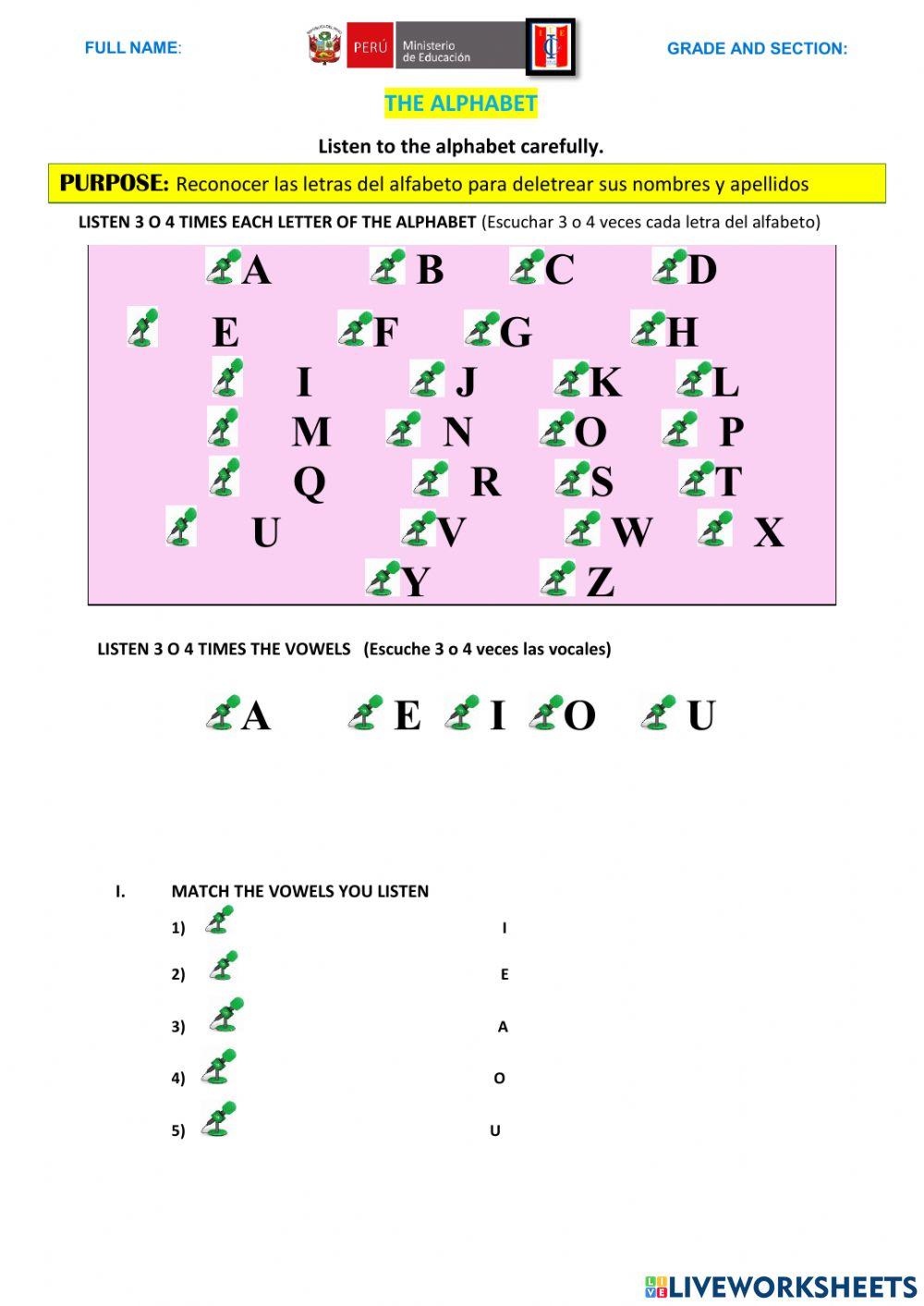
Tracing activities are excellent for developing fine motor skills. You can encourage students to trace both the uppercase and lowercase letters. This not only helps with letter formation but also reinforces letter recognition.
Coloring Activities
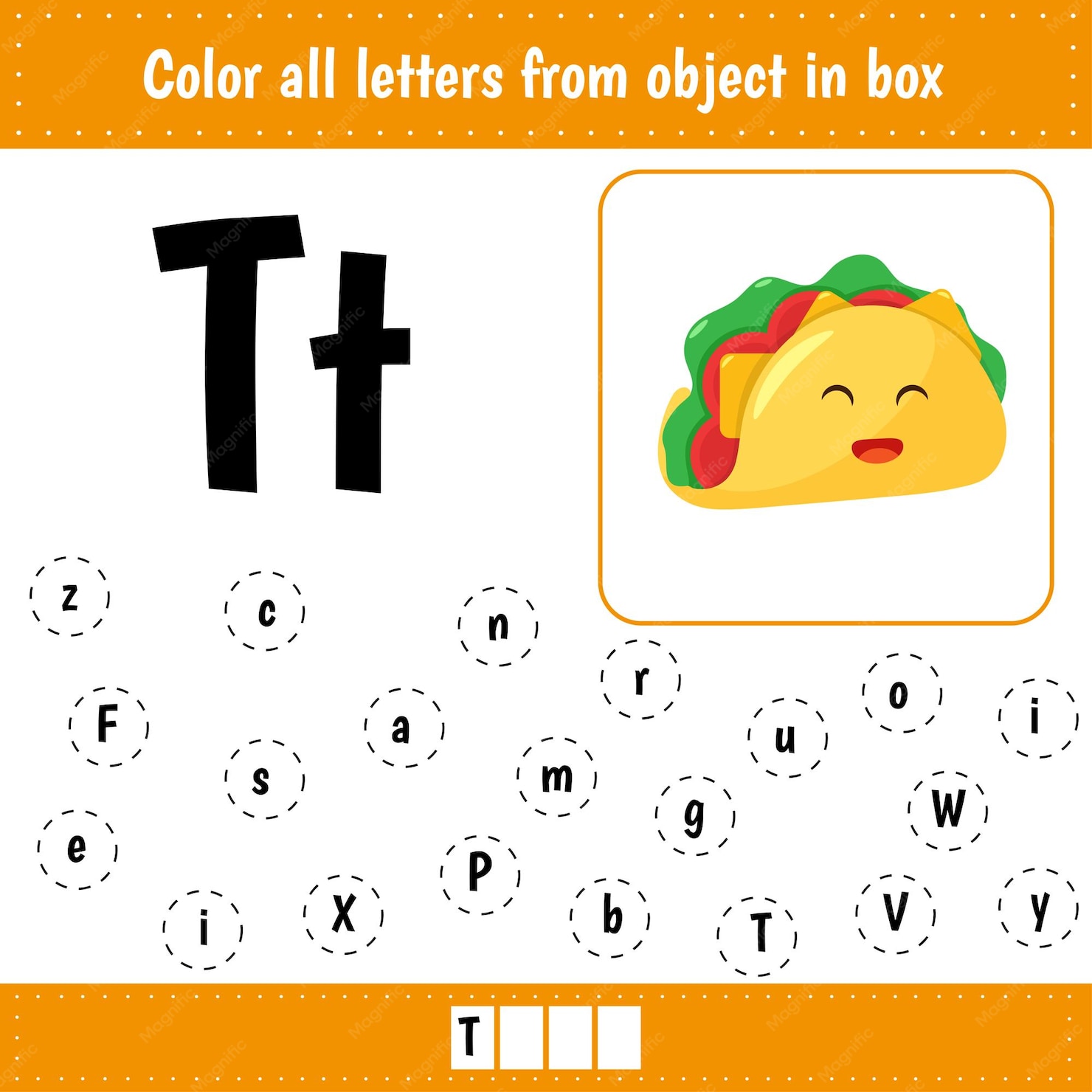
Coloring can be a powerful tool for engagement. Worksheets often incorporate coloring sections where students fill in pictures that start with a particular letter. This not only makes learning fun but also helps them associate letters with words.
Matching Games
Some worksheets include matching letters with corresponding images or words. This activity is particularly beneficial for kinesthetic learners who thrive on movement and interaction. You might consider having students cut out the images and match them to the correct letters on a separate sheet for added engagement.
Practical Classroom Logistics
When preparing to use the Pre Literacy ESL Worksheets Alphabet in a classroom setting, consider the following logistics for effective implementation:
- Printing in Bulk: If you have a large class, print enough copies for each student. Using standard A4 or letter-sized paper is generally best. Portrait orientation tends to work better for most classroom settings, making it easier for young learners to handle.
- Paper Quality: For durability, especially if students will use crayons or markers, consider printing on cardstock. This prevents tearing and allows for more robust use during activities.
- Review and Grading: Allow time for reviewing completed worksheets in class. This not only reinforces learning but also provides an opportunity for immediate feedback. You can quickly assess areas where students might be struggling.
Incorporating Worksheets Into Daily Lessons
Integrating the Pre Literacy ESL Worksheets Alphabet into your daily lesson plans can be seamless. Here’s how you can do it effectively:
- Start with a Letter of the Day: Introduce one letter each day, allowing students to focus their energy and attention on mastering that letter. Use the corresponding worksheet for activities.
- Combine with Songs and Rhymes: Use songs that highlight the alphabet to reinforce learning. Pairing auditory learning with the visual and kinesthetic activities on the worksheets creates a multi-sensory experience that caters to all students.
- Group Activities: Encourage collaboration by having students work in pairs or small groups on the worksheets. This promotes social interaction and allows students to learn from each other.
- Assessment: Use the worksheets as informal assessments. After students complete their worksheets, you can gauge their understanding and retention of the material.
- Parental Involvement: Send worksheets home for practice. This not only reinforces what students learn in class but also engages parents in their child’s education.
The Pre Literacy ESL Worksheets Alphabet are designed with the understanding that early literacy is foundational for future learning. By focusing on letter recognition and phonetic awareness through engaging activities, these worksheets cater to the needs of both teachers and students.
One useful tip that can enhance the use of these worksheets is to laminate them. This allows for repeated use, making them a sustainable resource for classrooms and homes alike.