
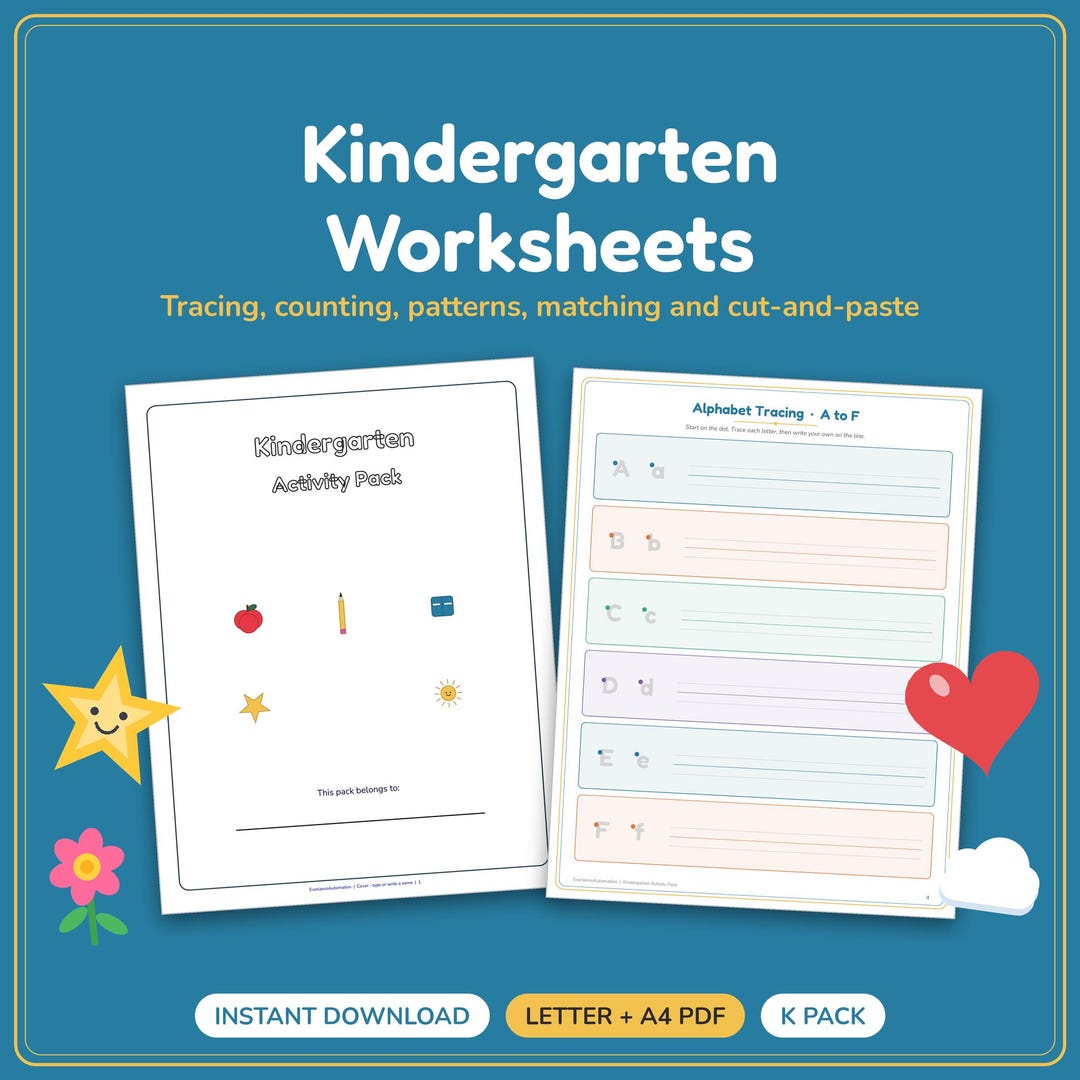
When it comes to teaching young children, especially in Pre-K, worksheets can be an invaluable resource. The Pre-K Worksheets Alphabet And Numbers are specifically designed to help children learn and reinforce their understanding of letters and numbers through engaging activities. Unlike generic worksheets, these are tailored to capture the interest of young learners while also providing practical ways for teachers and parents to observe their progress.
Understanding the Importance of Alphabet and Number Recognition
Recognizing letters and numbers is foundational for early literacy and numeracy. The Pre-K Worksheets Alphabet And Numbers help children develop essential skills by offering a variety of engaging activities. These worksheets are not just about rote memorization; they encourage children to connect letters and numbers with real-world objects, enhancing retention and understanding.
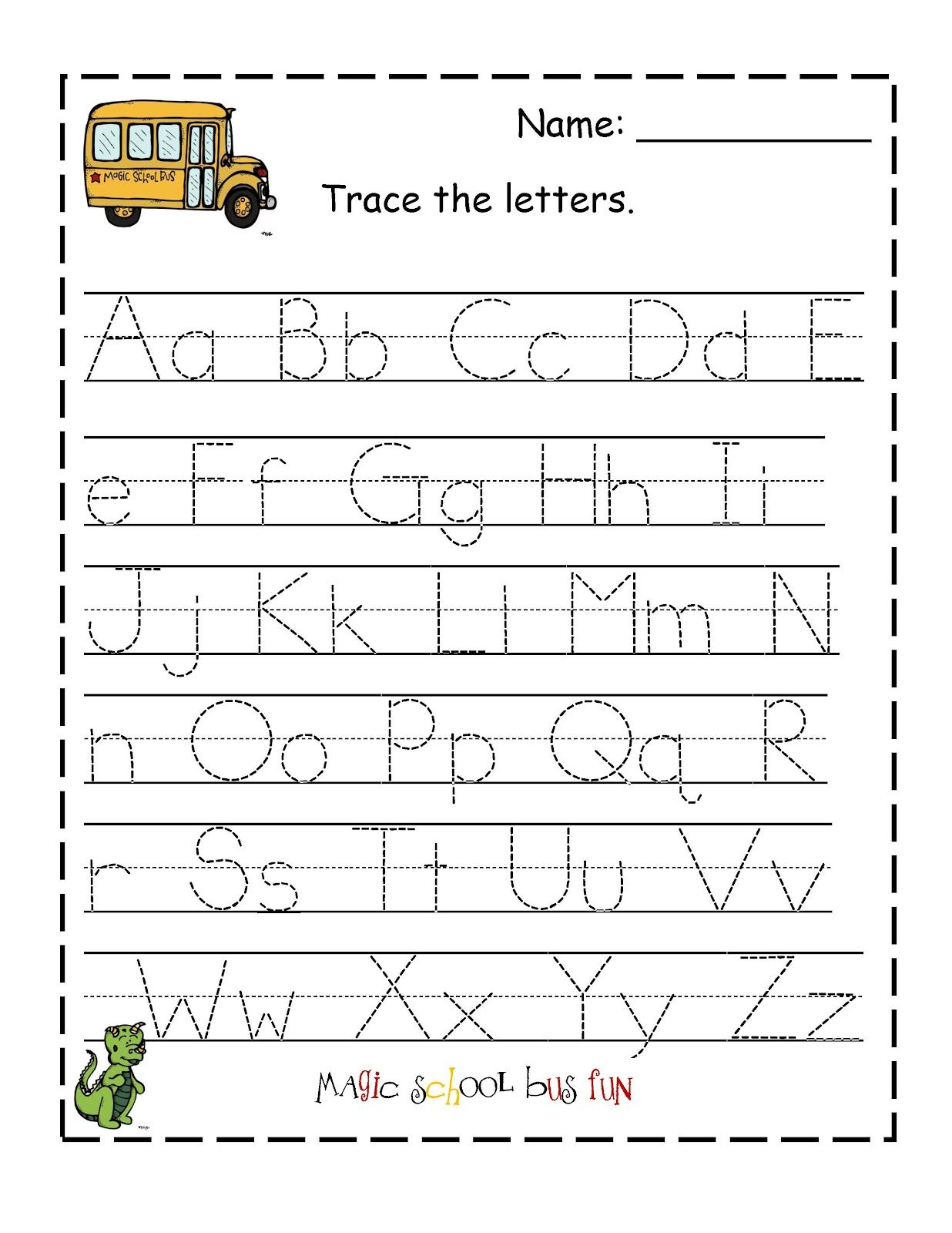
For example, a worksheet might include a section where children trace letters while also coloring pictures of objects that start with those letters. This multisensory approach makes learning more impactful and enjoyable.
Features of Effective Pre-K Worksheets
When selecting worksheets for your classroom or home, consider the following features:
- Visual Appeal: Bright colors and engaging illustrations capture children’s attention.
- Variety of Activities: Worksheets should offer different types of tasks, such as tracing, matching, and coloring. This variety keeps children engaged and caters to different learning styles.
- Progress Tracking: Worksheets that include a way to mark progress help teachers and parents see where a child excels and where they may need more practice.
- Age Appropriateness: Ensure that the content is suitable for Pre-K children, focusing on basic concepts without overwhelming them.
The layout of these worksheets is crucial. A clean, organized format helps children focus on the task without distractions.
Using the Worksheets in Different Settings
Classroom Use
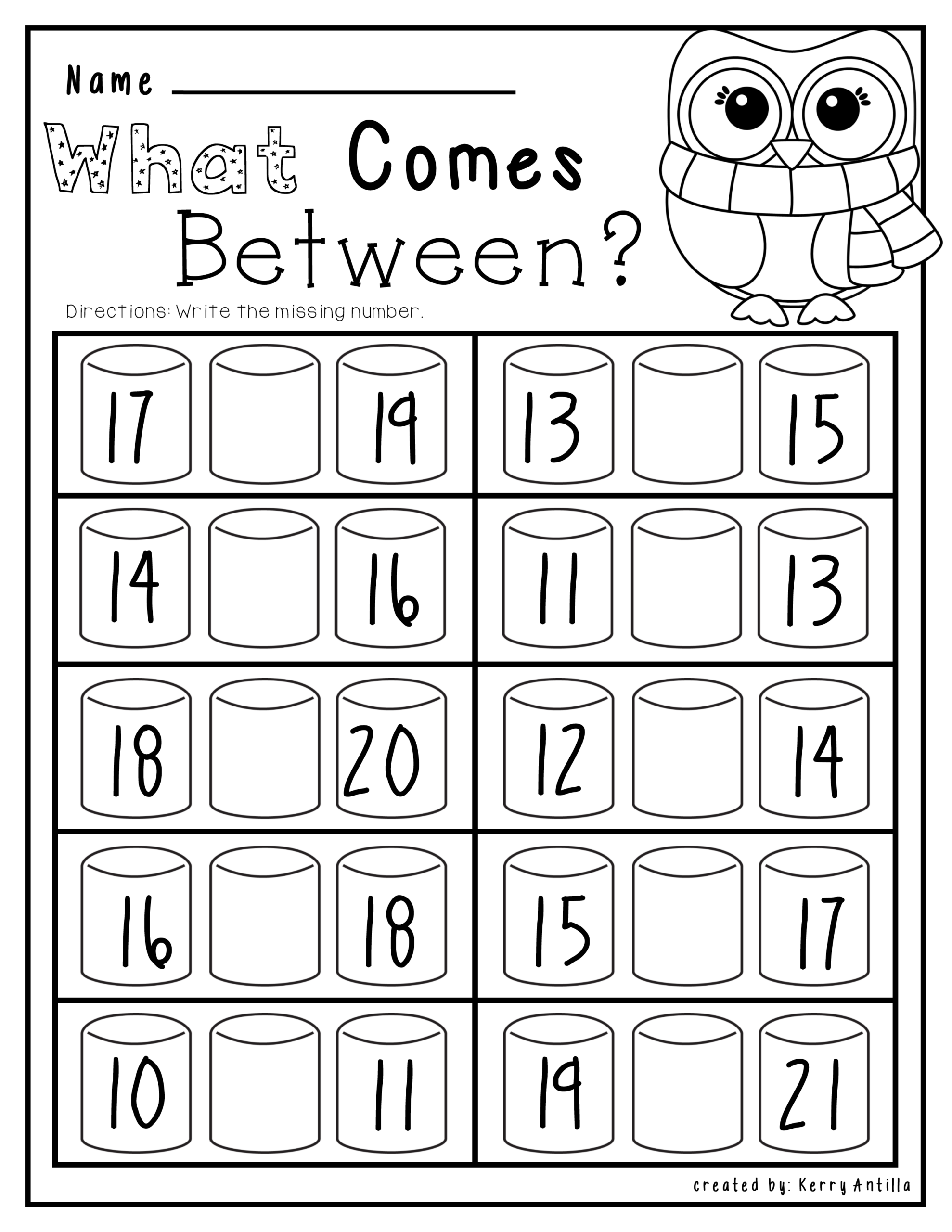
In a classroom setting, these worksheets can be used during independent work time or as part of learning centers. Teachers can set up stations where children rotate between different activities, using the worksheets to reinforce concepts taught in lessons.
For instance, one station might focus on letter recognition with a worksheet that asks children to circle all instances of a specific letter in a word search format. This not only reinforces recognition but also encourages critical thinking as they search for letters in a fun way.
Homeschooling
Homeschooling parents can incorporate the Pre-K Worksheets Alphabet And Numbers into their daily routine. These worksheets can serve as a structured part of the day, allowing parents to assess their child’s understanding while providing opportunities for hands-on learning.
Parents might choose to print a worksheet that includes a mix of both letters and numbers. This not only keeps the child engaged but also allows for a comprehensive review of their skills. It’s also helpful to create a reward system for completing worksheets to motivate children.
Home Use
For parents looking to supplement their child’s learning at home, these worksheets can be a great way to reinforce skills. Set aside a specific time each day for worksheet activities, making it a part of the child’s routine.
Consider using worksheets that allow for parental involvement. For example, a worksheet could include a section where parents can write a short note about what their child enjoyed learning that day, fostering communication and engagement.
How to Assess Progress With Worksheets
One of the best aspects of using Pre-K Worksheets Alphabet And Numbers is the ability to track progress easily. Here are a few practical tips for assessing mastery of skills:
- Check for Completion: Review each worksheet to see if all tasks have been completed. This can give an overview of the child’s willingness to engage with the material.
- Look for Accuracy: Note how many letters or numbers were identified correctly. For instance, if a child consistently struggles with the letter ‘B’, it may indicate a need for further practice.
- Observe Engagement: Pay attention to how excited the child is about completing the worksheets. A child who enjoys the activities is more likely to retain the information.
Creating a simple chart to track progress can also be beneficial. For example, mark each letter or number mastered on a chart to visualize growth over time.
Tips for Making the Most of Worksheets
To maximize the effectiveness of Pre-K Worksheets Alphabet And Numbers:
- Use Quality Paper: Print on cardstock for durability, especially if the worksheets will be used multiple times. This material can withstand wear and tear better than regular printer paper.
- Incorporate Technology: If available, consider using tablets or computers to access digital versions of the worksheets. This can add variety and make learning more interactive.
- Laminating: For worksheets that you want to reuse, consider laminating them. This allows children to use dry-erase markers, making it easy to wipe clean and use again.
- Interactive Elements: Include elements like stickers or stamps that children can use to mark their progress. This adds a fun, tactile component to learning.
The most useful detail to remember is that worksheets designed specifically for Pre-K can significantly enhance learning experiences through engaging and structured activities.