
When teaching young children, finding effective resources that engage and educate is essential. Pre K coloring pages alphabet are perfect for introducing letters to preschoolers in a fun and creative way. These coloring pages not only help reinforce letter recognition but also improve fine motor skills. This guide will walk you through how to effectively use these coloring pages in your classroom or at home.
Understanding the Importance of Alphabet Recognition
Before diving into how to use Pre K coloring pages alphabet, it’s vital to understand why alphabet recognition is crucial for early learners. Recognizing letters is the first step in developing reading skills. Kids who can identify letters are better prepared for phonics and reading comprehension later on.
Additionally, coloring helps improve fine motor skills. As children hold crayons or markers, they develop the hand-eye coordination needed for writing. Combining letter recognition with coloring creates a multi-faceted learning experience that benefits young children.
Choosing the Right Coloring Pages
Not all coloring pages are created equal. When selecting Pre K coloring pages alphabet, look for those that are:
- Age-appropriate: Ensure the designs are simple and engaging for preschoolers.
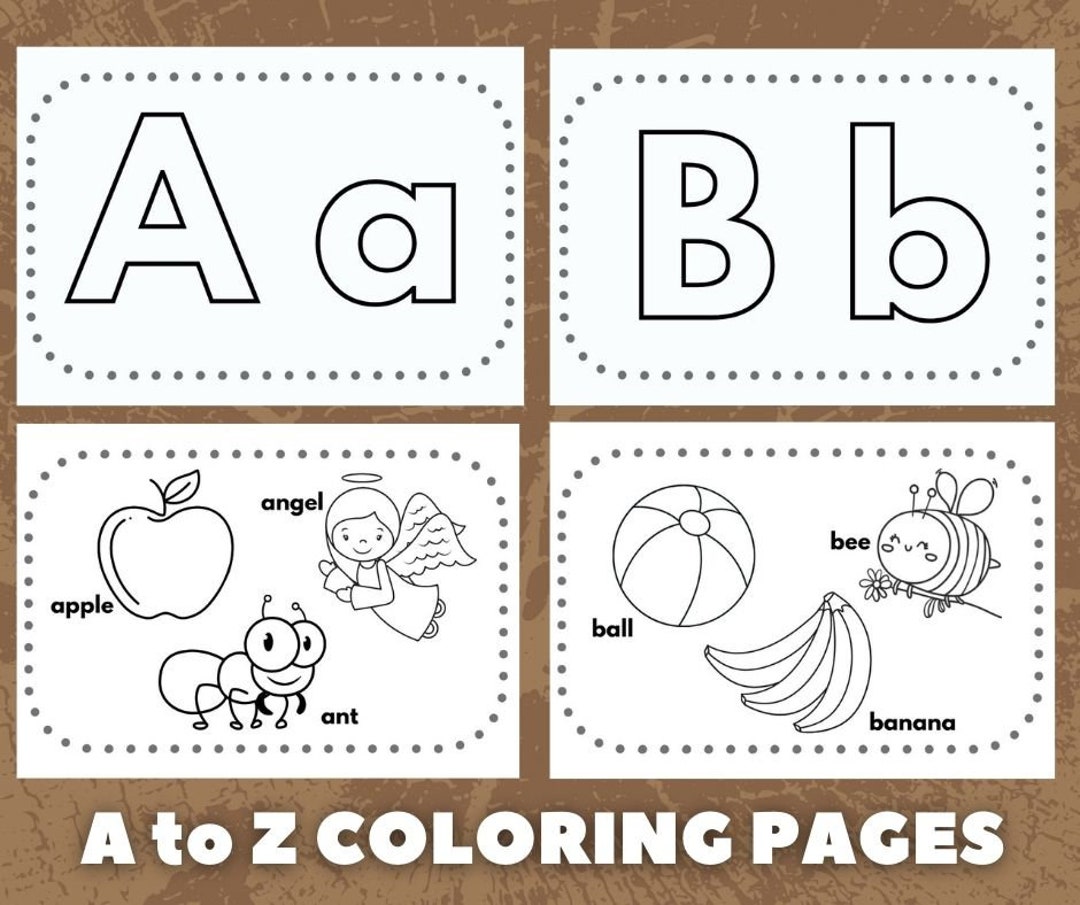
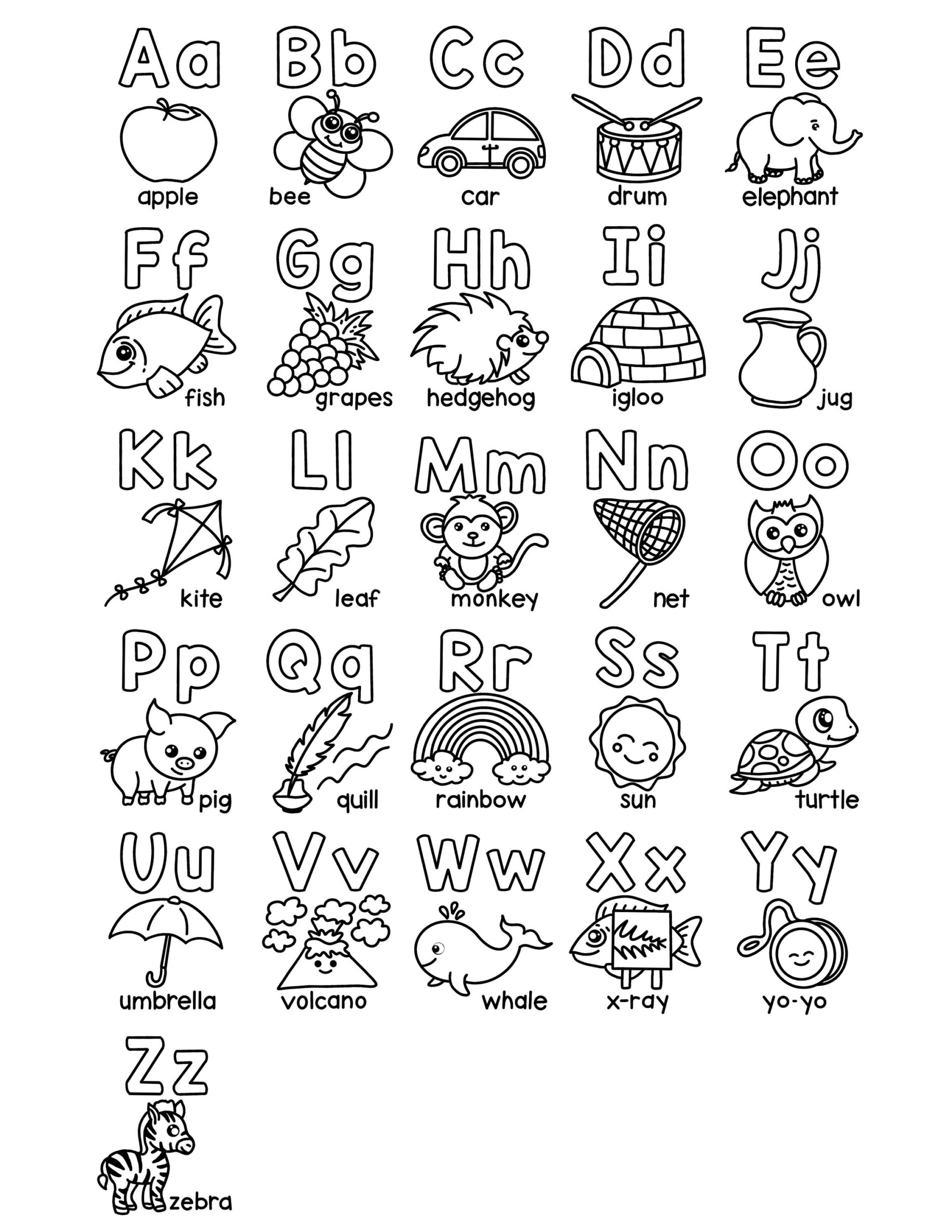
- Visually stimulating: Look for pages with colorful images that relate to each letter, like “A” for apple or “B” for ball.
- Clear and recognizable: The letters should be prominent and easy to color.
You can find various printable options online. Many resources offer free downloads, allowing you to select pages that fit your teaching style and your students’ interests.
Downloading and Printing Your Coloring Pages
Once you’ve chosen the right coloring pages, the next step is downloading and printing them. Here are some practical tips:
- Select a format: Most coloring pages are available in PDF format, which ensures that the layout remains intact when printed.
- Check printer settings: Use standard letter size (8.5 x 11 inches) to fit most home printers. Portrait layout typically works best for coloring pages.
- Choose quality paper: For coloring pages, thicker paper or cardstock is preferable. This prevents bleed-through from markers and allows for better coloring.
- Print a test page: Before printing multiple copies, do a test print to ensure everything looks good.
Setting Up a Fun Coloring Activity
Now that you have your Pre K coloring pages alphabet ready, it’s time to set up an engaging activity. Here’s how to do it effectively:
- Create a cozy workspace: Set up a table with good lighting and comfortable seating. Ensure that all coloring materials are within reach.
- Introduce the letters: Start the session by introducing the letters on the coloring pages. Use flashcards or other visual aids to reinforce the learning.
- Encourage creativity: Allow children to use different coloring materials, such as crayons, colored pencils, or markers. Encourage them to add their own drawings or decorations around the letters.
- Group or individual work: Depending on your teaching style, you can have children work individually or in small groups to promote collaboration.
Reinforcing Learning Through Discussion
After the coloring activity, take time to discuss what the children have learned. Ask them questions like:
- “What letter did you color?”
- “Can you think of a word that starts with that letter?”
- “What color did you choose for this letter?”
These questions not only reinforce what they just learned but also encourage verbal expression and critical thinking. Make sure to celebrate their efforts, whether it’s through praise or a small reward.
Tracking Progress and Engagement
Monitoring progress is essential when working with young learners. Here are some ways to track their engagement and understanding of the alphabet:
- Keep a portfolio: Save their completed coloring pages in a portfolio. This allows you to see their progress over time and gives them a sense of accomplishment.
- Set goals: Encourage children to aim for completing a certain number of pages each week. This builds a sense of achievement and motivates them to keep learning.
- Observe interactions: Pay attention to how kids engage with the coloring pages. Are they excited? Do they ask questions? These observations can help you tailor future lessons.
Adapting for Different Learning Styles
Every child learns differently. Some might excel in visual learning, while others may prefer auditory or kinesthetic methods. Here’s how to adapt your use of Pre K coloring pages alphabet to meet various learning styles:
- Visual learners: Use bright colors and bold letters. Incorporate multimedia resources, like animated videos, to complement the coloring pages.
- Auditory learners: Incorporate songs or rhymes about the alphabet. You can play alphabet songs while children color.
- Kinesthetic learners: Add movement by incorporating activities like letter scavenger hunts or using letter-shaped cutouts for hands-on learning.