
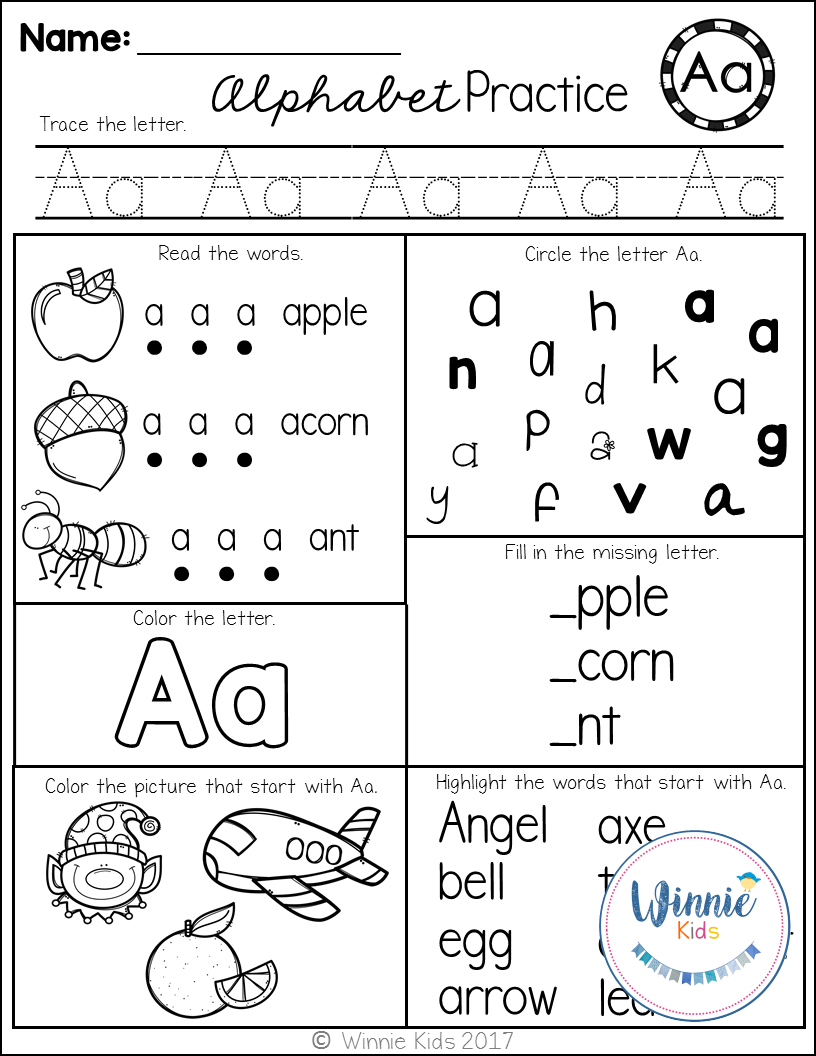
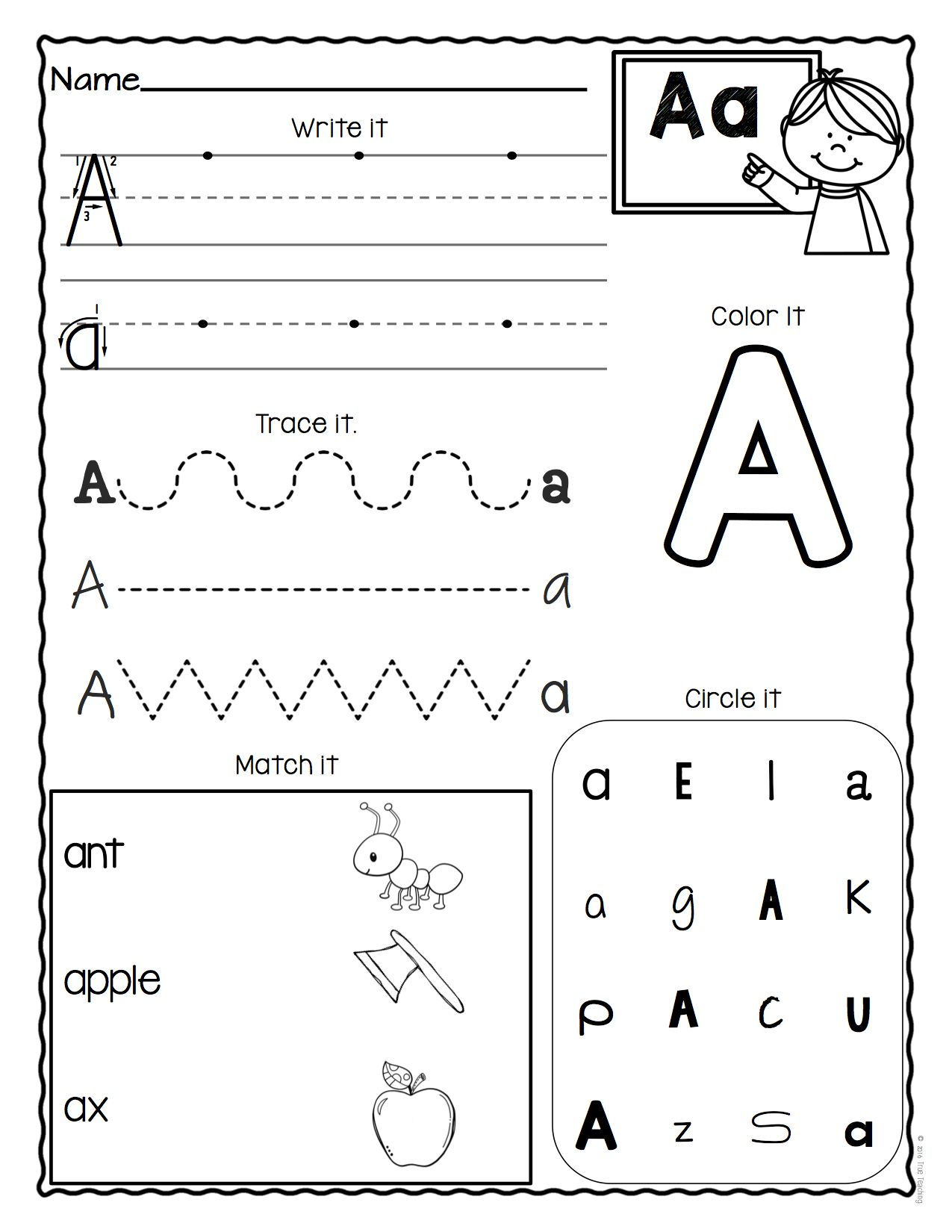
Recognizing letters is a foundational skill for young learners, and effective Pre-K Alphabet Recognition Worksheets can make this process enjoyable and engaging. These worksheets typically come in PDF format, making them easy to download, print, and use in various educational settings. With vibrant colors and interactive designs, they are perfect for sparking interest in letters among preschoolers.
Understanding Alphabet Recognition
Alphabet recognition is the ability to identify and name the letters of the alphabet. This skill is crucial for early literacy development, as it lays the groundwork for reading and writing. Children around the ages of 4 to 5 years are in the ideal stage to begin mastering these skills. Using worksheets that focus on recognizing letters can help reinforce what they learn in the classroom or at home.
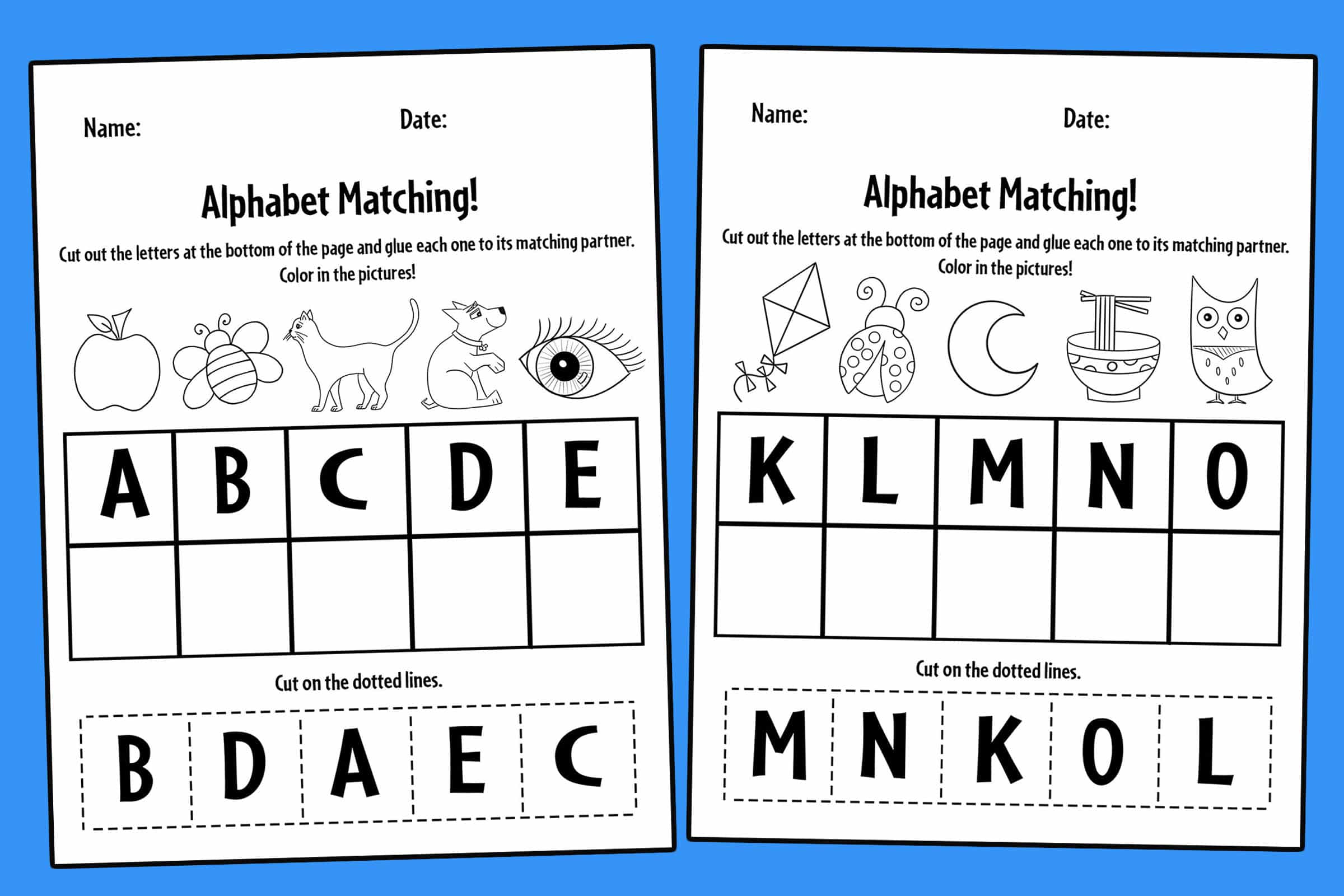
Incorporating worksheets into your teaching strategy provides a structured way for children to practice. These resources often include various activities, such as tracing, matching, and coloring, which cater to different learning styles and keep children engaged.
Selecting the Right Worksheets
When searching for Pre-K Alphabet Recognition Worksheets, consider the following factors:
- Age Appropriateness: Ensure the worksheets are designed for preschoolers, focusing on simplicity and clarity.
- Variety of Activities: Look for resources that include a mix of tracing, coloring, and matching exercises to cater to different learning preferences.
- Visual Appeal: Worksheets that are colorful and engaging tend to capture children’s attention better.
You can find many free and paid options online, so take your time to choose those that best fit your teaching style and the needs of your students.
Downloading and Printing Worksheets
Once you’ve selected the right worksheets, it’s time to download and print them. Here’s a quick guide to ensure everything goes smoothly:
- Choose the Format: Most worksheets will be available in PDF format, which is recommended for maintaining layout integrity. Avoid image files to prevent reformatting issues.
- Check Printer Settings: Use portrait layout for most home printers, and ensure your paper size is set to standard letter (8.5 x 11 inches).
- Use Quality Paper: If these worksheets will be used repeatedly, consider printing them on cardstock for durability. This material holds up well in busy classrooms and can withstand some wear and tear.
After printing, you may want to laminate the worksheets to make them reusable. This will allow children to practice multiple times with dry-erase markers, reducing waste and providing a hands-on experience.
Effective Use in the Classroom or Home
Incorporating Pre-K Alphabet Recognition Worksheets into your lessons can be done in several ways:
- Independent Practice: Allow children to work on worksheets independently during designated learning times. This encourages self-directed learning.
- Guided Sessions: Work with small groups to tackle worksheets together. This can help clarify concepts and provide immediate feedback.
- Interactive Activities: Pair worksheets with physical activities, such as letter scavenger hunts, where children find items that start with specific letters, enhancing their learning experience.
You can also integrate these worksheets into a broader curriculum by including songs about the alphabet, storytelling that highlights letters, and games that promote letter recognition.
Tracking Progress and Reinforcement
To ensure that your students are mastering their alphabet recognition, it’s essential to track their progress:
- Regular Assessments: Use informal assessments, such as having students identify letters during activities or quizzes, to gauge their understanding.
- Parent Involvement: Share the worksheets with parents and encourage them to practice at home. This can reinforce what children learn in the classroom and provide consistency.
- Adapt and Modify: If you notice that certain letters are challenging for your students, consider creating additional worksheets focused specifically on those letters or incorporating them into other activities.
By tracking progress and making necessary adjustments, you can create a supportive learning environment that fosters growth in alphabet recognition.
Engaging Activities Beyond Worksheets
While Pre-K Alphabet Recognition Worksheets are valuable, supplementing them with other activities can enhance learning. Here are some ideas:
- Alphabet Songs and Rhymes: Incorporate songs that emphasize letter sounds and names. This auditory element helps reinforce recognition.
- Arts and Crafts: Create letter-themed crafts where children can make their own letters using various materials, integrating tactile learning.
- Games and Apps: Utilize educational games that focus on letter recognition, both in the classroom and at home. Many apps are designed for young children and can make learning fun and interactive.
These engaging activities can help solidify the skills children gain from worksheets, ensuring a well-rounded approach to learning.
Incorporating Pre-K Alphabet Recognition Worksheets into your teaching strategy is a fantastic way to help young learners develop essential skills. The combination of structured worksheets, interactive activities, and consistent practice will foster a love for learning and set the stage for future literacy success. Remember to focus on variety, visual appeal, and ongoing assessment to create a dynamic learning environment.