
Every morning, a little girl named Emily eagerly sits down at the kitchen table, crayons spread out before her, ready to tackle a new alphabet coloring page. Today, her task involves the Pre K Alphabet Coloring Pages, which not only captivate her attention but also support her early literacy skills. These coloring pages provide an excellent way for children to associate letters with images, enhancing their comprehension and retention. Here’s how you can effectively incorporate these resources into your teaching or home learning environment.
Understanding the Importance of Alphabet Coloring Pages
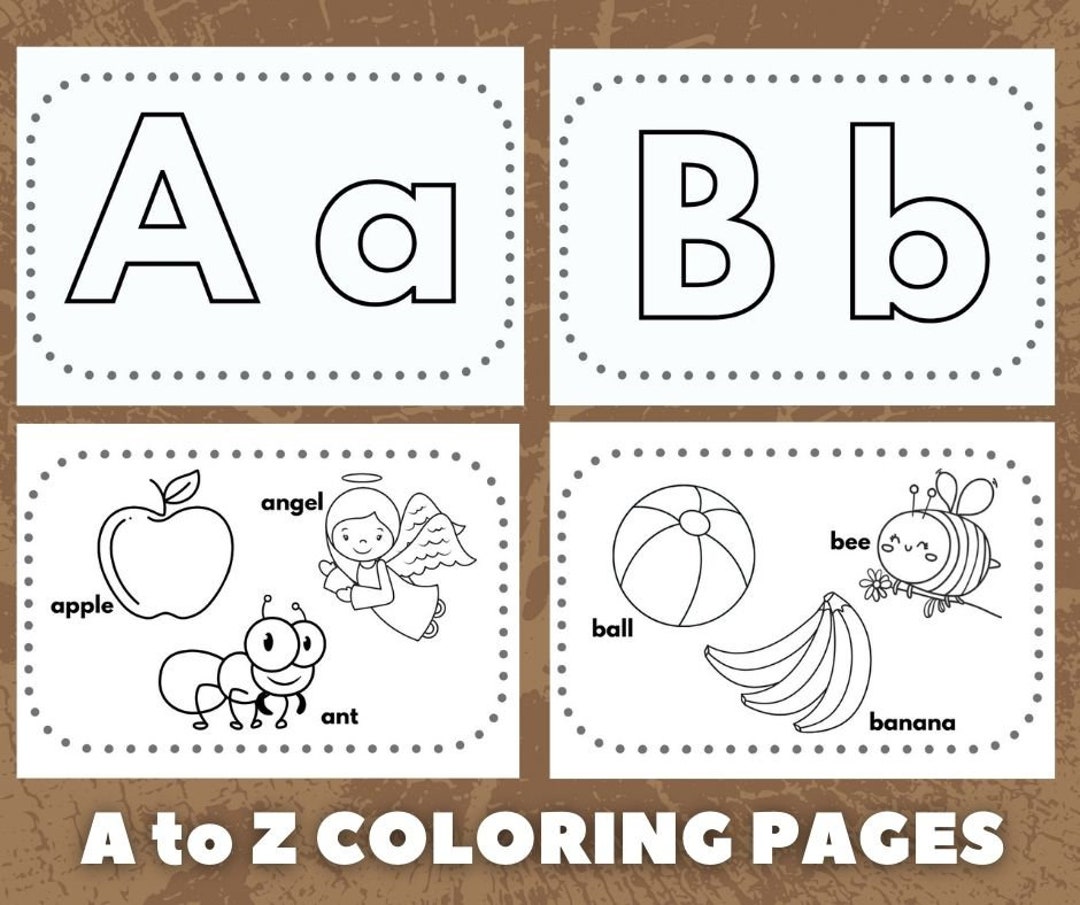
Alphabet coloring pages serve a dual purpose: they are not only fun but also educational. For preschoolers, these pages facilitate letter recognition, phonemic awareness, and fine motor skills. Engaging in activities like coloring helps young learners develop hand-eye coordination as they grasp crayons and fill in the lines. Moreover, associating letters with corresponding images—like ‘A’ for apple or ‘B’ for balloon—makes learning more relatable and enjoyable.
Skill Development
- Letter Recognition: Children learn to identify letters as they color.
- Phonemic Awareness: Associating letters with words enhances sound recognition.
- Fine Motor Skills: Coloring helps improve grip and control over writing instruments.
Practical Tips for Using Pre K Alphabet Coloring Pages
When integrating Pre K Alphabet Coloring Pages into your lessons, consider a structured approach that allows for repetition and reinforcement over a week. Here’s how you can organize this resource effectively:
Daily Themes
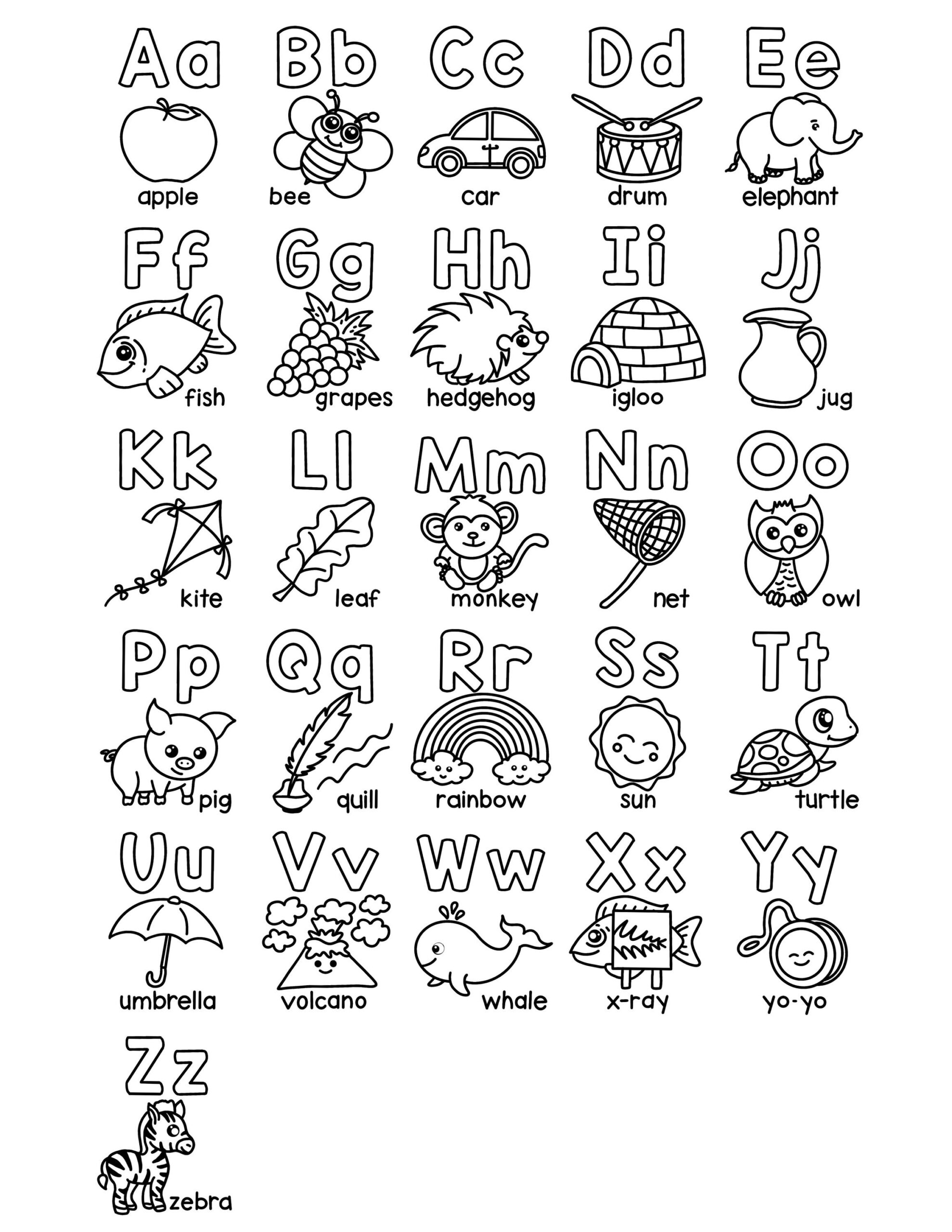
Create a weekly schedule that focuses on a specific letter each day. For instance:
- Monday: A is for Apple
- Tuesday: B is for Ball
- Wednesday: C is for Cat
- Thursday: D is for Dog
- Friday: E is for Elephant
This themed week provides consistent exposure to each letter, reinforcing learning through repetition.
Group Activities
In a classroom setting, divide students into small groups. Assign each group a letter and corresponding coloring page. After coloring, let each group present their letter and an associated word to the class. This not only encourages teamwork but also builds confidence in public speaking.
Individual Practice
For parents or caregivers, these coloring pages can be an excellent tool for individual practice at home. Set aside time each day for your child to focus on a specific letter. This consistent practice will help reinforce what they learn in preschool or kindergarten.
Incorporating Other Learning Activities
To enrich the learning experience, combine the coloring pages with other educational activities. Here are some ideas to get you started:
Storytime
After completing a coloring page, read a story that features the corresponding letter prominently. For example, after coloring ‘A is for Apple,’ read a book about apples. This connection between visual and auditory learning solidifies understanding.
Crafting
Use the colored pages as part of a craft. For instance, after coloring ‘B is for Ball,’ have children create paper balls from colored construction paper. This tactile experience further embeds the letter in their memory.
Games and Songs
Incorporate letter-themed songs and games. Songs like “The Alphabet Song” can be fun ways to reinforce the letters. Games such as letter scavenger hunts, where children find objects around the classroom or home that start with the day’s letter, can also be engaging.
Selecting the Right Materials
When printing the Pre K Alphabet Coloring Pages, consider the following tips to ensure a smooth experience:
- Paper Type: Use thicker paper or cardstock to prevent tearing during coloring. Cardstock holds up well if you plan to laminate the pages later for reuse.
- Print Settings: For best results, print in portrait layout; this typically accommodates most home printers better.
- Coloring Tools: Provide a variety of coloring tools, such as crayons, colored pencils, or markers, to enhance creativity.
Repetition and Reinforcement
Repetition is key in early childhood education. By revisiting the same letters throughout the week, children have multiple opportunities to practice and internalize the information. You can even create a “Letter of the Day” wall in your classroom or home, displaying the colored pages alongside the words and images associated with each letter.
Weekly Review
At the end of the week, have a review session where children can showcase their coloring pages. Ask them to share their favorite letter and one word that starts with it. This not only reinforces their learning but also encourages self-expression and confidence.
Finding Quality Resources for Pre K Alphabet Coloring Pages
With so many options available online, it’s essential to choose quality resources. Look for sites that provide high-resolution, printable coloring pages specifically designed for educational purposes. Ensure that the images are clear and suitable for young learners, featuring recognizable objects that are easy to associate with their corresponding letters.
Download and Print
When you find suitable Pre K Alphabet Coloring Pages, make sure to download them in PDF format. PDFs are less likely to have formatting issues compared to image files, ensuring that your printed pages look as intended.
Immediate Activity Tip
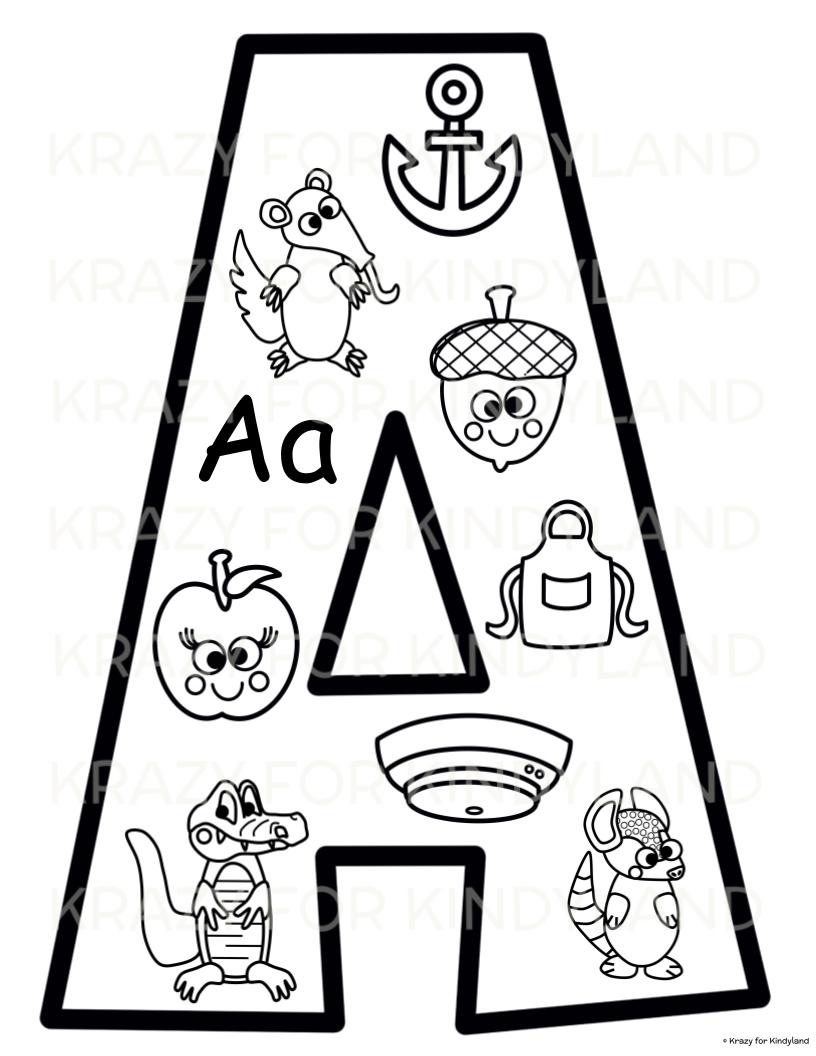
To get started right away, choose one letter from the alphabet and print out its corresponding coloring page. Set up a small coloring station with crayons and a workbook, and invite your child or students to begin. This simple, engaging task is a great way to introduce the concept of letters while allowing for creativity.
By incorporating Pre K Alphabet Coloring Pages into your teaching or home learning activities, you can create a rich, engaging environment that fosters early literacy skills. Remember, the key to success is consistency and creativity in how you present these resources.