
Learning the alphabet is a fundamental skill that lays the groundwork for literacy. While many worksheets exist, the specific Practice Learning The Alphabet Worksheets offer a unique blend of engaging activities and structured practice that can cater to a variety of learning styles. These worksheets are designed not just to teach letters but to help children recognize and understand how they function in words, making them an invaluable resource for teachers and parents alike.
Understanding the Structure of Alphabet Worksheets
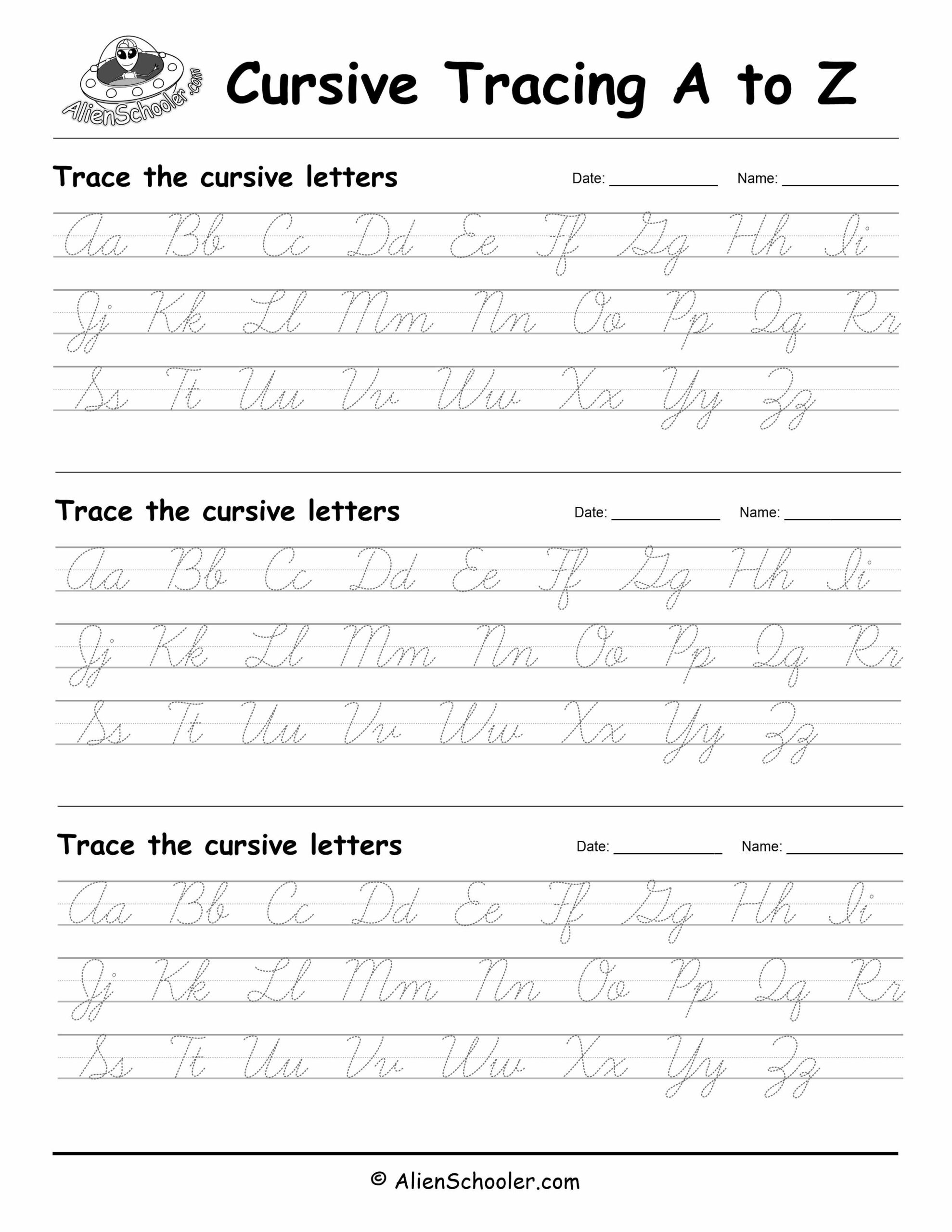
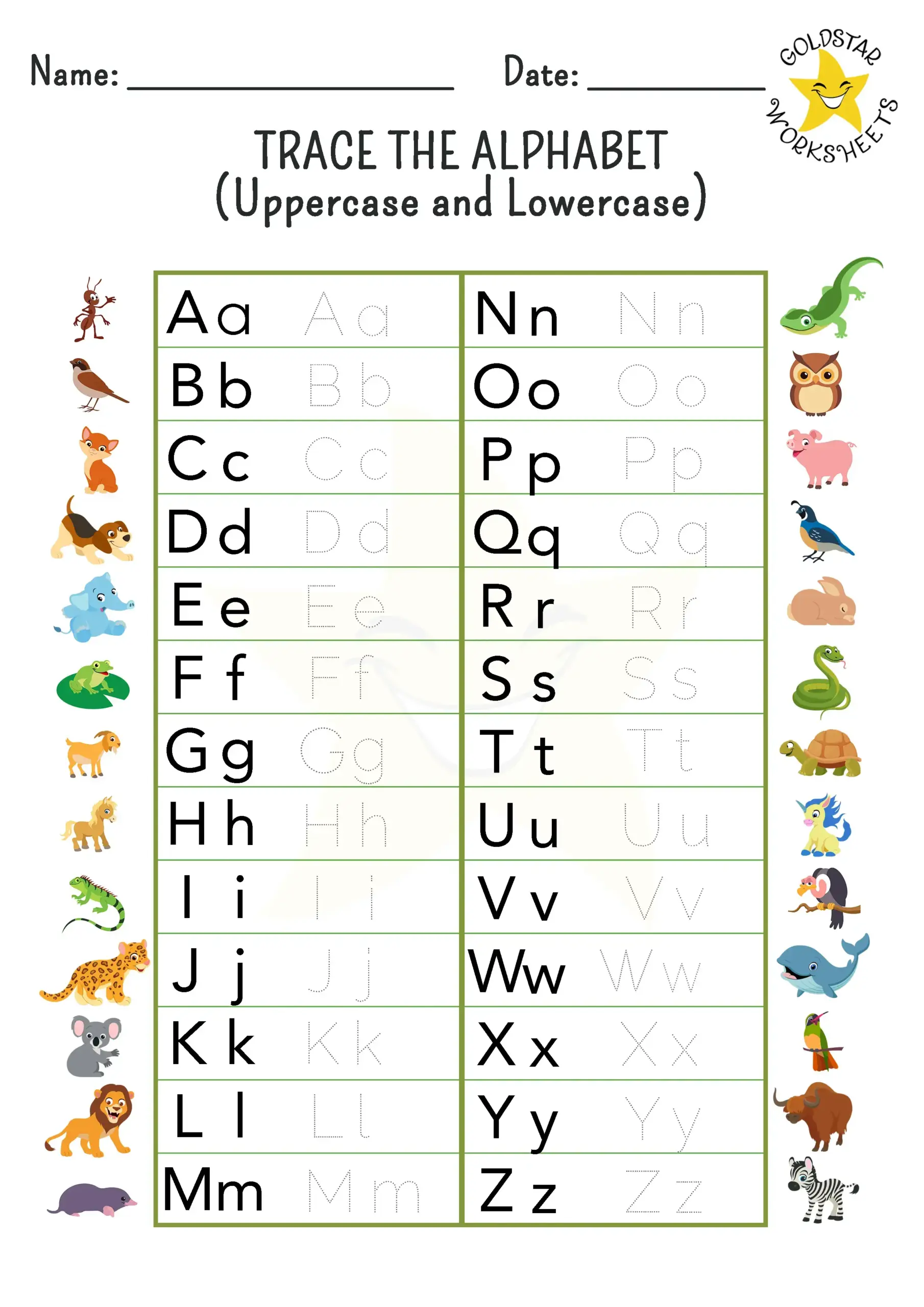
When you look at Practice Learning The Alphabet Worksheets, you’ll notice they typically include several key components: letter tracing, letter recognition exercises, and interactive activities. Each worksheet is clearly laid out, often featuring a mix of visual aids and written prompts to keep young learners engaged.
The worksheets usually present a single letter on each page, accompanied by images of items that start with that letter. For example, the letter “A” might be paired with an apple and an alligator. This visual reinforcement helps children make connections between letters and sounds, which is crucial for phonemic awareness.
How to Use These Worksheets Effectively
To get the most out of Practice Learning The Alphabet Worksheets, consider the following practical tips:
- Age Appropriateness: These worksheets are typically aimed at preschoolers and kindergarteners, often between ages 4-6. Tailoring your approach based on age will help keep the activities relevant and engaging.
- Printing Options: Use high-quality paper for printing. Cardstock is often recommended because it holds up better against repeated use, especially if you plan to laminate the worksheets for dry-erase use.
- Interactive Learning: Incorporate interactive elements by asking children to find items around the house or classroom that start with the letters they are learning. This not only reinforces the letter shapes but also helps them connect letters with real-life objects.
- Progress Monitoring: As students complete each worksheet, take a moment to assess their understanding. Are they tracing the letters correctly? Can they identify the sound associated with the letter? Checklists or simple observation notes can help you track their progress.
Engaging Activities to Complement the Worksheets
While the Practice Learning The Alphabet Worksheets provide an excellent framework for learning, enhancing them with additional activities can deepen understanding:
- Alphabet Songs: Integrate songs into your lessons. Singing the alphabet helps with memorization and makes learning fun.
- Craft Projects: Create art projects where children can decorate letters using various materials such as stickers, glitter, or magazine cutouts. This tactile approach reinforces letter recognition.
- Storytime Connection: Choose books that emphasize the letters and sounds being taught. For instance, if the focus is on “B,” reading books that feature many words starting with “B” will enhance their learning experience.
- Games and Apps: Utilize educational games or apps that focus on letter recognition and phonics. Many online resources offer interactive games that can reinforce what they learn from the worksheets.
Mastery Indicators: Recognizing Progress in Letter Learning
One of the most important aspects of using Practice Learning The Alphabet Worksheets is understanding how to gauge mastery. Here are some indicators you can look for:
- Consistent Letter Recognition: Children should be able to identify each letter by sight. If they can point out the letters in their environment or during storytime, they are likely mastering recognition.
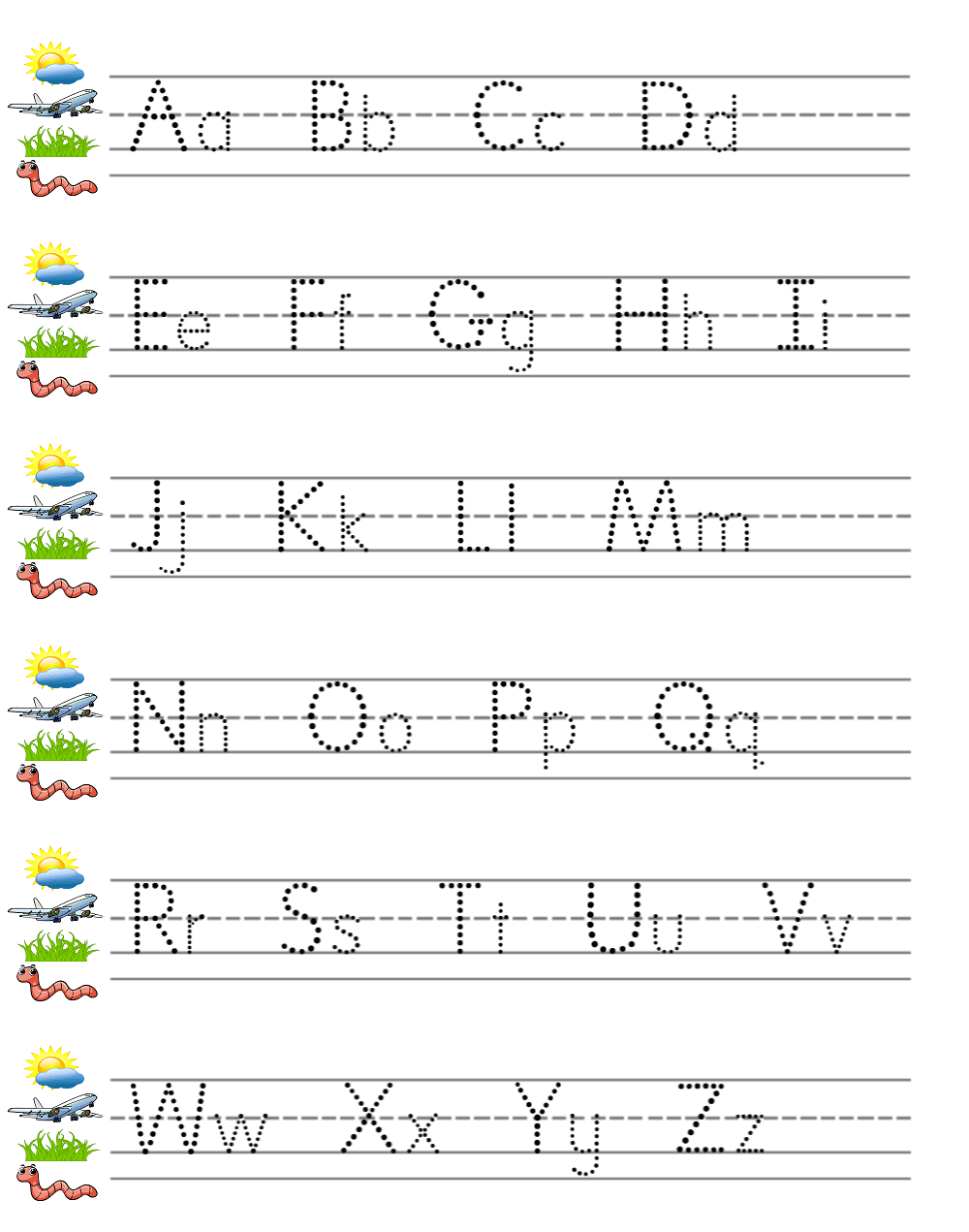
- Correct Tracing: Watch for neatness in tracing letters. If a child is consistently able to trace letters without difficulty, they are developing fine motor skills necessary for writing.
- Sound Association: Ask children to say the sound of the letter or to name objects that begin with that letter. This will show their understanding of phonetics, which is vital for reading.
- Engagement and Interest: If a child is excited about completing the worksheets and asks to do more, that’s a clear sign they are enjoying the learning process and are likely grasping the concepts.