
Mastering the English alphabet can be a significant hurdle for adult ESL learners. Many find it challenging to grasp the basics, especially when transitioning from their native scripts. A well-structured resource like the Practice Alphabet Worksheet Adult Esl can be a useful option. This worksheet is tailored for adults, providing them with a clear pathway to improve their understanding and usage of the English alphabet.
Understanding the Importance of Alphabet Practice for Adults
For adult learners, the ability to recognize and use the English alphabet is foundational. It’s not just about memorizing letters; it’s about comprehension, pronunciation, and application in everyday situations. A solid grasp of the alphabet aids in reading, writing, and effective communication. By using a dedicated worksheet, you can help your students bridge that gap between confusion and clarity.
How to Use the Practice Alphabet Worksheet Adult Esl
Step 1: Download the Worksheet
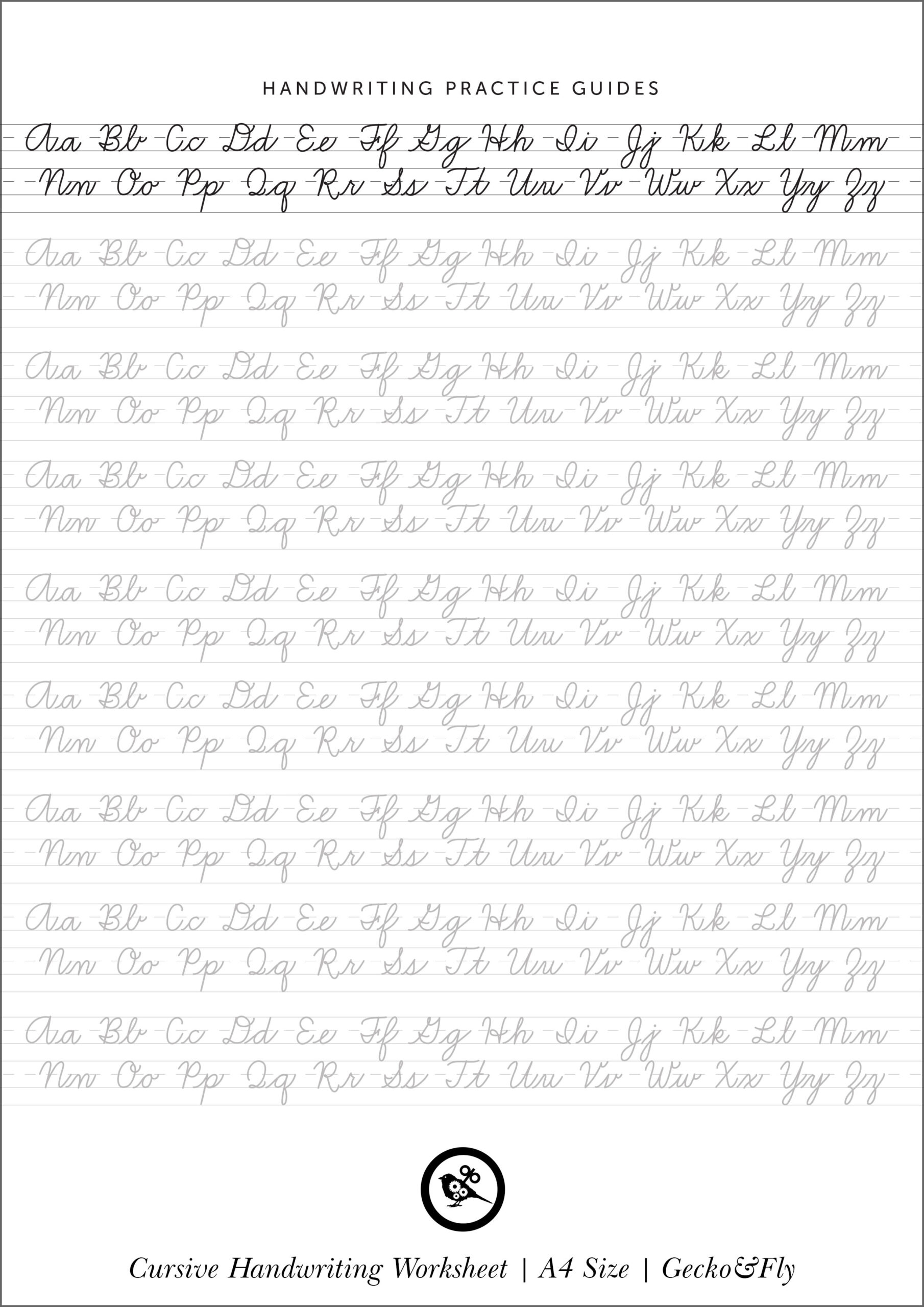
The first step is to download the Practice Alphabet Worksheet Adult Esl. Ensure you have access to a reliable printer, as a hard copy is often more effective for practice. The worksheet is usually available in PDF format, which maintains formatting and prevents issues that can arise with image files. This format is ideal for printing and ensures that all elements are properly aligned.
Step 2: Choose Your Materials
When preparing to use the worksheet, gather the necessary materials. You’ll need:
- A printer to print the worksheet.
- Writing utensils, such as pencils or pens.
- Optional: colored markers or crayons for more engaging activities.
Printing the worksheet on cardstock can be beneficial, especially if you plan to use it multiple times or laminate it for durability.
Step 3: Set Up the Learning Environment
Create a comfortable and distraction-free learning environment. This can be a dedicated classroom space or a quiet corner at home. Ensure that the area is well-lit and that learners have enough space to write comfortably. Setting up the environment can significantly enhance focus and retention of information.
Step 4: Introduce the Worksheet
Once the worksheet is printed and the learning space is set, introduce the worksheet to your learners. Explain the purpose of the exercises and how they will contribute to their understanding of the alphabet. You might say, “This worksheet will help you recognize letters, practice writing, and improve your pronunciation.”
Engaging Activities Within the Worksheet
The Practice Alphabet Worksheet Adult Esl typically includes various activities designed to engage learners. Here are a few types of exercises you might find:
Letter Tracing
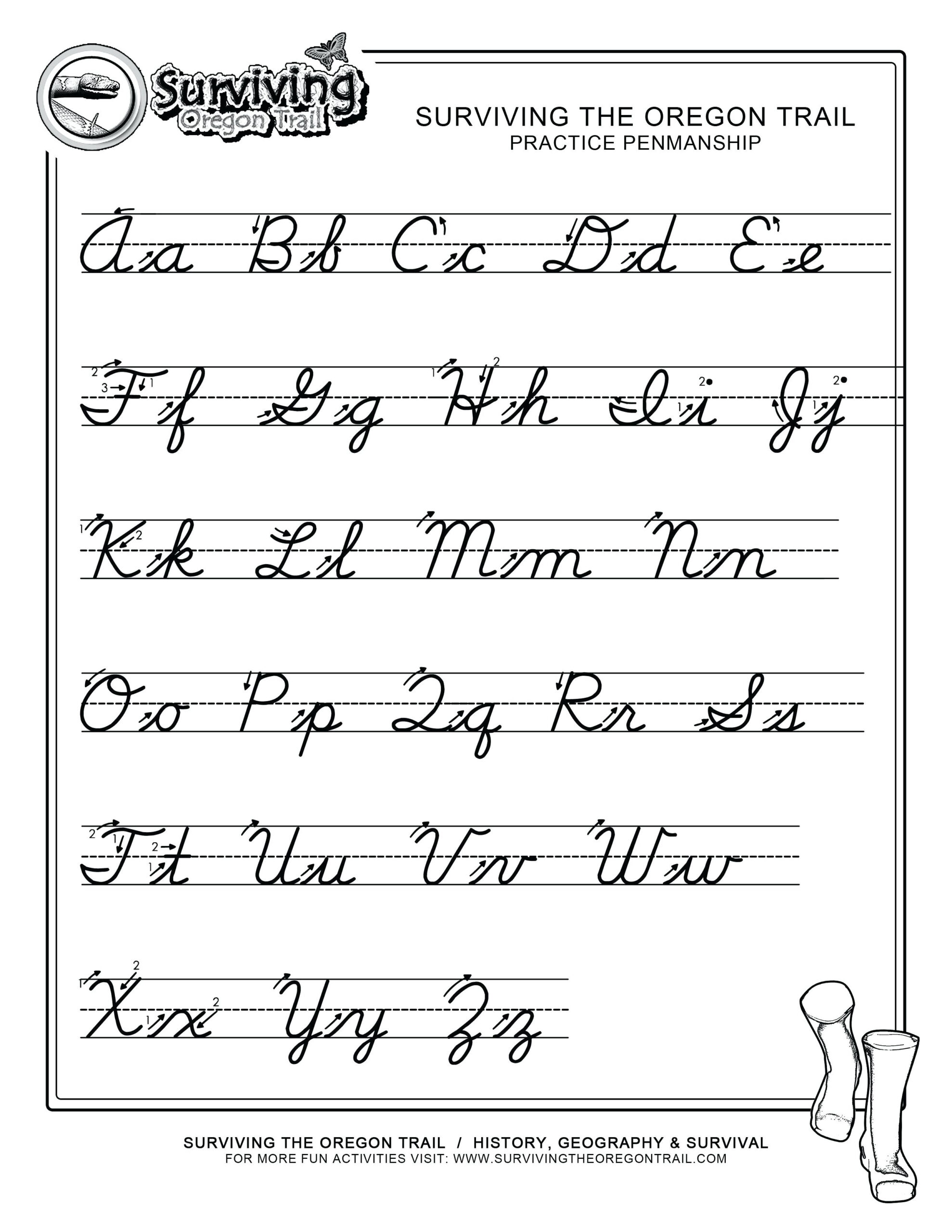
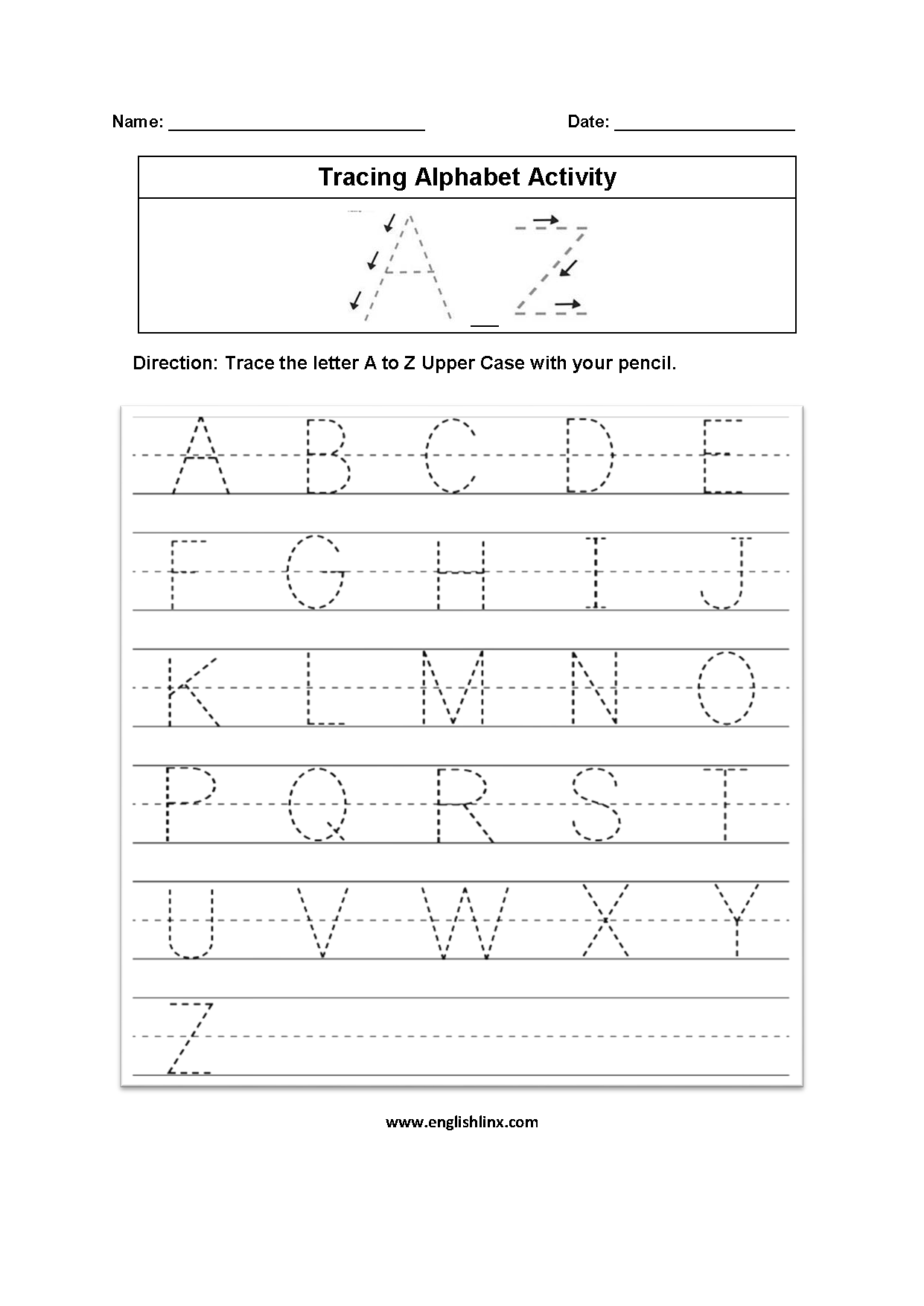
Tracing letters helps learners develop muscle memory. Encourage them to start with uppercase letters, progressing to lowercase. This activity can help build confidence in their writing skills.
Fill-in-the-Blanks
These exercises often present sentences with missing letters or words. This not only reinforces letter recognition but also helps with vocabulary development. It’s a practical way to apply knowledge in context.
Matching Activities
Matching letters with corresponding images can be a fun way to engage visual learners. For instance, pairing the letter ‘A’ with an apple can create a strong association between the letter and its phonetic sound.
Adapting the Worksheet for Different Learning Styles
Every learner has a unique style. Some may benefit from visual aids, while others thrive on auditory learning. Here’s how you can adapt the Practice Alphabet Worksheet Adult Esl for various learners:
Visual Learners
Incorporate colorful images or flashcards alongside the worksheet. This can help reinforce the connection between letters and sounds. Consider using a whiteboard to demonstrate letter formation.
Auditory Learners
Integrate pronunciation practice into the worksheet activities. You can read the letters aloud, allowing learners to repeat after you. This reinforces auditory recognition alongside visual understanding.
Kinesthetic Learners
For those who learn best through movement, consider incorporating physical activities. Have learners form letters with their bodies or use objects to create letter shapes. This hands-on approach can make learning more engaging.
Assessing Progress
After using the Practice Alphabet Worksheet Adult Esl, it’s essential to assess your learners’ progress. You can do this through informal quizzes or by having students demonstrate their understanding verbally. Ask them to write letters on the board or share words that start with specific letters.
Feedback and Revisions
Provide constructive feedback. If a student struggles with specific letters, offer additional resources or exercises focused on those areas. Revisit the worksheet periodically to reinforce learning and track improvement.
Making Learning Fun
Incorporating fun elements into the practice can significantly enhance engagement. Consider organizing group activities where learners can collaborate on completing the worksheet. Games like alphabet bingo or scavenger hunts for items starting with particular letters can make learning enjoyable.
Immediate Action Steps
Now that you understand how to effectively utilize the Practice Alphabet Worksheet Adult Esl, here’s a concrete tip: Print a few extra copies of the worksheet for future use. This will allow you to revisit the alphabet as necessary, reinforcing skills and ensuring that learners feel confident in their abilities. Engaging with the alphabet regularly will support your students’ growth and mastery over time.