
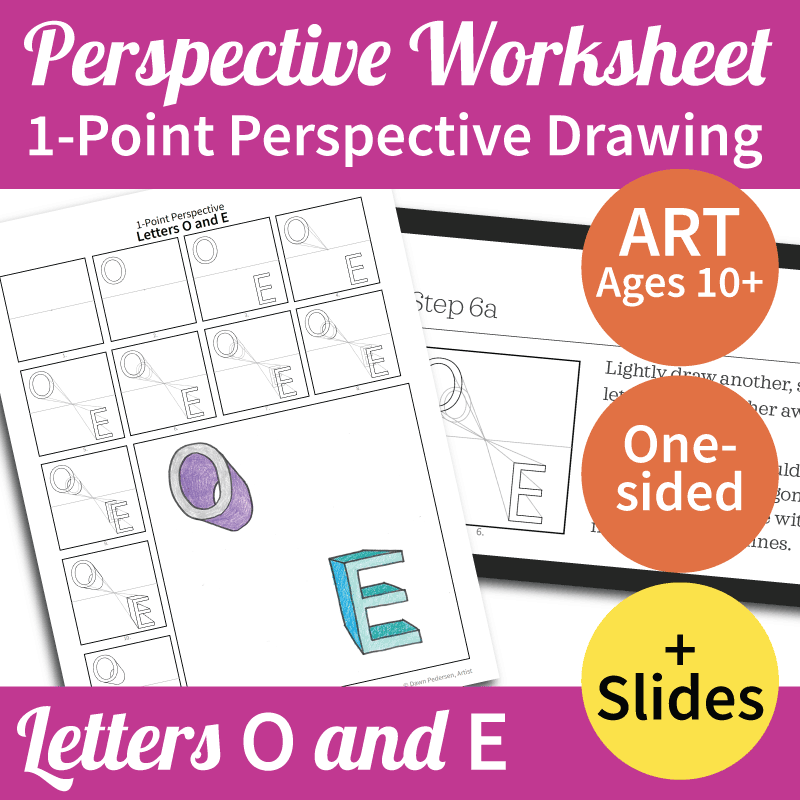
Perspective drawing is a crucial skill in art and design, allowing students to create depth and dimension in their work. The Perspective Drawing Free Worksheets Alphabet offers a unique approach to teaching this skill, focusing on the fundamentals while making learning fun and accessible. These worksheets are designed to cater to various learning styles and can be used effectively in both classroom settings and homeschooling environments.
Understanding Perspective Drawing
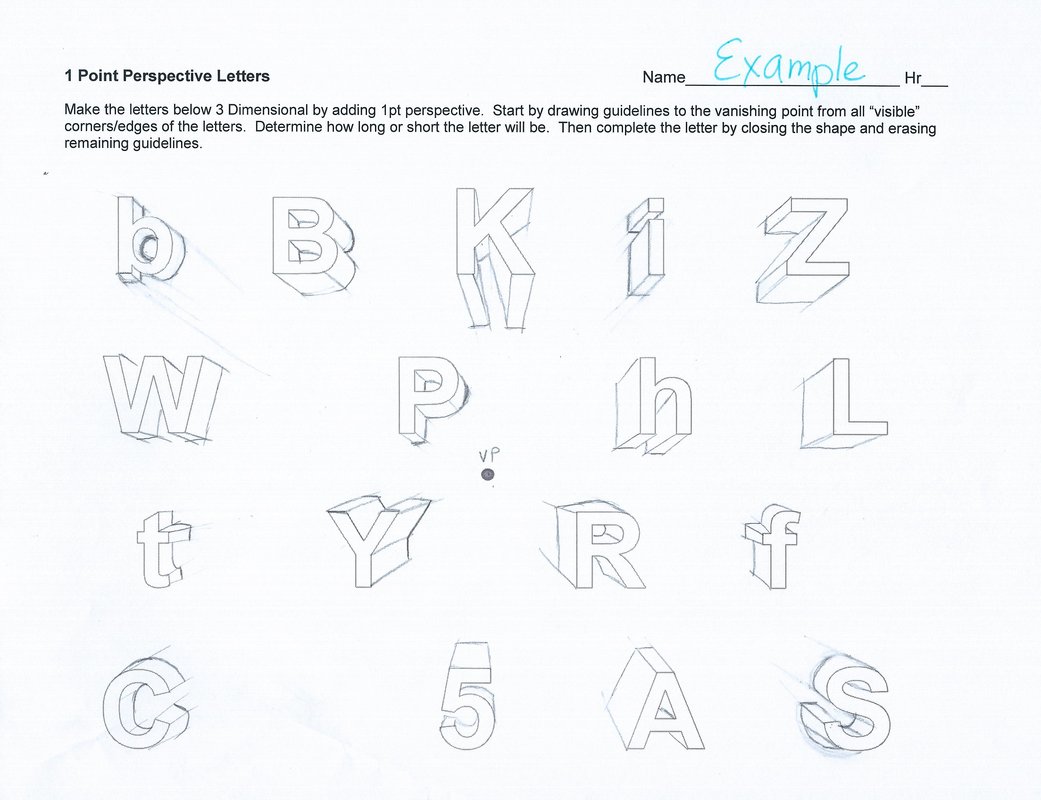
Before diving into the worksheets, it’s essential to grasp what perspective drawing entails. At its core, perspective drawing is a technique used to represent three-dimensional objects on a two-dimensional surface. This technique helps students visualize how objects appear smaller as they recede into the distance, creating a sense of depth.
The worksheets included in the Perspective Drawing Free Worksheets Alphabet provide clear instructions, examples, and practice opportunities. They are suitable for students from elementary to middle school, typically ranging from ages 8 to 14. By introducing these concepts early, you’re helping students develop critical observation skills that will serve them well in future artistic endeavors.
Features of the Worksheets
The Perspective Drawing Free Worksheets Alphabet is structured to facilitate easy understanding and engagement. Here are some notable features of the worksheets you can expect:
- Clear Instructions: Each worksheet includes step-by-step guidance, ensuring students know exactly what to do at each stage of the drawing process.
- Variety of Exercises: From basic shapes to complex structures, the worksheets gradually increase in difficulty, allowing students to build their skills progressively.
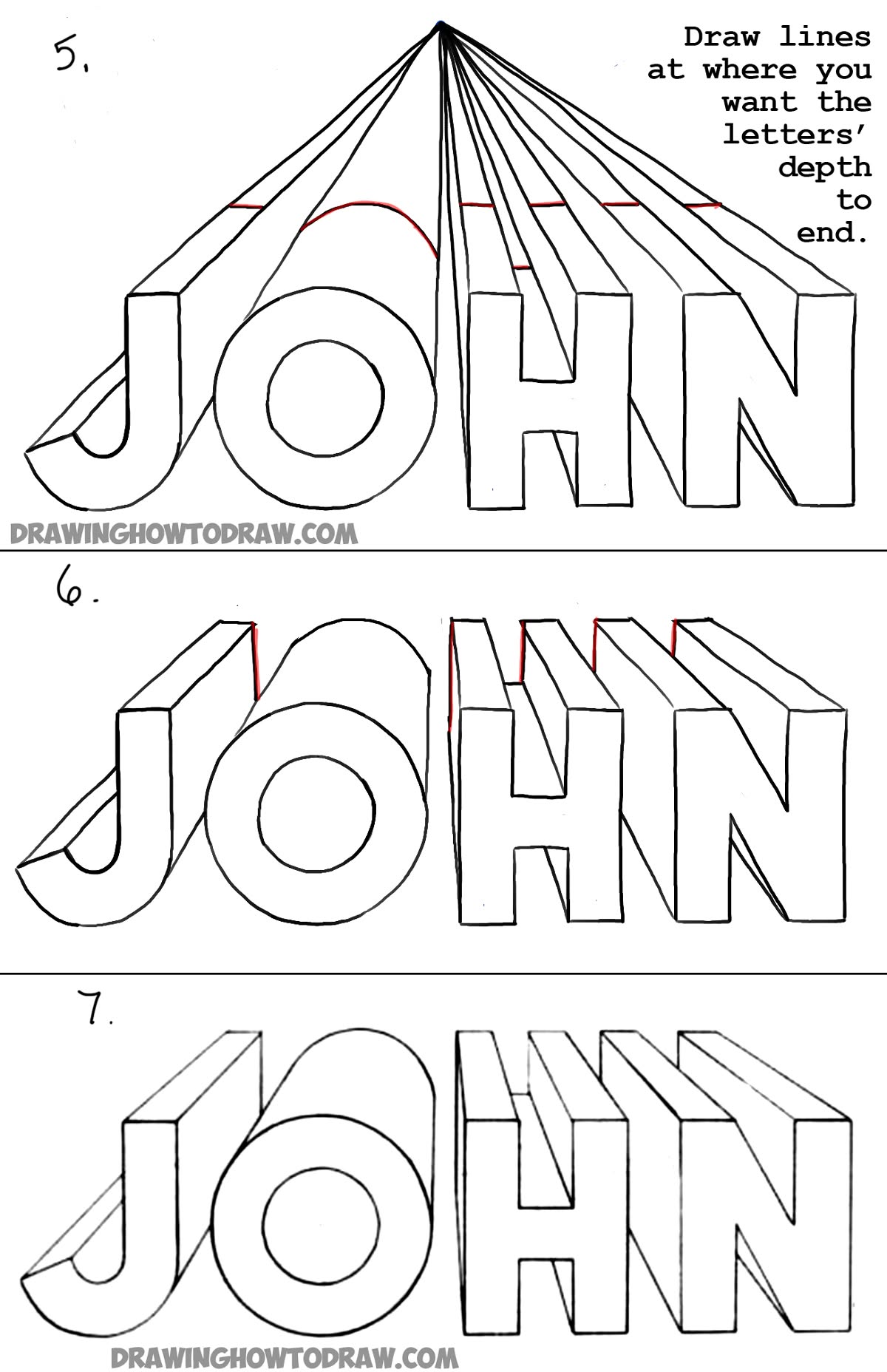
- Visual Examples: Illustrative examples accompany each instruction, making it easier for students to understand the concepts being taught.
- Printable Format: Available in PDF format, these worksheets can be printed in bulk, making them perfect for classroom use.
When printing these worksheets, consider using heavier paper or cardstock. This will not only enhance the overall feel of the final product but also withstand erasing and repeated use, especially if students are practicing techniques.
How to Use the Worksheets in Class
Using the Perspective Drawing Free Worksheets Alphabet in your classroom can be a rewarding experience. Here are some practical tips to maximize their effectiveness:
- Introduce the Concept: Before handing out the worksheets, take some time to explain the basics of perspective drawing. Use a whiteboard to demonstrate how objects appear smaller in the distance and how lines converge at a vanishing point.
- Group Activities: Consider organizing students into small groups. This encourages collaboration and discussion, allowing them to learn from each other as they work through the worksheets.
- Hands-On Practice: After completing the worksheets, encourage students to create their own perspective drawings. This hands-on practice reinforces what they’ve learned and gives them a chance to experiment with their style.
- Review and Feedback: Set aside time for students to share their completed drawings with the class. Providing constructive feedback can help them identify areas for improvement and boost their confidence.
- Integrate Technology: If available, utilize digital drawing tools that allow students to apply perspective techniques in a virtual environment. This can make the learning experience even more engaging.
Tips for Effective Grading and Review
When it comes to grading the completed worksheets, here are some practical tips to streamline the process:
- Create a Rubric: Develop a clear rubric that outlines the criteria for assessment. Consider factors like accuracy, creativity, and effort. This helps students understand what is expected and allows for fair evaluations.
- Focus on Improvement: Rather than solely focusing on the final product, emphasize the progress students make throughout the worksheets. Highlight areas where they’ve improved, encouraging a growth mindset.
- Allocate Time Wisely: If you’re dealing with a large class, set aside specific times for reviewing worksheets. This prevents the process from becoming overwhelming and ensures you can give each student the attention they need.
By integrating these strategies, you can make the grading process less daunting while providing valuable feedback to your students.