
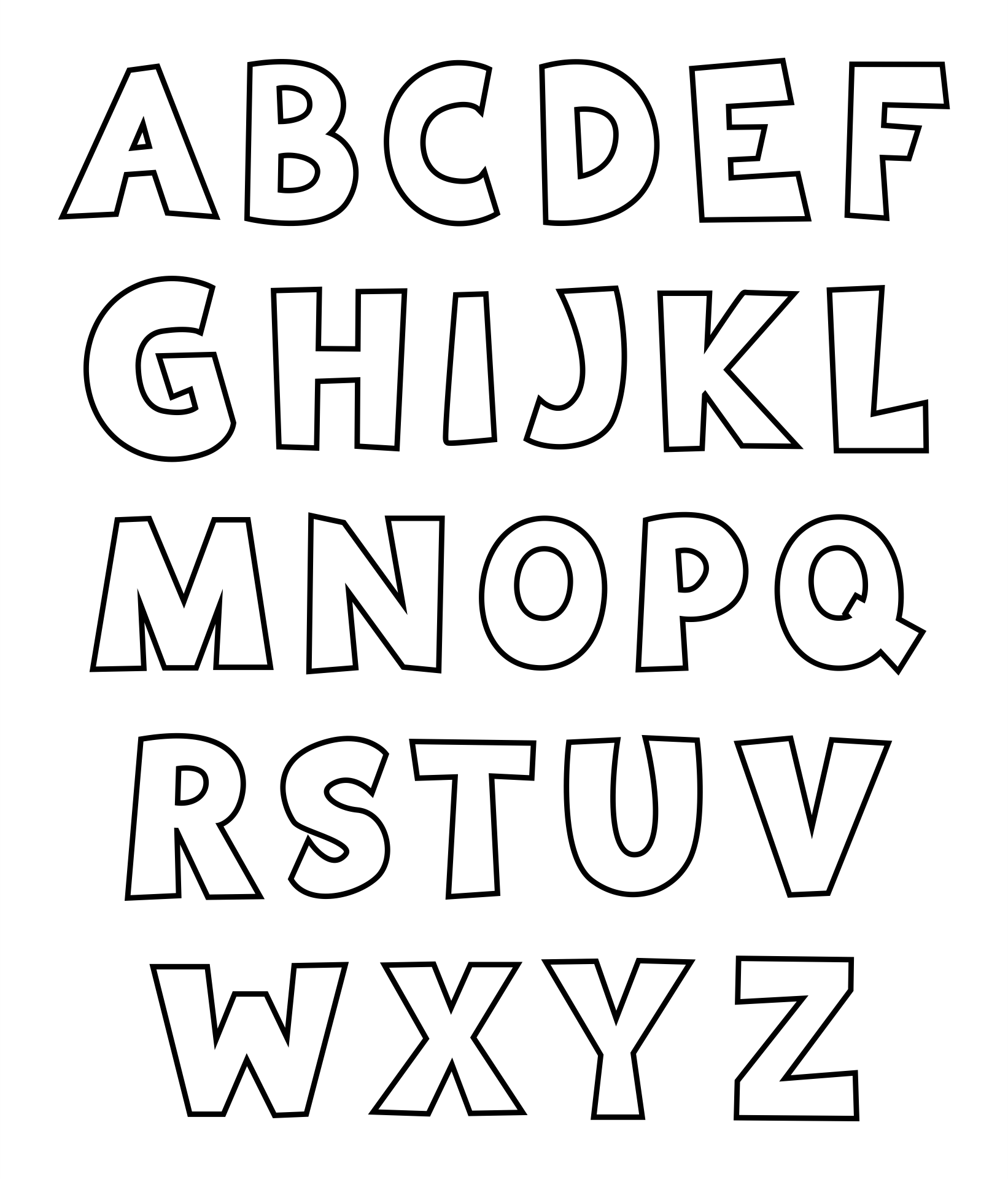
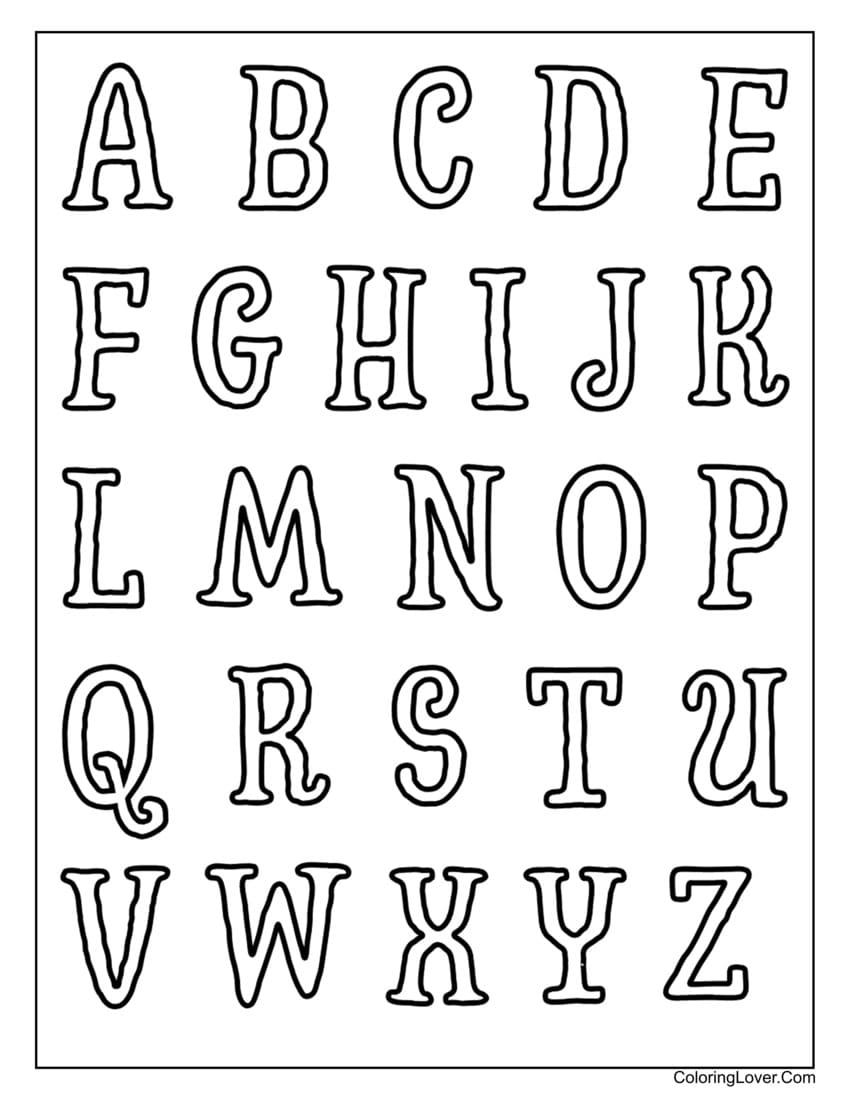
Incorporating coloring into lessons can be a delightful way to engage children while teaching them essential skills, and the Outline Of Alphabets For Colouring is a perfect resource for this purpose. This printable resource not only fosters creativity but also helps young learners practice letter recognition and develop fine motor skills. If you are a teacher in a classroom or a parent at home, using these alphabet outlines can make learning enjoyable and effective.
Understanding the Educational Benefits
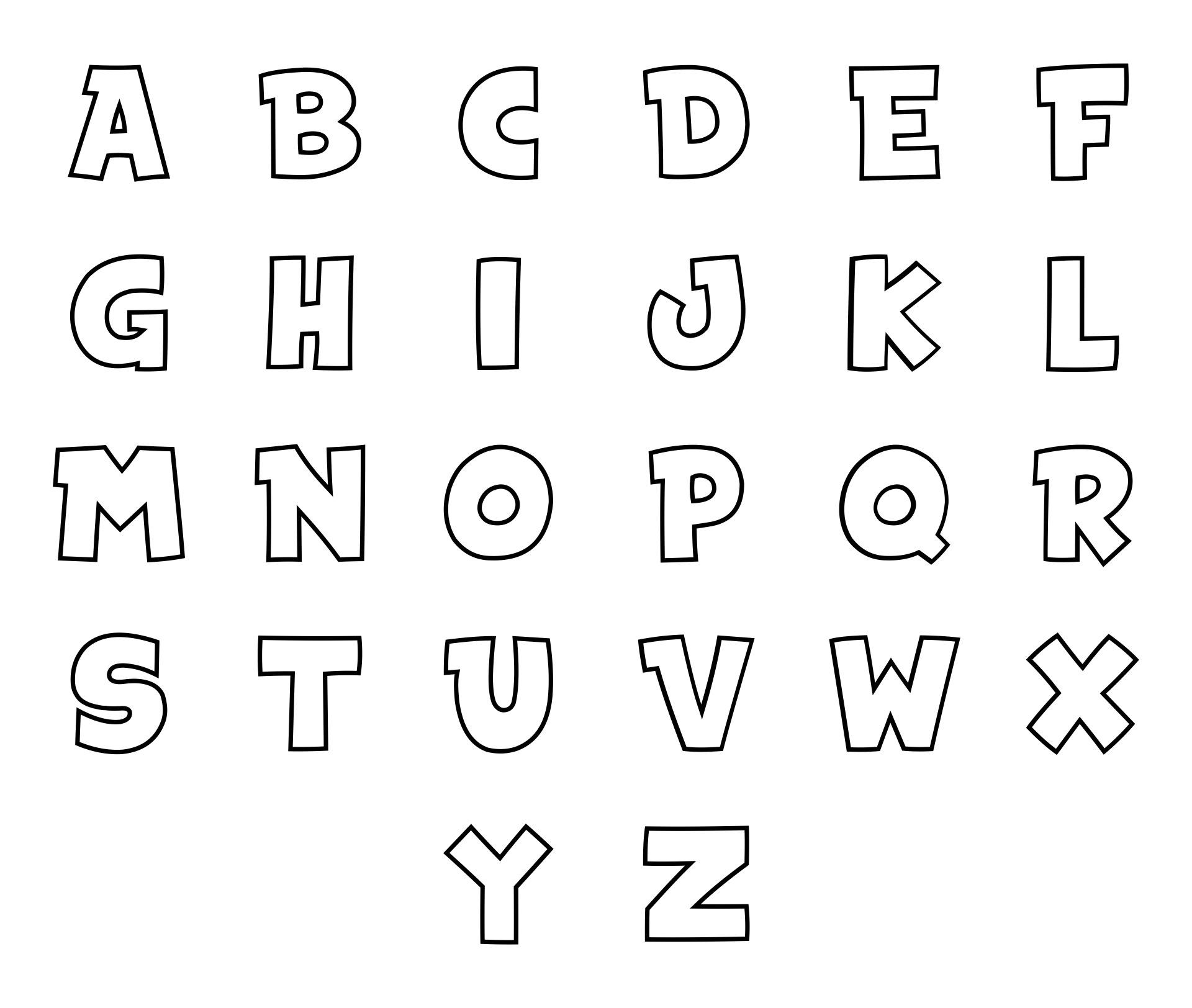
The primary purpose of the Outline Of Alphabets For Colouring is to help children learn their letters while enhancing their artistic expression. Coloring within the lines of each letter allows kids to improve their hand-eye coordination and fine motor skills. As they choose colors and fill in the outlines, they engage in decision-making and develop creativity.
For preschool and kindergarten students, this resource is particularly beneficial. At this age, children are often eager to explore through play, and what better way to introduce them to the alphabet than through coloring? You can use this resource to complement lessons on letter sounds, phonics, and vocabulary development.
Practical Uses in the Classroom
When it comes to implementing the Outline Of Alphabets For Colouring in the classroom, there are several practical approaches to consider. Here are a few ideas:
- Morning Work: Distribute the coloring sheets as morning work to help students settle into the classroom routine. This can be a calming activity that allows them to focus before the day’s lessons begin.
- Centers: Use the alphabet coloring pages as part of a learning center. Set up a station where students can practice coloring while also discussing the letters and their sounds with a peer or an educator.
- Homework Assignments: Send these sheets home as part of a homework assignment. Parents can encourage their children to color the letters while discussing words that begin with each letter, reinforcing their learning at home.
- Art Projects: Combine the coloring activity with an art project. Once students have colored their letters, they could cut them out and create a collage or a banner that spells out their name.
Downloading and Printing Tips
Once you’ve decided to incorporate the Outline Of Alphabets For Colouring into your lessons, you’ll need to download and print the resources. Here are some tips to ensure a smooth experience:
- Paper Type: Use cardstock for printing if you want the pages to hold up better, especially if your students are using heavy markers or watercolors. This prevents the paper from tearing easily and allows for vibrant colors.
- Print Settings: Choose the “Fit to Page” option in your printer settings to ensure that the letters are appropriately sized for young learners. This setting will help avoid any cropping that might occur with different paper sizes.
- Color vs. Black and White: Depending on the activity, you may want to print in color for vibrant outlines or black and white for students to color freely. Consider your goals for the lesson when choosing the format.
Engaging Activities With Outline Of Alphabets
To make the most of the Outline Of Alphabets For Colouring, you can enhance the activity with additional learning components. Here are some engaging ideas to consider:
- Letter Sounds: As children color each letter, encourage them to say the letter’s name and its sound. For instance, while coloring the letter “B,” you can prompt them to say, “B is for Ball,” reinforcing phonetic awareness.
- Word Association: After coloring, ask students to come up with words that start with the letter they colored. This helps expand their vocabulary and connect letters to meaningful concepts.
- Story Time: Use the letters as a springboard for storytelling. After coloring, have students create a short story that includes words starting with the letter they focused on. This encourages creativity and language development.
Adapting for Different Age Groups
While the Outline Of Alphabets For Colouring is primarily aimed at younger learners, it can be adapted for different age groups with a few modifications.
- Preschool and Kindergarten: For this age group, keep the outlines simple and large. Focus on basic colors and simple shapes to avoid overwhelming them.
- First and Second Grade: As students progress, you can introduce more complex designs within the letters, such as patterns or themes related to seasons or holidays. Challenge them to use a wider range of colors and techniques.
- Special Education: For students with special needs, consider modifying the outlines further. You might provide thicker outlines or simplified shapes to make it easier for them to color within the lines.
Encouraging Creativity and Individual Expression
One of the most rewarding aspects of using the Outline Of Alphabets For Colouring is witnessing the unique ways each child chooses to express themselves. Encourage students to use their imagination and creativity by allowing them to select their color palettes and designs.
You might also want to have a “gallery walk” where students display their finished letters around the classroom. This not only boosts their confidence but also fosters a sense of community and appreciation for each other’s work.