
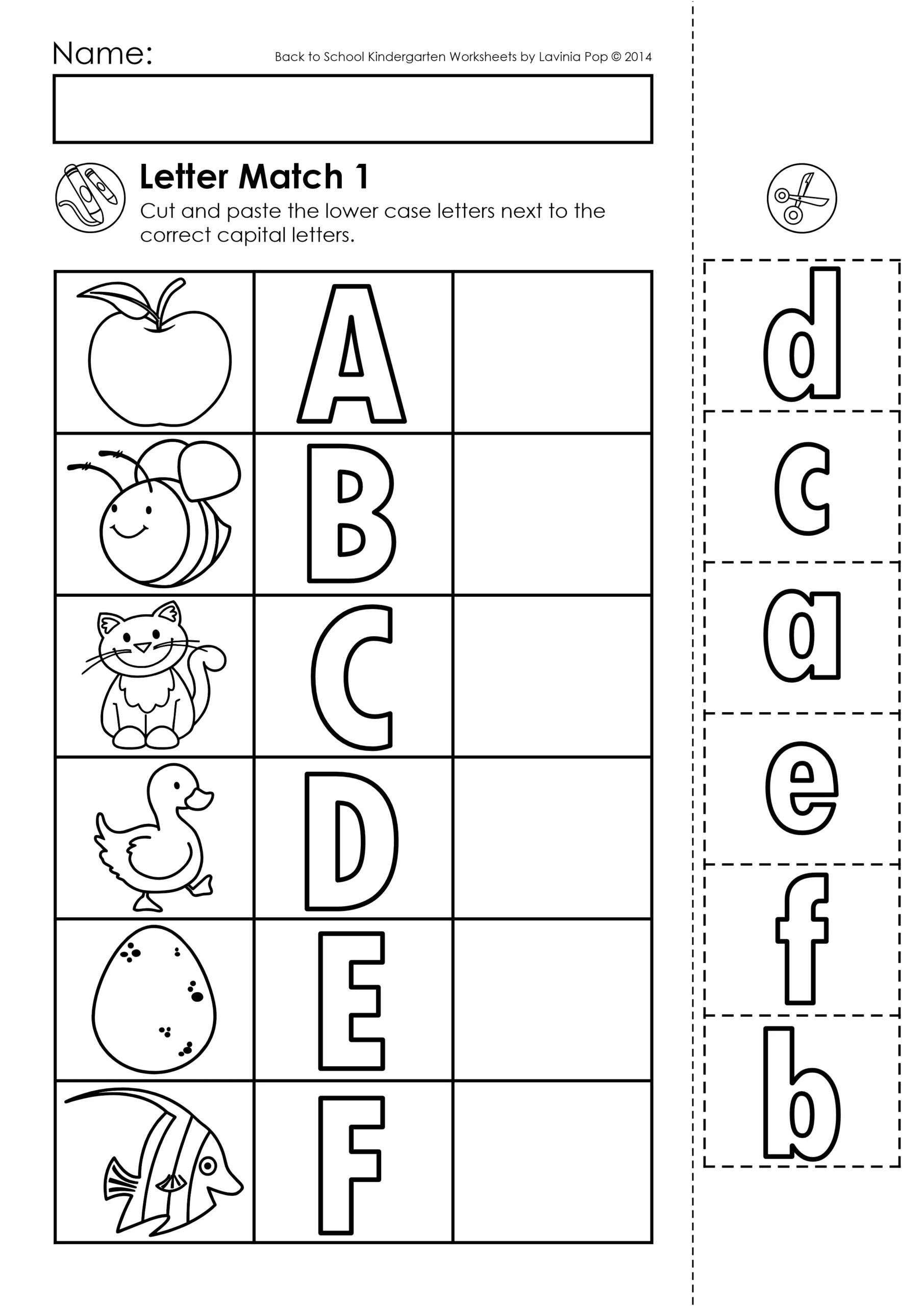
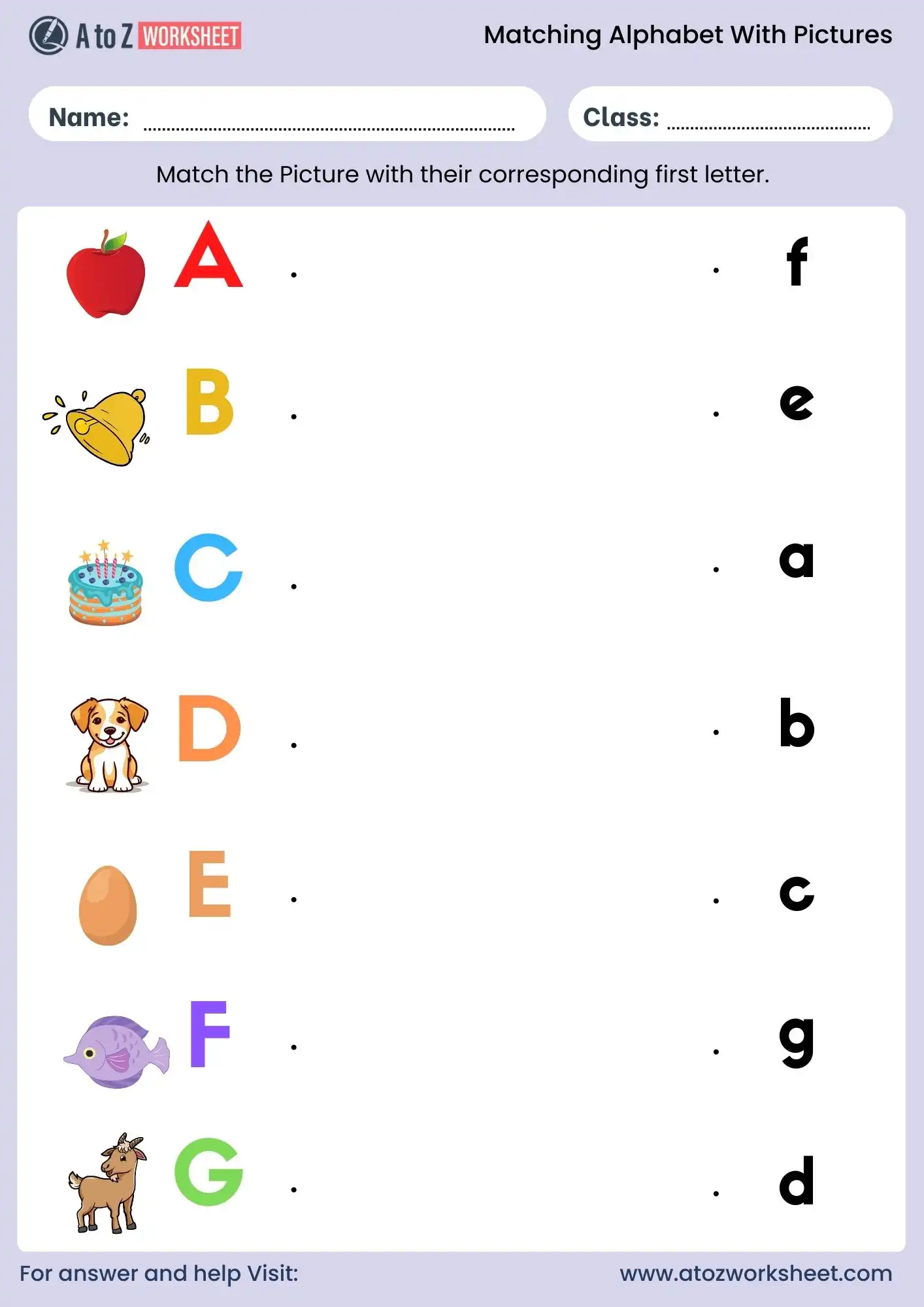
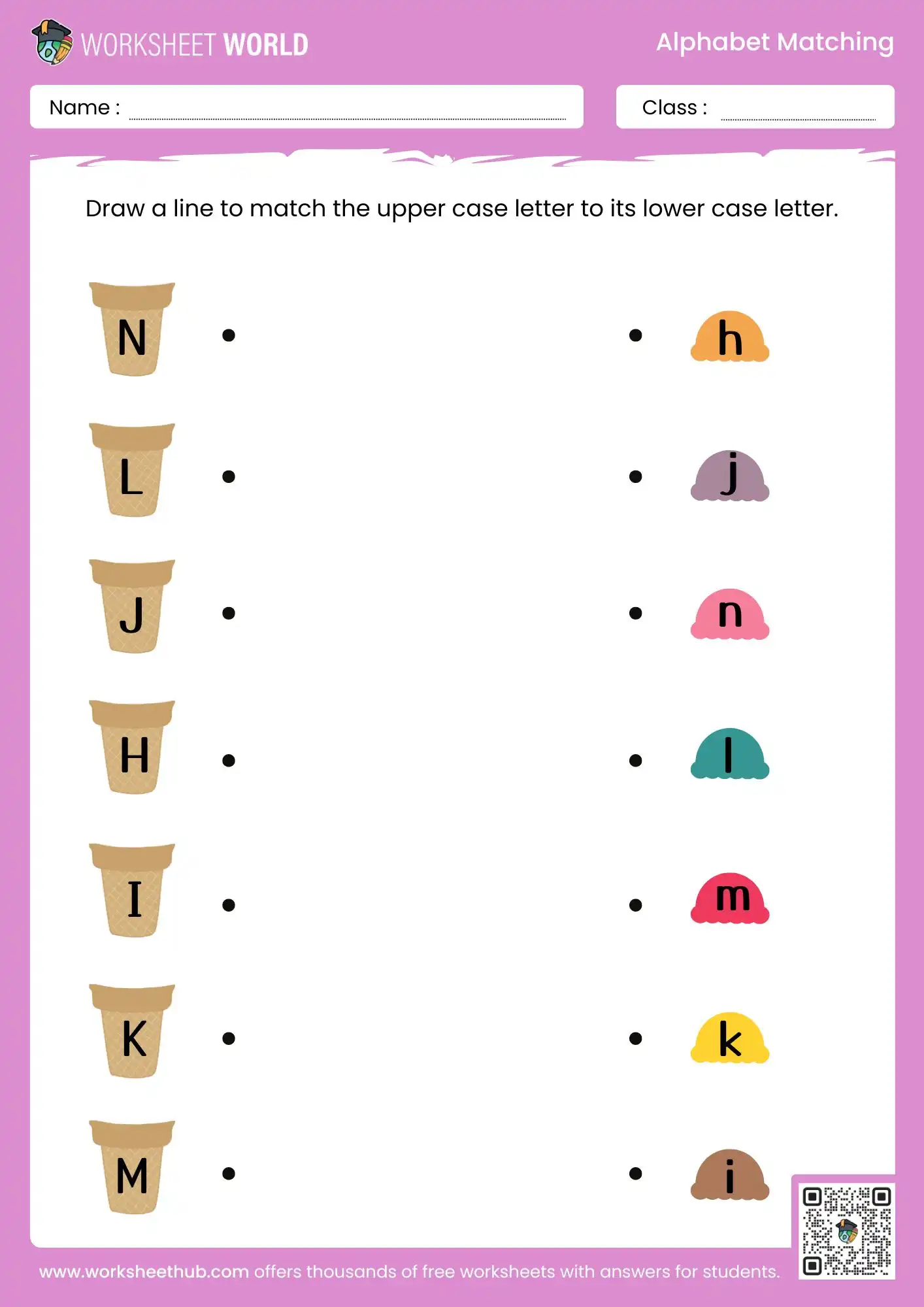
When it comes to early childhood education, engaging worksheets like Nursery Preschool Match Alphabets With Pictures Worksheets play a crucial role in developing foundational skills. These worksheets typically feature colorful images paired with letters, making learning fun and interactive for preschoolers. They help children not only recognize the letters of the alphabet but also associate them with corresponding objects, which enhances memory retention and vocabulary.
Understanding the Importance of Alphabet Recognition
Alphabet recognition is a key milestone in early literacy development. Children typically begin to recognize letters between the ages of 3 and 5. By using match worksheets, you can create a supportive learning environment that reinforces these skills. The visual association of letters with pictures aids in cognitive development, allowing children to grasp the concept of letters representing sounds and words.
These worksheets can serve multiple purposes in the classroom or at home. They can be used during circle time, as part of a literacy center, or even as a quiet activity for early finishers. Incorporating these worksheets into your lesson plans helps to keep children engaged while reinforcing their learning in a playful manner.
How to Download and Prepare the Worksheets
To get started with Nursery Preschool Match Alphabets With Pictures Worksheets, the process is straightforward. Here’s a step-by-step guide:
- Choose the Right Resource: Look for downloadable resources that offer a variety of worksheets. Ensure they are suitable for preschoolers, featuring vibrant images and clear letters.
- Download the Worksheets: Most resources come in PDF format, which is ideal for printing. PDF files maintain their formatting, ensuring that images and text appear as intended.
- Print the Worksheets: When printing, consider using a portrait layout for optimal use of space. Standard paper sizes, like letter (8.5 x 11 inches), work well for most home printers. If you have access to cardstock, it can provide durability, especially if you plan to laminate the sheets for repeated use.
- Set Up the Activity: Once printed, you can cut the worksheets into sections if needed. This can make them more manageable for little hands. You might also want to prepare some crayons or markers for children to use while completing the activity.
Engaging Children With the Worksheets
Using the Nursery Preschool Match Alphabets With Pictures Worksheets effectively means creating an engaging atmosphere. Here are some practical tips:
- Model the Activity: Begin by demonstrating how to match a letter with its corresponding picture. For instance, show them the letter “A” and the image of an apple. This helps children understand what is expected of them.
- Encourage Discussion: As children work through the worksheets, engage them in conversation. Ask questions about the pictures and letters. For example, “What sound does ‘B’ make?” or “Can you think of another word that starts with ‘C’?”
- Incorporate Movement: After completing the worksheets, consider a movement activity where children jump to the letter you call out or find an object in the room that starts with that letter. This combination of physical activity with learning enhances memory retention.
- Use in Small Groups: If you’re in a classroom setting, consider using these worksheets in small groups. This allows for more personalized attention and can encourage peer learning as children discuss their answers with each other.
Assessing Progress and Skill Development
After using the Nursery Preschool Match Alphabets With Pictures Worksheets, it’s beneficial to assess your students’ progress. Here are some methods to evaluate their understanding:
- Observation: Pay attention to how quickly and accurately children complete the worksheets. Are they able to recognize the letters and match them to the pictures without assistance?
- Follow-Up Activities: Create follow-up activities that reinforce the letters they’ve learned. This could include a scavenger hunt for items that start with specific letters or a storytelling session where they share their favorite letter and picture.
- Portfolio Creation: Keep track of each child’s progress by creating a portfolio of their completed worksheets. This not only helps you assess their skills over time but also provides a tangible way for children to see their growth.
- Feedback and Encouragement: Provide positive feedback as they work through the worksheets. Celebrate their successes, no matter how small, to foster a love of learning.
Using Nursery Preschool Match Alphabets With Pictures Worksheets is a practical and enjoyable way to develop critical early literacy skills. By incorporating these activities into your teaching or home learning environment, you’re setting children up for success as they embark on their educational journeys.
One key detail to remember is that using colorful images can significantly enhance engagement; children are naturally drawn to bright visuals, which can make learning feel like play.