
The Musical Alphabet Worksheet Answer Key is an invaluable resource for educators and parents alike. This worksheet, typically structured for students in grades 1-3, focuses on the basic concepts of music, including notes and their corresponding names. With this printable resource, you can provide a fun and engaging way to reinforce music theory in the classroom or at home.
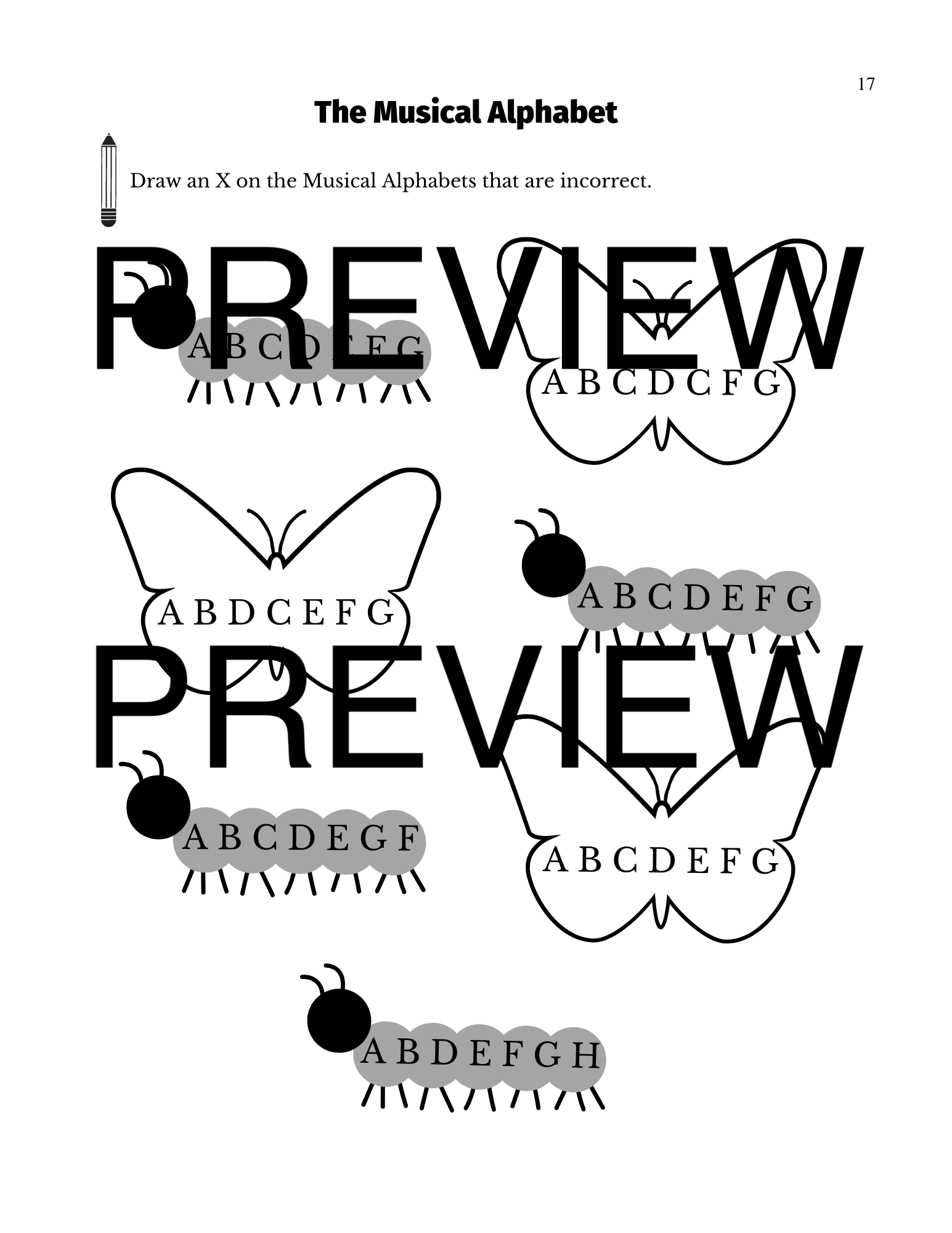
Understanding the Musical Alphabet
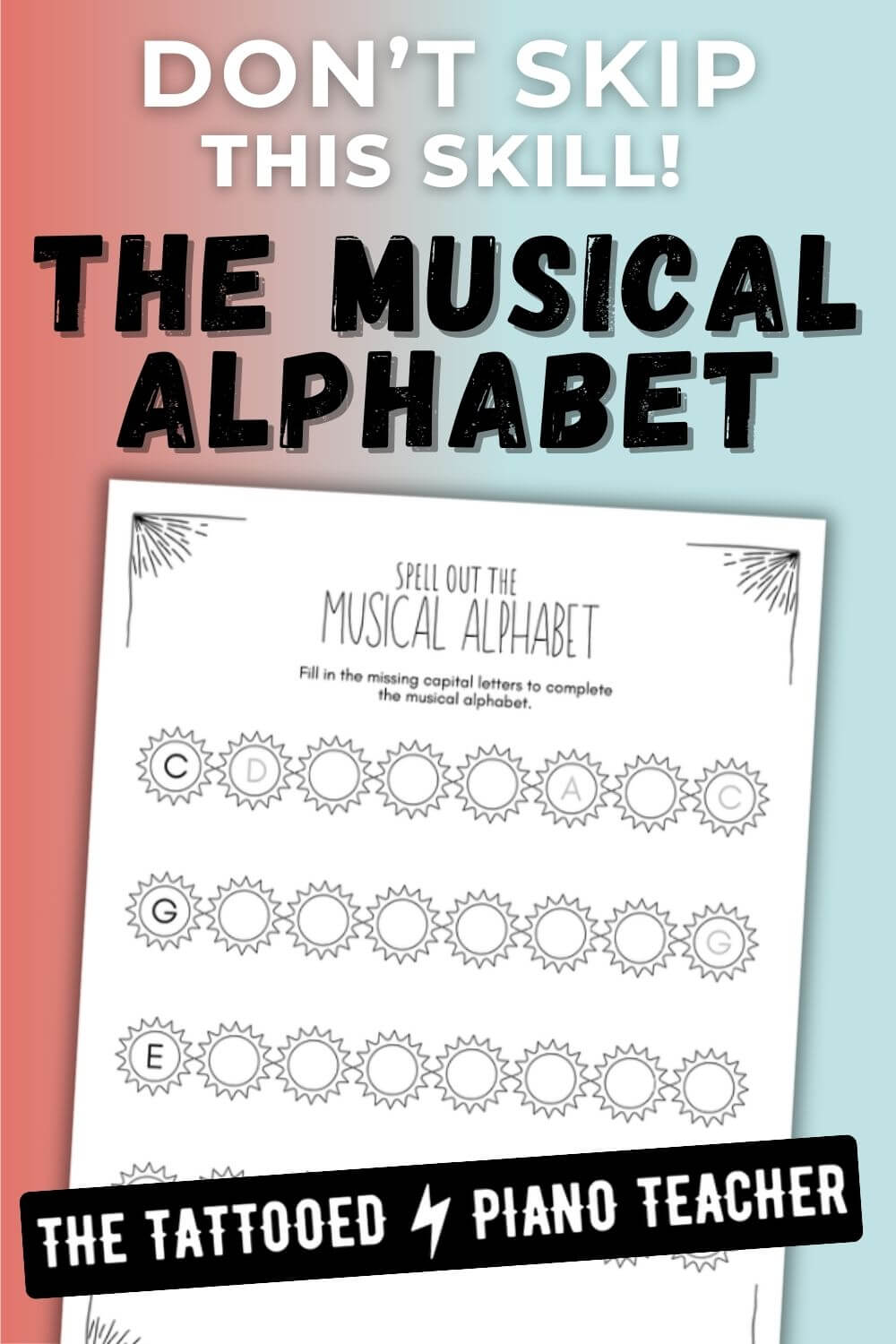
The musical alphabet consists of seven letters: A, B, C, D, E, F, and G. Understanding this foundational concept is crucial for students embarking on their musical journey. The Musical Alphabet Worksheet Answer Key helps clarify these notes, allowing educators to assess student comprehension effectively.
When introducing the worksheet, start by explaining the significance of each note. You might mention that these letters represent specific pitches and are the building blocks of music. This foundational knowledge sets the stage for further exploration into scales, chords, and melodies.
Using the Worksheet Effectively
To maximize the benefits of the Musical Alphabet Worksheet Answer Key, follow these steps:
- Download the Resource: Ensure you have the correct version of the worksheet. Most resources are available in PDF format, which maintains the layout during printing.
- Prepare for Printing: Check your printer settings. A standard letter size (8.5 x 11 inches) usually works best. If you plan to use the worksheet multiple times, consider printing on cardstock for durability.
- Set Up a Learning Environment: Create a comfortable space for your students or children to work on the worksheet. Ensure they have access to colored pencils or markers. This can make the activity more engaging and visually appealing.
- Introduce the Activity: Before handing out the worksheets, explain what the students will be doing. You might say, “Today, we’re going to learn about the musical alphabet! Each letter represents a note. Let’s fill in the worksheet together.”
- Monitor Progress: As students work through the worksheet, walk around and observe their understanding. Use the answer key to guide them, but allow them to attempt the questions independently first. This will help you gauge their mastery of the concept.
Checking Student Mastery
The ultimate goal of using the Musical Alphabet Worksheet is to assess whether your students grasp the musical alphabet. Here are some indicators to look for:
- Correct Answers: Use the answer key to check if students are accurately identifying the notes. This is the most straightforward measure of understanding.
- Engagement Levels: Are students actively participating? If they seem excited to discuss the notes or ask questions, that’s a good sign they’re absorbing the material.
- Follow-Up Questions: Encourage students to ask questions about the worksheet. If they’re curious about how these notes fit into songs or scales, it shows they’re thinking critically about the subject.
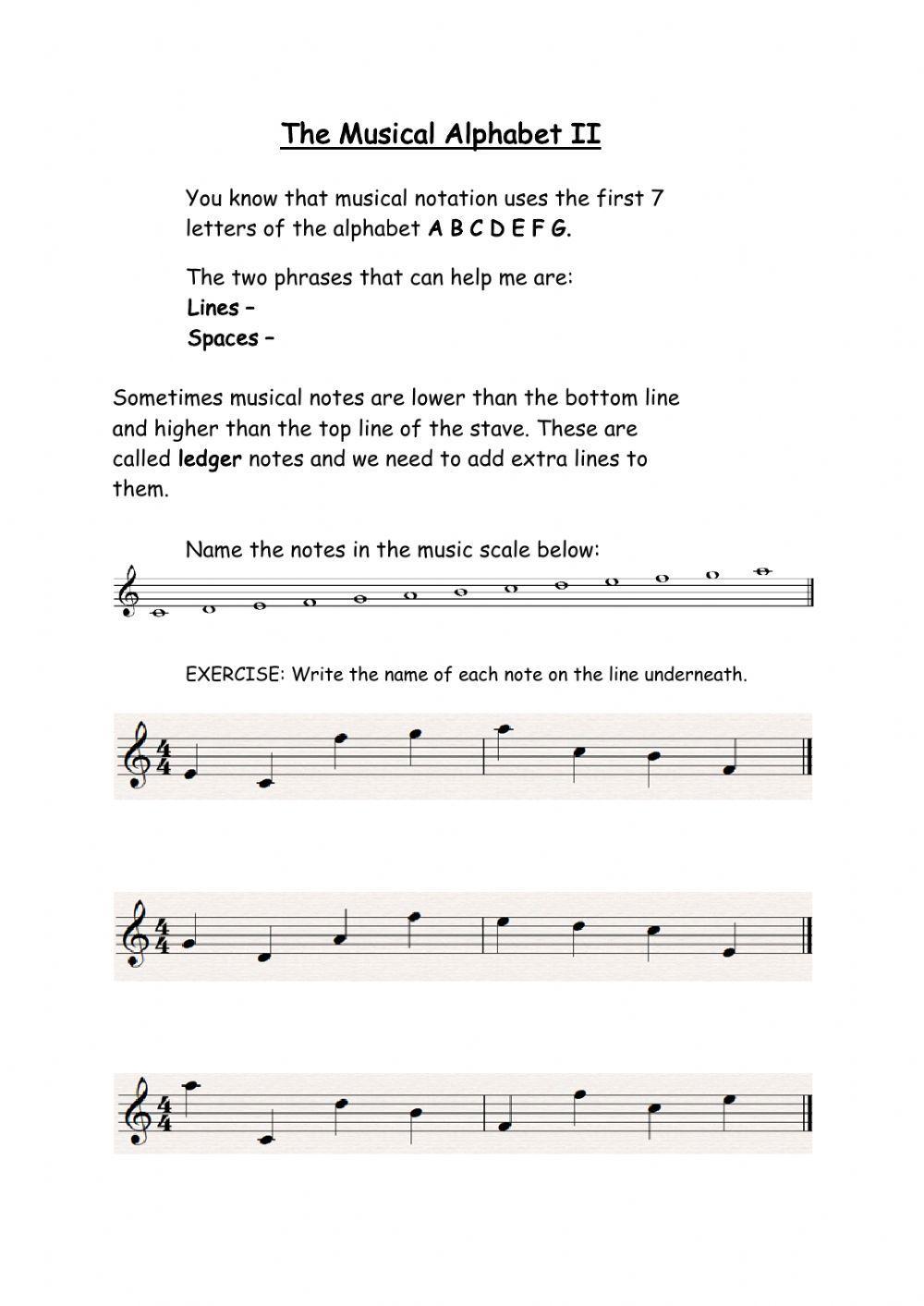
Expanding Beyond the Worksheet
While the Musical Alphabet Worksheet Answer Key is a fantastic starting point, consider incorporating additional activities to deepen understanding. Here are a few ideas:
- Musical Games: Introduce games that involve identifying notes on a staff or matching notes to their sound. This can reinforce the learning while keeping it fun.
- Incorporate Instruments: If possible, use instruments to demonstrate the notes being discussed. For instance, playing a piano can help students hear the differences between the notes they’re learning about.
- Create Your Worksheets: Encourage students to create their worksheets by asking them to write out the musical alphabet or draw corresponding symbols. This activity promotes creativity and reinforces their understanding.
By using the Musical Alphabet Worksheet Answer Key effectively, you can create a comprehensive learning experience that not only teaches students about music theory but also ignites a passion for learning.