
Matching Objects With Alphabets Worksheets are an excellent resource for teachers and parents aiming to enhance children’s literacy skills. These worksheets engage young learners by combining letters with corresponding objects, making it easier to memorize the alphabet through visual association. provide practical guidance on how to effectively utilize these worksheets in a classroom or homeschooling setting.
Understanding the Purpose of Matching Objects With Alphabets Worksheets
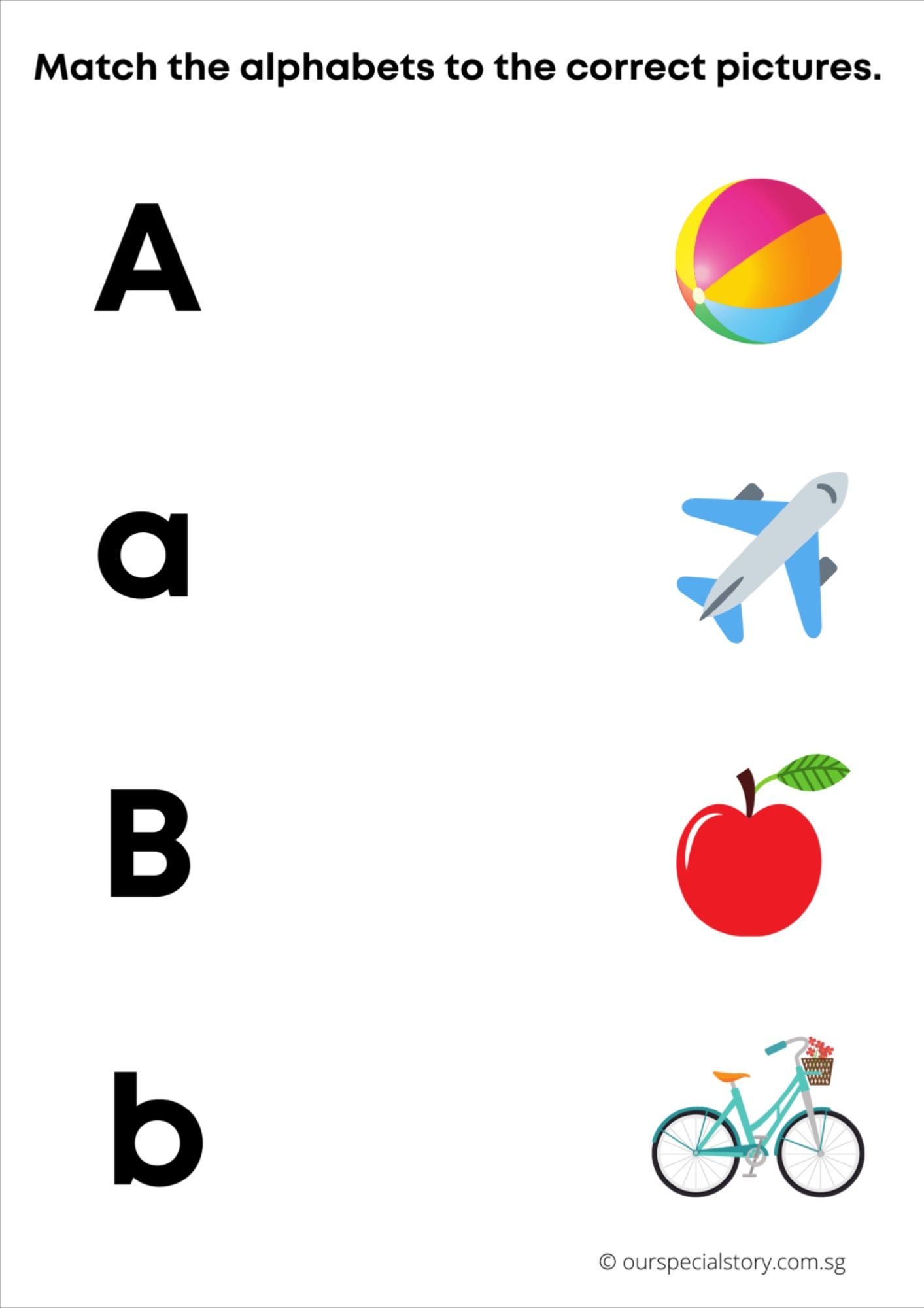
The primary goal of Matching Objects With Alphabets Worksheets is to help preschool and early elementary students connect letters to familiar objects. For instance, the letter “A” might be paired with an apple, while “B” could correspond with a ball. This method not only helps in letter recognition but also enriches vocabulary and enhances cognitive skills.
When kids engage with these worksheets, they aren’t just learning letters; they’re also practicing their fine motor skills through writing and drawing activities. This multi-faceted approach can lead to better retention of information and a more enjoyable learning experience.
Classroom Setup for Using Worksheets
When preparing to use Matching Objects With Alphabets Worksheets in a classroom, consider the following practical steps:
- Printing the Worksheets: Choose high-quality paper for better durability. Cardstock is an excellent choice, especially if you plan to laminate the worksheets for repeated use. Portrait layout typically works best for most home printers, ensuring that the text and images are clear and easy to see.
- Organizing Materials: Gather colored pencils or crayons for students to use when coloring the objects. This not only makes the activity more engaging but also allows for creativity. Having a set of markers can also be beneficial for older students who may wish to write or highlight letters.
- Group Activities: If you’re teaching a larger class, consider grouping students for collaborative learning. Pairing children helps them to discuss their answers and learn from each other. This social interaction can enhance their understanding and make the learning process more enjoyable.
- Answer Key Preparation: Always have an answer key ready to streamline grading and feedback. This will allow you to quickly assess student understanding and provide help where needed.
Engaging Activities With Worksheets
Using Matching Objects With Alphabets Worksheets doesn’t have to be limited to just matching letters with objects. Here are a few engaging activities to enhance learning:
Interactive Matching Games
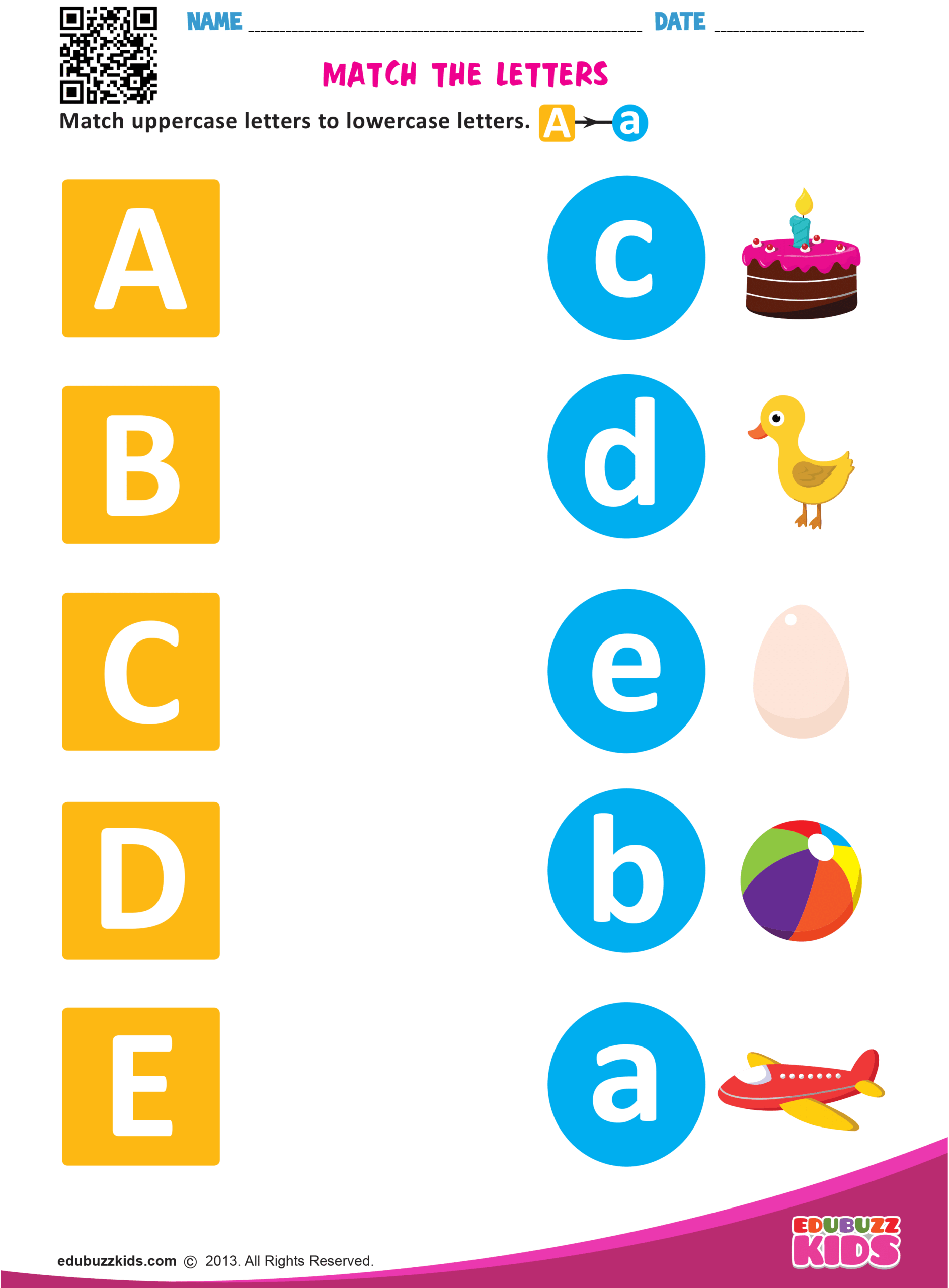
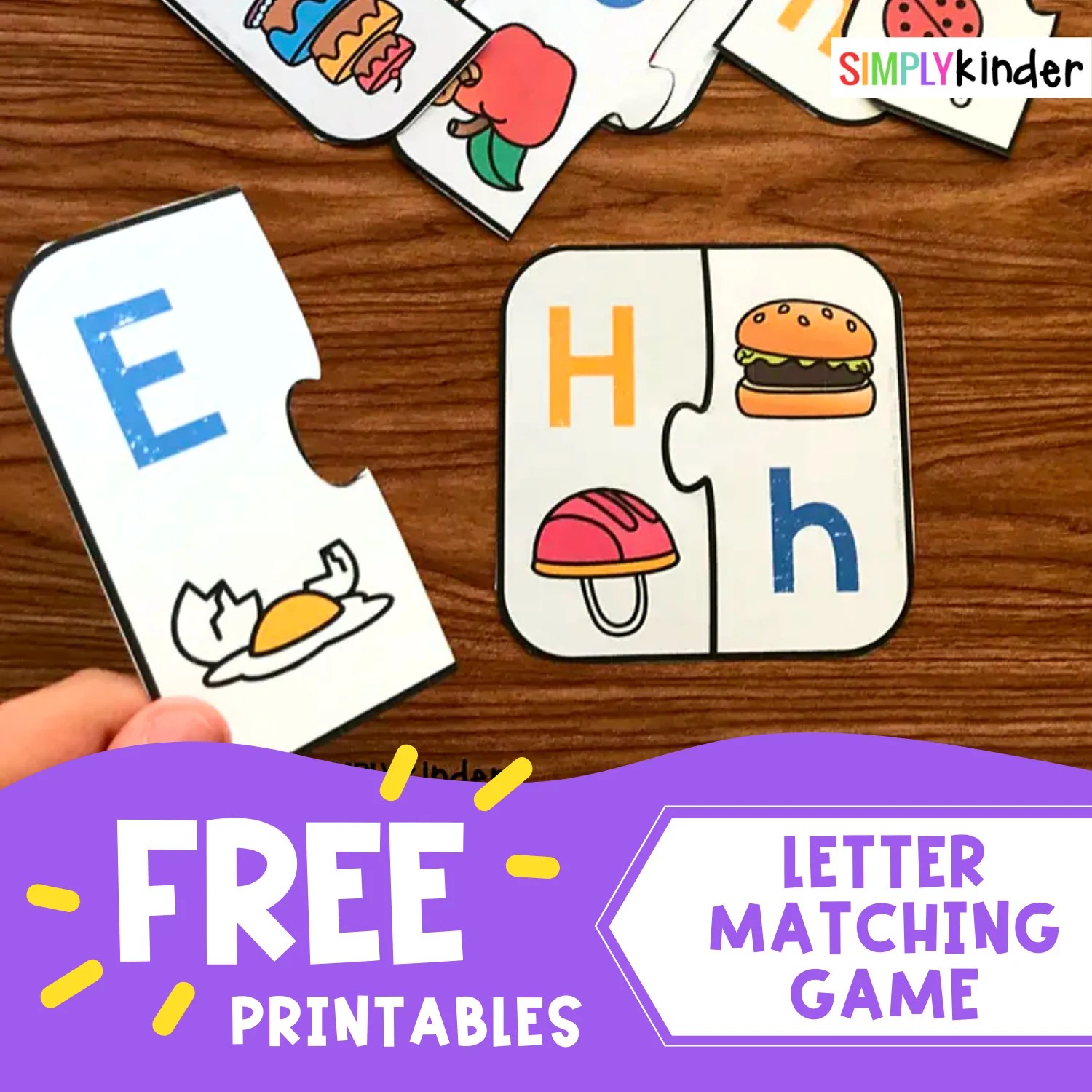
Create an interactive matching game by cutting out the objects and letters from the worksheets. Place them in a bag and have students draw one item at a time, matching it to the corresponding letter on their worksheet. This hands-on approach can make learning more dynamic and memorable.
Alphabet Scavenger Hunt
Turn the worksheets into a scavenger hunt by asking students to find objects around the classroom or home that start with each letter. For example, for the letter “C,” they might bring in a cat toy or a cup. This activity reinforces their understanding of letter sounds and encourages movement, which is important for young learners.
Artistic Expression
Encourage students to draw their own objects that start with each letter. For instance, for “D,” they could draw a dog or a dinosaur. This not only reinforces the letter-sound connection but also allows for creativity and personal expression.
Tips for Effective Use of Worksheets
To maximize the effectiveness of Matching Objects With Alphabets Worksheets, consider these practical tips:
- Consistency is Key: Regularly incorporate these worksheets into your lesson plans. Repetition helps reinforce learning, so using them weekly can significantly boost letter recognition over time.
- Adapt to Different Learning Styles: Recognize that children learn differently. Some may benefit from visual aids, while others might thrive with auditory or kinesthetic activities. Tailor your approach based on the needs of your students.
- Encourage Parent Involvement: Send worksheets home for additional practice. Encourage parents to sit with their children while they complete the worksheets, turning it into a family activity that promotes learning in a fun environment.
- Utilize Technology: If possible, consider using tablets or computers to access digital versions of the worksheets. Many educational apps focus on matching letters with objects, providing an interactive alternative that can complement the printed worksheets.