
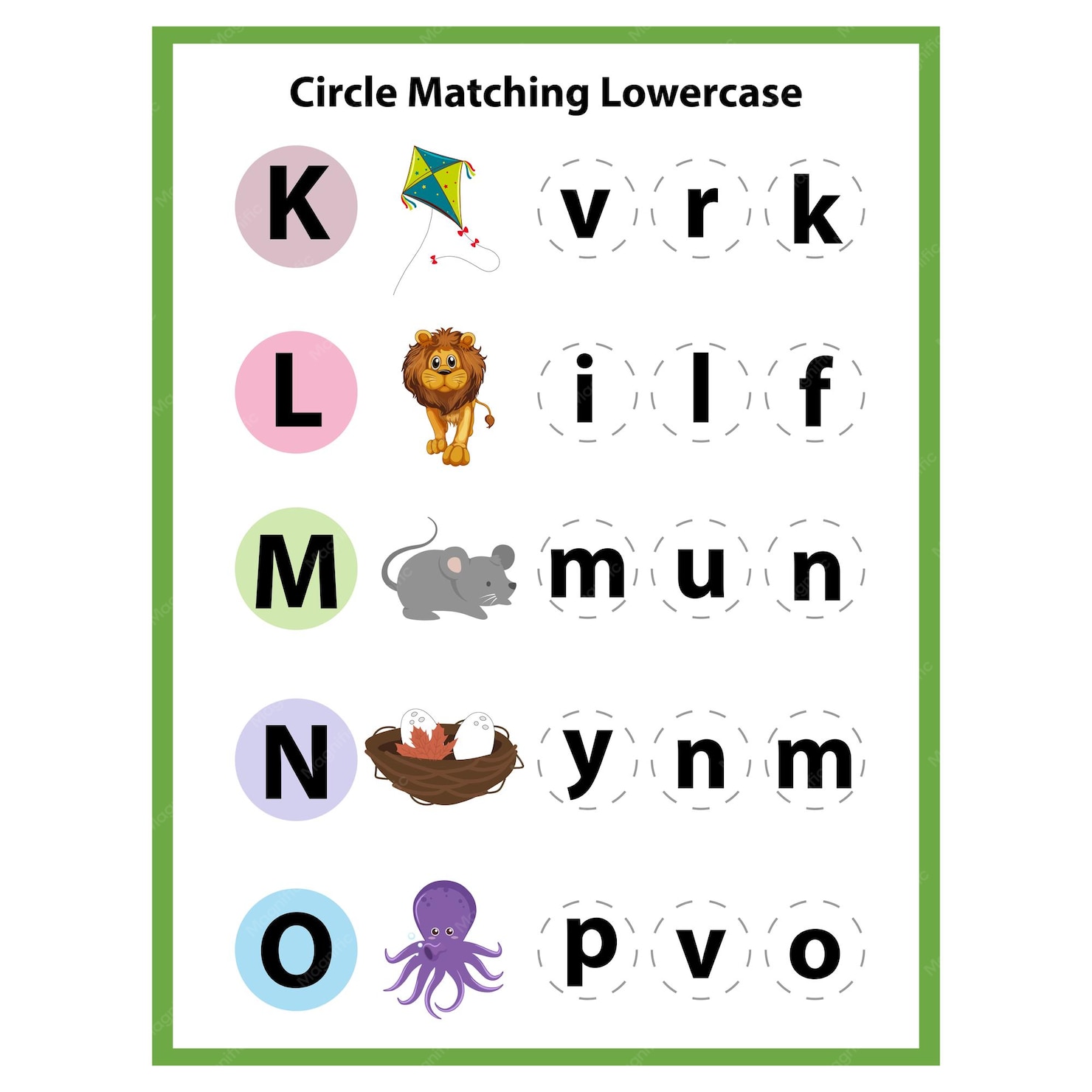
Using a Matching Alphabet Worksheet for Toddlers can significantly enhance early literacy skills. This resource helps young children engage with the alphabet by matching letters with corresponding images, fostering both recognition and recall. Here’s how to effectively use this worksheet in your classroom or at home, ensuring that your little learners get the most out of this activity.
Understanding the Purpose of the Worksheet
The primary goal of the Matching Alphabet Worksheet is to reinforce letter recognition. For toddlers, typically aged 2 to 4 years, this activity offers a hands-on approach to learning the alphabet. By associating letters with familiar images—like “A” for apple or “B” for balloon—children can better understand the sounds letters make, which is a foundational skill for reading.
How to Prepare the Matching Alphabet Worksheet
Downloading the Worksheet
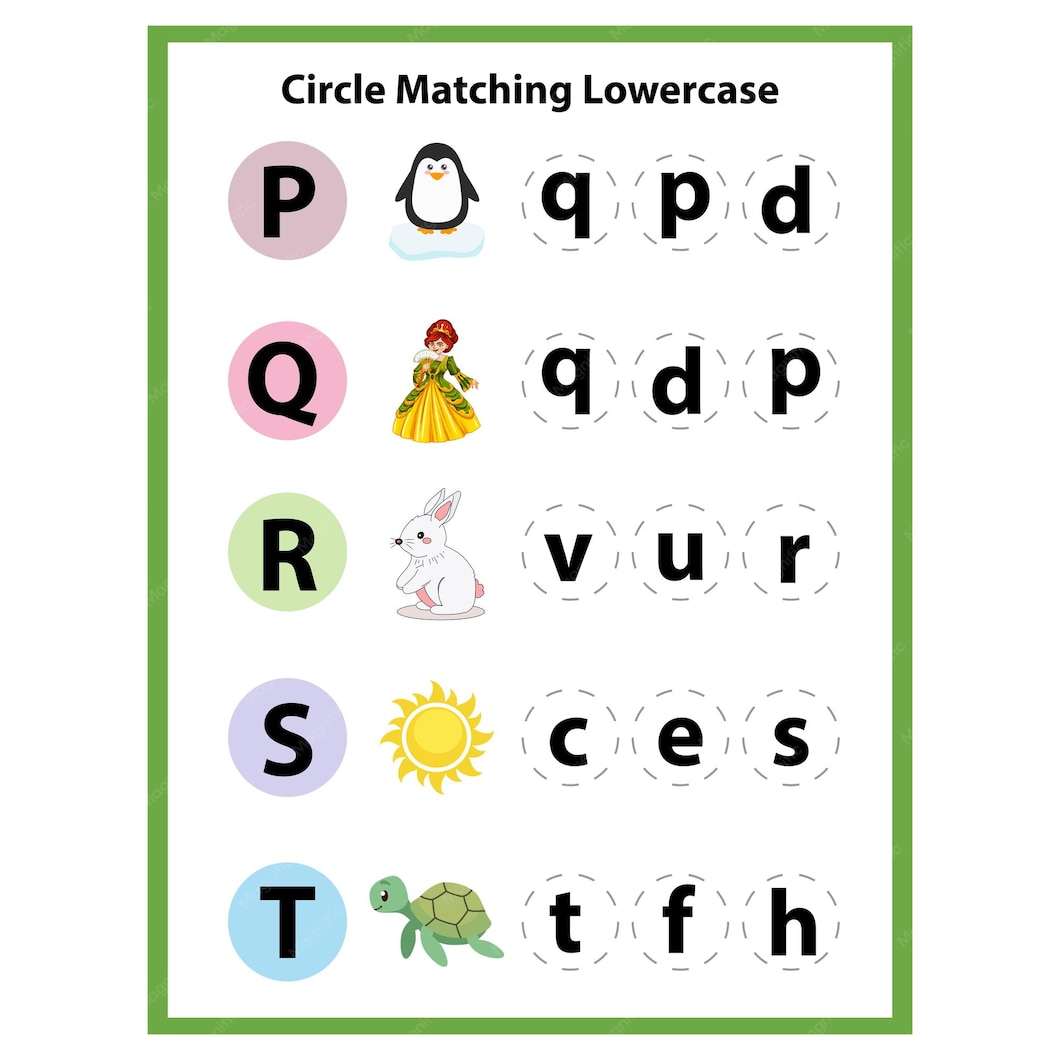
Start by locating a suitable Matching Alphabet Worksheet for Toddlers online. Look for resources that are free to download in PDF format, as this format is easy to print and widely compatible with most devices. Ensure that the worksheet includes a variety of letters and corresponding images to keep the activity engaging.
Printing Tips
When you’re ready to print, consider using cardstock instead of regular printer paper. Cardstock is sturdier and can withstand the enthusiastic handling of toddlers. Set your printer to the portrait layout, which tends to display the worksheet clearly and allows for easy handling by small hands. Adjust your print settings to ensure that colors are vibrant, making the images appealing to young learners.
Setting Up the Activity
Before introducing the worksheet to your toddlers, gather some basic supplies:
- Crayons or colored pencils for coloring.
- Safety scissors if you want to incorporate a cutting activity.
- Glue if you wish to create a matching game with cut-out pieces.
Spread out the materials on a clean, flat surface where children can work comfortably. A table or a large mat on the floor can be a great choice.
Engaging Toddlers With the Worksheet
Introducing the Activity
Begin by showing the toddlers the worksheet and explaining what they will be doing. Point out the letters and the images, encouraging them to say the names of both. This verbal engagement helps reinforce their learning. For instance, you can say, “What letter is this? Can you find something that starts with the letter ‘A’?” This approach builds excitement and curiosity.
Matching and Coloring
As they work through the worksheet, encourage them to draw lines connecting the letters to the corresponding images. This not only helps with letter recognition but also enhances fine motor skills. Once they’ve completed the matching, let them color the images. This adds an element of creativity to the learning experience, making it more enjoyable.
Expanding the Activity
To deepen their understanding, you can expand the activity in several ways:
- Sound Games: After completing the worksheet, ask the children to say the sound that each letter makes. This reinforces phonemic awareness.
- Memory Matching: Cut out the letters and pictures to create a memory matching game. Place them face down and take turns flipping them over to find pairs.
- Storytime: Incorporate books that feature the letters and images used in the worksheet. Reading stories that highlight the alphabet can create a richer context for their learning.
Assessing Learning Progress
As your toddlers engage with the Matching Alphabet Worksheet, take note of their progress. Are they recognizing letters quickly? Can they associate the sounds accurately? Use this informal assessment to gauge their understanding and adjust your teaching strategies accordingly. If some children are struggling, consider revisiting the letters with additional practice or using different resources that cater to their specific needs.
Additional Resources for Alphabet Learning
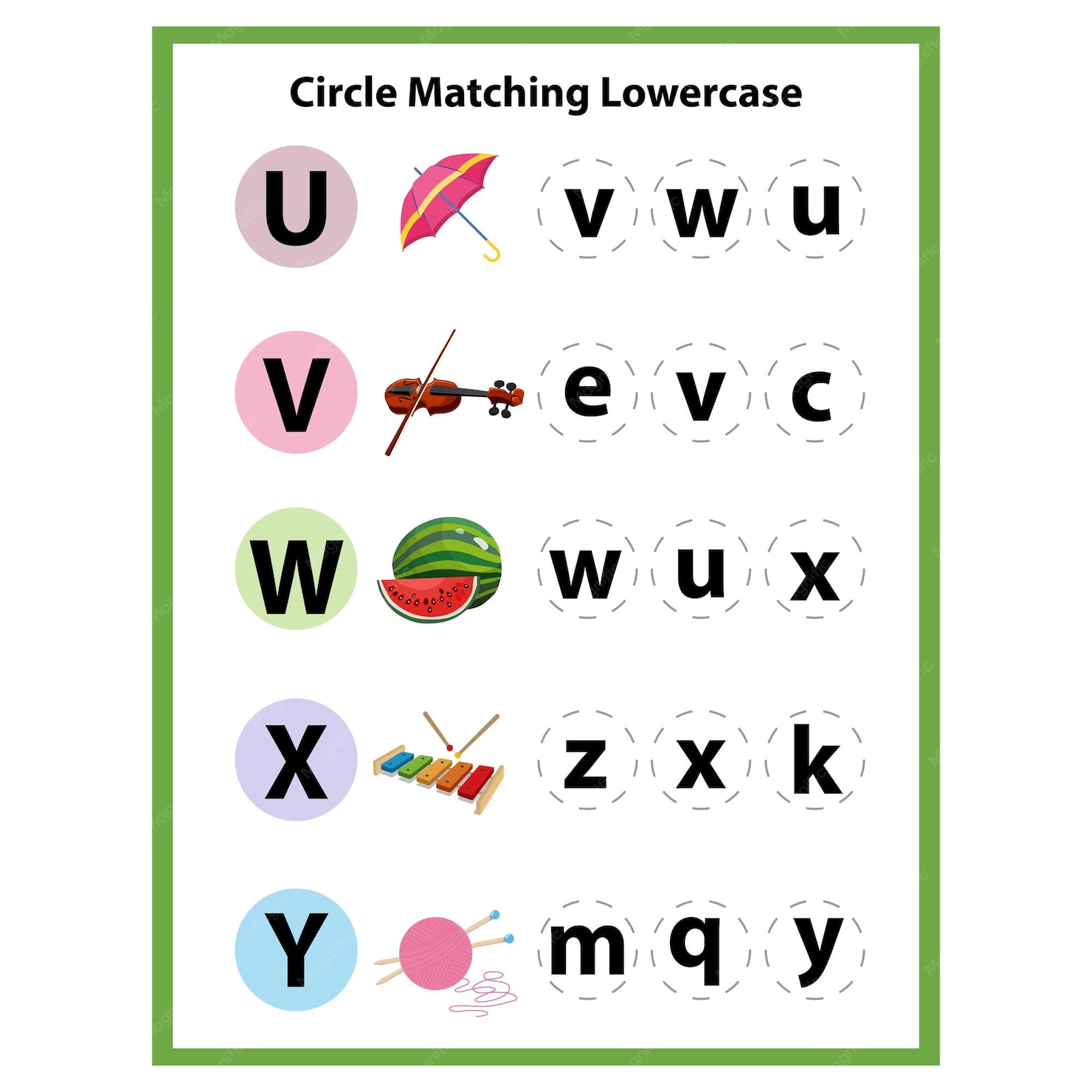
While the Matching Alphabet Worksheet for Toddlers is a fantastic tool, consider integrating other resources to diversify learning experiences:
- Alphabet Flashcards: These can be used for quick recognition exercises.
- Interactive Apps: There are many educational apps designed for early learners that reinforce letter sounds and recognition through games.
- Songs and Rhymes: Alphabet songs can make learning fun and memorable. Singing along helps reinforce what they’ve learned through the worksheet.
Incorporating a variety of resources ensures that children remain engaged and enthusiastic about learning.
Using a Matching Alphabet Worksheet for Toddlers effectively combines play with education, making it a valuable tool in any early learning environment. By preparing thoughtfully and engaging toddlers in creative ways, you can foster a love for letters that will serve as a foundation for their future reading skills. Remember, the key is to keep the experience enjoyable and interactive, ensuring that each child feels successful in their learning journey.