
Using a worksheet format that supports early literacy skills, the “Match The Following Alphabets With Pictures Worksheets” is designed to help young learners connect letters with corresponding images. This resource is particularly effective for preschool and kindergarten students who are beginning to grasp the foundational concepts of reading and writing. Each worksheet typically includes a series of letters paired with images, making it visually appealing and interactive, encouraging children to engage actively with the material.
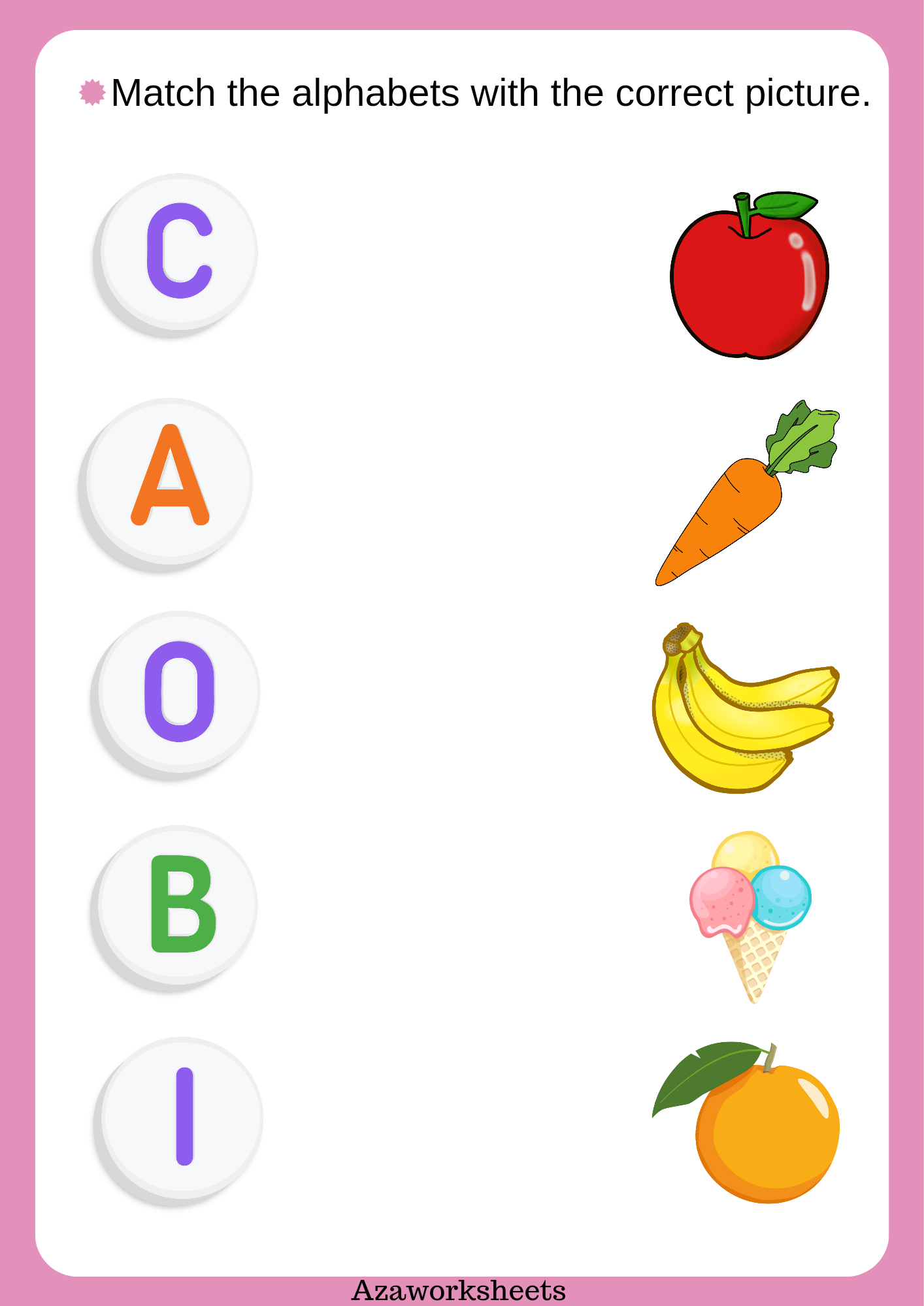
Understanding the Layout of the Worksheets
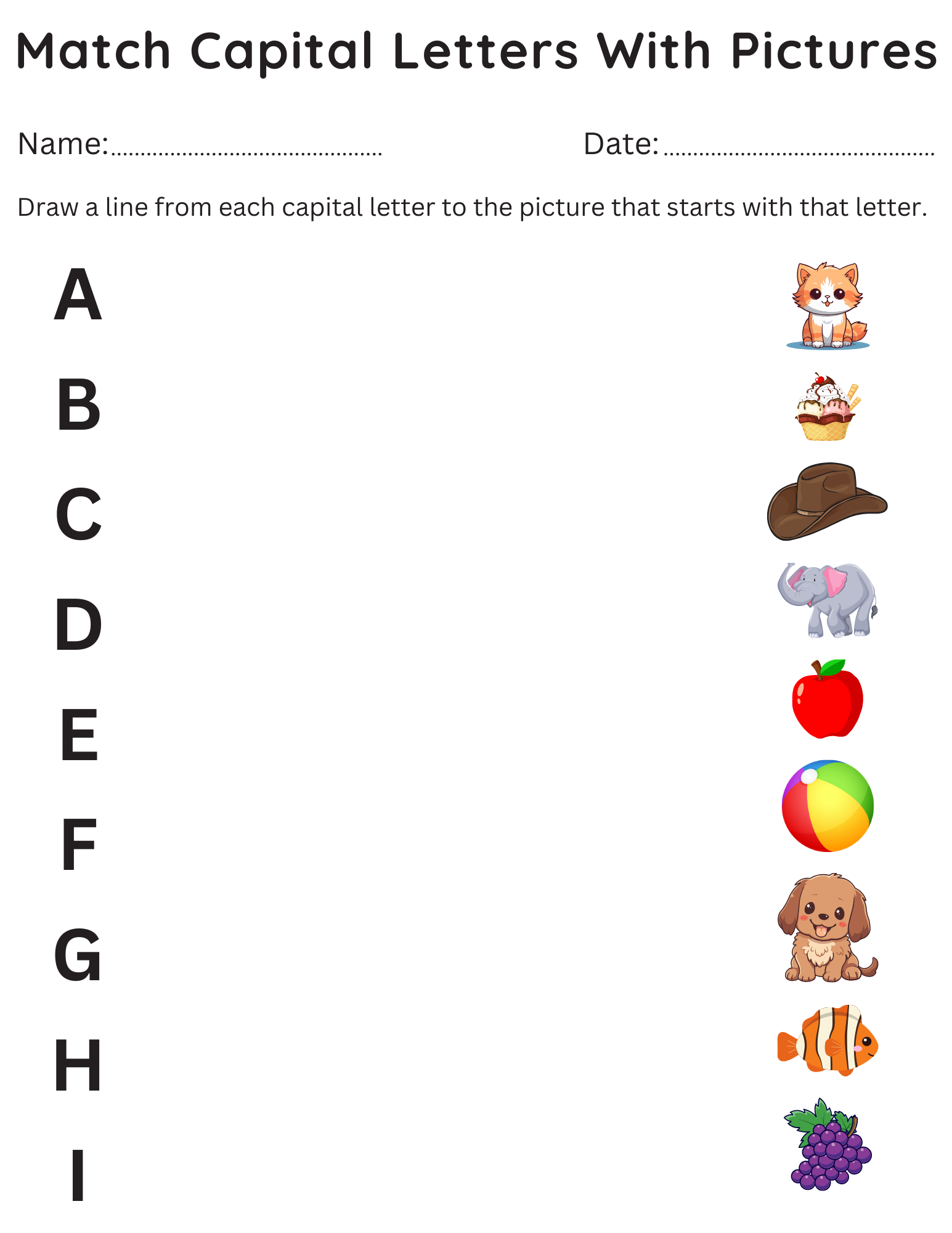
Each worksheet is structured to promote clarity and engagement. You’ll notice that the layout usually features a clean design with ample white space. This design choice is intentional, as it helps to prevent overwhelming young learners. The letters are typically printed in bold font, which not only makes them easy to read but also draws attention to the task at hand.
Images are usually aligned next to the corresponding letters, which aids visual learners in making connections between the letter and its sound. For example, you might see the letter “A” next to an apple, reinforcing the phonetic sound of the letter. This combination of letters and pictures is an effective way to enhance memory retention while making the learning process enjoyable.
Benefits of Using Match The Following Worksheets
Using “Match The Following Alphabets With Pictures Worksheets” offers numerous benefits for both teachers and students.
- Engagement: The combination of letters and pictures keeps children interested. Visual aids are particularly effective at this stage in their learning journey, helping to sustain attention.
- Repetition: These worksheets can be used repeatedly over a week or more to reinforce learning. Spacing out practice sessions helps solidify the connection between the letter and the image, making it easier for children to recall the information later.
- Skill Assessment: As a teacher, you can track progress by observing how well students complete these worksheets. You can easily identify which letters they struggle with and adjust your teaching strategies accordingly.
- Versatility: These worksheets are suitable for various educational settings, including classrooms, homeschools, or even at home. They can be printed in bulk and used as a daily activity or as part of a larger curriculum.
Practical Tips for Implementation
When introducing “Match The Following Alphabets With Pictures Worksheets” in your teaching, consider the following practical tips to maximize their effectiveness:
- Start with Familiarity: Before handing out the worksheets, engage students in a discussion about the letters and associated images. This primes their minds for the activity and creates a context for the learning.
- Use in Small Groups: If possible, work with small groups to provide more individualized instruction. This allows you to address specific questions and foster a more interactive learning environment.
- Combine With Other Activities: Pair these worksheets with related activities such as singing the alphabet song, reading picture books that emphasize letter sounds, or using physical letter manipulatives. This multi-sensory approach enhances learning and keeps things fresh.
- Encourage Sharing: After completing the worksheets, have students share their favorite letters and images with the class. This promotes verbal skills and reinforces their learning through discussion.
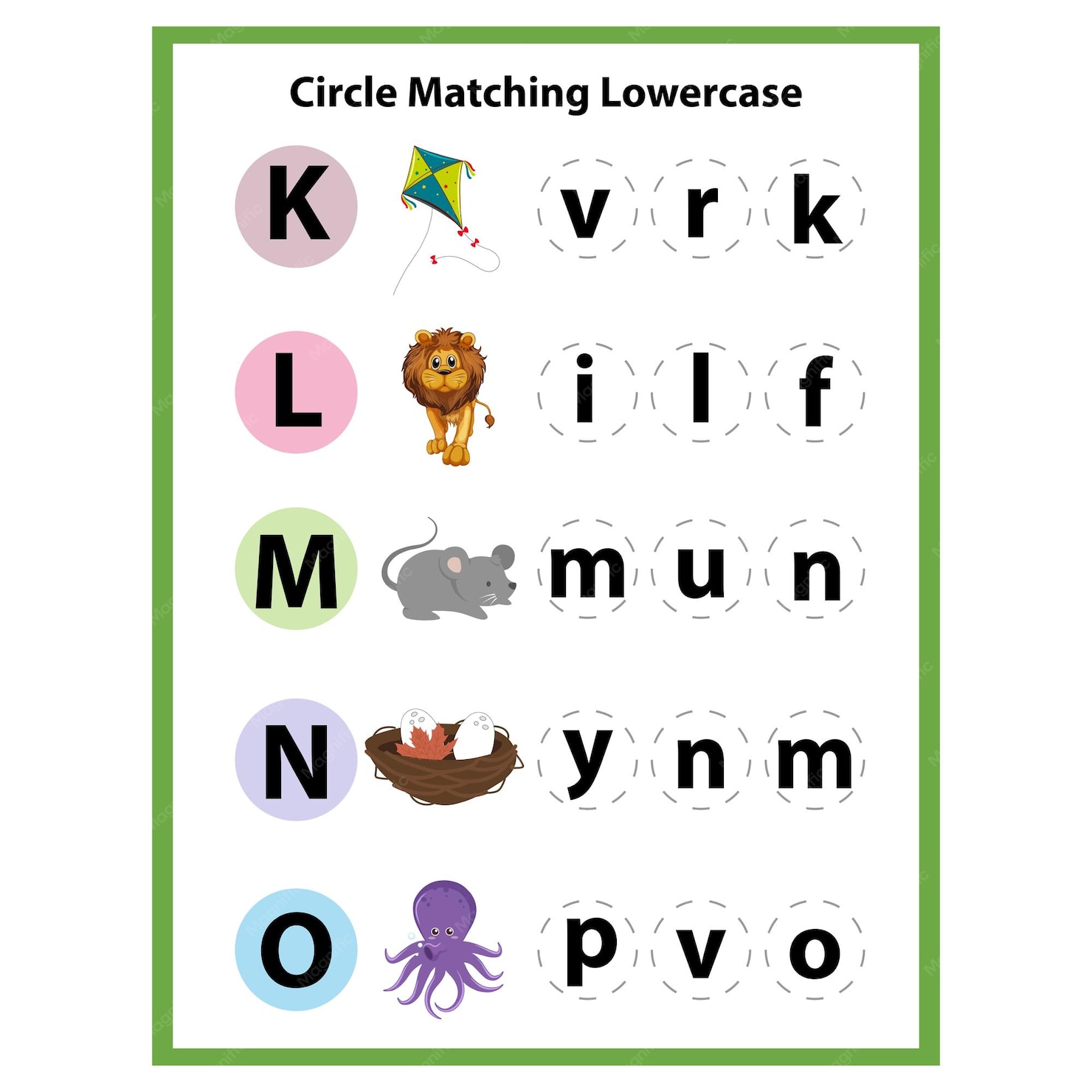
Printable Resource Considerations
When preparing to print these worksheets, keep a few practical considerations in mind:
- Paper Quality: For worksheets that will be frequently used, consider printing on cardstock. This material holds up better to repeated handling, especially if the worksheets will be colored or written on.
- Printer Settings: If you’re using a standard home printer, select the portrait layout, as it is generally easier for young children to handle. Make sure to adjust the print quality settings to ensure that both text and images are crisp and clear.
- Digital Access: If you opt for digital versions, ensure that the files are in PDF format. PDFs maintain formatting across different devices, preventing any issues with layout or design when viewed on different screens.
- Reuse and Recycling: Consider laminating the worksheets for durability. This allows students to use dry-erase markers, making the worksheets reusable and eco-friendly.