
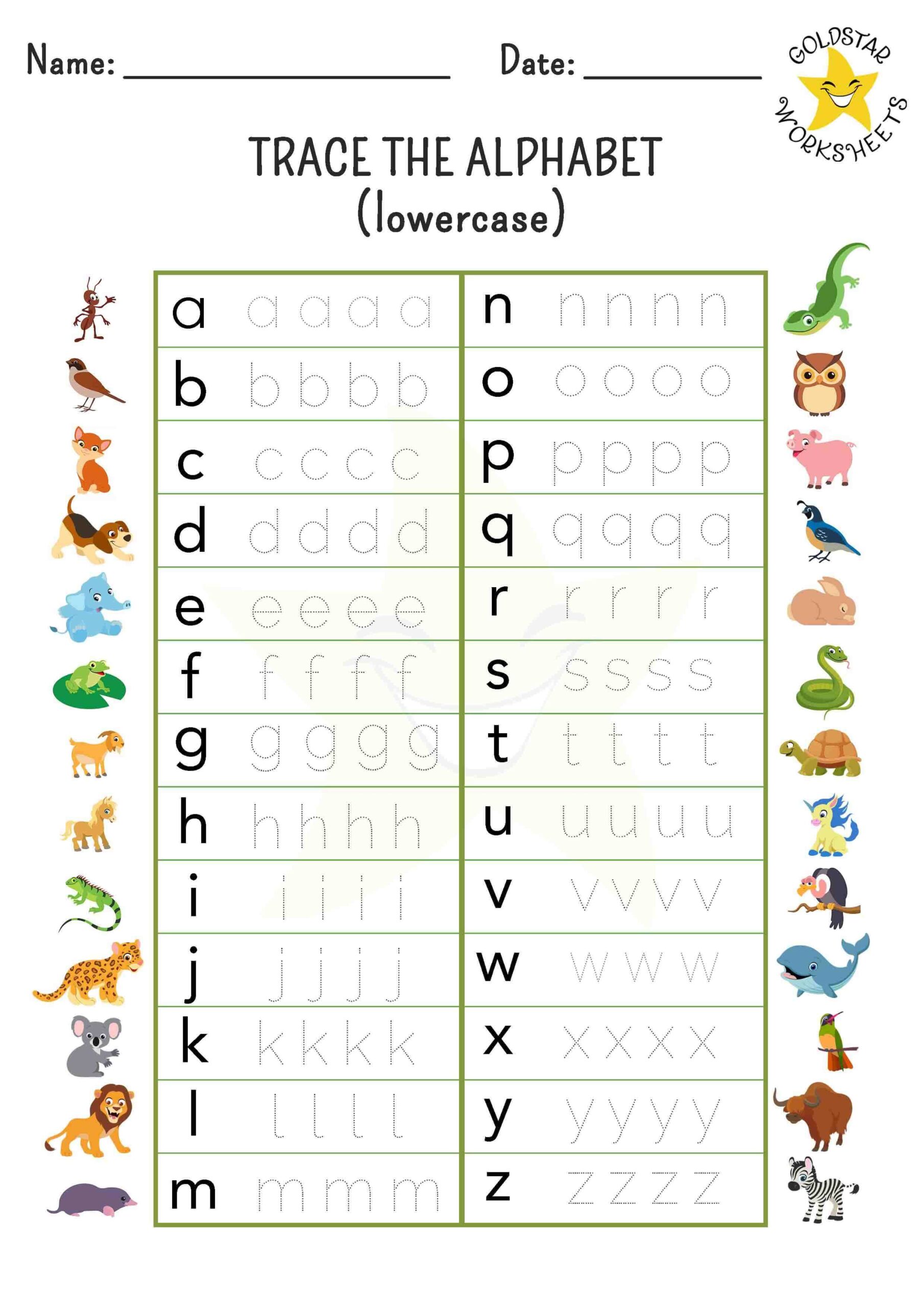
As I watched little Mia carefully trace the letters on her worksheet, it struck me how essential it is for preschoolers to get a solid foundation in the alphabet. Lowercase Alphabet Worksheets For Pre K are fantastic tools to help young learners grasp the nuances of letter recognition and writing. These worksheets are designed to make learning fun and engaging, turning a simple task into an enjoyable activity that can fit seamlessly into your daily routine.
The Importance of Lowercase Letters
Many people often overlook the significance of lowercase letters in early childhood education. While uppercase letters make a bold statement, lowercase letters dominate in everyday reading and writing. Introducing lowercase letters first helps children recognize them more quickly in their environment. By using these worksheets, you’re not only teaching them the alphabet but also preparing them for reading and writing in context.
Lowercase Alphabet Worksheets For Pre K can help children understand the differences in letter shapes and how they relate to uppercase forms. For instance, the letter “b” looks quite different from “B,” and worksheets can provide ample opportunities to distinguish and practice these variations.
Effective Activities for Using Worksheets
When introducing Lowercase Alphabet Worksheets For Pre K, it’s a good idea to incorporate various activities to reinforce learning. Here are some practical ideas:
Tracing and Writing Practice
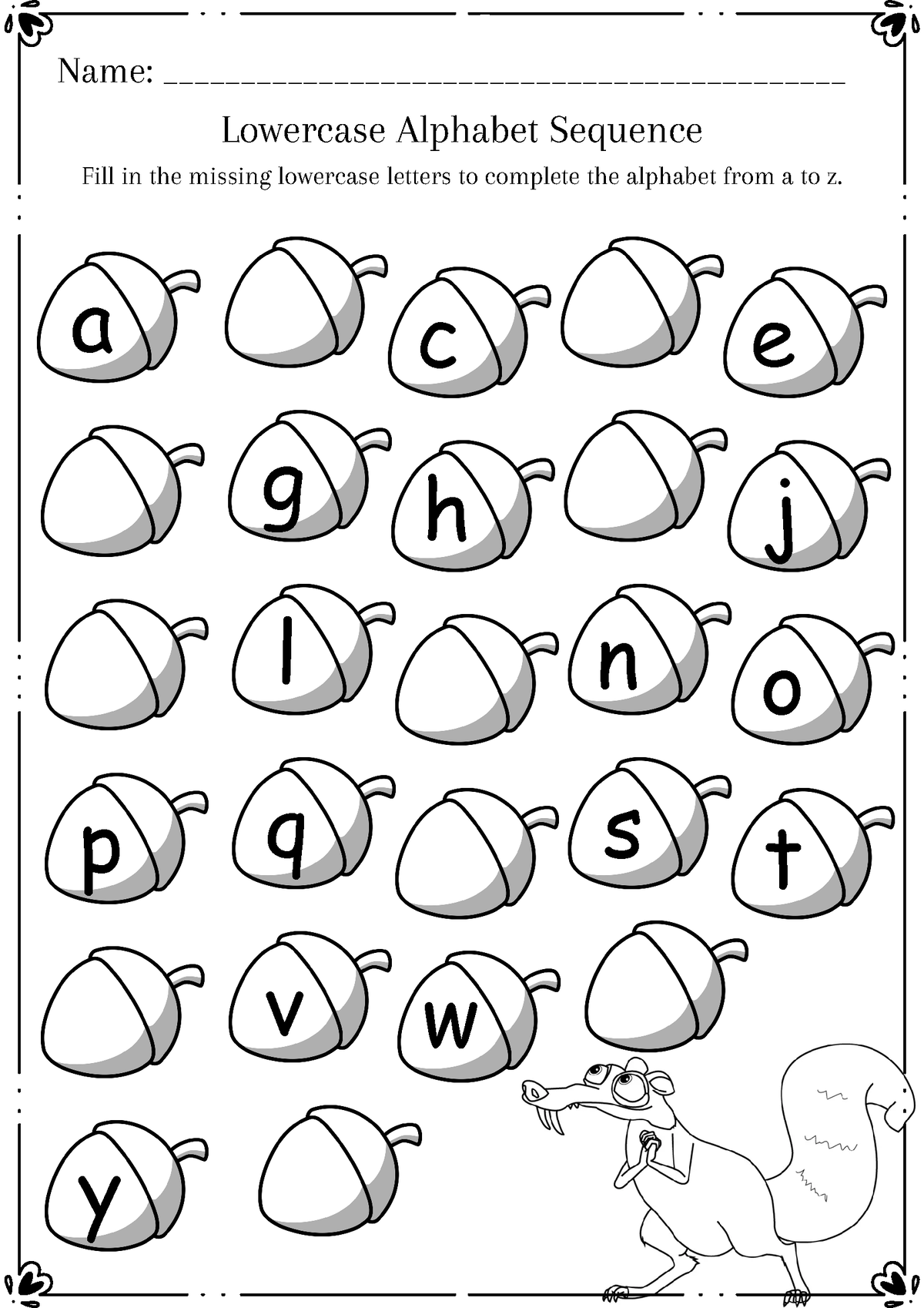
Start with simple tracing exercises where children can follow dotted lines to form each letter. This kind of activity helps develop fine motor skills, which are crucial for writing. Once they feel comfortable tracing, encourage them to write the letters independently. Using a variety of writing tools, such as colored pencils or markers, can make this task more enjoyable.
Letter Recognition Games
To make learning interactive, you can turn the worksheets into games. For example, you might have a “letter hunt” where children must find and color all instances of a specific letter on their worksheet. This reinforces recognition skills while adding an element of competition and fun.
Art Integration
Combine your worksheets with art projects. For instance, after completing lowercase letter worksheets, you can have the children create a collage of items that start with each letter. This not only reinforces their learning but also allows them to express their creativity.
Tips for Maximizing Worksheet Use
To get the most out of your Lowercase Alphabet Worksheets For Pre K, consider these practical tips:
- Print on Cardstock: If you plan to use the worksheets multiple times, print them on cardstock. This material is sturdier than regular paper and holds up better to repeated use. You can also laminate them for even longer-lasting durability.
- Use Dry-Erase Markers: If you laminate the worksheets, kids can use dry-erase markers to trace and write on them. This allows for easy erasing and reuse, making it a cost-effective option.
- Integrate Technology: If you have access to tablets or computers, look for digital versions of lowercase alphabet worksheets. Many educational apps can provide interactive tracing and writing experiences that can complement the printed worksheets.
Incorporating Worksheets Into Daily Routines
Lowercase Alphabet Worksheets For Pre K can fit seamlessly into your daily routines, whether at home or in a classroom. Here’s how:
- Morning Routine: Designate a short time each morning for children to complete a worksheet while enjoying breakfast. This can help establish a consistent routine and make learning a part of their everyday life.
- Afternoon Activities: After lunch, use these worksheets as a quiet time activity. Children can work independently or with a caregiver while you prepare for the next part of the day.
- Family Learning Time: Involve family members in the learning process. Parents or older siblings can sit with the child to review the worksheets, making it a fun bonding experience.
Additional Resources and Variations
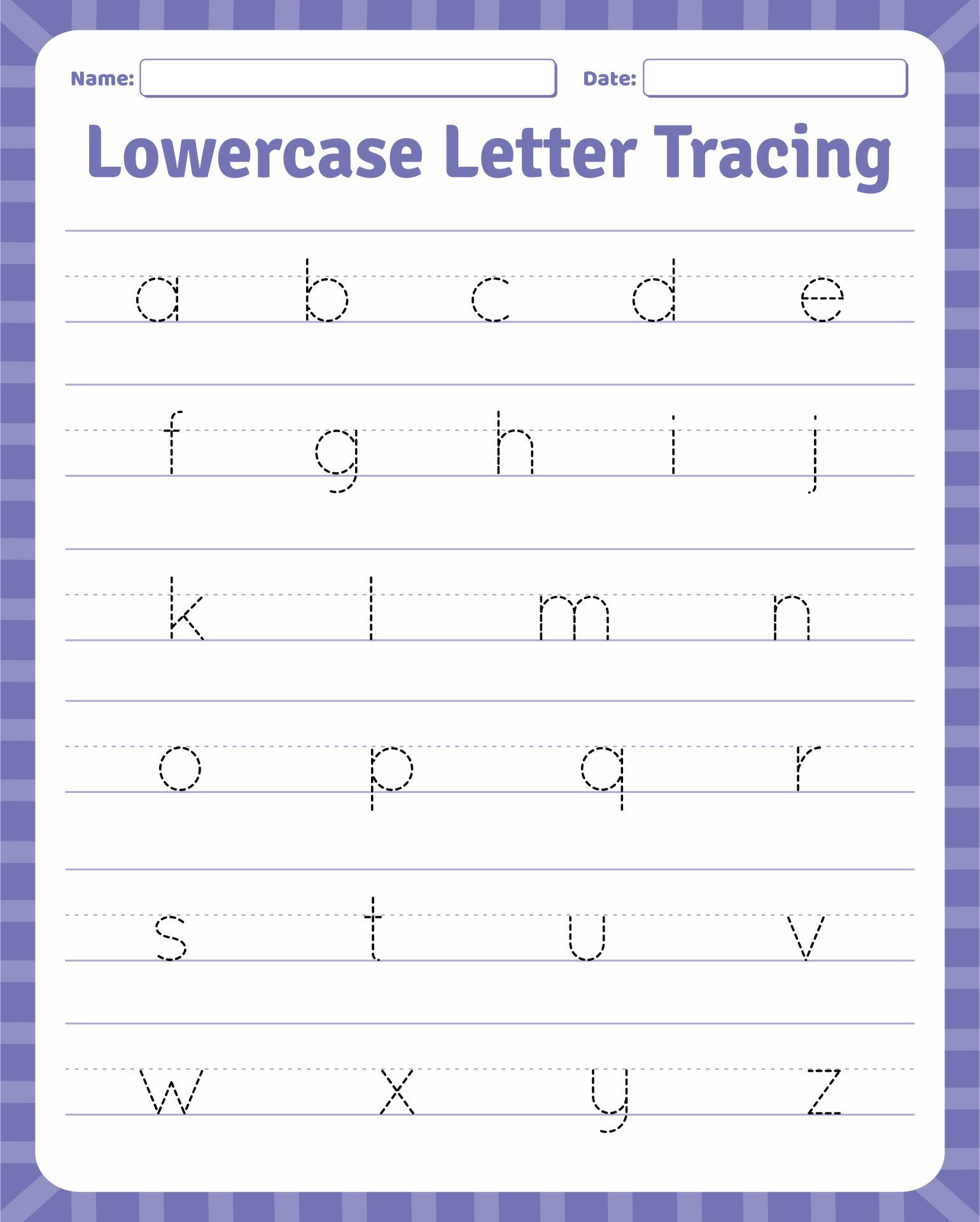
While Lowercase Alphabet Worksheets For Pre K are invaluable, consider diversifying the types of resources you use. You might incorporate flashcards, alphabet songs, or even interactive games that reinforce letter recognition and writing skills.
For example, you can create a matching game where children match lowercase letters to corresponding images or objects. This multi-faceted approach can deepen their understanding and make learning more enjoyable.
In addition, look for themed worksheets that relate to seasons, holidays, or children’s interests. Engaging them with familiar topics can spark enthusiasm and enhance their motivation to learn.