
Using Lowercase Alphabet Coloring Pages Printable can be a fun and effective way to help young learners master their letters. These resources not only promote creativity but also reinforce letter recognition, making them valuable tools for teachers and parents alike. In this guide, we’ll explore how to use these coloring pages effectively in a classroom or homeschool setting, the skills they develop, and tips for maximizing their benefits.
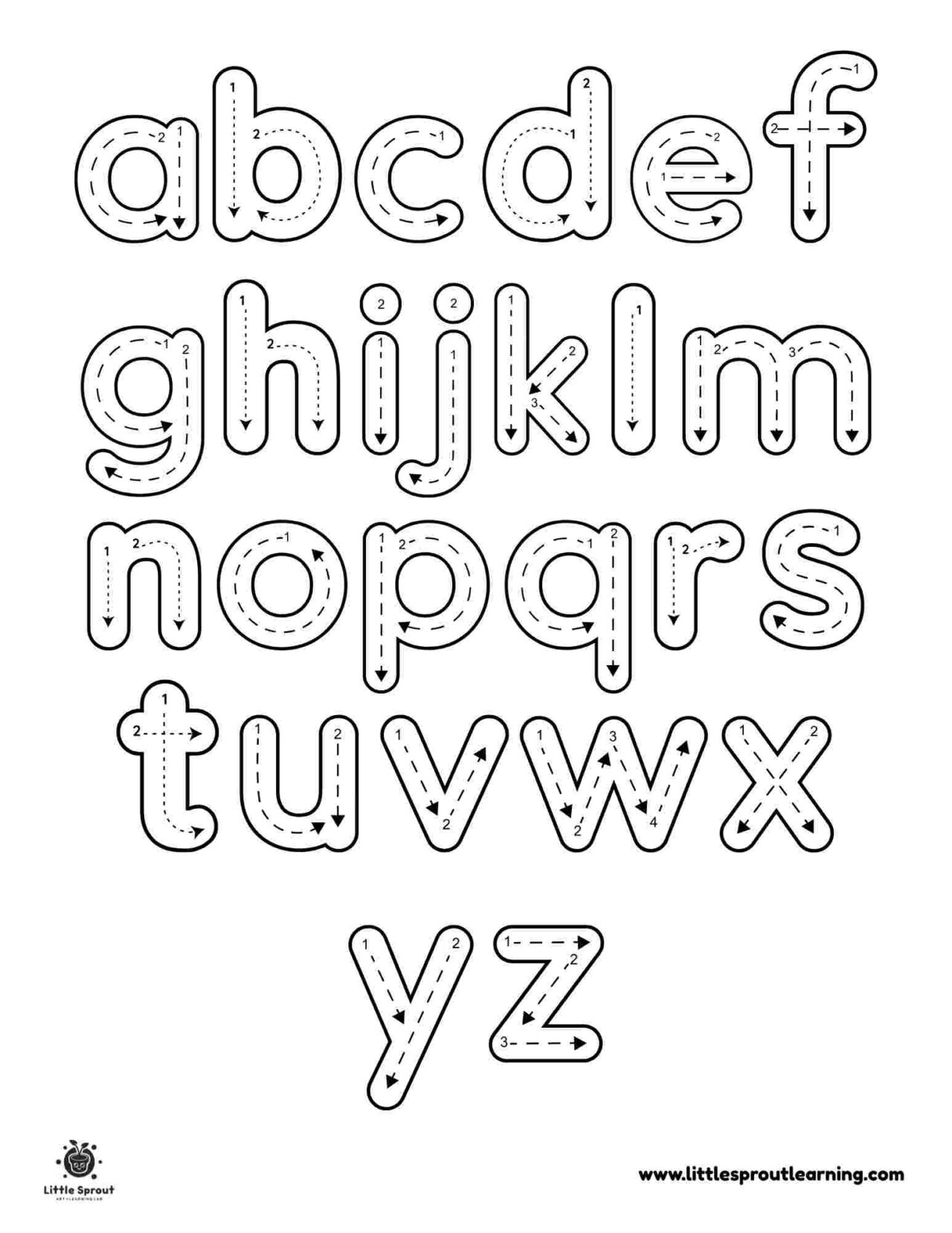
Understanding the Importance of Lowercase Letters
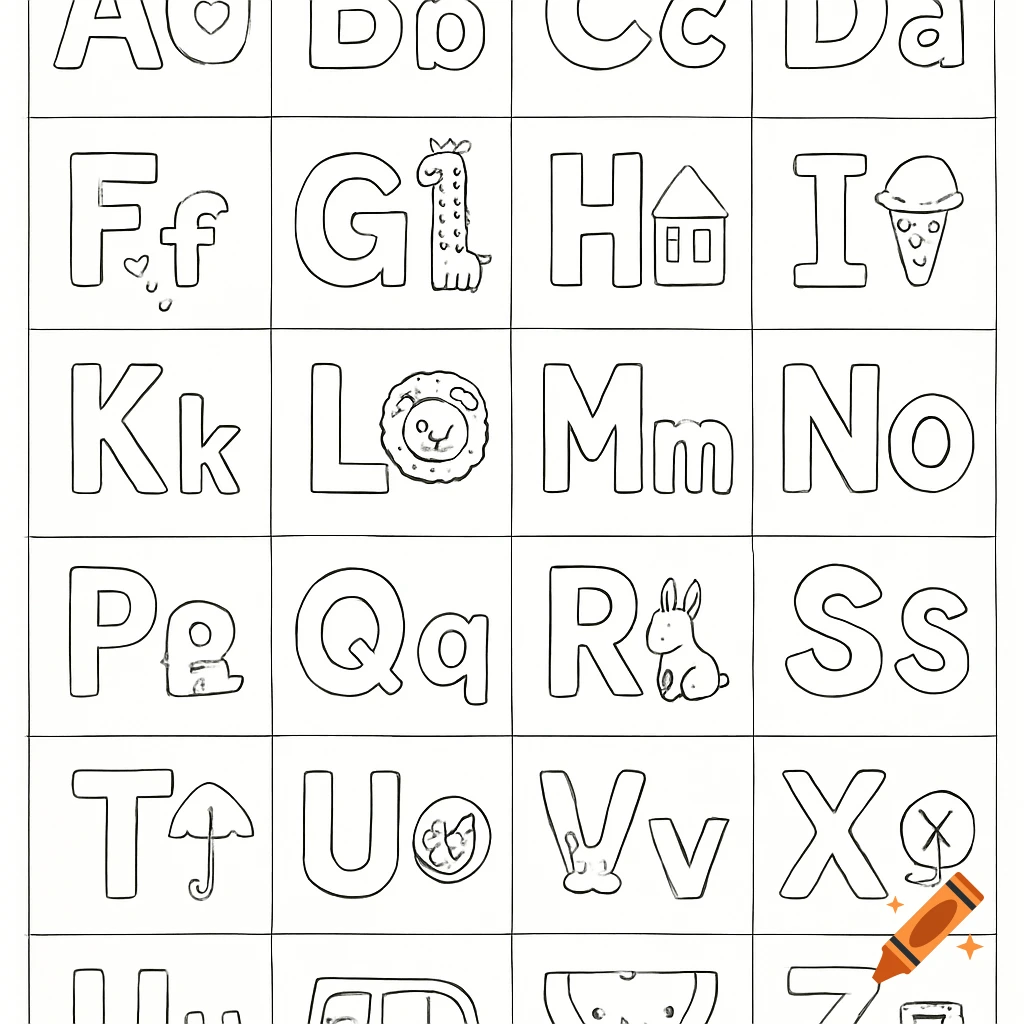
Before diving into the practicalities of using coloring pages, it’s important to understand why lowercase letters matter. In early literacy, children encounter lowercase letters more frequently than uppercase ones in reading materials. Mastery of lowercase letters is essential for reading fluency and writing skills.
Children typically start learning lowercase letters around preschool age, around 3 to 5 years old. Coloring pages that focus on these letters can help solidify their understanding, making learning both enjoyable and effective.
Setting Up Your Coloring Activity
To get the most out of your Lowercase Alphabet Coloring Pages Printable, you’ll want to create a conducive environment for learning. Here’s how to set up the activity:
- Gather Supplies: You’ll need:
- Crayons, markers, or colored pencils
- Scissors (if you’re cutting out the pages)
- A workspace that’s comfortable and well-lit
- Print the Pages: Choose the coloring pages that suit your lesson plan. Depending on your printer, consider using heavier paper or cardstock to withstand repeated handling. Portrait orientation is usually best for coloring pages.
- Introduce the Letters: Before starting, introduce the letter of the day. For instance, if you’re focusing on the letter “a,” show them examples of words that start with “a,” like apple or ant.
- Set Clear Objectives: Explain to the children what they will do. For example, “Today we’re going to color the letter ‘a’ and talk about words that start with it.”
Engaging With the Coloring Pages
Once you have everything ready, it’s time to look at the coloring activity. Here are some tips for making it interactive:
- Encourage Creativity: Allow children to express themselves through color. Ask questions like, “What color do you want to use for the letter ‘a’?” This helps them feel more involved.
- Integrate Learning: As they color, keep the conversation going. Ask them to name objects that start with the letter they’re coloring. This reinforces their understanding and connection to the letter.
- Monitor Progress: Watch how they interact with the pages. Are they recognizing the letters? Are they writing them in the air as they color? This will give you insight into their mastery level.
- Provide Feedback: Offer positive reinforcement. Praise their coloring and correct letter formations. If they struggle with a letter, you can revisit it later with a different activity.
Reinforcing Learning Beyond Coloring
While coloring is a fantastic activity, it shouldn’t be the only method for teaching lowercase letters. Here are additional ways to reinforce the concepts:
- Follow-Up Worksheets: After coloring, provide worksheets that involve tracing or writing the letter. This gives children the chance to practice what they’ve just learned.
- Letter Games: Incorporate games that involve finding objects that start with the letter of the day. For example, during a scavenger hunt, ask them to find something that begins with “b.”
- Story Time: Read books that emphasize the lowercase letters they’ve been working on. This contextualizes their learning and shows them how letters fit into words and sentences.
- Use Technology: Consider using educational apps that focus on letter recognition. This can be a fun way to reinforce skills learned through coloring.
Assessing Mastery of Lowercase Letters
How can you tell if a child has mastered their lowercase letters? Here are some signs to look for:
- Recognition: They can identify the letter when it appears in different contexts, such as in books or on labels.
- Writing: They can write the letter independently and correctly, without prompts.
- Sound Association: They can associate the letter with the correct sound and produce words that start with that letter.
- Engagement: They show excitement and interest in learning more about letters and words.
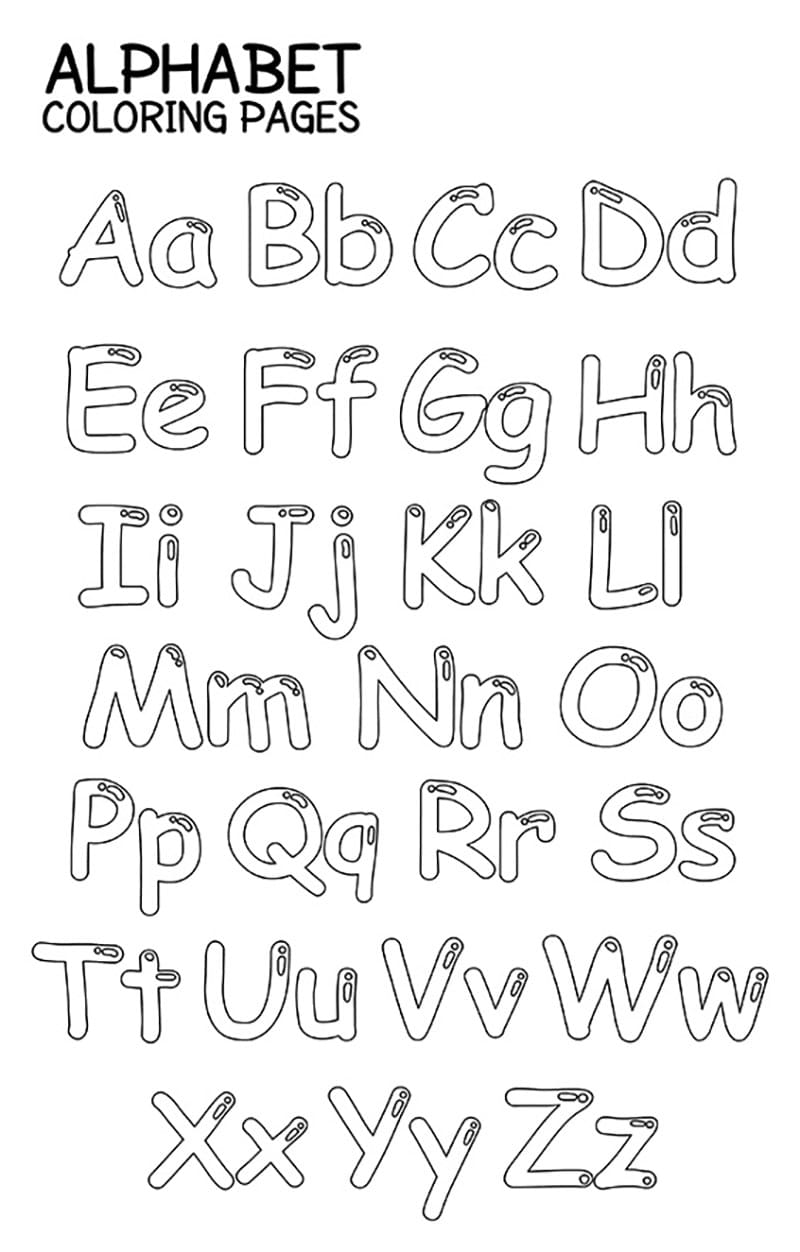
Choosing the Right Coloring Pages
When selecting your Lowercase Alphabet Coloring Pages Printable, consider the following aspects:
- Design: Look for pages that are visually appealing and age-appropriate. The designs should be simple enough for young children to color but engaging enough to hold their attention.
- Educational Value: Ensure the pages incorporate elements that promote learning, like spaces for writing the letter or including images of objects that start with the letter.
- Flexibility: Choose resources that can be reused throughout the year or serve multiple purposes, such as seasonal themes or different educational goals.
- Availability: Many websites offer free or low-cost printable pages. Make sure to check the quality of the downloads and print settings to avoid formatting issues.
By following these guidelines, you can make the most of your lowercase alphabet coloring pages, turning a simple coloring activity into a comprehensive learning experience. If you are a teacher in the classroom or a parent at home, these resources can significantly enhance a child’s literacy journey while keeping them engaged and excited about learning. You can even consider different paper options, like using standard printer paper for casual use or cardstock if you plan to laminate the pages for durability.