
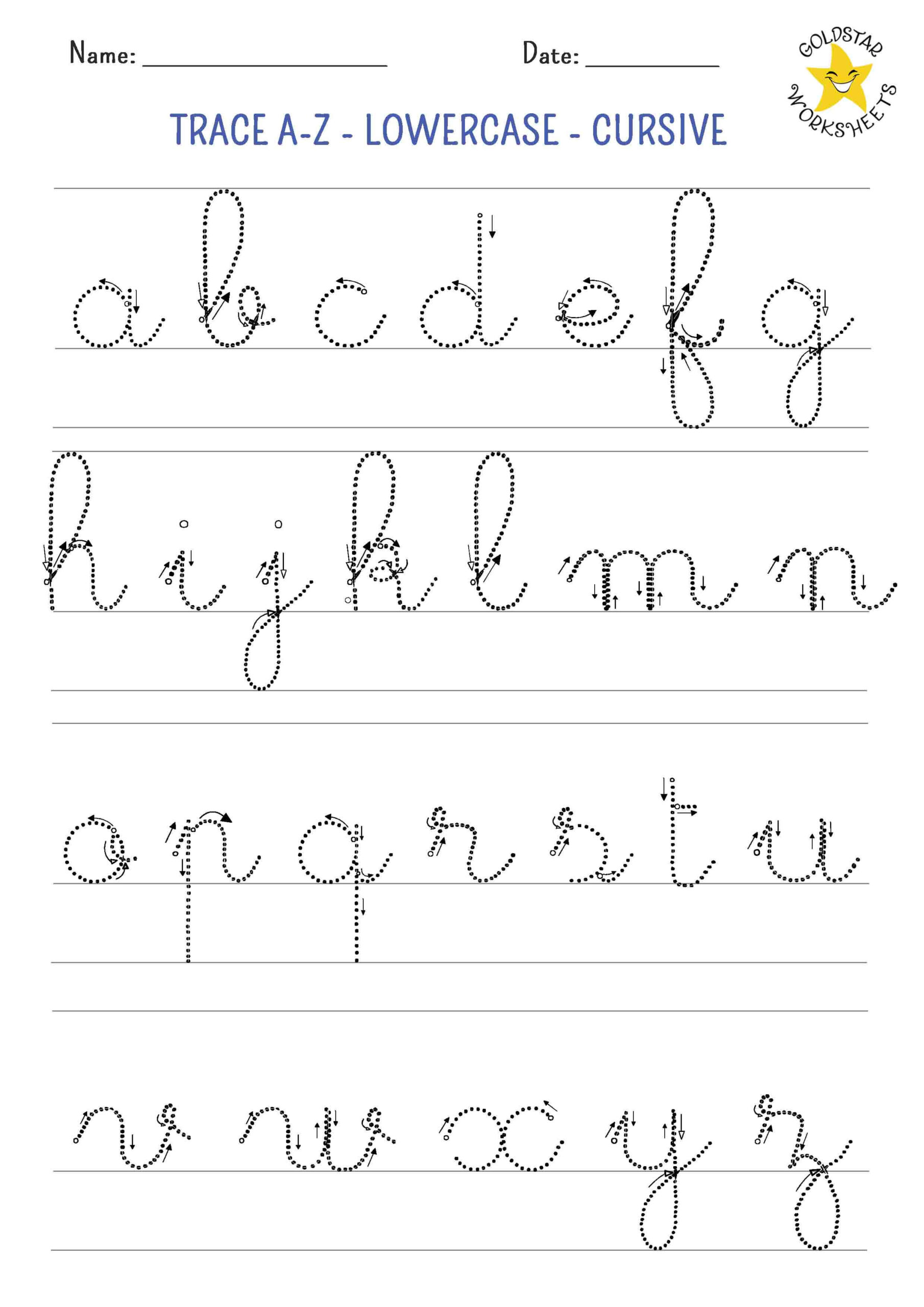
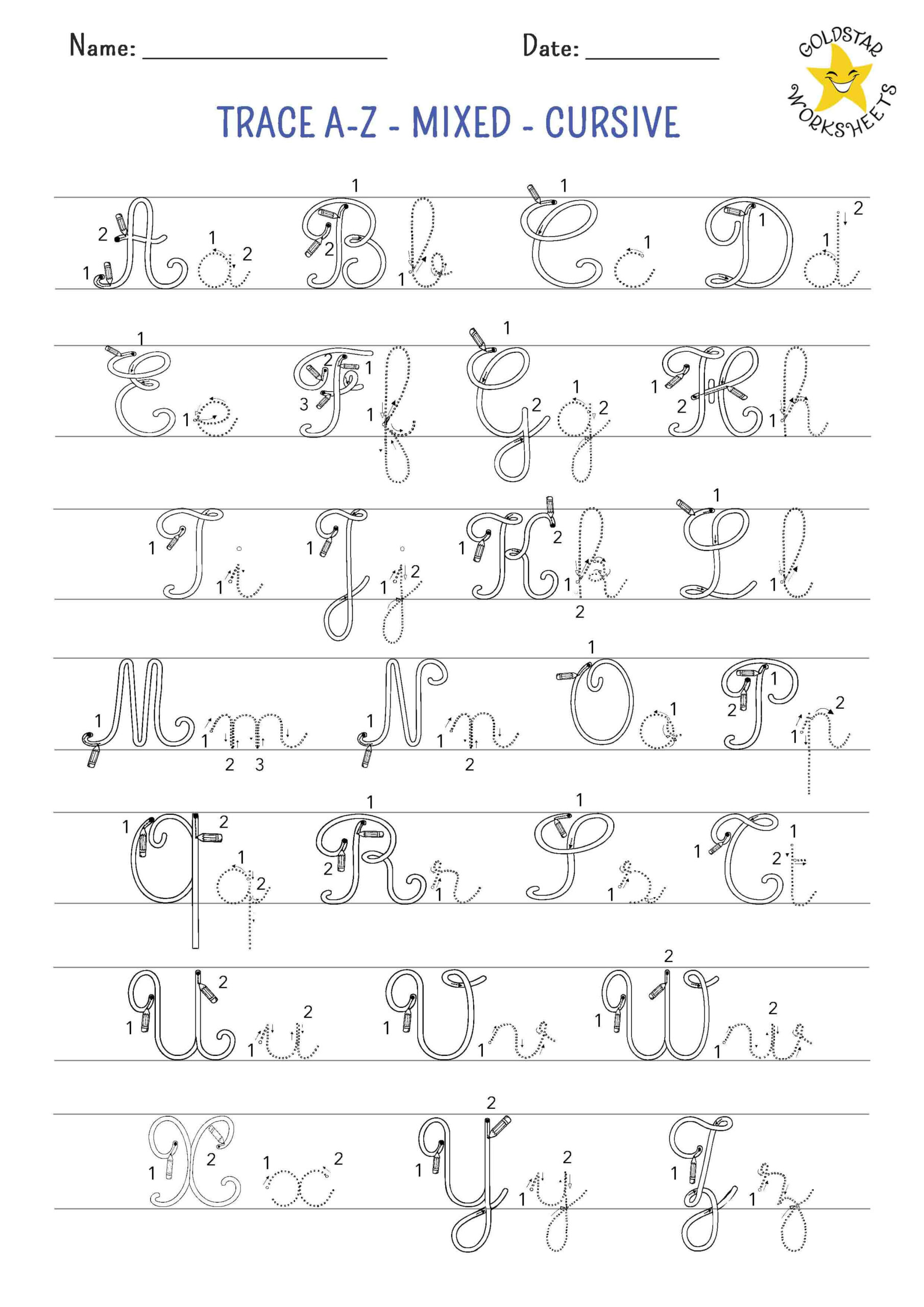
The Lower Case Cursive Alphabet Worksheet is an essential resource for teaching young learners how to write in cursive. This printable worksheet helps children practice their handwriting skills by focusing on each letter of the alphabet in lower case. It’s perfect for homeschool settings or as a supplemental activity for traditional classrooms. With clear, easy-to-follow letter formations, this worksheet is a valuable tool for supporting children’s writing development.
Understanding the Importance of Cursive Writing
Cursive writing is an important skill for students to learn as it aids in developing fine motor skills and enhances overall writing fluency. By practicing cursive, children can improve their ability to write quickly and legibly. The Lower Case Cursive Alphabet Worksheet provides a structured way for students to become familiar with the flow and connection of letters, which is essential for writing efficiently.
Age Suitability and Skill Level
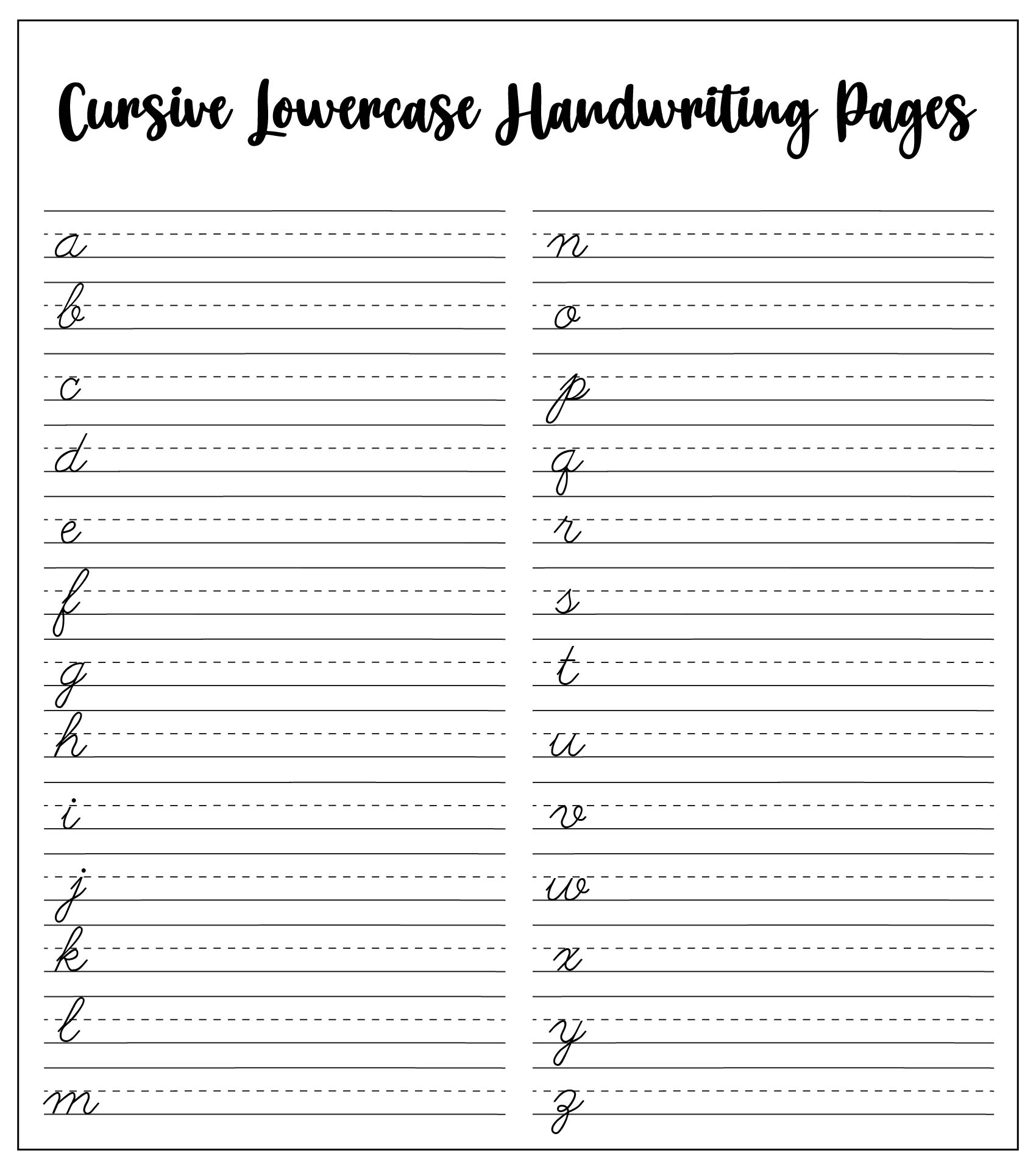
This worksheet is ideally suited for kindergarten through second-grade students, typically ages 5 to 8. At this stage, many children are transitioning from print to cursive writing, making this resource particularly relevant. The worksheet can also benefit older students who may need extra practice or reinforcement in cursive writing.
How to Use the Lower Case Cursive Alphabet Worksheet Effectively
To maximize the benefits of the Lower Case Cursive Alphabet Worksheet, consider the following practical steps:
- Print Quality: Use a standard letter-sized paper (8.5″ x 11″) for printing the worksheet. If your printer allows, select the “best quality” print setting to ensure the lines and letters are clear and easy to follow.
- Paper Type: Regular printer paper works well, but using cardstock can provide a sturdier surface for writing, especially if you’re planning to laminate the sheets for repeated use.
- Writing Tools: Encourage your students to use a variety of writing instruments. Pencils are great for initial practice, while gel pens or markers can make the writing experience more enjoyable once they’re comfortable with the basic letter formations.
- Daily Practice: Integrate the worksheet into your daily routine. A short, focused 10-15 minute writing session can be beneficial. Consistent practice helps reinforce muscle memory and improves handwriting skills over time.
- Progress Tracking: Keep track of each child’s progress by having them date each completed worksheet. This simple method provides a visual representation of their improvement over time.
Engaging Activities to Supplement the Worksheet
To make learning cursive writing more engaging, consider incorporating these activities alongside the Lower Case Cursive Alphabet Worksheet:
- Cursive Writing Games: Create fun games where students can practice cursive writing. For example, have them write words on a whiteboard while racing against a timer or play a matching game with cursive letters and their printed counterparts.
- Art Integration: Combine art with writing by having students create decorative letters or words in cursive. They can use various colors and patterns to make their writing visually appealing.
- Story Creation: After practicing the cursive alphabet, encourage students to write short stories or sentences using their newly learned skills. This not only reinforces their writing abilities but also fosters creativity.
Adjusting for Different Learning Styles
Every child learns differently, and this should be taken into account when using the Lower Case Cursive Alphabet Worksheet. Here are some tips to cater to various learning styles:
- Visual Learners: Provide examples of cursive writing in different styles. Visual aids can help them see how letters connect and flow together.
- Kinesthetic Learners: Use tactile methods to teach cursive writing. Have students practice writing in sand or on textured surfaces to reinforce their understanding of letter formation.
- Auditory Learners: Incorporate songs or rhymes that emphasize the sounds of letters. This can aid in memory retention and make learning more enjoyable.
Tips for Parents and Educators
If you’re a parent or educator looking to support students with the Lower Case Cursive Alphabet Worksheet, consider these additional tips:
- Create a Calm Environment: Set up a designated writing space that is free from distractions. A quiet area helps children focus better during their writing practice.
- Positive Reinforcement: Celebrate successes, no matter how small. Positive feedback encourages students to keep practicing and developing their skills.
- Set Goals: Help children set achievable writing goals. For instance, they could aim to complete one worksheet per week or improve their letter formation in a specific area.
- Laminating for Longevity: If you plan to reuse the worksheet multiple times, consider laminating it. This allows for dry-erase markers to be used, enabling students to practice repeatedly without wasting paper.
Using the Lower Case Cursive Alphabet Worksheet can significantly enhance a child’s ability to write cursively. By integrating this resource into your teaching strategy, you can foster a love for writing while developing essential skills. Encourage daily practice, adapt strategies to fit individual learning styles, and most importantly, make writing fun!