
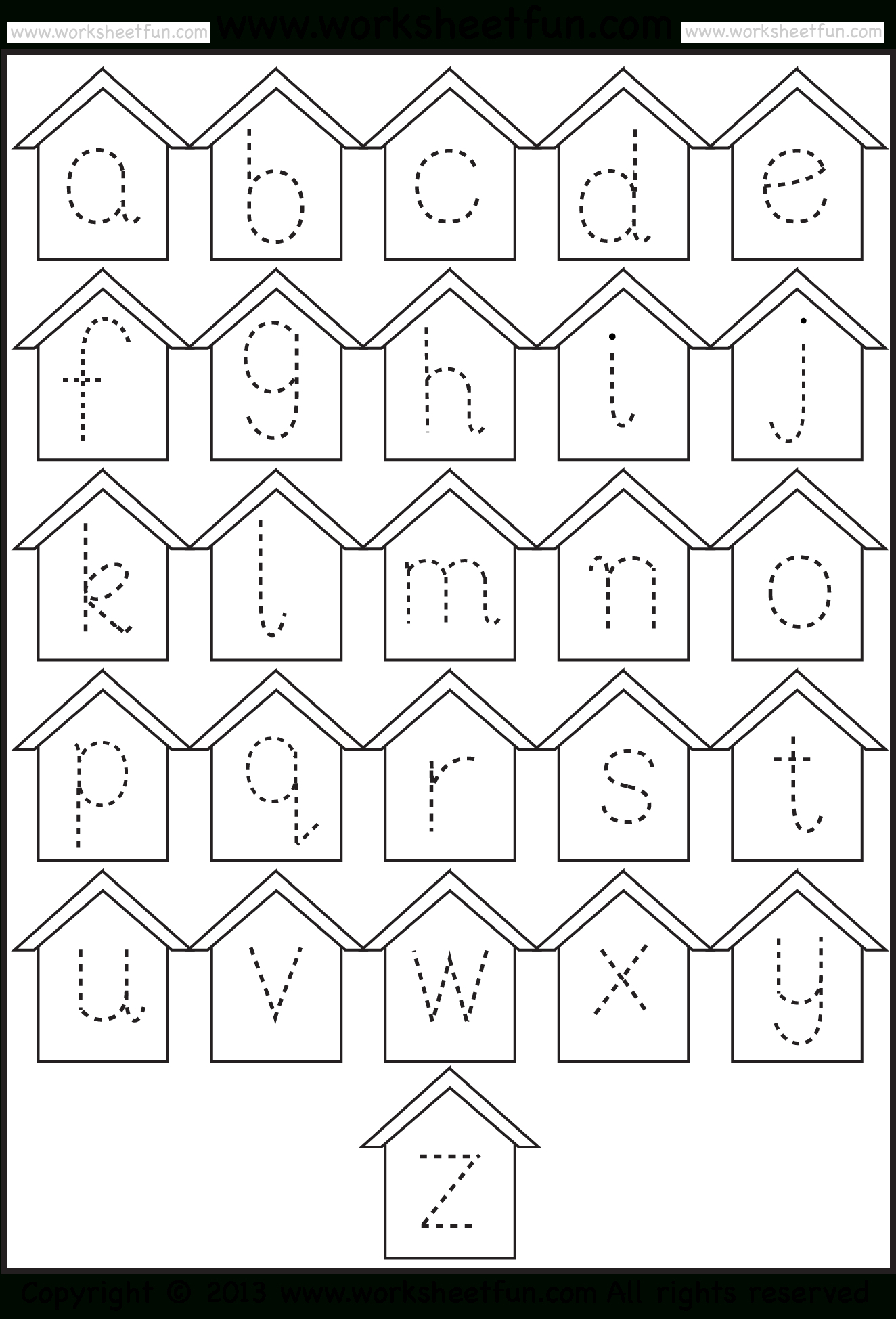
Teaching young learners how to write in lowercase letters can be a rewarding experience, but it also presents its challenges. Lower Case Alphabet Writing Worksheets are an essential resource for educators and caregivers looking to help children develop their handwriting skills. These worksheets provide structured practice that can cater to different learning paces and styles, making them suitable for both classrooms and home learning environments.
Understanding the Importance of Lower Case Letters
Lowercase letters are foundational in literacy development. They are the most frequently used letters in English writing and are essential for reading fluency. Mastery of lowercase letter formation helps children not only improve their handwriting but also enhances their overall writing skills. When children can confidently write in lowercase, they can focus more on their thoughts and ideas rather than the mechanics of writing.
Recognizing the significance of lowercase letters, it’s crucial to integrate engaging and effective resources like Lower Case Alphabet Writing Worksheets into your teaching strategy. These worksheets offer a combination of tracing, writing practice, and fun activities that can keep students motivated.
Features of Effective Lower Case Alphabet Writing Worksheets
When selecting or creating Lower Case Alphabet Writing Worksheets, consider the following features:
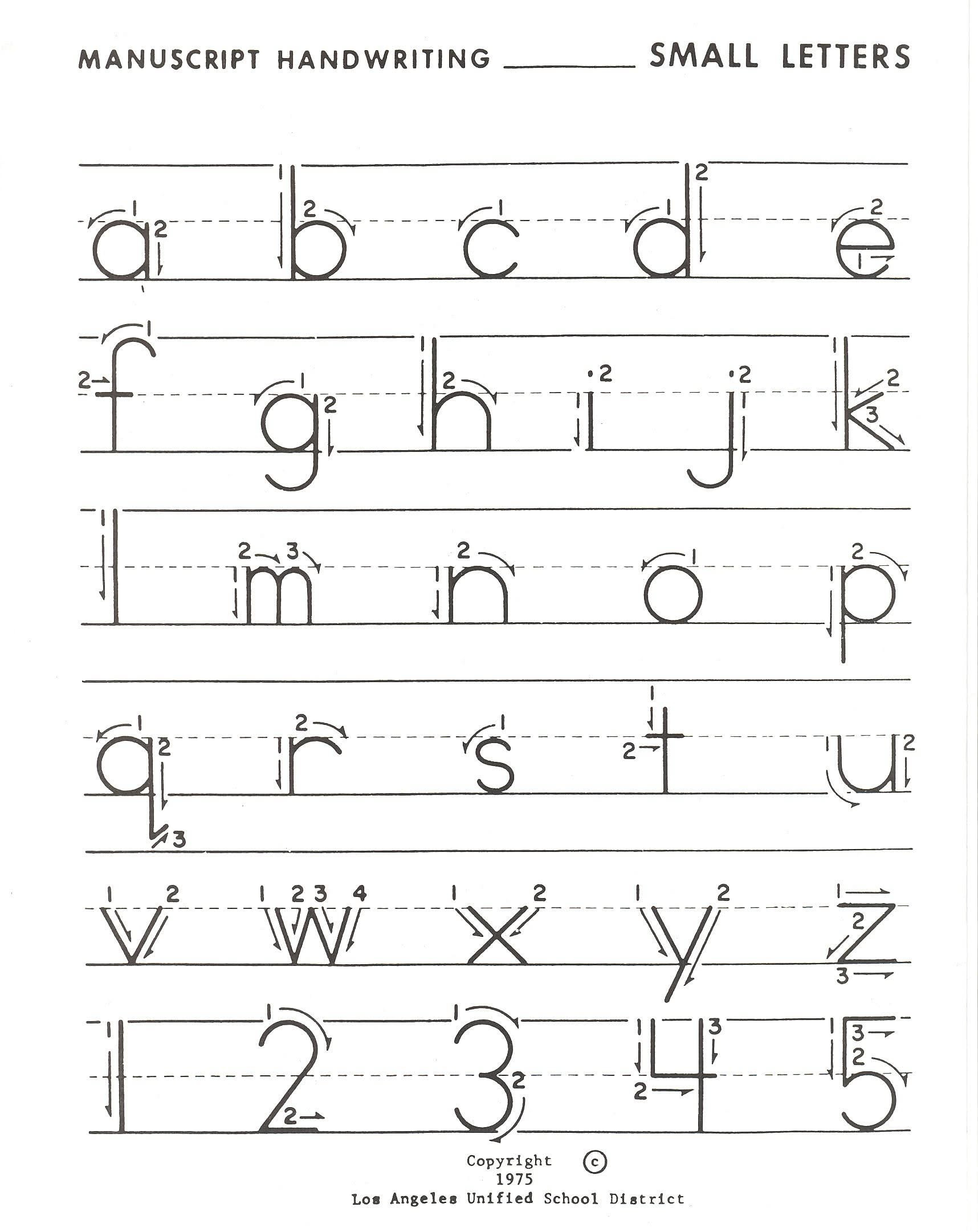
- Clear Letter Formation: Worksheets should include clear examples of each letter, showing the correct starting point and direction for strokes. This visual guidance plays a crucial role in helping children understand how to form letters correctly.
- Varied Activities: Incorporating a mix of tracing, free writing, and connecting letters can cater to different learning preferences. Activities like coloring or matching games can also make learning more enjoyable.
- Gradual Progression: Worksheets should be designed to gradually increase in difficulty. Start with simple tracing and move to independent writing, allowing children to build confidence as they progress.
- Space for Practice: Ensure there is enough space on the worksheets for children to practice writing each letter multiple times. This repetition helps reinforce muscle memory.
- Engaging Themes: Using themes or illustrations can capture children’s interest. For example, incorporating animals or favorite characters can make the worksheets more appealing.
How to Use Lower Case Alphabet Writing Worksheets Effectively
In the Classroom
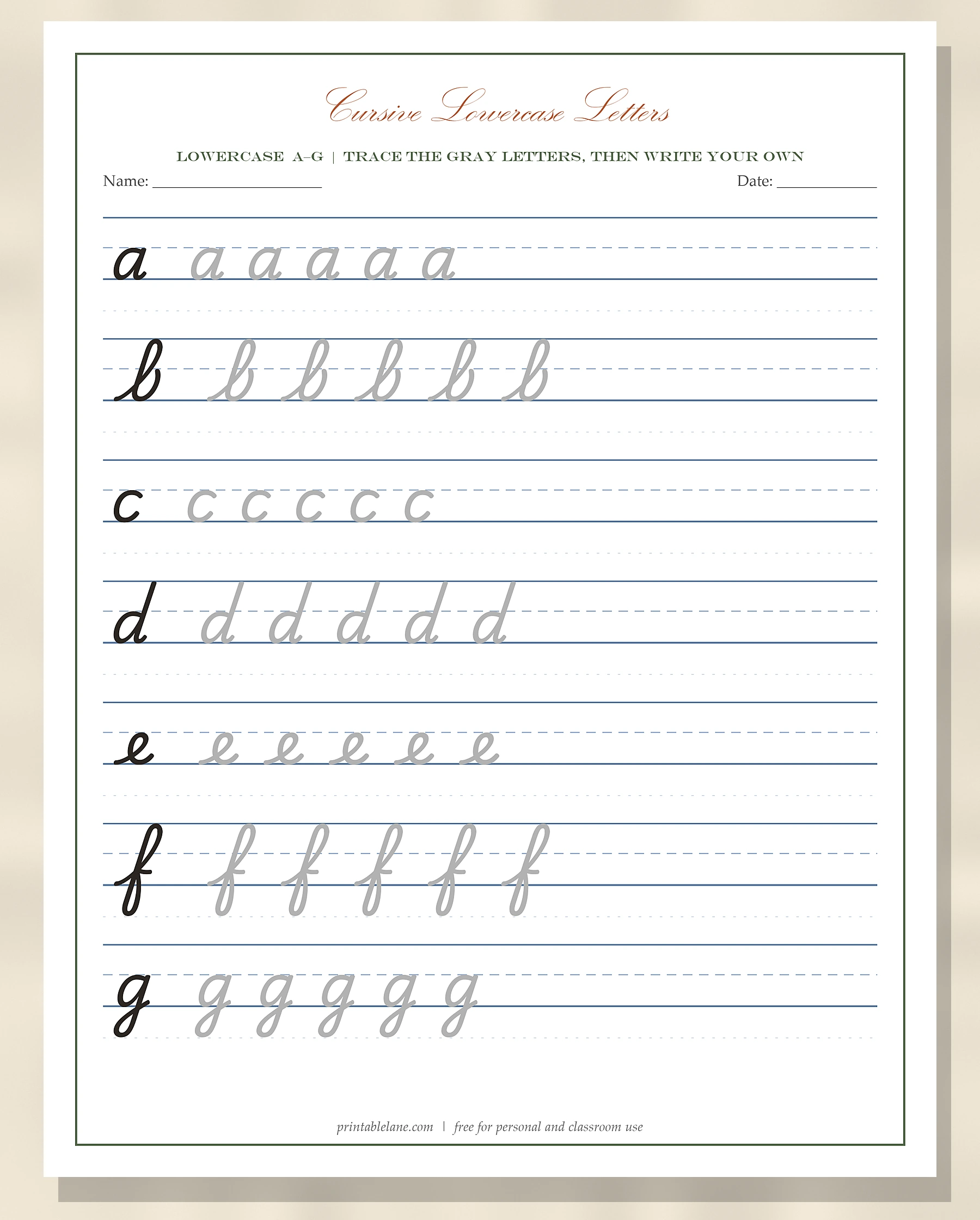
In a classroom setting, Lower Case Alphabet Writing Worksheets can be integrated into daily routines. Here’s how:
- Warm-Up Exercises: Begin your writing lesson with a few minutes of tracing letters on worksheets. This serves as a warm-up that prepares students for more independent writing.
- Guided Practice: Use the worksheets for guided practice. Walk around the classroom as students work through the sheets, providing feedback and assistance as needed.
- Group Activities: Consider group activities where students can work together on worksheets. This encourages collaboration and allows students to learn from one another.
- Assessment: Use the completed worksheets as informal assessments. Look for common errors in letter formation that may indicate areas where additional instruction is needed.
At Home
For parents and caregivers, Lower Case Alphabet Writing Worksheets can be equally beneficial. Here’s how to utilize them effectively:
- Daily Practice: Set aside a specific time each day for writing practice. Consistency helps children develop a routine and improves their skills over time.
- Positive Reinforcement: Celebrate achievements, no matter how small. Positive reinforcement can motivate children to keep practicing and improve their skills.
- Incorporate Fun: Pair writing practice with fun activities. For instance, after a worksheet session, you could have a drawing activity where they illustrate something that starts with a letter they’ve practiced.
- Monitor Progress: Regularly review completed worksheets to monitor progress. Look for improvement in letter formation and consistency, adjusting practice as needed based on their growth.
Tracking Progress and Mastery
To determine if a child has mastered lowercase letter writing, consider these indicators:
- Consistency: Look for consistent letter formation across multiple worksheets. Mastery is indicated when a child can write each letter similarly every time.
- Speed: As children become more comfortable with writing, their speed should increase. They shouldn’t have to concentrate excessively on forming each letter.
- Legibility: Letters should be clear and easily readable. While some variation is normal, the overall legibility should improve with practice.
- Independence: A child who can write lowercase letters independently without guidance or tracing demonstrates a solid understanding of the skill.
Tips for Parents and Teachers
- Use Quality Paper: Choose quality paper for printing worksheets. This helps prevent ink bleed-through and provides a better writing experience.
- Consider Lamination: If you want to reuse worksheets, consider laminating them. This way, children can practice with dry-erase markers, allowing them to practice multiple times without needing new sheets.
- Mix Up Activities: Keep practice sessions fresh by alternating between different types of worksheets. This can prevent boredom and maintain engagement.
- Set Realistic Goals: Set achievable goals for each practice session. For example, aim for mastering a few letters per week rather than overwhelming children with too many at once.
By incorporating Lower Case Alphabet Writing Worksheets into your teaching or home practice, you can effectively support children as they learn this crucial skill. Remember to celebrate their progress, adapt to their needs, and keep the learning process enjoyable. With the right resources and approach, you’ll help your students or children develop a strong foundation in writing that will serve them well throughout their education.