
Practicing handwriting can be a challenge for young learners, especially when it comes to mastering the lower case alphabet. Lower Case Alphabet Tracing Worksheets are an effective tool for teachers and parents looking to enhance handwriting skills in a fun and engaging way. These worksheets not only help students learn the shapes of letters but also build their confidence as they practice writing.
Understanding the Basics of Letter Tracing
Tracing letters is an essential skill for preschool and early elementary students. These worksheets help children develop fine motor skills as they learn to control their writing instruments. The process of tracing reinforces letter recognition and phonemic awareness, which are crucial for reading development.
When using Lower Case Alphabet Tracing Worksheets, students typically work with letters in a structured format. This allows them to see the correct letter formation while providing ample space to practice. By tracing letters repeatedly, children can improve their writing fluidity and consistency.
Types of Lower Case Alphabet Tracing Worksheets
There are several types of Lower Case Alphabet Tracing Worksheets available, each catering to different learning needs. Here are a few common formats you might encounter:
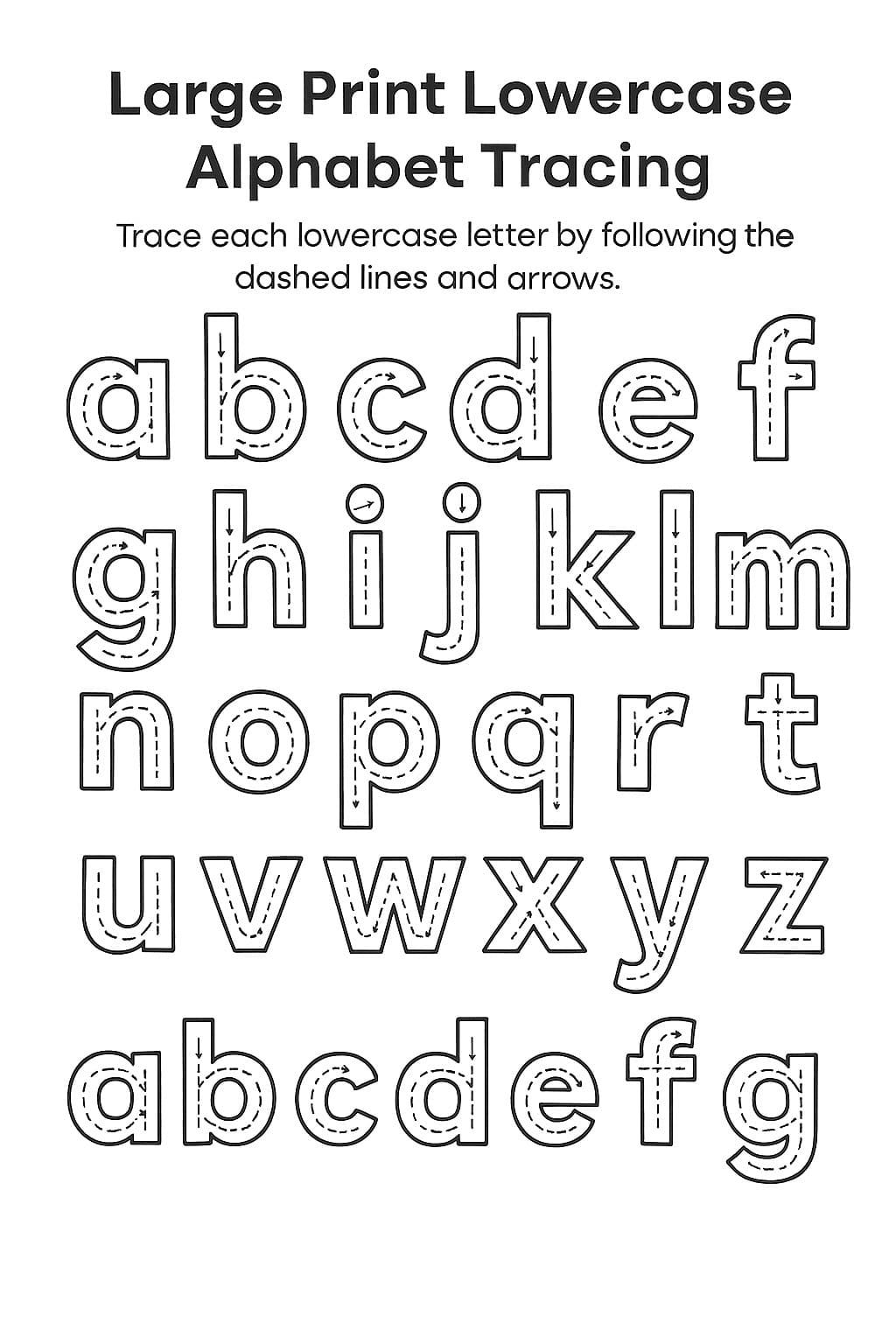
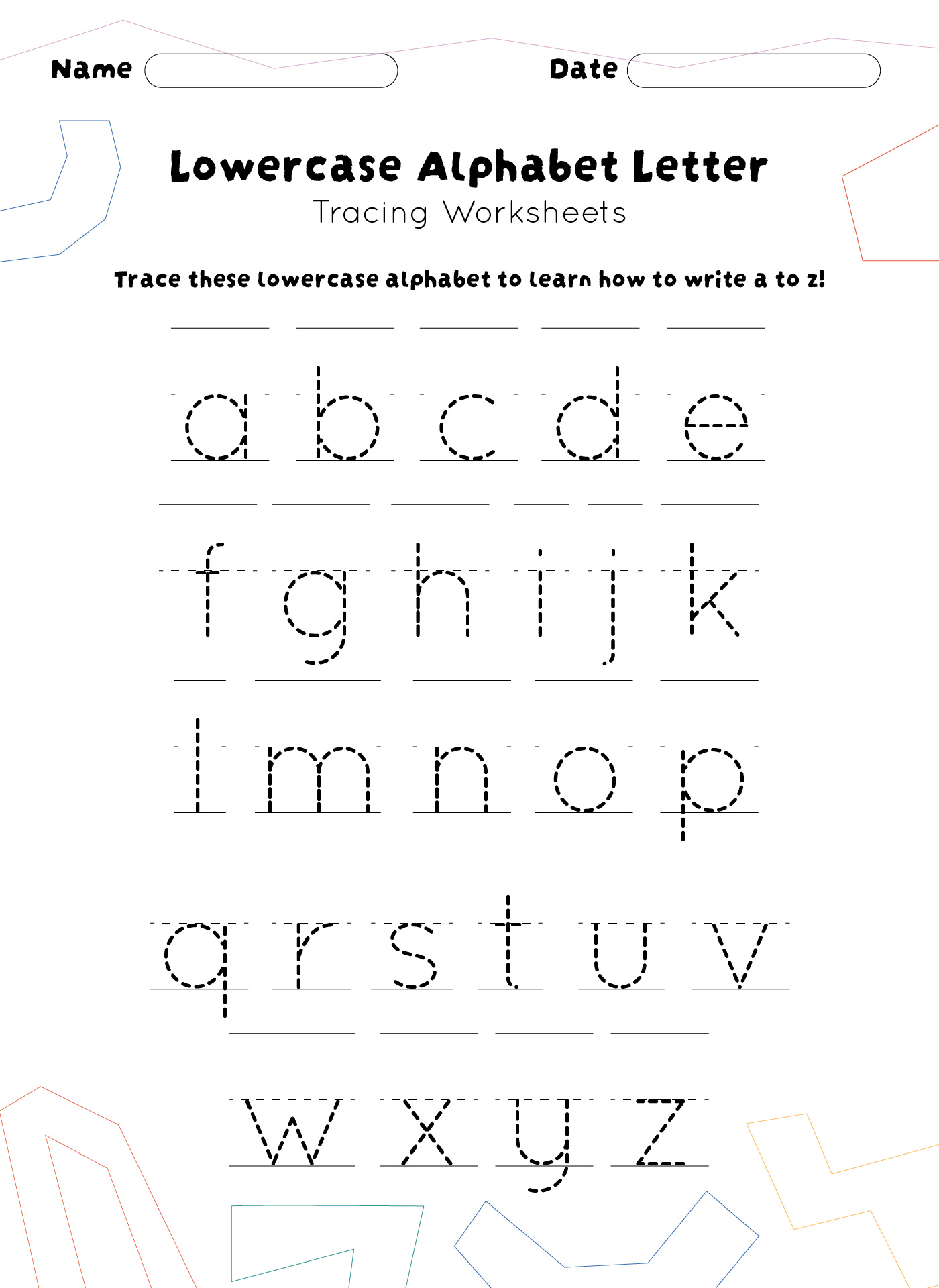
- Basic Tracing: These worksheets provide dotted outlines of letters that students can trace over. They usually include a mix of letters to keep the practice varied.
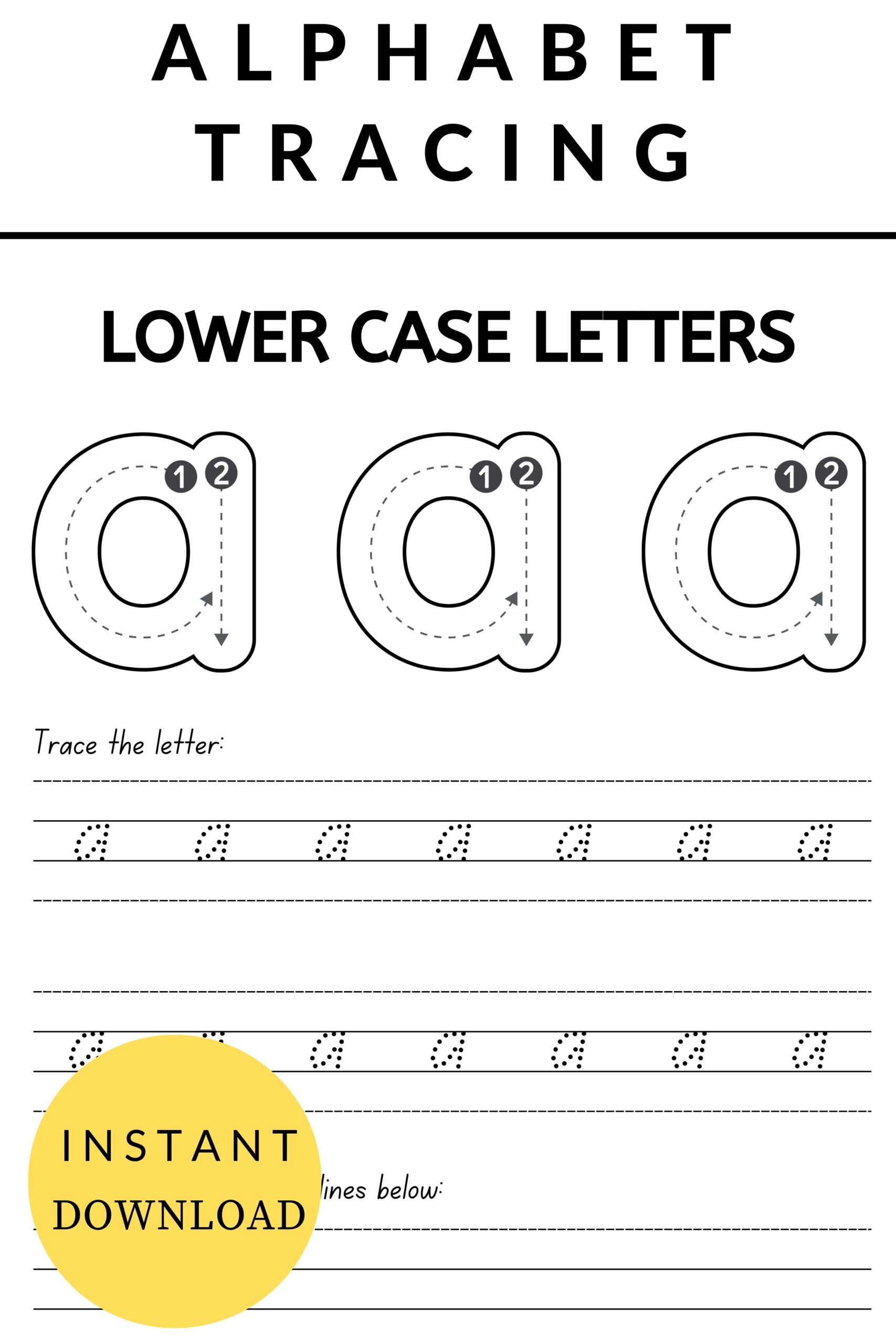
- Trace and Write: These worksheets not only allow students to trace the letters but also provide a line for them to write the letter independently afterward. This reinforces learning by encouraging them to recall letter shapes.
- Picture Association: Some worksheets pair letters with corresponding images (e.g., “a” with an apple), helping students connect sounds with letters visually and contextually.
- Coloring Pages: These worksheets incorporate tracing with a fun coloring element, where children can color images that start with the letter they are tracing.
Choosing the Right Worksheets
When selecting Lower Case Alphabet Tracing Worksheets, consider the following factors:
- Age Appropriateness: Ensure the worksheets are suitable for the child’s age and skill level. Worksheets designed for preschoolers may differ significantly from those intended for first graders.
- Visual Appeal: Look for worksheets that are colorful and engaging. Visual stimulation can motivate children to practice more regularly.
- Variety: A good mix of different types of worksheets can keep practice sessions interesting. Variety helps maintain engagement and reinforces different aspects of letter learning.
Downloading and Printing Worksheets
Once you’ve selected the appropriate Lower Case Alphabet Tracing Worksheets, the next step is to download and print them. Here’s a simple guide:
- Locate the Worksheets: Find a reputable website offering these resources. Many educational sites provide free printable worksheets.
- Download the Files: Click on the download link for the worksheets. Ensure you’re downloading a PDF version to avoid formatting issues when printing.
- Print Settings: Use standard letter-sized paper (8.5 x 11 inches) for printing. Adjust your printer settings for high-quality prints, especially if the worksheets include images.
- Lamination (Optional): If you want to reuse the worksheets, consider laminating them. This allows students to use dry-erase markers for endless practice without wasting paper.
Setting Up a Tracing Practice Session
Creating an effective learning environment for tracing practice can enhance a child’s experience. Here’s how to set up a successful session:
- Choose a Quiet Space: Find a well-lit area with minimal distractions. A calm environment helps kids focus better on their writing.
- Gather Supplies: Besides the worksheets, have pencils or crayons ready. Using different writing instruments can make the activity more enjoyable.
- Demonstrate First: Show the child how to trace the letters properly. Demonstration helps them understand the motion and direction of writing.
- Encourage Independence: Once they’ve had some practice with tracing, encourage them to try writing the letters independently. This transition builds confidence.
- Provide Positive Feedback: Celebrate their efforts, whether they trace perfectly or not. Positive reinforcement helps motivate them to continue practicing.
Tips for Effective Use of Tracing Worksheets
To maximize the benefits of Lower Case Alphabet Tracing Worksheets, consider these practical tips:
- Daily Practice: Consistency is key. Aim for short, daily practice sessions instead of longer, infrequent ones.
- Mix in Other Activities: Combine tracing with other literacy activities, like reading or phonics games, to reinforce learning.
- Monitor Progress: Keep an eye on your child’s progress. If you notice they are struggling with specific letters, consider focusing more practice on those areas.
- Make it Fun: Turn tracing into a game. For instance, you could set a timer and see how many letters they can trace within a few minutes.
Using Lower Case Alphabet Tracing Worksheets effectively can significantly improve a child’s writing skills. By choosing the right resources and setting up engaging practice sessions, you can help young learners develop confidence and proficiency in their handwriting. With just a few simple steps, you can transform tracing practice into an enjoyable learning experience.
Print out your selected worksheets today and watch as your child’s handwriting skills flourish!