
Practicing writing skills is essential for young learners, and our Lower Case Alphabet Printing Worksheets are designed specifically for that purpose. These worksheets offer a structured approach to help children grasp the fundamentals of writing in a fun and engaging manner. With clear layouts, ample space for practice, and interactive elements, these worksheets stand out from other resources you might have encountered.
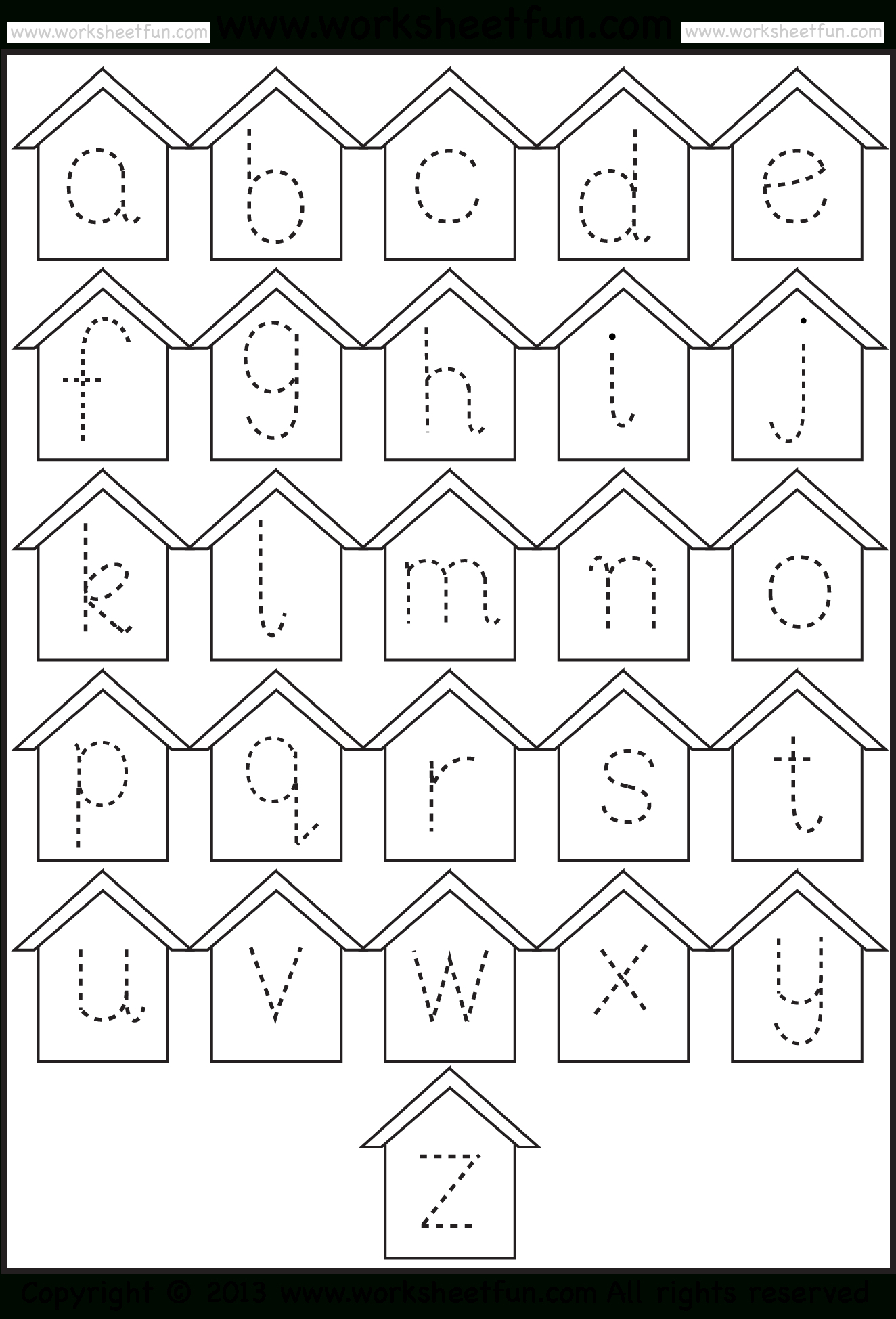
Understanding the Structure of the Worksheets
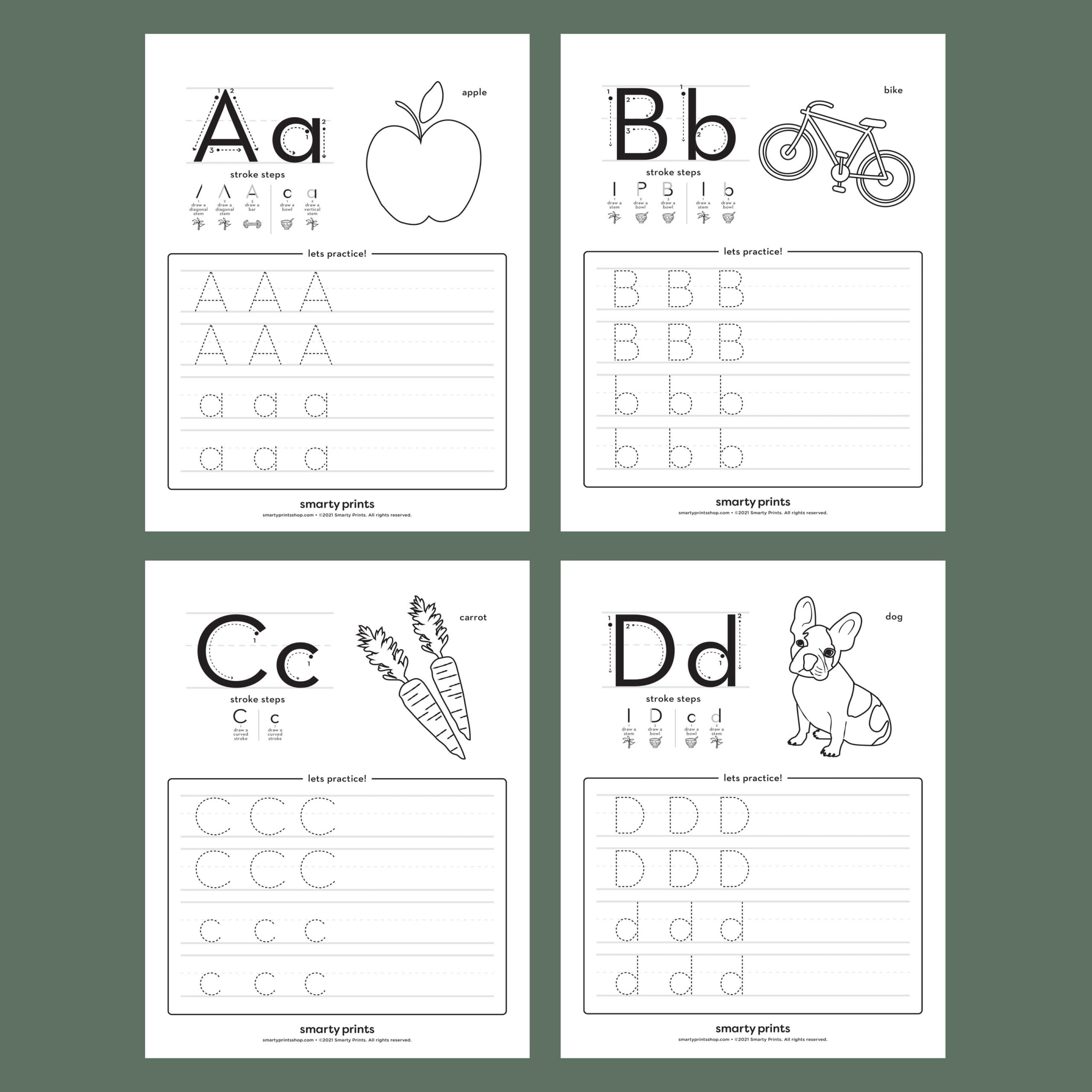
The layout of these worksheets is intentionally designed to facilitate ease of use. Each page typically features a series of letters, presented in both uppercase and lowercase formats. This dual presentation not only reinforces recognition but also helps students understand the relationship between the two cases.
You’ll often find lines designated for tracing, followed by blank lines for freehand writing. This progression encourages children to first practice their motor skills through tracing before attempting to write the letters independently. The use of dotted lines for tracing is particularly effective, as it provides a visual guide without overwhelming the learner.
Age Appropriateness and Classroom Applications
These worksheets are ideally suited for preschool and kindergarten students, typically aged 4 to 6. However, they can also be beneficial for older children who may need reinforcement in their writing skills or those with learning difficulties.
In a classroom setting, teachers can integrate these worksheets into daily routines. For instance, you might start a lesson with a brief discussion on the importance of lower case letters, followed by a hands-on session where students can fill out the worksheets. This provides a seamless transition from theory to practice.
At home, parents can use these worksheets as part of their child’s homework or as an engaging activity during weekends. Setting aside dedicated time for writing practice can help establish a routine, making it easier for children to develop their skills.
Practical Tips for Using the Worksheets Effectively
When utilizing Lower Case Alphabet Printing Worksheets, there are several strategies you can employ to maximize their effectiveness:
- Print Quality: Use high-quality paper for printing. Cardstock is a great option as it withstands wear and tear better than standard printer paper, especially if you plan to laminate the sheets for repeated use.
- Printing Options: Portrait layout is typically more user-friendly for worksheets, as it aligns well with how children naturally write on paper. Make sure to adjust your printer settings accordingly.
- Interactive Elements: Consider adding a fun twist by incorporating colored pencils or markers. This not only makes the activity more enjoyable but also allows children to express their creativity while practicing their writing.
- Consistency in Practice: Encourage daily practice, even if it’s just for 10-15 minutes. Consistency is key in helping children develop muscle memory for writing.
- Feedback and Encouragement: As children work through the worksheets, provide positive feedback. Celebrate their progress, no matter how small, to build their confidence and motivation.
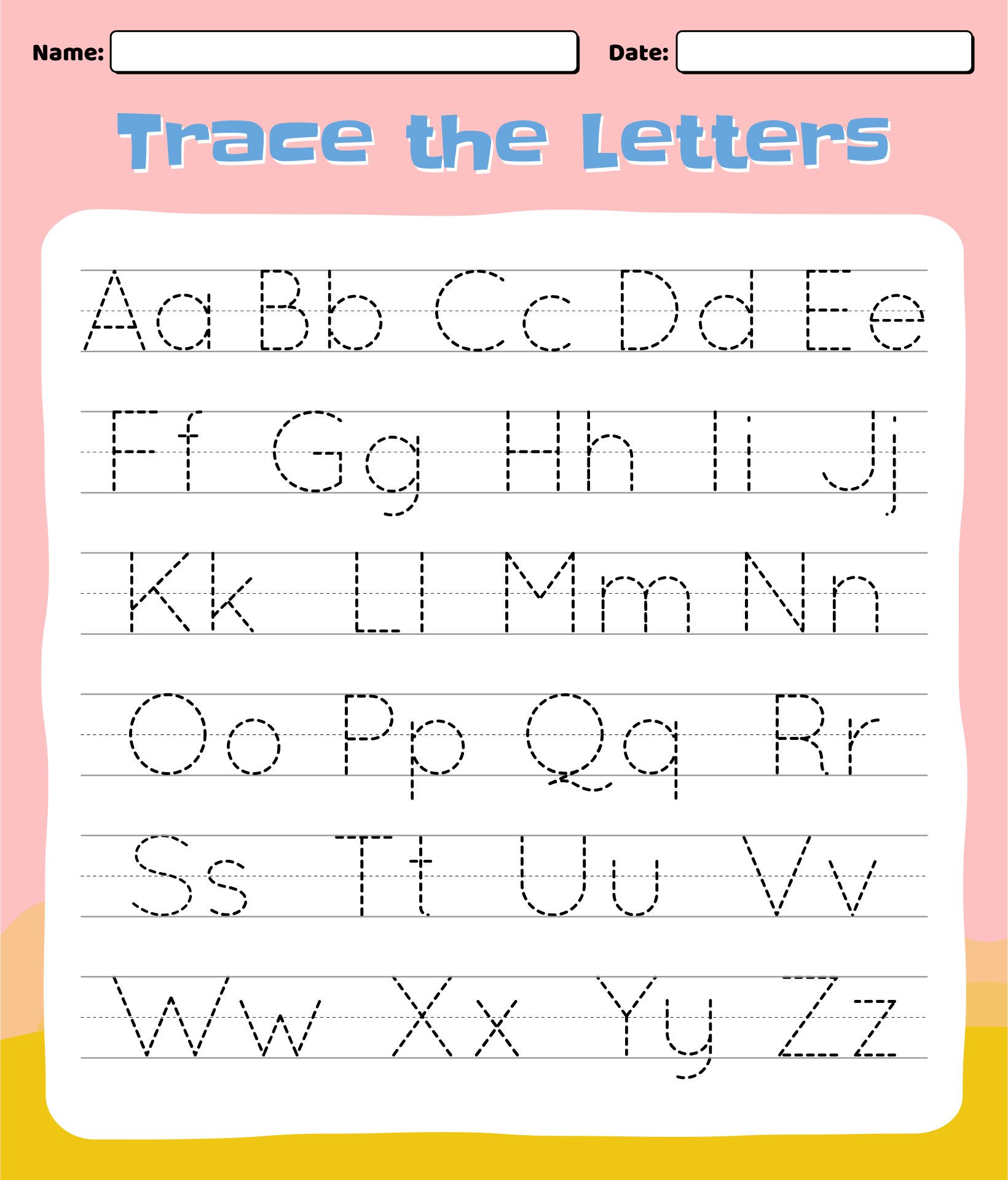
Customization and Variability in Worksheets
One of the standout features of these Lower Case Alphabet Printing Worksheets is their flexibility. They can be easily customized to suit different learning styles and needs. For example, you might find variations that focus on specific themes, such as animals or seasons, which can make learning more relatable and engaging for students.
Additionally, some worksheets may include activities that allow for letter recognition games or phonetic exercises alongside the writing practice. This not only reinforces the writing skills but also helps children connect letters with sounds, which is crucial for reading development.