
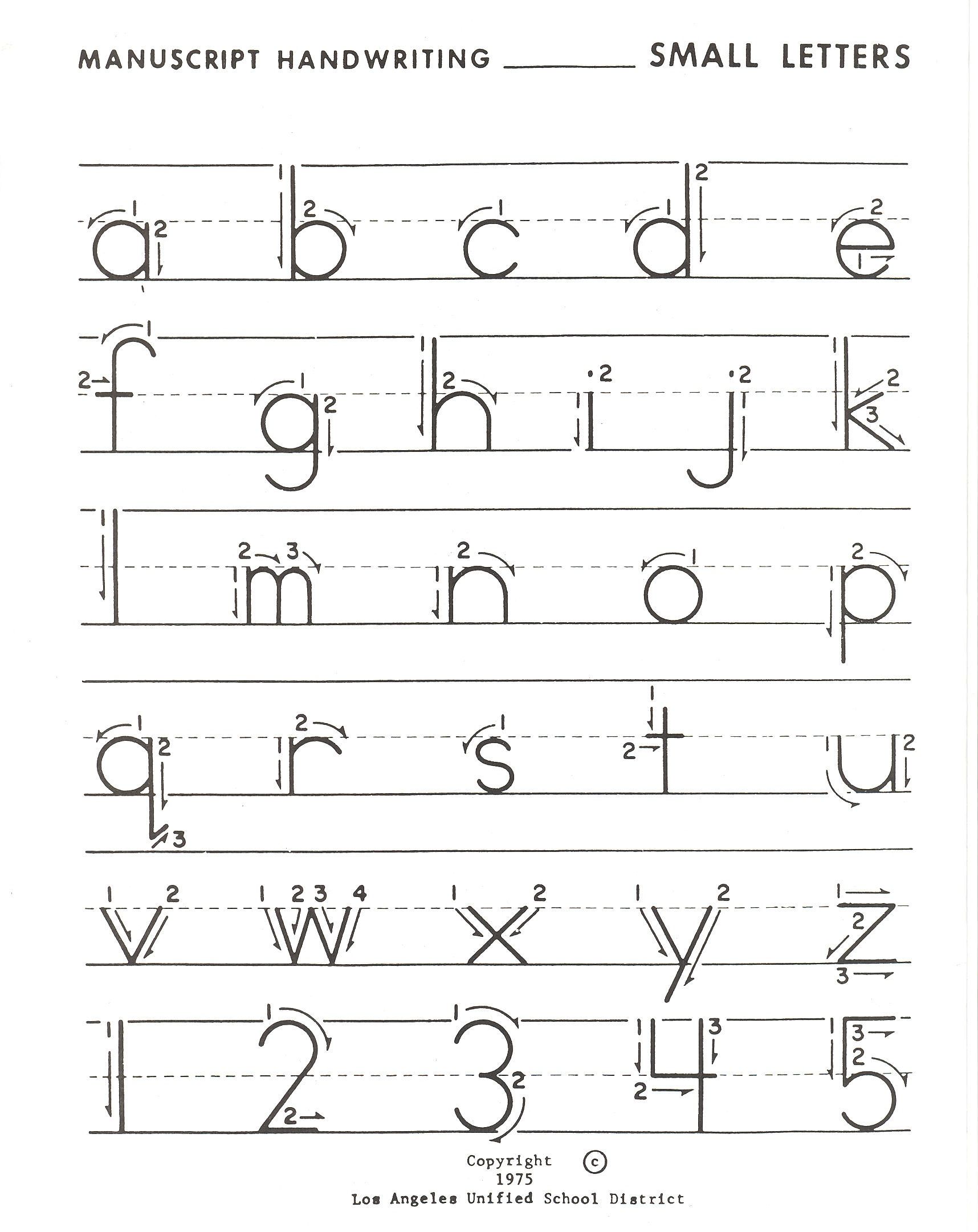
Lower Case Alphabet Handwriting Worksheets are designed specifically to help young learners master the art of writing lowercase letters. These worksheets typically come in a standard size of 8.5 x 11 inches, making them easy to print and use at home or in a homeschooling environment. The structured format allows for consistent practice, which is essential for developing good handwriting skills.
Understanding the Layout of Handwriting Worksheets
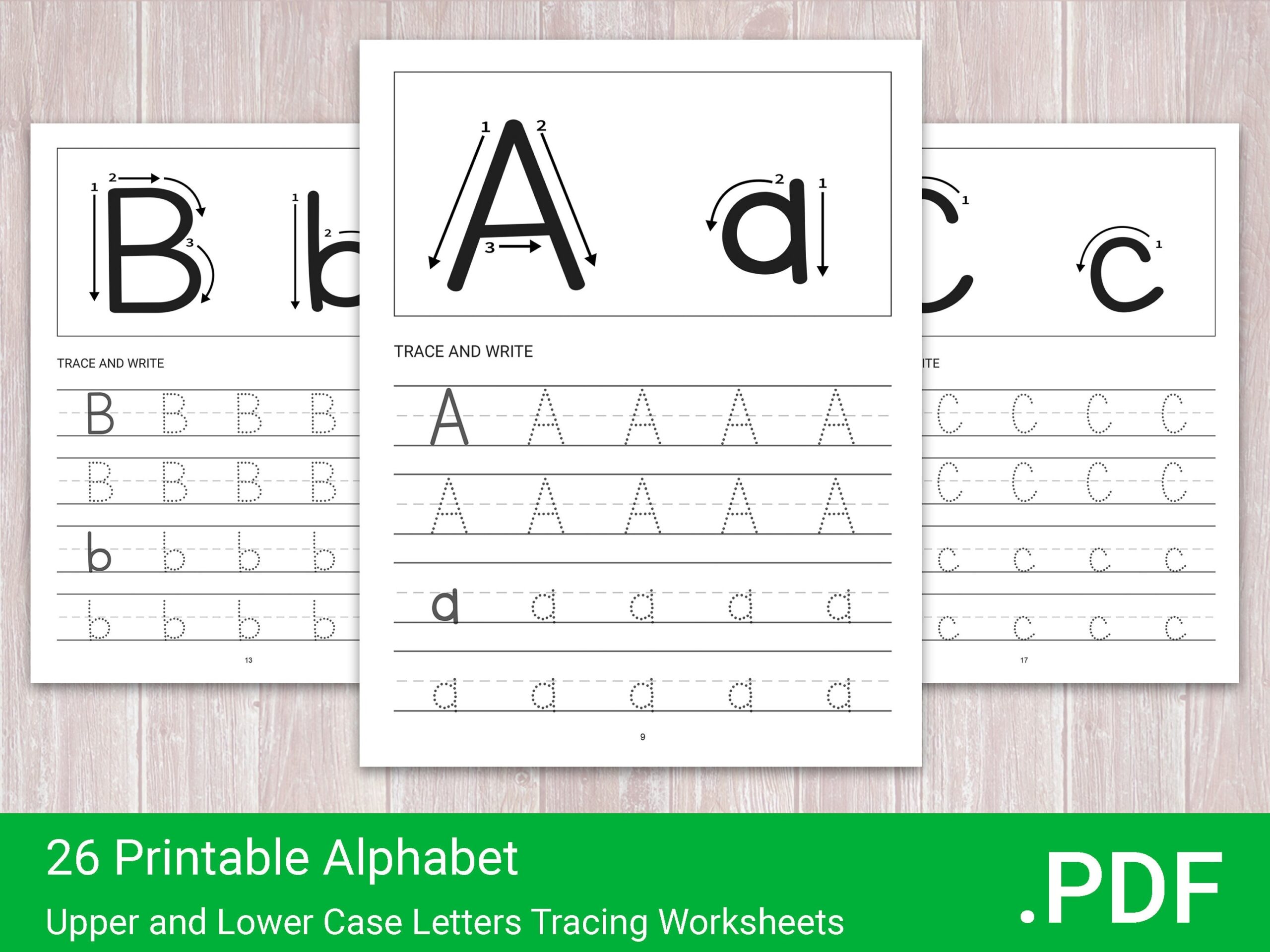
When you look at Lower Case Alphabet Handwriting Worksheets, you’ll notice they usually feature a series of letters presented in a clear and engaging layout. Each worksheet typically displays a letter at the top, followed by dotted lines or grids for students to trace and eventually write on their own. This design choice is crucial as it guides children in forming letters correctly.
You might also find that these worksheets include a variety of activities. For example, some may have sections where students can practice writing the letter independently after tracing it, while others could include fun illustrations or objects that start with that letter. This not only reinforces letter recognition but also helps in associating letters with sounds and words.
Choosing the Right Worksheets for Different Age Groups
Lower Case Alphabet Handwriting Worksheets are suitable for preschool and early elementary students, generally ages 4 to 7. For younger children, worksheets with larger letters and more guiding lines are preferable, as they provide ample space for practice. As children progress, you can introduce worksheets that feature smaller letters or fewer guiding lines to encourage independent writing.
In some cases, you might find worksheets that cater to specific learning styles. For instance, visual learners might benefit from worksheets that include color-coded letters or pictures that coincide with the letter being practiced. Kinesthetic learners, on the other hand, may enjoy worksheets that incorporate activities where they can use manipulatives or write letters in sand or on a chalkboard after practicing on paper.
Integrating Worksheets Into Daily Routines
Incorporating Lower Case Alphabet Handwriting Worksheets into your daily routine is straightforward and effective. You can set aside a specific time each day, perhaps after lunch or before an afternoon break, to focus on handwriting practice. This consistency helps children develop a routine and reinforces their learning.
Additionally, you can create a relaxed environment by turning this practice into a fun activity. For example, consider using colored pencils or markers instead of traditional pencils. This small change can make a big difference in engagement. You might also integrate games, where children earn points for completing worksheets or showing improvement in their writing.
Enhancing Learning With Additional Resources
While Lower Case Alphabet Handwriting Worksheets are excellent tools for teaching writing, you can enhance the learning experience by pairing them with other educational resources. For example, consider using flashcards that feature the same letters, as this can help reinforce recognition and pronunciation alongside writing practice.
Another effective method is to incorporate storytelling. After practicing a set of letters, ask your child to come up with a short story or sentence using words that start with those letters. This not only encourages writing but also promotes creativity and language development.
Printing and Paper Choices
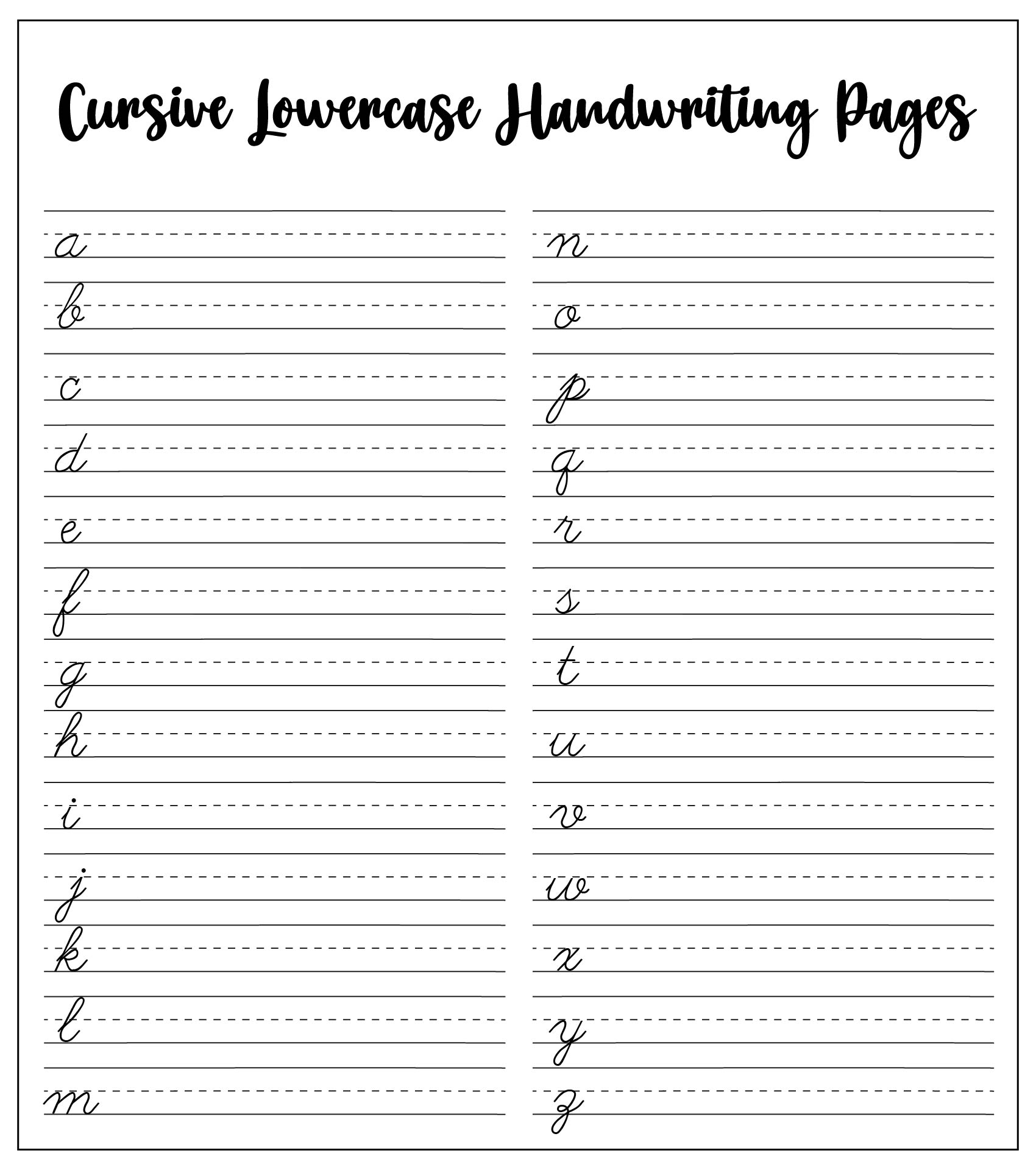
When it comes to printing your worksheets, it’s best to use good-quality paper to ensure durability, especially if the worksheets will be used multiple times or laminated for reuse. Standard printer paper works fine, but using cardstock can provide a sturdier option that holds up better over time. If you plan to laminate the worksheets, cardstock is highly recommended as it withstands the lamination process well.
You’ll also want to consider your printer settings. Most home printers will handle these worksheets without issue, but make sure to select the correct paper size and orientation (portrait) to avoid any formatting problems. If you’re printing multiple copies, batch printing can save you time and effort.
By choosing quality materials and integrating these worksheets into a daily routine, you can create a supportive learning environment that fosters handwriting skills in young learners. Whether you are a teacher or a parent, these practical tips will help you maximize the benefits of using Lower Case Alphabet Handwriting Worksheets.