
When seeking resources that combine creativity and learning, finding effective materials can be challenging. One solution is using letters to colour in and print. These resources provide an engaging way for children to practice their letters while also expressing their artistic skills. guide teachers and homeschool parents through selecting, downloading, printing, and utilizing these valuable printables effectively.
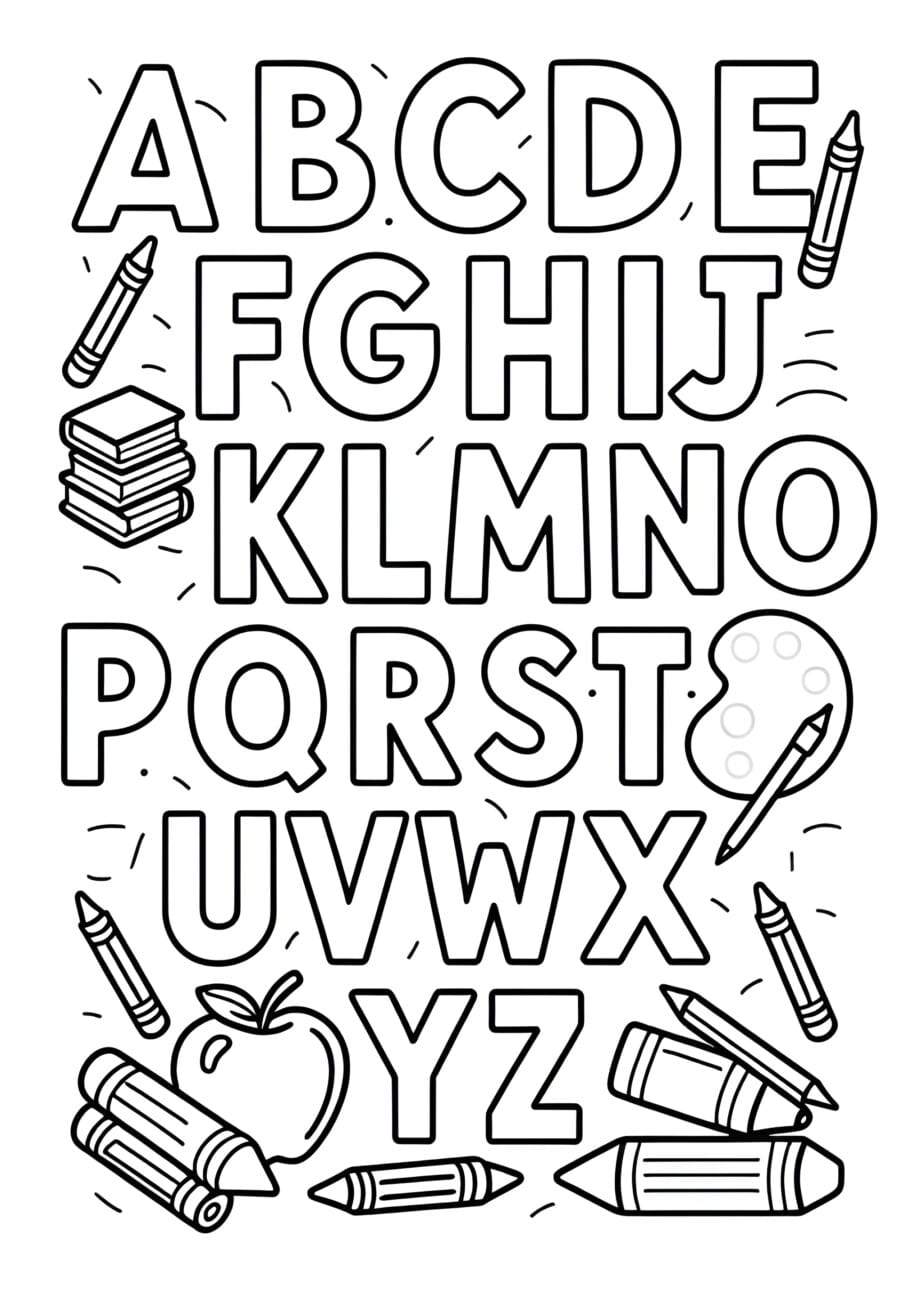
Understanding the Benefits of Colouring Letters
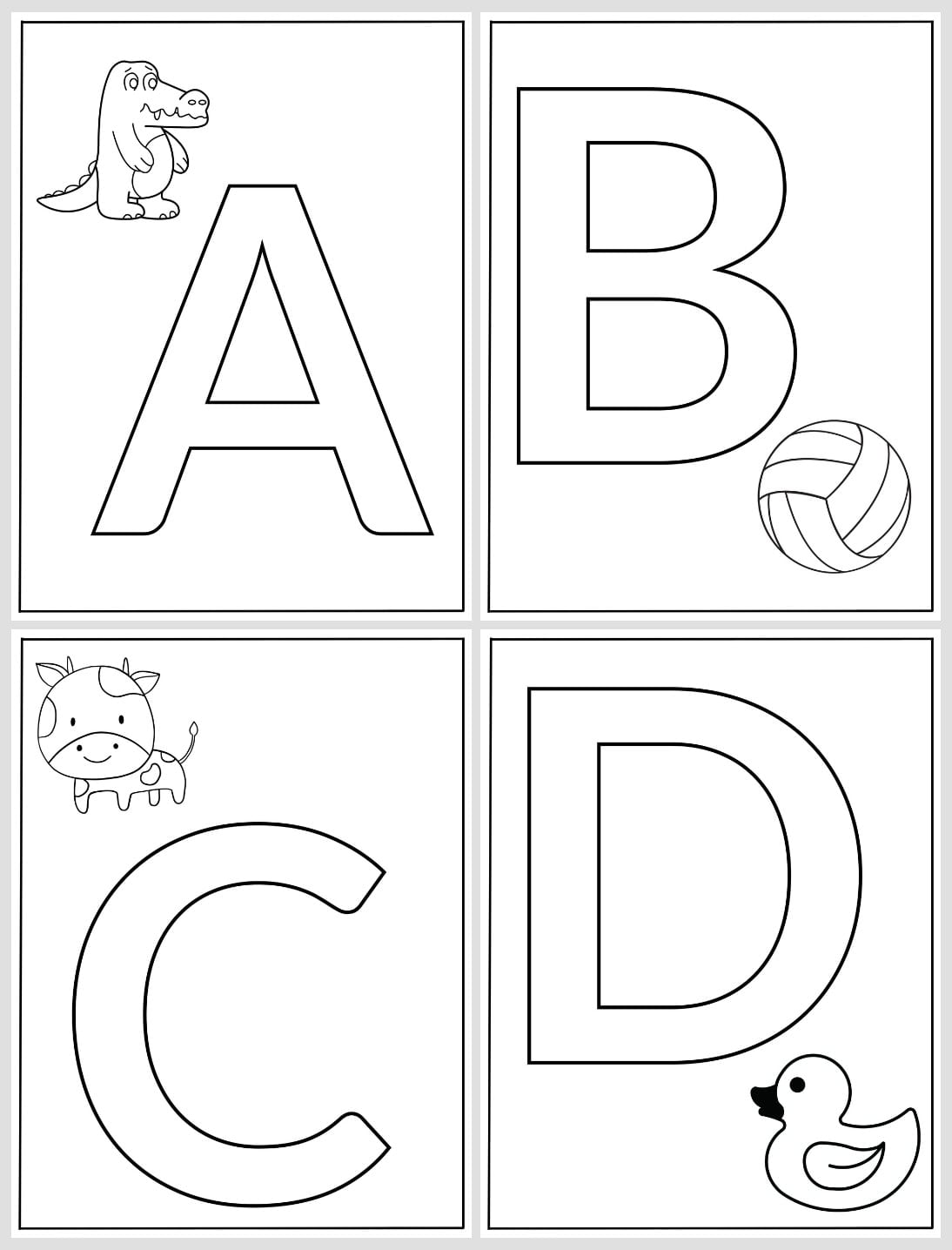
Colouring letters is more than just a fun activity; it serves multiple educational purposes. Children can enhance their fine motor skills as they grasp crayons and markers. This activity also promotes letter recognition, which is essential for early literacy.
By engaging in colour activities, children can learn the difference between uppercase and lowercase letters, improve their hand-eye coordination, and develop their artistic creativity. The variety of designs available can cater to different interests, making learning enjoyable.
Selecting the Right Letters To Colour In And Print
When choosing printable letters to colour, consider the following factors:
- Age Appropriateness: Ensure the designs suit the child’s age and skill level. For younger children, opt for simpler designs with larger letters. Older children may enjoy more intricate designs.
- Themes: Select letters that align with current lessons or themes in the classroom or at home. For example, if studying animals, find letters associated with that theme.
- Printable Quality: Look for high-resolution PDFs to ensure clarity when printed. Clear images will enhance the colouring experience.
By keeping these factors in mind, you can choose resources that not only fulfill educational needs but also keep children engaged.
Downloading and Printing Letters
After selecting the right letters to colour in, the next step is downloading and printing them. Here’s a simple workflow to follow:
- Download: Most resources are available in PDF format. Click the download link and save the file to your computer. PDFs are preferred as they maintain formatting and quality across different devices and printers.
- Choose the Right Paper: For best results, use standard A4 or letter-sized paper. If using markers or paints, consider heavier cardstock to prevent bleed-through. For crayons and coloured pencils, regular printer paper works well.
- Printer Settings: Select the portrait layout for most home printers, as this generally suits the printable design. Ensure the print settings are set to actual size to avoid distortion.
- Print: After adjusting the settings, print the document. Always do a test print to check for any issues before printing multiple copies.
Following these steps will ensure that the letters are printed clearly and are ready for colouring.
Setting Up for Success
Once the letters are printed, it’s essential to create an environment that encourages creativity and focus. Here are practical tips to set up for a successful colouring session:
- Organised Workspace: Designate a specific area for colouring. Ensure it is well-lit and free from distractions. Having all materials, such as crayons, markers, and pencils within reach can enhance the experience.
- Encouragement to Explore: Allow children the freedom to choose their colours and styles. This not only boosts creativity but also helps in decision-making skills.
- Incorporate Learning: As children colour, engage them in discussions about the letters. Ask them to name words that start with the letters they are colouring. This reinforces their learning and keeps them focused.
- Use as a Teaching Tool: Use the coloured letters to create words or simple sentences on a bulletin board or display them around the classroom. This reinforces learning and adds a personal touch to the environment.
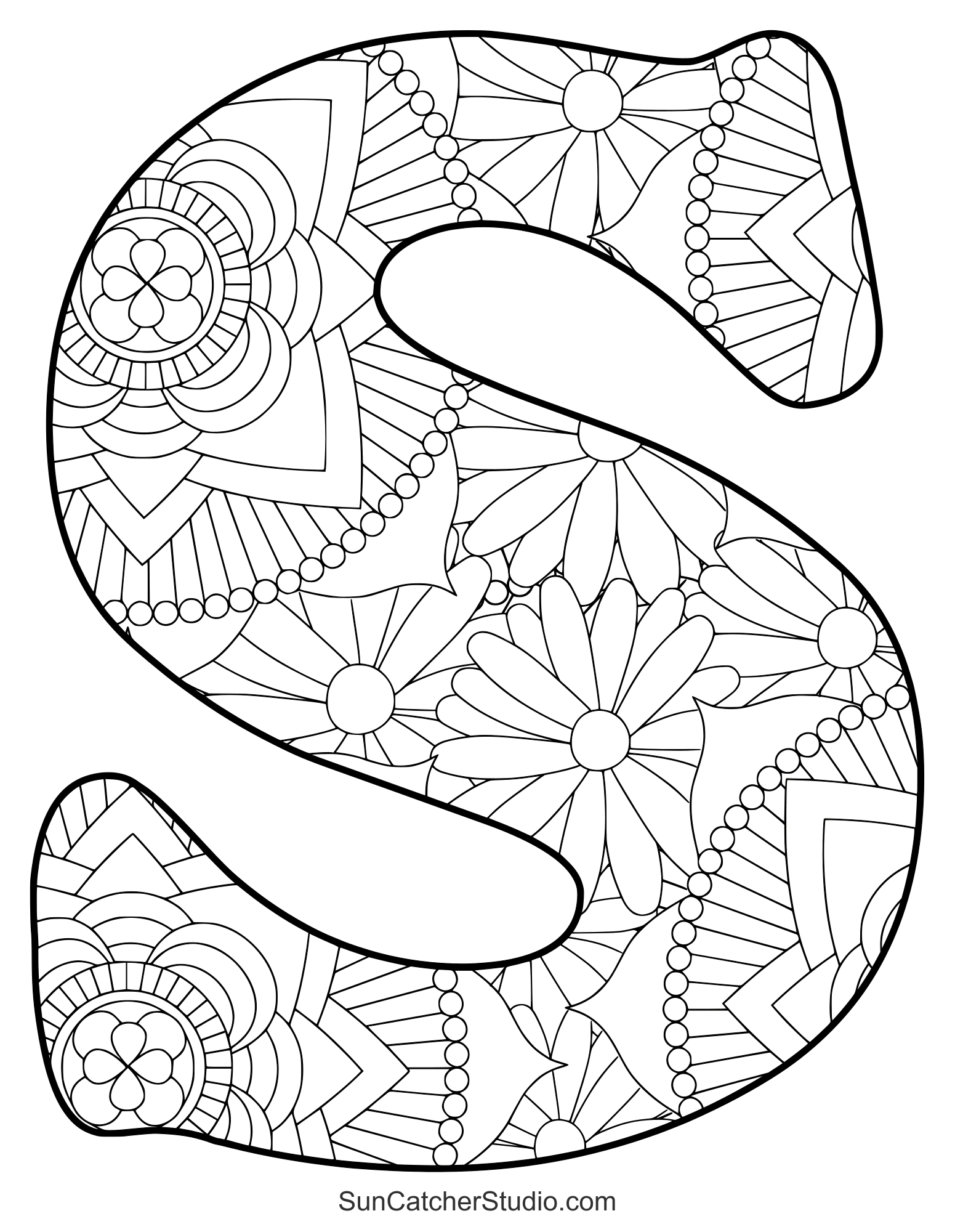
Monitoring Progress
To ensure mastery of letter recognition and colouring skills, it’s essential to monitor progress. Here’s how to assess if a child is grasping the concepts:
- Observation: Watch how children approach the colouring. Are they able to stay within the lines? Do they show creativity in their colour choices? These observations can indicate their fine motor skill development and willingness to engage.
- Discussing Choices: After they finish, ask about their colour choices and the letters they coloured. This not only validates their efforts but also encourages verbal skills and reinforces letter recognition.
- Repetition and Variation: If a child struggles with certain letters, print additional sheets for practice. Varying the designs can keep the activity fresh and engaging.
By closely observing and discussing their work, teachers and parents can better understand each child’s learning trajectory and adapt accordingly.