
When it comes to engaging young learners, Letters To Color For Kids provide a fantastic way to blend education with creativity. These resources not only help children practice their letter recognition but also allow them to express themselves artistically. As a teacher or a parent, you may be looking for effective and enjoyable tools that can facilitate learning. guide you on how to effectively use letters to color for enhancing children’s learning experiences.
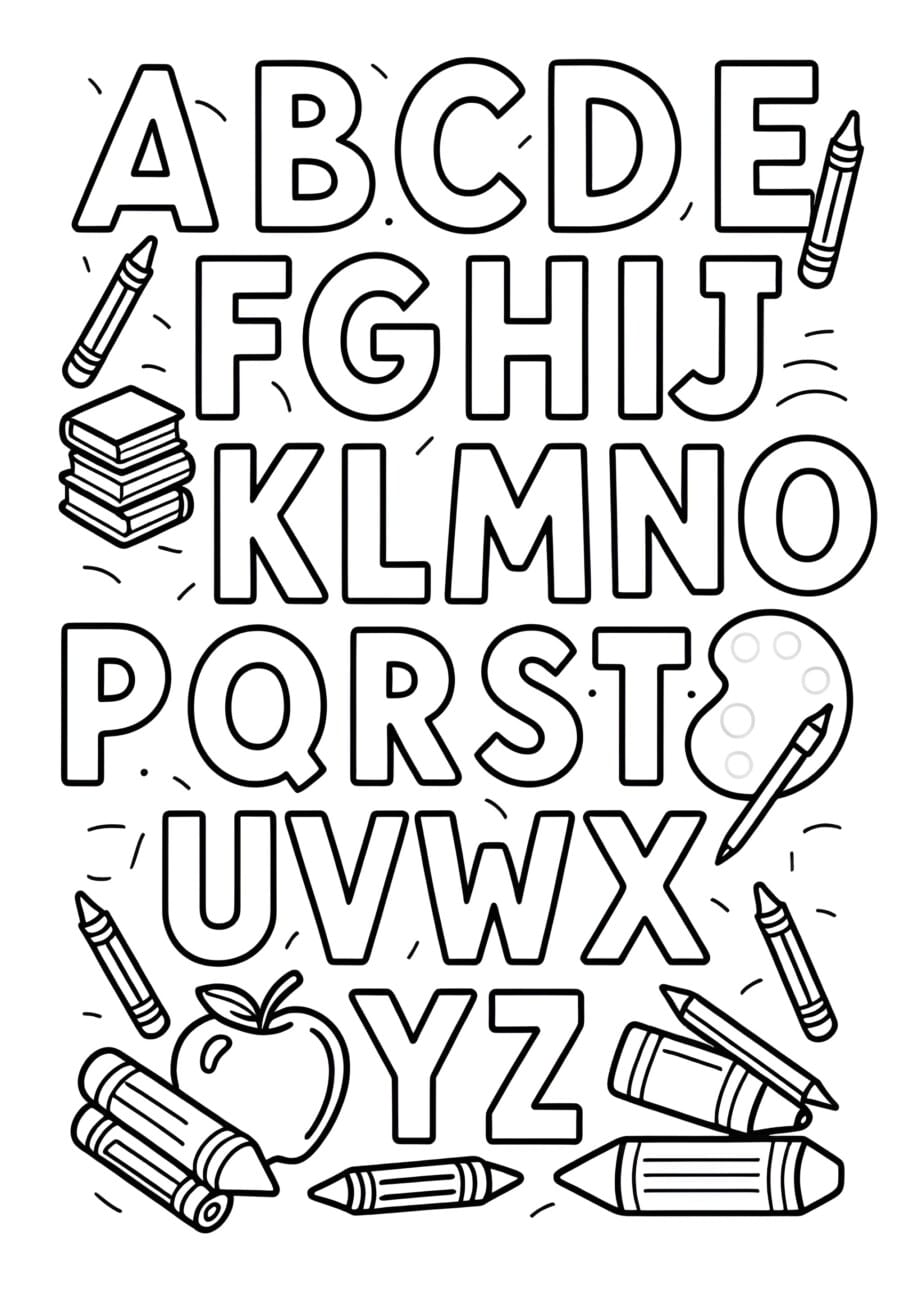
Understanding the Importance of Coloring Letters
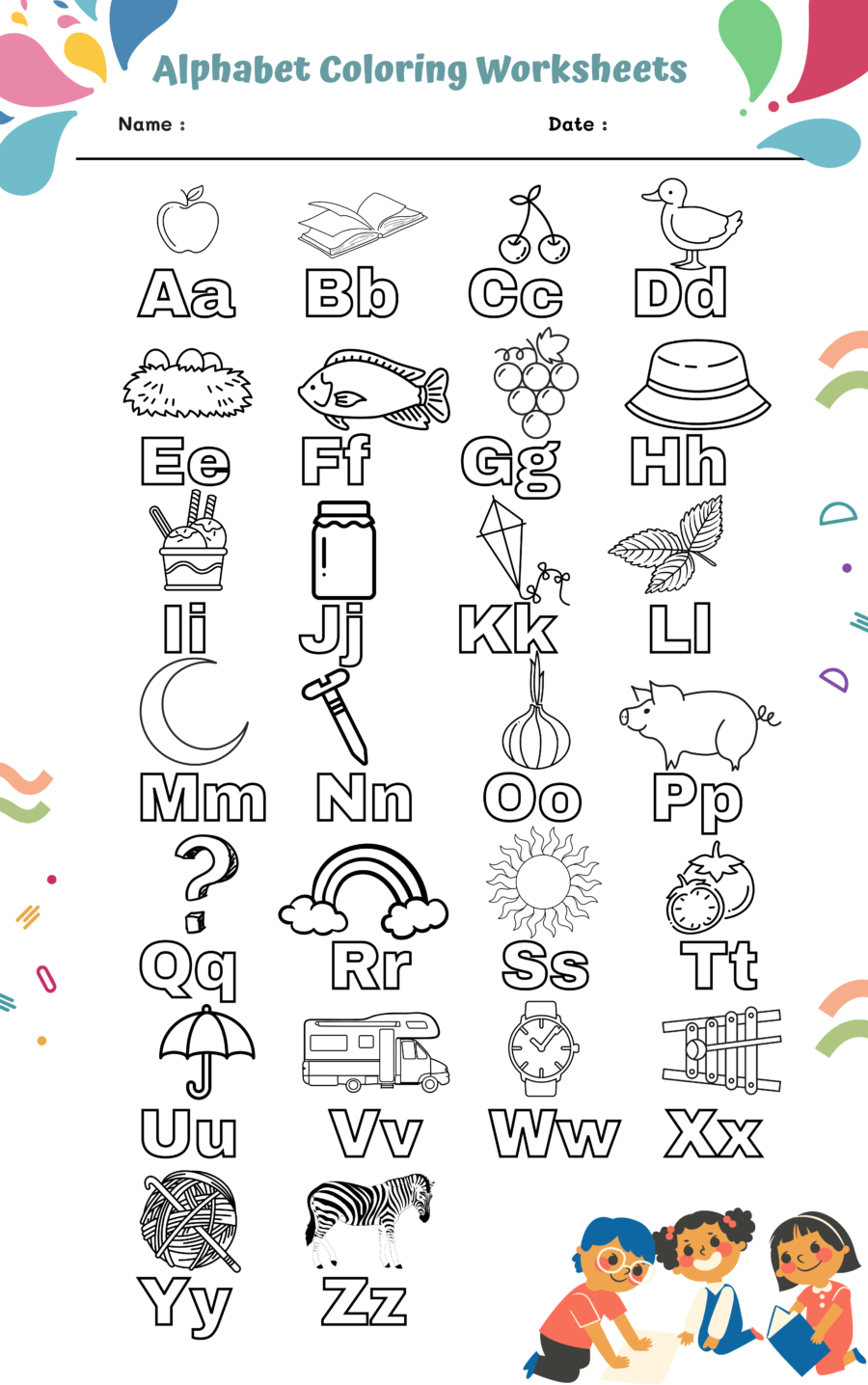
Coloring activities are vital in early childhood education. They help improve motor skills, enhance focus, and boost creativity. When children color letters, they engage in a multi-sensory learning experience. This activity can significantly contribute to their cognitive development, as they learn to associate colors with letters, reinforcing their understanding of the alphabet.
Additionally, coloring letters helps children develop their fine motor skills. Grasping crayons, markers, or colored pencils requires hand-eye coordination and dexterity. These are essential skills that will be beneficial as they progress in their education.
Choosing the Right Printable Resources
When selecting Letters To Color For Kids, consider the age and skill level of the children. Look for templates that have large, clear letters, as these are easier for younger children to color. For preschoolers, uppercase letters are usually more recognizable and simpler to work with.
You can find a variety of printable templates online. Some sites offer free downloads, while others may charge a small fee. When choosing a resource, ensure it is high-quality and available in formats that are easy to print, such as PDF. PDFs generally preserve formatting better than image files, which can sometimes distort when printed.
How to Incorporate Coloring Letters Into Your Lessons
Integrating letters to color into your lesson plan can be both fun and educational. Here are some practical ways to do so:
- Letter of the Day: Introduce a new letter each day. Start with a brief discussion about the letter’s shape and sound. Then, provide the corresponding coloring page. Encourage children to decorate the letter with different colors and designs.
- Thematic Units: If you’re teaching a particular theme or subject, such as animals or seasons, find coloring letters that align with that theme. For example, you could have the letter ‘B’ for ‘Bird’ and provide images of birds for them to color along with the letter.
- Group Activities: Use coloring letters as a group activity. This can foster collaboration and communication among children. They can discuss their color choices and even share their pages with each other once finished.
- Home-School Connection: Send coloring letters home with students as a fun homework assignment. This encourages parents to get involved in their child’s learning and provides an opportunity for family bonding.
Monitoring Progress With Coloring Activities
As with any educational activity, it’s essential to monitor children’s progress. When children color letters, pay attention to the following:
- Letter Recognition: Are they able to correctly identify the letters they are coloring? You might ask them to say the letter out loud as they color it.
- Coloring Skills: Observe how they handle their coloring tools. Are they staying within the lines? This can indicate their motor skill development.
- Creativity: Assess their creativity. Are they using a variety of colors? This can show their willingness to express themselves.
To gauge understanding, consider keeping a portfolio of their work. This not only showcases their progress but also serves as a great keepsake for parents.
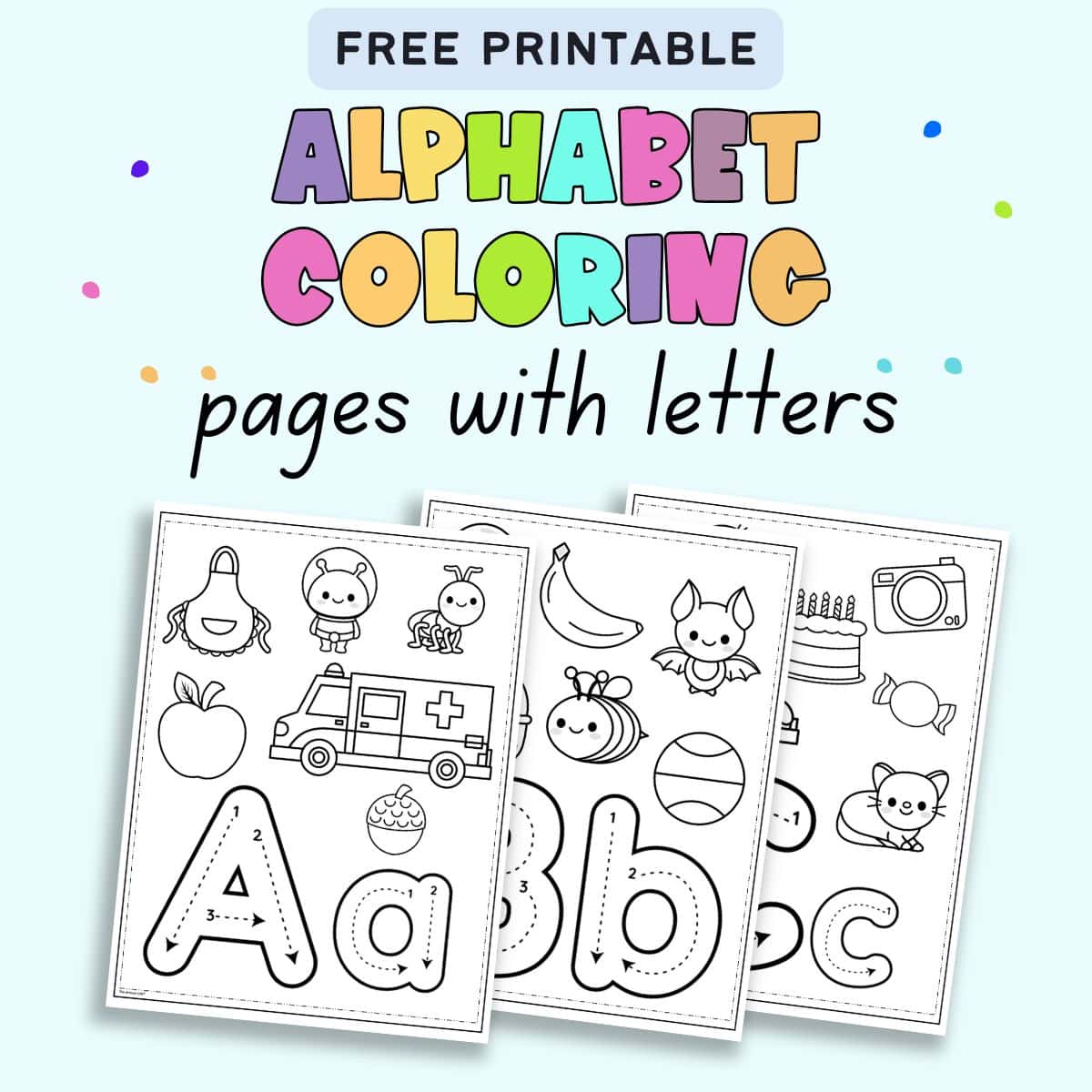
Additional Tips for Using Letters To Color For Kids
Here are some extra tips to make the most out of your letters to color resources:
- Durable Paper: Print coloring pages on cardstock instead of regular printer paper. This will prevent tearing and allow for better coloring with markers or crayons.
- Laminating: If you want kids to reuse the coloring pages, consider laminating them. This allows children to color with dry-erase markers, making it a reusable activity.
- Coloring Tools: Provide a variety of coloring tools. Crayons, colored pencils, markers, and even watercolor paints can be used to add a creative twist to the activity.
- Incorporate Stories: Combine coloring letters with storytelling. Read a short story that features the letter of the day, then have children color the letter afterward. This reinforces the connection between letters and sounds.
- Celebrate Achievements: Create a display of the finished coloring pages. This not only boosts the children’s confidence but also showcases their hard work to others.
By using Letters To Color For Kids effectively, you can create a vibrant and engaging learning environment. This resource can seamlessly blend creativity with learning, making it a valuable tool in any educational setting.
So, gather your supplies, choose some exciting letters to color, and watch as your young learners flourish in both their artistic and academic skills!