
Using letters to color and print can be an exciting way to enhance children’s learning while tapping into their creativity. As teachers or caregivers, you can use these resources to reinforce letter recognition, phonics, and fine motor skills in a fun and engaging way. guide you through how to effectively implement letters to color and print in your teaching or home environment, providing practical tips and ideas for all age levels.
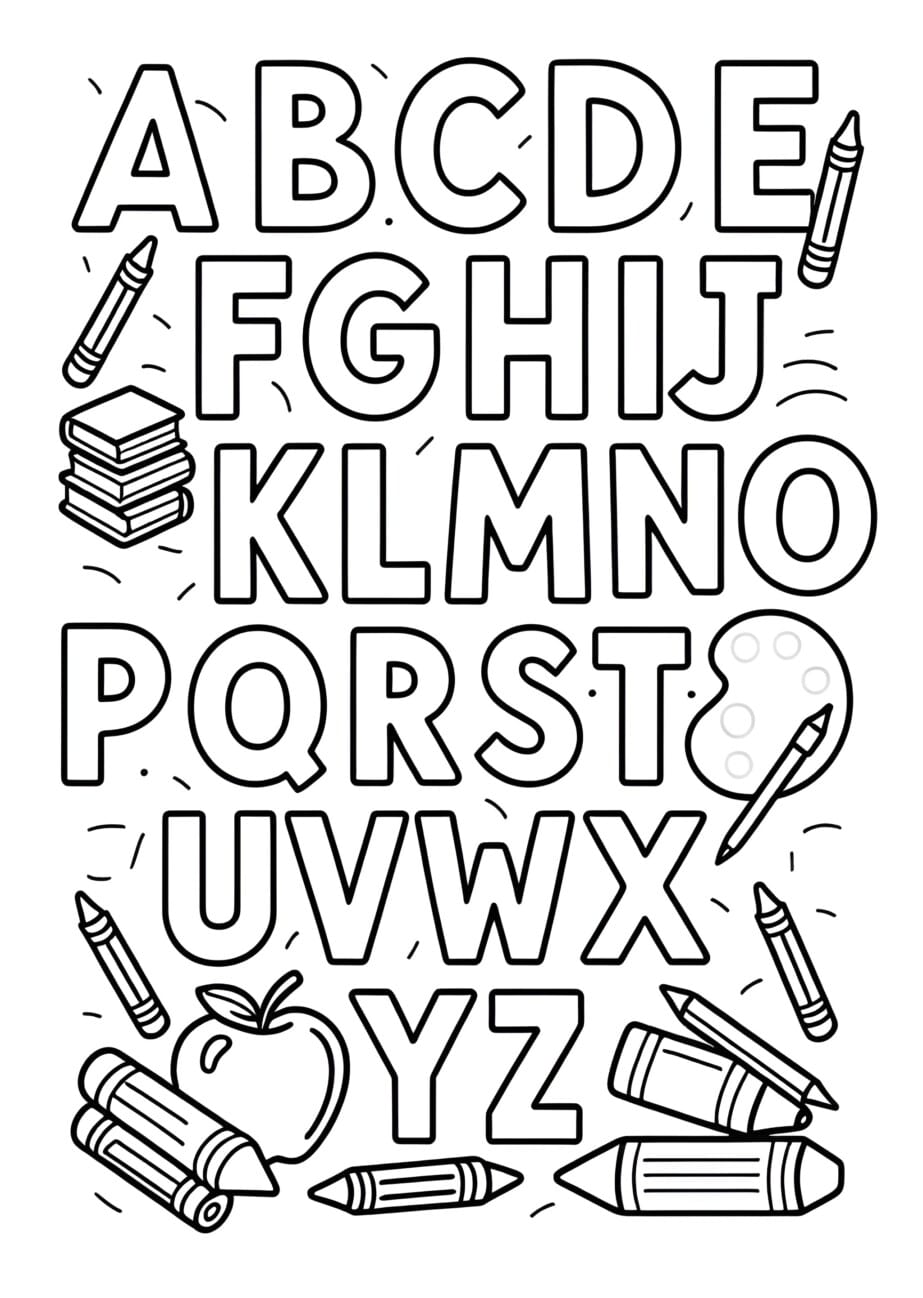
Understanding the Benefits of Coloring Letters
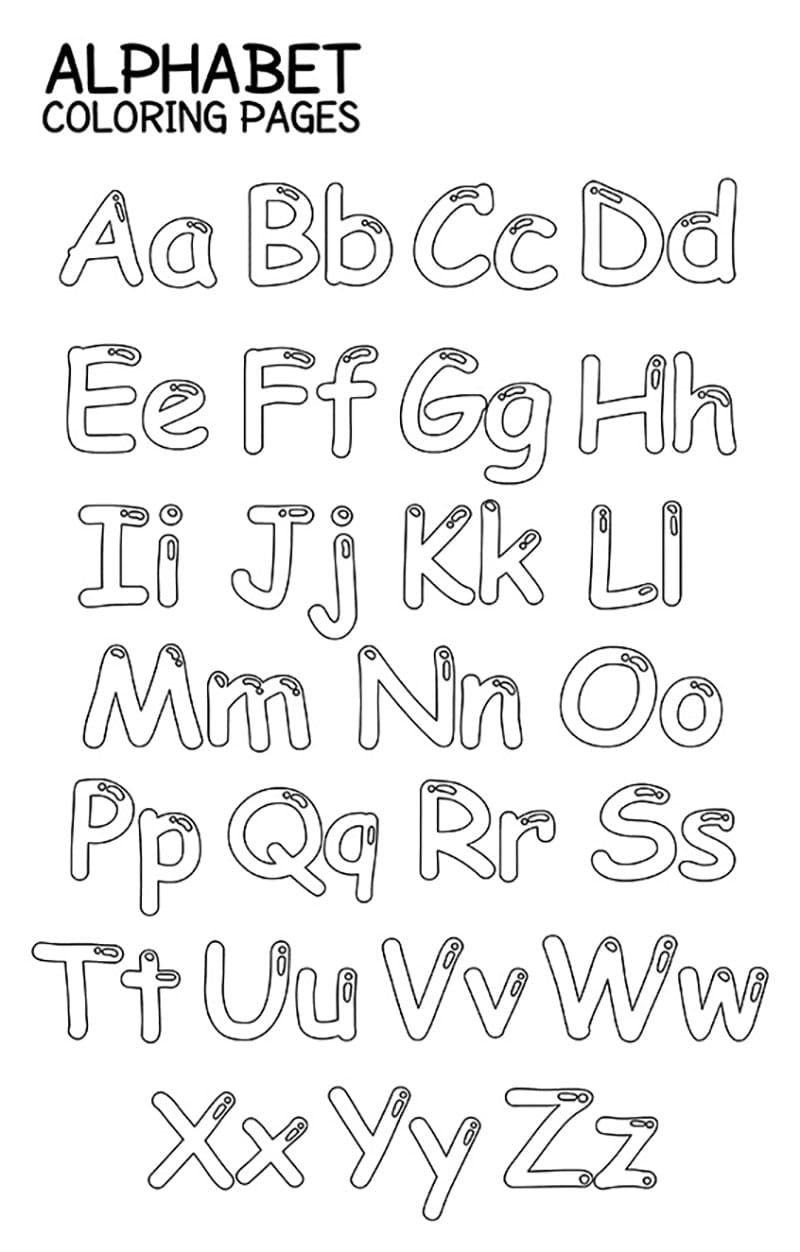
Coloring letters is more than just a fun activity; it serves several educational purposes. For young learners, it helps improve fine motor skills as they grasp crayons or markers. Additionally, it reinforces letter recognition and phonics, making it easier for children to connect sounds with letters. When children color letters, they engage with the material actively, enhancing their retention of the information.
Moreover, letters to color and print can be adapted for various age groups, from preschoolers to early elementary students. For younger children, simple, bold letters are ideal, while older children can handle more intricate designs that include illustrations or patterns. You can find resources that cater to different skill levels, ensuring that you have appropriate materials on hand for every learner.
How to Use Letters To Color And Print in the Classroom
In a classroom setting, integrating letters to color and print can be both educational and enjoyable. Here’s a step-by-step approach to implementing this resource effectively:
- Select the Right Resources: Choose printable letters that are age-appropriate and visually appealing. Look for letters that are large and clear for younger students, while older students may enjoy more complex designs.
- Set Up the Activity: Prepare your classroom by ensuring that each student has access to coloring materials like crayons, colored pencils, or markers. You might also want to provide different types of paper, such as cardstock, which holds up better to coloring and can be laminated for repeated use.
- Introduce the Letters: Before the coloring begins, introduce the letters to the students. Discuss their sounds, and encourage students to think of words that start with each letter. This not only builds their vocabulary but also reinforces letter-sound associations.
- Encourage Creativity: Allow students to express their creativity while coloring. Encourage them to use different colors for each letter or to decorate the letters with designs or patterns. This personalization helps them feel more connected to the material.
- Share and Display Their Work: Once the letters are colored, have students share their creations with the class. You can create a bulletin board display showcasing their work, which fosters a sense of pride and accomplishment.
Using Letters To Color And Print at Home
For parents and caregivers, letters to color and print can be a valuable resource for reinforcing learning at home. Here’s how you can effectively use these materials with your children:
- Create a Learning Routine: Set aside a specific time each week for coloring activities. This consistency helps establish a routine and emphasizes the importance of learning through play.
- Incorporate Learning Games: Make the activity interactive by turning it into a game. For example, you could call out a letter, and your child must find and color that letter from a selection of printables. This keeps the learning engaging and dynamic.
- Connect to Real-Life Examples: Discuss real-life items that start with the letters your child is coloring. For instance, when coloring the letter “A,” talk about apples or airplanes. This contextual learning helps solidify their understanding of letters and sounds.
- Provide Feedback and Praise: As your child colors, offer positive feedback and encouragement. Compliment their color choices and creativity, which boosts their confidence and motivates them to continue learning.
- Store and Reuse: After the letters are colored, consider laminating them for durability. This allows you to use them for various activities, such as spelling games or letter recognition exercises, in the future.
Selecting the Right Printable Resources
When choosing letters to color and print, consider the following tips to ensure you have the best resources for your students or children:
- Quality of Design: Look for printables that feature bold, clear outlines. This makes it easier for young children to color within the lines and ensures that the letters are legible.
- Variety of Styles: Different children have varying interests. Some may prefer letters with animal illustrations, while others may enjoy letters with fun patterns or themes. Offering a variety keeps the activity fresh and engaging.
- Download Options: Ensure that the resources you choose are available in PDF format, as this helps avoid any reformatting issues during printing. PDFs typically print more clearly than image files.
- Paper Size: Most printables are designed for standard paper sizes, such as Letter (8.5 x 11 inches) or A4. Make sure your printer settings are adjusted accordingly to avoid any cutting off of the letters.
Engaging Follow-Up Activities
After your students or children have finished coloring their letters, consider incorporating follow-up activities to reinforce their learning:
- Letter Crafts: Transform the colored letters into crafts. For example, cut out the letters and glue them onto a larger sheet of paper to create a colorful alphabet poster.
- Story Time: Encourage children to come up with a short story using words that start with the letters they colored. This promotes creativity and helps them practice their writing skills.
- Letter Recognition Games: Create games that focus on letter recognition. For instance, hide the colored letters around the room and have students find them. When they find a letter, they must say its sound or a word that starts with that letter.
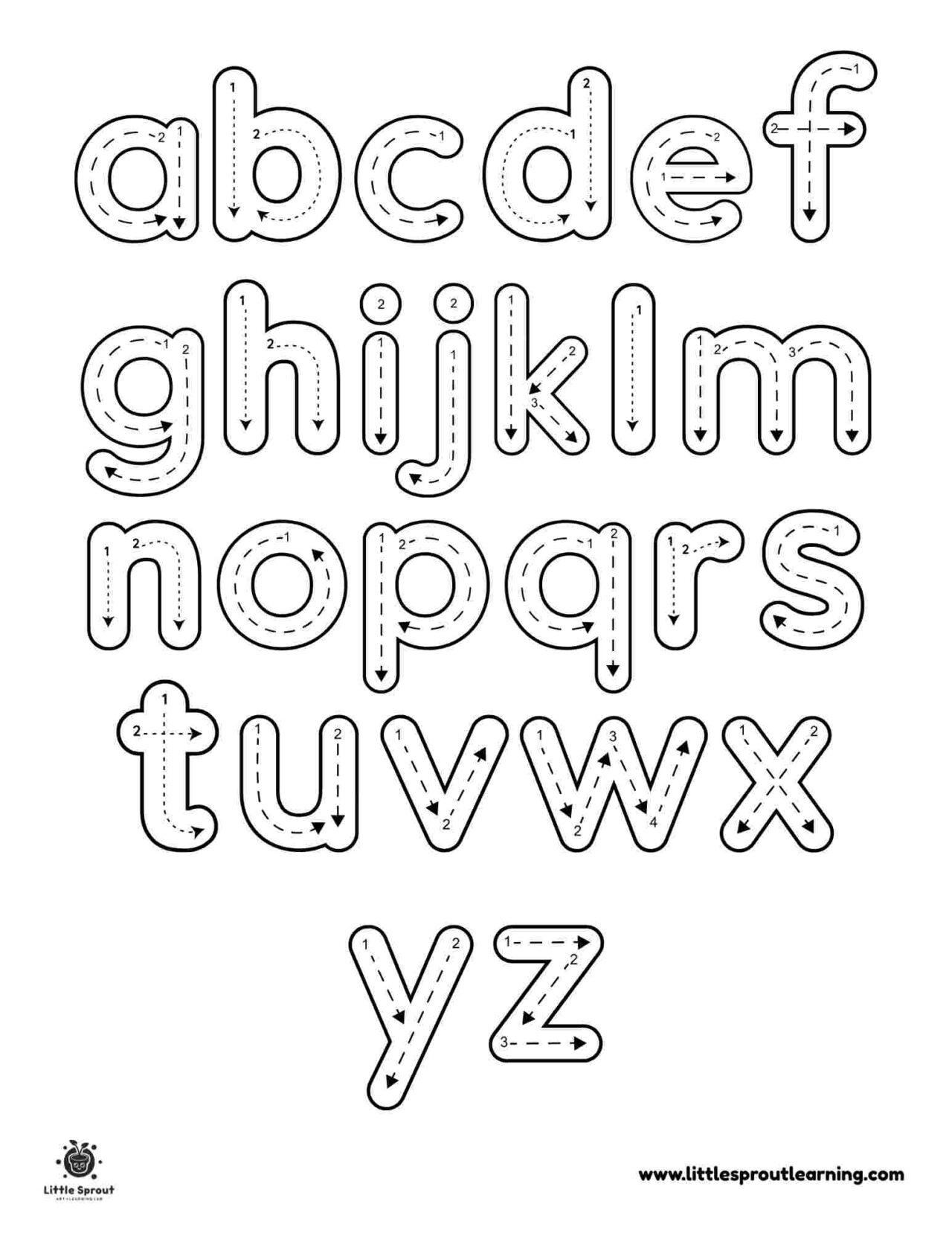
- Interactive Worksheets: Combine coloring with worksheets that require students to trace the letters or write words that begin with the letters they colored. This reinforces writing skills as well.
- Family Involvement: Encourage parents to participate in the coloring and follow-up activities at home. This not only strengthens the learning experience but also fosters a positive attitude towards education.
By incorporating letters to color and print into your teaching or home routines, you can create a fun and educational environment that encourages creativity and learning. Whether in a classroom or at home, these resources can significantly enhance children’s engagement with letters and language. Choose high-quality printables, set up engaging activities, and watch as children thrive in their learning journey.