
To effectively teach young children the alphabet, using Letters Of The Alphabet Worksheets For Kindergarten can be invaluable. These worksheets not only provide a structured way for children to learn but also make the learning process enjoyable. guide you through how to utilize these worksheets in a classroom or home setting, ensuring that your students develop a solid foundation in letter recognition and writing skills.
Understanding the Importance of Alphabet Recognition
Alphabet recognition is a crucial early literacy skill that forms the basis for reading and writing. Children who can identify letters are better prepared to understand phonics and word formation, which are essential for reading fluency. When using Letters Of The Alphabet Worksheets For Kindergarten, you can help children recognize both uppercase and lowercase letters, which is vital for their literacy development.
By incorporating these worksheets into your curriculum, you can create a consistent routine for letter recognition. Children can practice identifying letters, tracing them, and even associating them with pictures or words that start with those letters. This multi-faceted approach reinforces their learning.
Types of Worksheets to Use
When selecting Letters Of The Alphabet Worksheets For Kindergarten, consider various formats that cater to different learning styles. Here are some effective types:
Tracing Worksheets
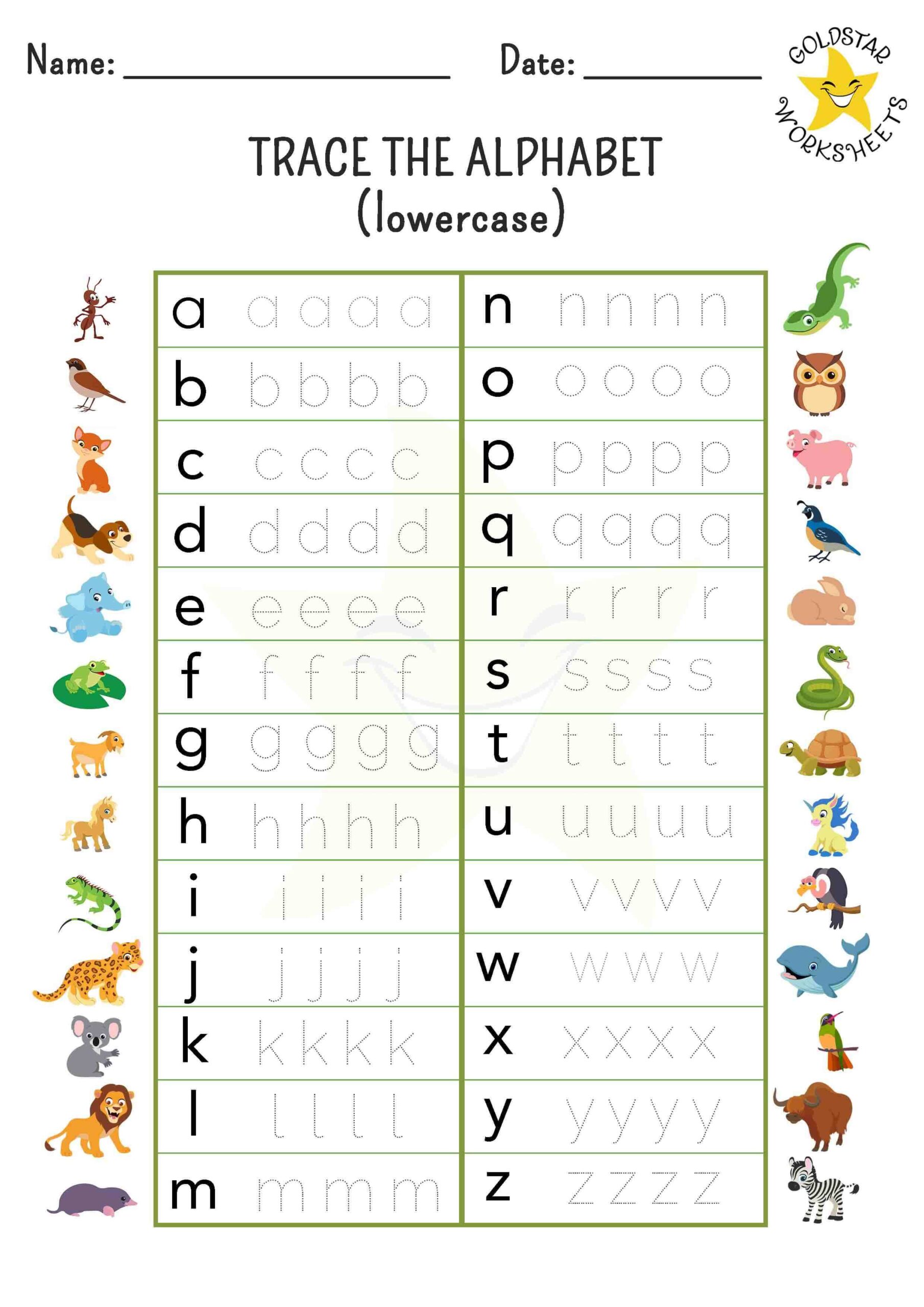
Tracing worksheets are excellent for developing fine motor skills. They usually feature dotted letters that children can trace over with a pencil or crayon. This not only helps them learn the shape of each letter but also improves their handwriting as they practice.
Coloring Worksheets
Coloring worksheets engage children creatively while reinforcing letter recognition. These worksheets often include a letter with corresponding images (for example, the letter “A” with an apple). As kids color, they can say the letter and the associated word, which enhances memory retention.
Matching Worksheets
Matching worksheets challenge children to connect letters with corresponding images or words. For example, they might draw a line from the letter “B” to a picture of a ball. This activity encourages critical thinking while reinforcing letter sounds and associations.
Cut and Paste Worksheets
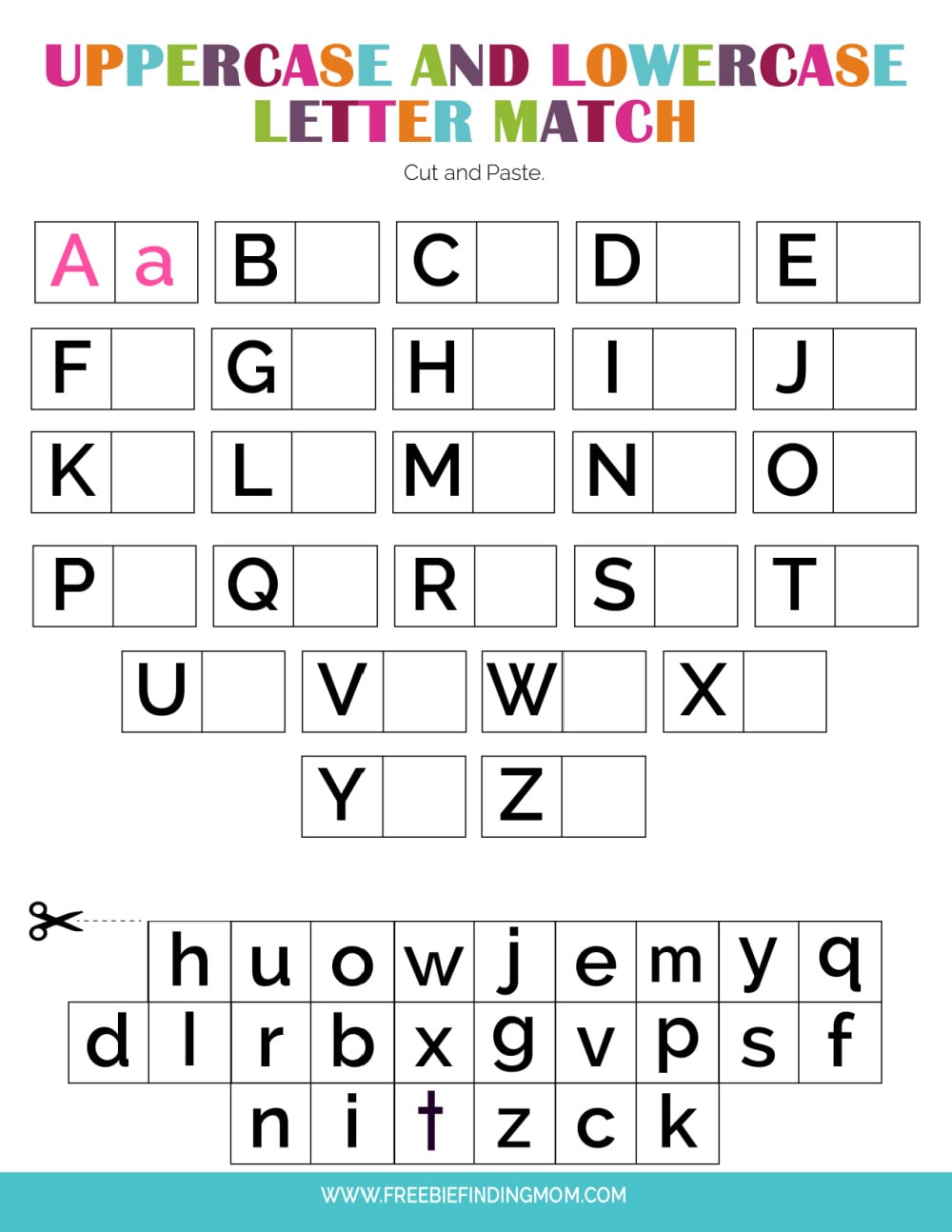
Cut and paste worksheets involve children cutting out letters or pictures and pasting them in the correct spots. This hands-on activity can be particularly engaging for kinesthetic learners, as it combines physical movement with learning.
Incorporating Worksheets Into Daily Lessons
To maximize the effectiveness of Letters Of The Alphabet Worksheets For Kindergarten, consider integrating them into your daily lesson plans. Here are some practical tips:
Set Clear Objectives
Before introducing the worksheets, set specific learning goals. For example, you might aim for students to recognize five new letters by the end of the week. Clear objectives help guide your instruction and provide a benchmark for assessing student progress.
Use a Rotational Approach
If you’re working with a group of children, consider rotating through different types of worksheets each day. This keeps the activities fresh and engaging. For instance, you might start the week with tracing worksheets, move to coloring on day two, and then use matching worksheets on day three.
Monitor Progress
As children complete the worksheets, take time to assess their understanding. Look for common mistakes or areas where they struggle, and adjust your teaching strategies accordingly. This might mean providing additional practice on specific letters or incorporating more games and activities to reinforce learning.
Evaluating Mastery
To ensure children are mastering the concepts presented in Letters Of The Alphabet Worksheets For Kindergarten, assess their skills through various means. Here are some effective strategies:
Observation
Observe children as they work through the worksheets. Are they able to identify letters independently? Do they need assistance? Observational assessments can provide insight into their understanding and confidence.
Use of Games
Incorporate letter recognition games into your routine. Games like “I Spy” or letter scavenger hunts can reinforce the skills learned in the worksheets in a fun, interactive way. Children often learn best through play, and this can help solidify their understanding.
Regular Assessments
Conduct regular assessments, such as quick quizzes or informal check-ins, to gauge each child’s letter recognition skills. This allows you to tailor your instruction to meet the needs of each student effectively.
Next Steps for Parents and Teachers
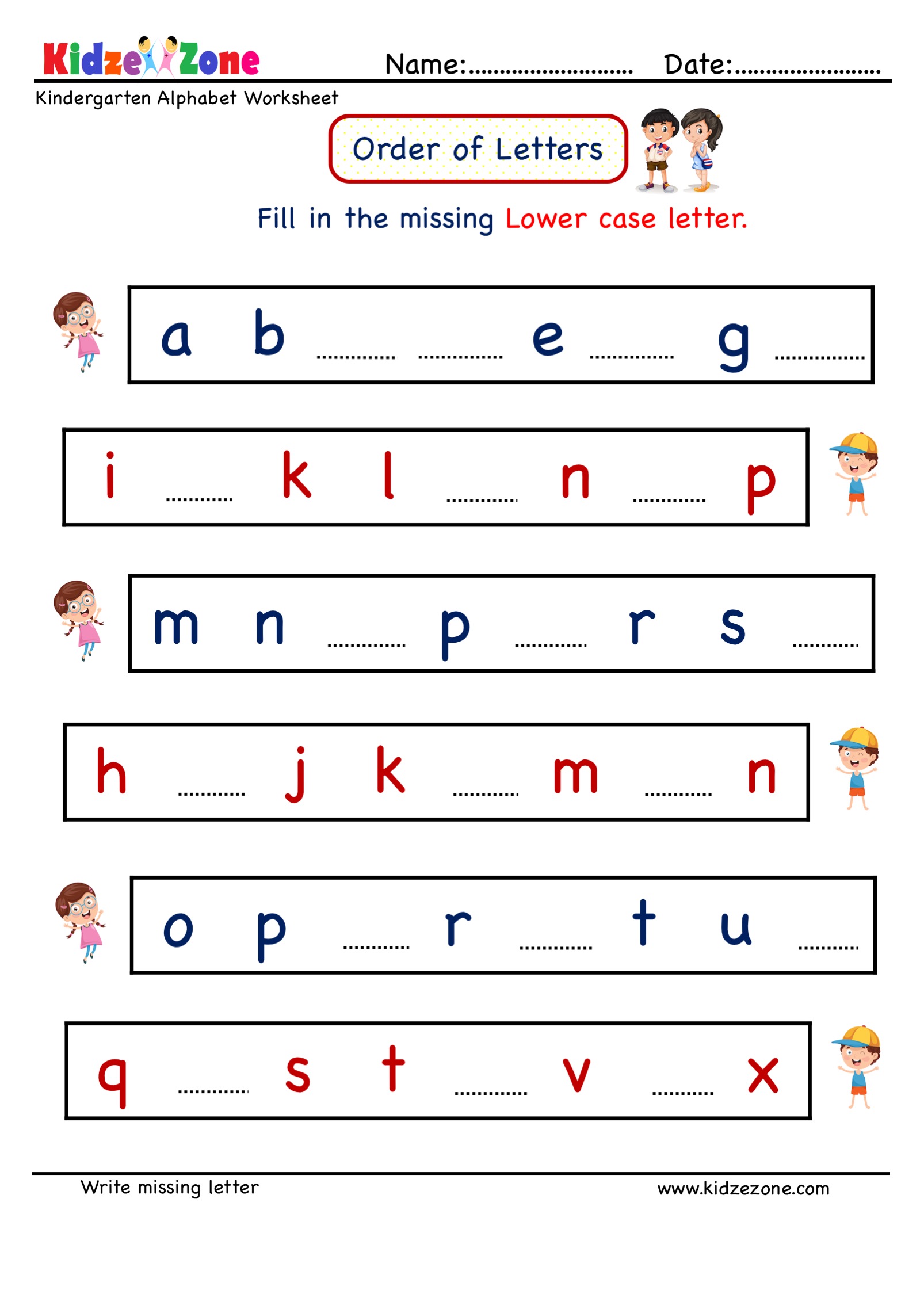
Parents and teachers can easily incorporate Letters Of The Alphabet Worksheets For Kindergarten into their daily routines. Here are some actionable steps:
- Download and Print: Find quality worksheets online that suit your teaching goals. Print them on sturdy paper, preferably cardstock, to withstand repeated use.
- Create a Learning Folder: Organize worksheets into a folder for easy access. This can also serve as a portfolio to track each child’s progress over time.
- Set a Routine: Establish a regular time each day for alphabet practice. Consistency helps reinforce learning and builds a habit for children.
By implementing these strategies, you can create a rich learning environment that supports children’s literacy development through engaging and effective worksheets.
When choosing Letters Of The Alphabet Worksheets For Kindergarten, look for resources that not only educate but also inspire creativity and enthusiasm for learning. The right tools can make all the difference in fostering a love for letters that lasts a lifetime.