
The Letters Of The Alphabet Printable resources are an excellent way to help children learn their letters in a fun and engaging manner. These printables can be utilized in various ways, whether you’re a teacher, a parent, or a homeschooler looking to enhance learning at home. This guide will explore how to effectively use these resources, what formats are available, and tips for maximizing their benefits in your daily routine.
Understanding the Importance of Alphabet Learning
Learning the alphabet is a foundational skill for children, typically introduced around preschool or kindergarten (ages 3-5). Mastery of the alphabet lays the groundwork for reading and writing. The Letters Of The Alphabet Printable resources provide a hands-on approach to learning, making it easier for children to recognize letters, understand sounds, and begin forming words.
Types of Letters Of The Alphabet Printable Resources
When searching for alphabet printables, you’ll find a variety of formats and activities. Here are some common types you might consider:
- Flashcards: Ideal for quick recognition and memory games. Flashcards can be used for individual practice or group activities.
- Worksheets: These often include tracing, matching, or coloring activities, perfect for reinforcing letter shapes and sounds.
- Coloring Pages: Fun and engaging, these pages allow children to color while learning about each letter.
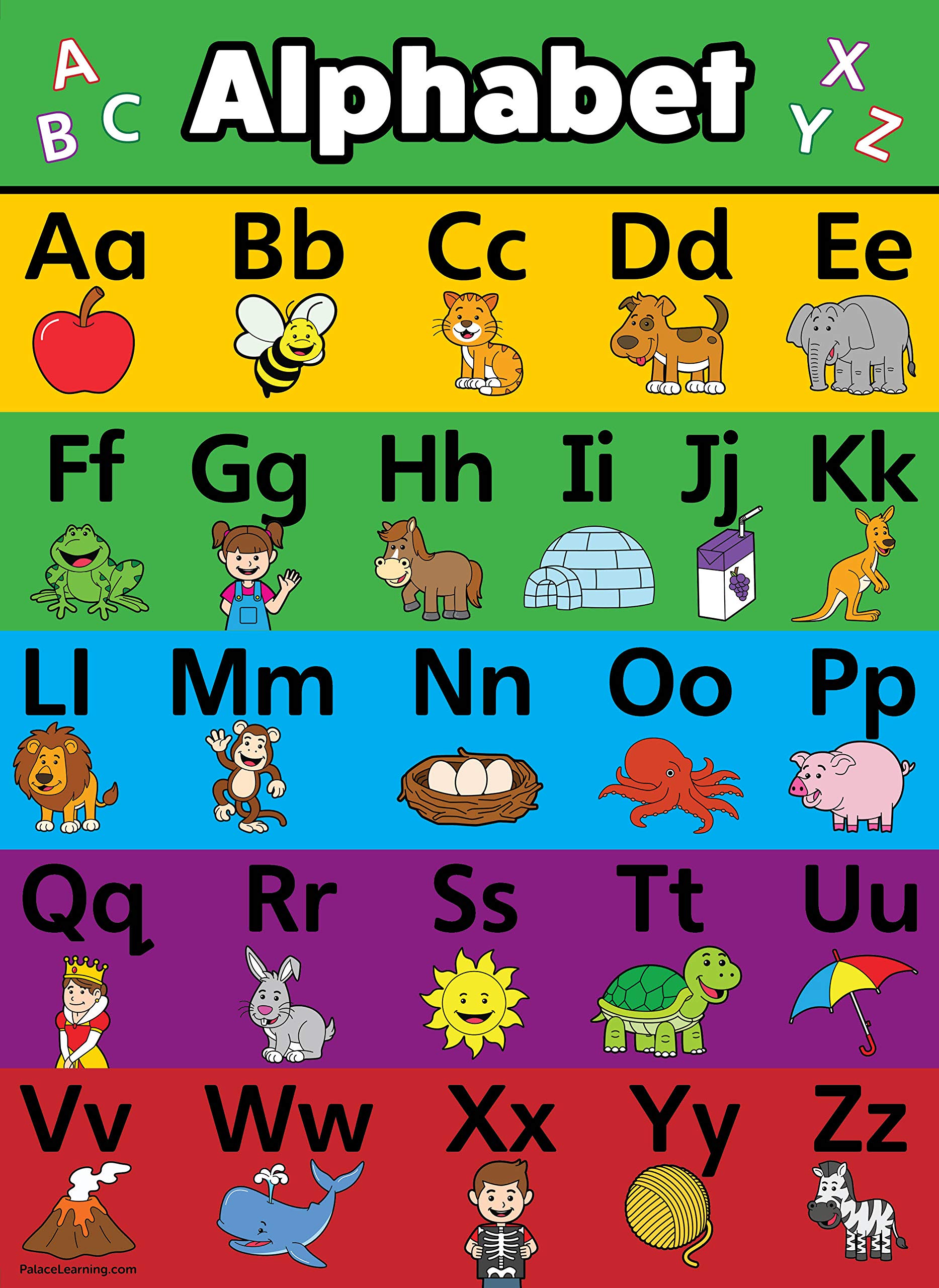
- Posters: Visual aids that can be displayed in learning areas to help reinforce letter recognition and sounds.
- Bingo Cards: A game format that makes learning letters interactive and enjoyable.
How to Use Letters Of The Alphabet Printable in Your Routine
Integrating these printables into your daily routine doesn’t require an elaborate lesson plan. Here are some practical ideas:
Morning Alphabet Activity
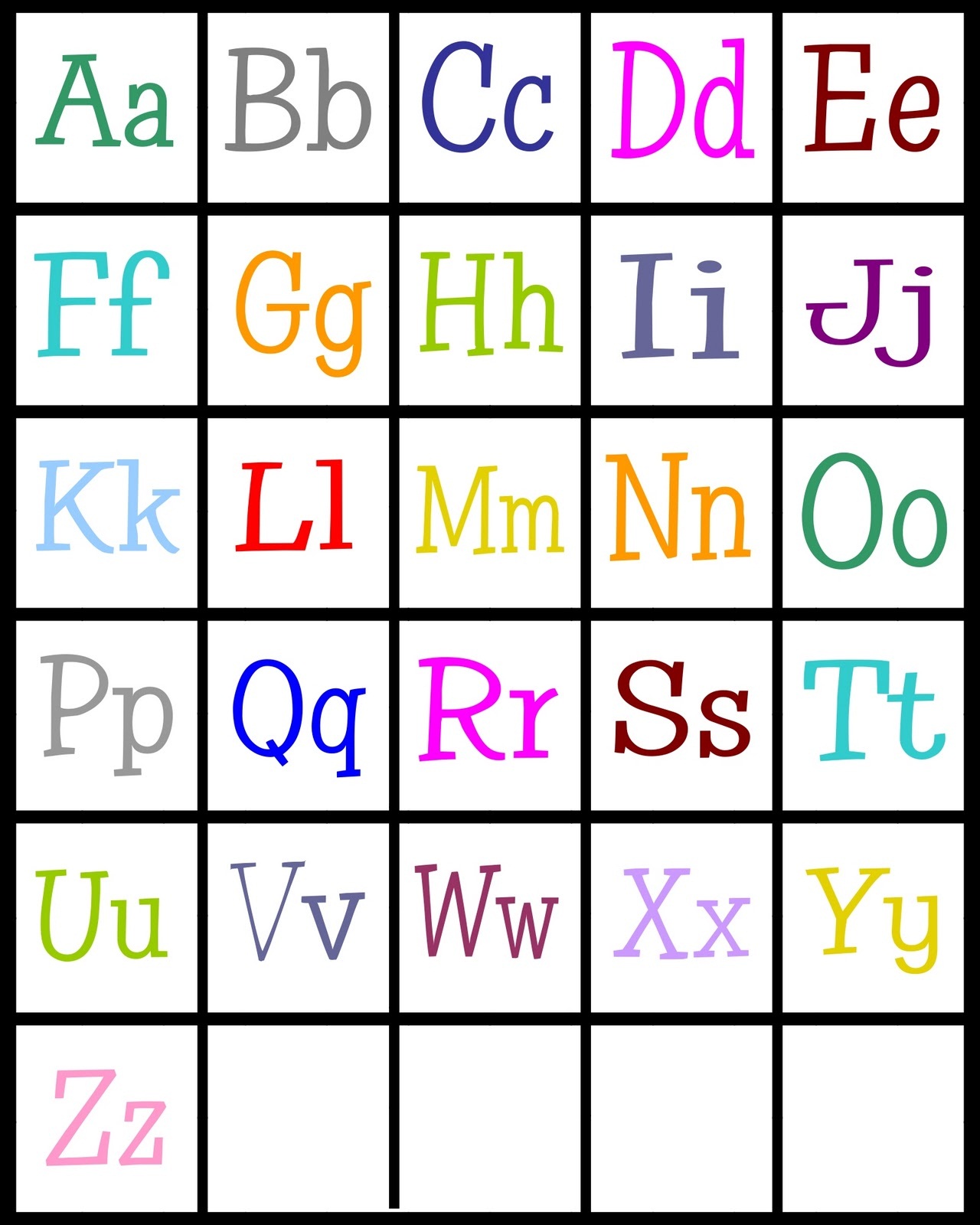
Start the day with a quick alphabet flashcard game. Show each card and have your child say the letter and a word that starts with it. This sets a positive tone for learning and engages them right away.
Alphabet Tracing Worksheets
After breakfast, move on to worksheets where children can trace the letters. This activity enhances fine motor skills and helps them learn the correct way to form letters. Use a pencil or a dry-erase marker on laminated sheets for repeated use.
Creative Coloring Time
In the afternoon, provide coloring pages featuring letters. Encourage your child to color the letters while saying the sound they make. This reinforces their learning through creativity and fun.
Evening Review With Bingo
Wrap up the day with a fun game of alphabet bingo. It’s a great way to review what they learned throughout the day while keeping the atmosphere light and enjoyable.
Best Practices for Downloading and Printing
When it comes to downloading and printing your Letters Of The Alphabet Printable resources, consider these tips for the best results:
- File Format: PDFs are often the best choice for printables, as they maintain their formatting across different devices and printers. Ensure the files you download are in PDF format to avoid any reformatting issues.
- Paper Choice: For most printables, regular printer paper works fine, but using cardstock can enhance durability, especially for items like flashcards that will be handled frequently.
- Print Settings: Set your printer to the correct paper size (usually A4 or letter size) and consider selecting “Fit to Page” to ensure your printables come out clear and fully visible.
- Color vs. Black and White: If you’re printing coloring pages, color printing is essential. However, for worksheets, black and white can save ink while still being effective.
Creative Ways to Extend Learning
Once your child is comfortable with the letters, you can expand their learning experience with these additional activities:
Craft Projects
Incorporate crafts related to each letter. For example, create an “A” for apple using red paper or an “B” for butterfly with colorful wings. This tactile experience can deepen their understanding of each letter.
Story Time Integration
When reading stories, point out letters and ask your child to identify them. This connection between print and spoken language reinforces their learning in a real-world context.
Alphabet Scavenger Hunt
Create a scavenger hunt where your child finds objects around the house or yard that start with each letter. This can be a fun way to apply their knowledge practically.
Tracking Progress
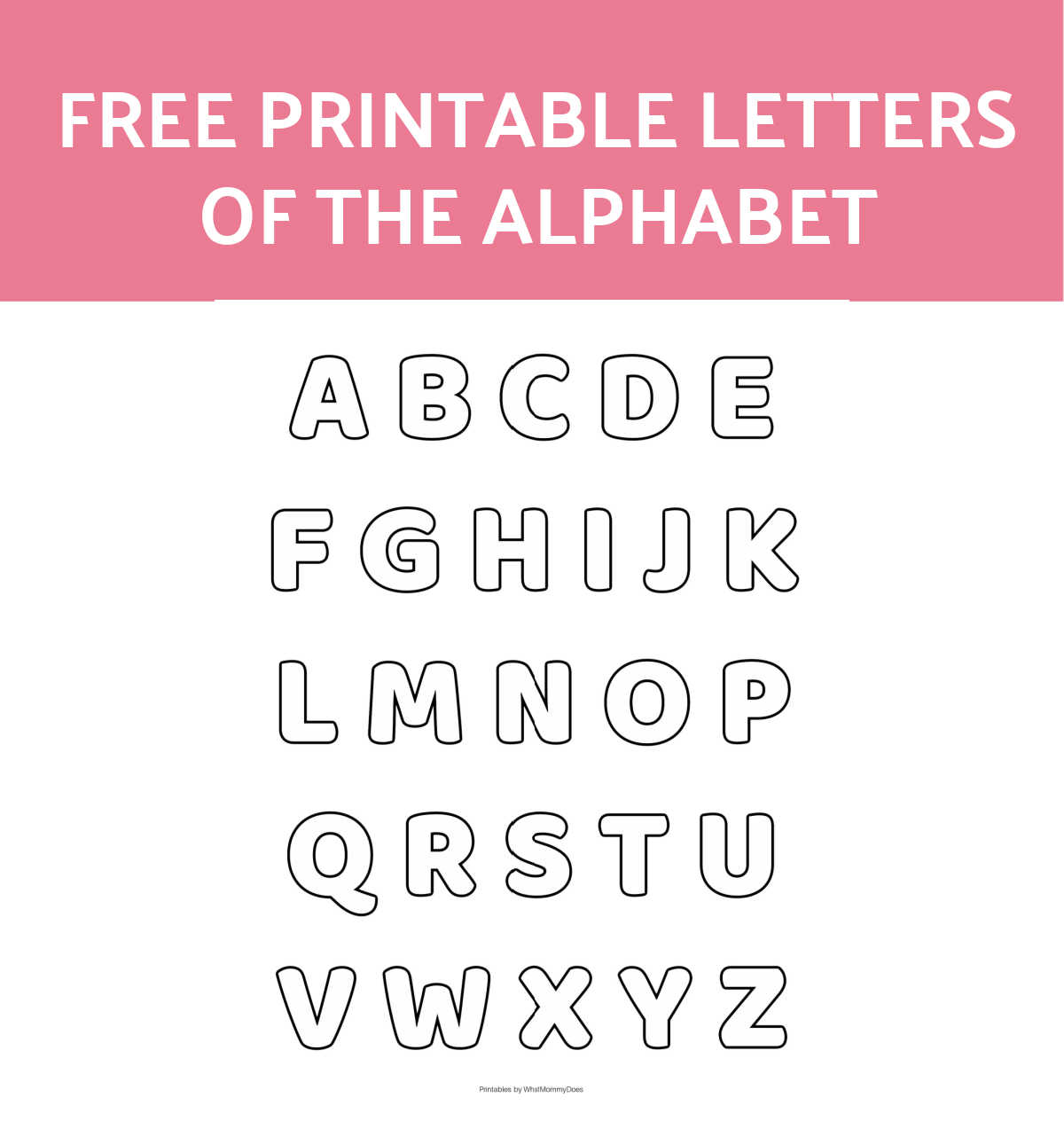
To ensure that your child is progressing, maintain a simple checklist or chart where you can mark off letters as they master them. This visual representation can motivate them and provide a sense of accomplishment.
Suggested Progress Tracker Elements
- Letter Recognition: Check off when they can identify each letter.
- Sound Recognition: Note when they can associate sounds with letters.
- Writing Skills: Track their ability to write each letter independently.