
Letters Coloring Pages To Print provide a fun and interactive way for children to learn the alphabet while expressing their creativity. These resources are ideal for teachers and homeschool parents looking to encourage letter recognition and fine motor skills. Utilizing printable resources can transform the classroom or home learning environment into a vibrant space where children can explore letters through coloring.
Importance of Coloring in Early Education
Coloring is not just a fun activity; it plays a crucial role in early childhood education. Engaging in coloring activities helps children develop fine motor skills, hand-eye coordination, and concentration. As they color letters, they also enhance their understanding of shapes and colors, which are foundational skills for later reading and writing.
For preschool and kindergarten-aged children, Letters Coloring Pages To Print can be an effective tool to reinforce letter recognition. Repetition is key in this stage of learning. By practicing with these pages multiple times throughout the week, children can become more familiar with the alphabet, aiding retention and recall.
Choosing the Right Letters Coloring Pages
When selecting Letters Coloring Pages To Print, consider the following factors to ensure they meet educational needs:
- Age Appropriateness: Ensure the coloring pages match the developmental level of your students. For younger children, simpler designs with larger letters are ideal. As children progress, more intricate designs can be introduced.
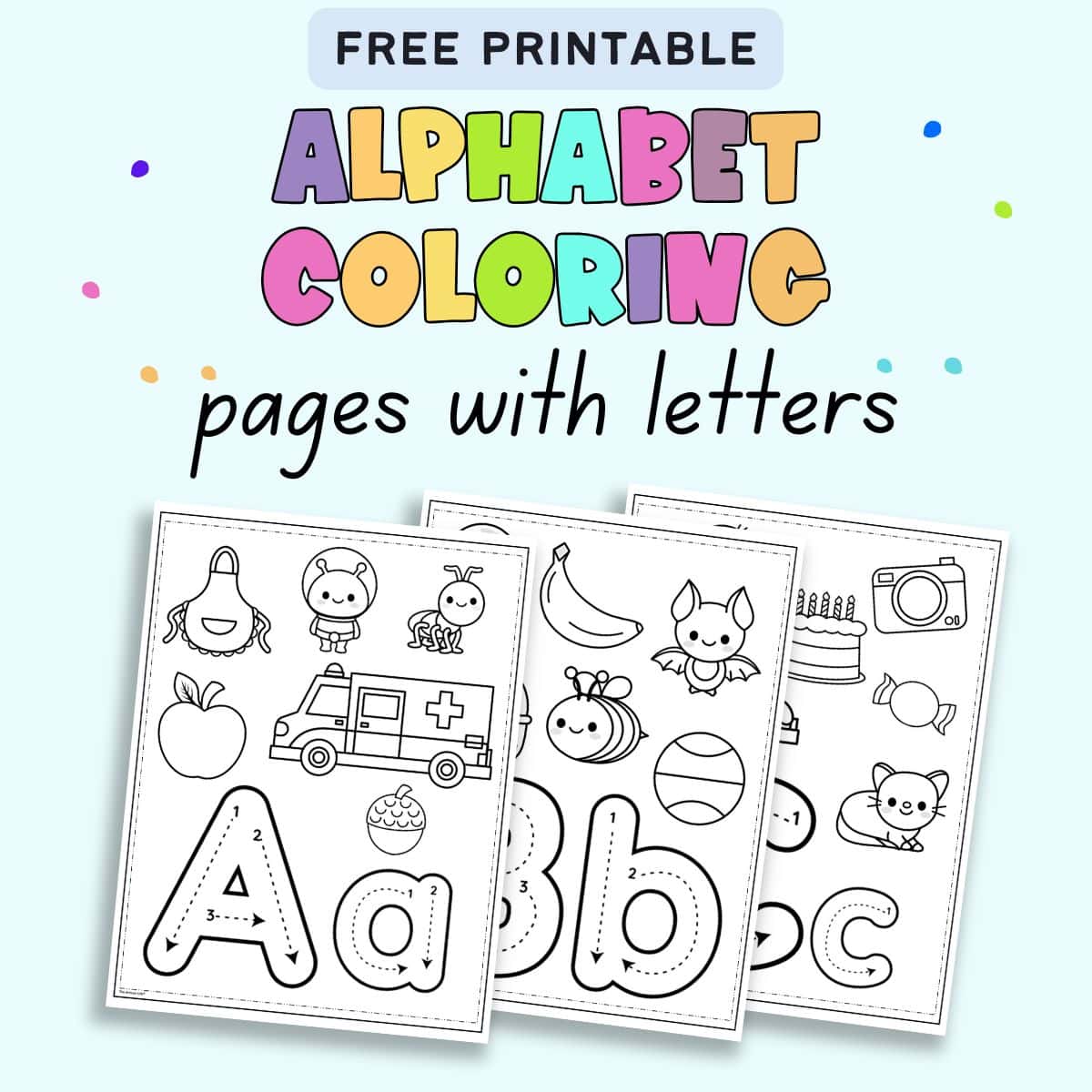
- Letter Variety: Look for resources that include both uppercase and lowercase letters. This variety can help children understand the differences between the two forms and improve their reading skills.
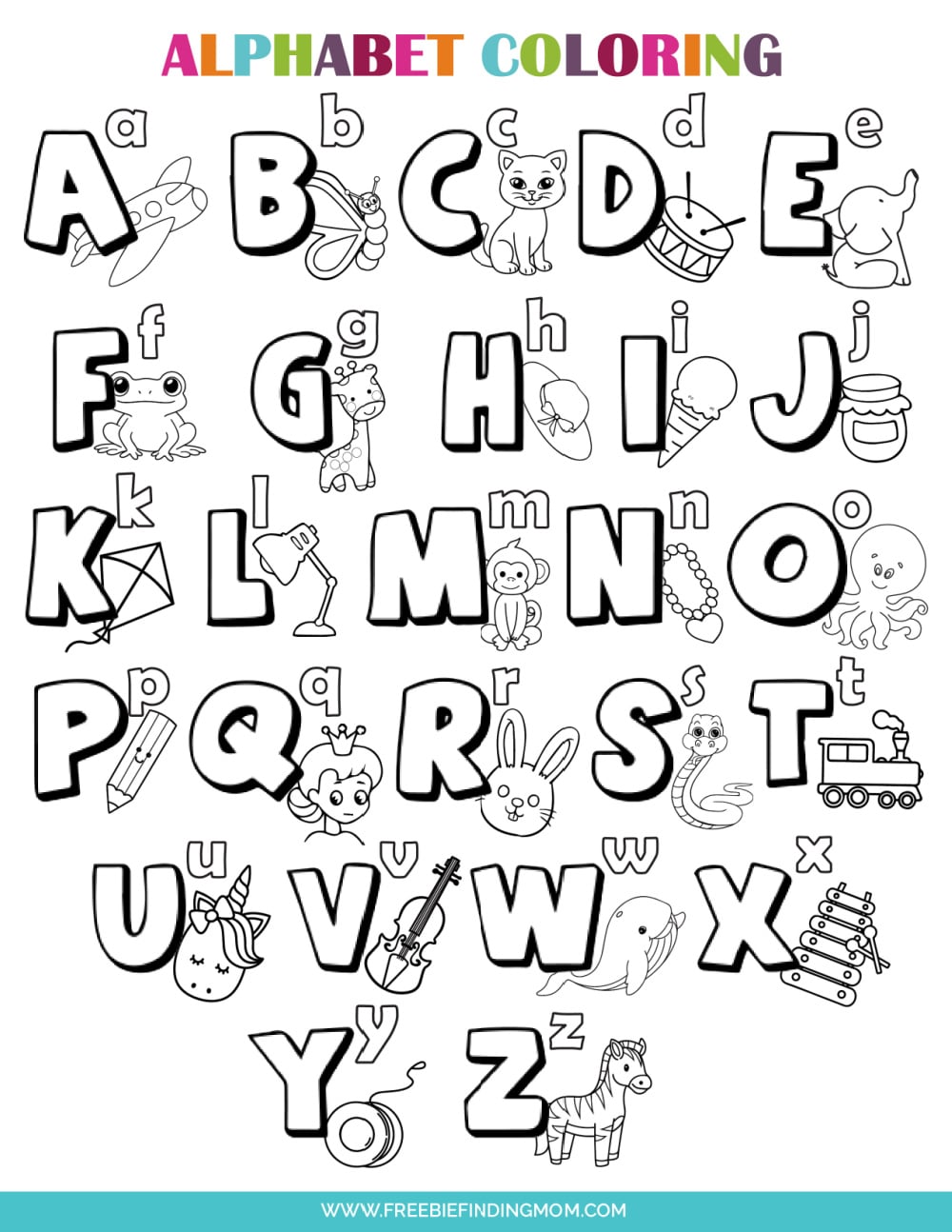
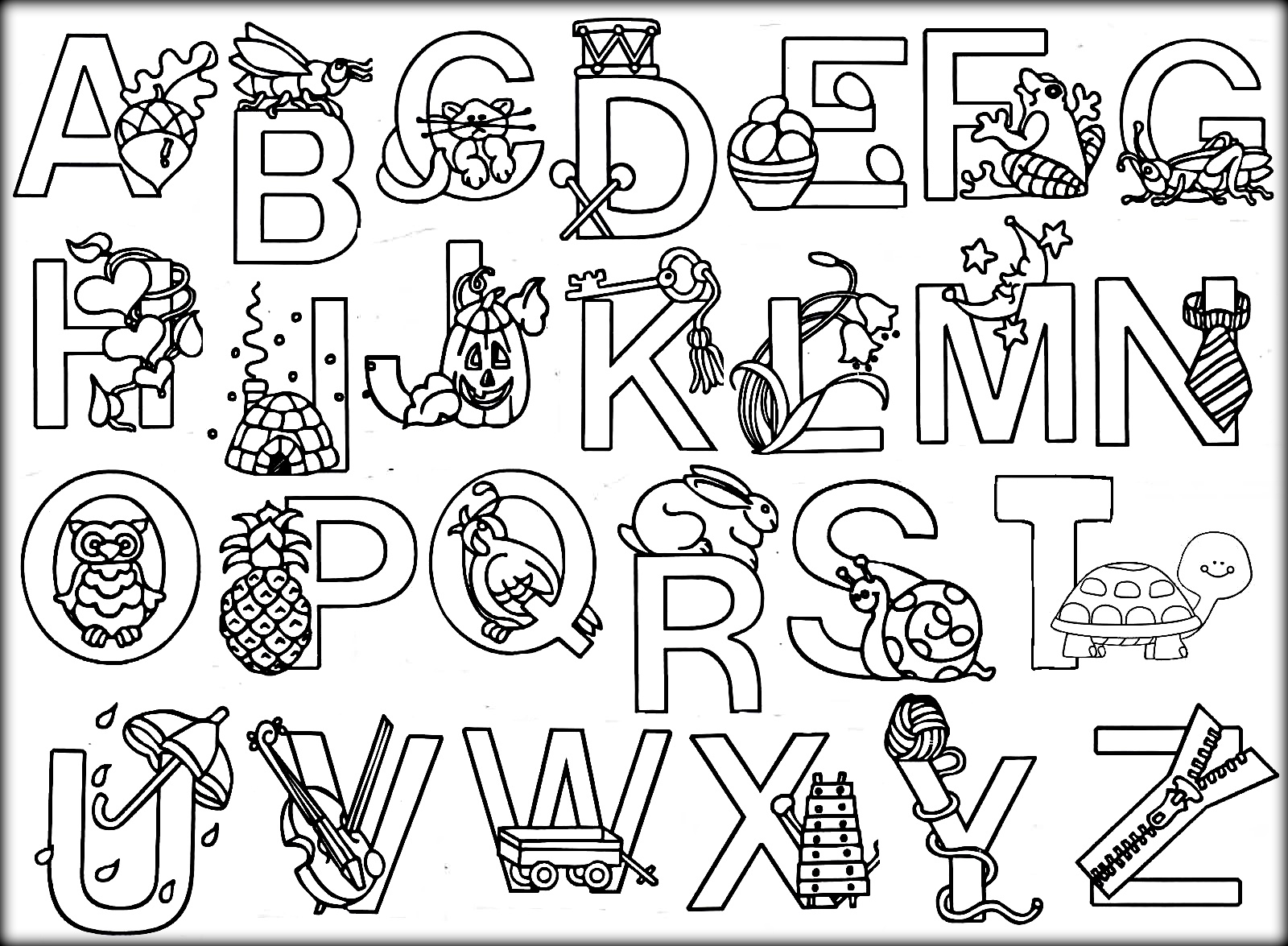
- Themed Pages: Some coloring pages incorporate themes or illustrations related to each letter. For example, “A” might be paired with an apple, while “B” could feature a butterfly. This thematic approach can enhance engagement and make learning more relatable.
- Quality of Print: Opt for high-resolution images to ensure clarity when printed. This quality helps maintain the integrity of the coloring pages, making them easier for children to color and enjoy.
How to Use Letters Coloring Pages Effectively
Incorporating Letters Coloring Pages To Print into your teaching strategy can be straightforward and effective. Here are some practical tips:
- Weekly Schedule: Instead of overwhelming students with multiple pages in one session, spread out the coloring activities over the week. For instance, dedicate one day to a specific letter, allowing children to focus on mastering that letter before moving on to the next.
- Combine with Other Activities: Use coloring pages as part of a larger lesson plan. After coloring, have children trace the letters with their fingers or practice writing them on a separate worksheet. This multi-sensory approach reinforces learning.
- Display Finished Work: Create a classroom or home display featuring the colored letters. This not only boosts children’s confidence but also reinforces their learning by providing a visual reminder of what they have accomplished.
- Parental Involvement: Encourage parents to participate in coloring at home. This involvement can help reinforce lessons learned in the classroom and provide children with additional practice in a familiar environment.
Finding Quality Printable Resources
Several online platforms offer a range of Letters Coloring Pages To Print. When searching for these resources, prioritize sites that provide high-quality, free, or low-cost materials. Some recommended sources include:
- Educational Websites: Many educational websites offer printable coloring pages that are specifically designed for teaching letters. Look for sites that focus on early childhood education for the best resources.
- Creative Community Platforms: Websites like Pinterest can also serve as great sources for finding unique and themed letters coloring pages. Teachers and parents often share their favorite finds, making it easier to locate high-quality materials.
- Local Libraries: Don’t overlook local libraries as a resource. Many libraries offer free access to printable activities and worksheets that can be used for coloring and learning letters.
Printable Formatting Options
When downloading Letters Coloring Pages To Print, consider the format that best suits your printing capabilities:
- PDF Format: PDF files are ideal as they retain the original layout and high resolution, ensuring that the pages print clearly without distortion. Most coloring pages are available in this format.
- Image Files: Some resources may come as image files (like JPEG or PNG). These can be printed directly but may require resizing to fit standard paper sizes, such as 8.5″x11″.
- Customizable Templates: Some websites offer editable templates that allow you to add personalized text or images. This feature can be particularly useful for creating custom learning materials tailored to individual student needs.
Encouraging Creativity Alongside Learning
While the primary goal of Letters Coloring Pages To Print is educational, they also provide an excellent opportunity for children to express their creativity. Encourage students to use various coloring tools, such as crayons, markers, or colored pencils, to enhance their experience.
Encourage them to decorate the pages further with stickers or drawings related to the letters. For instance, they might add an apple drawing next to the letter “A” or create a small scene around the letter “B.” This added creativity reinforces the letter’s meaning and allows for a more immersive learning experience.
Ultimately, blending education with creativity can help foster a love for learning in young children. By using Letters Coloring Pages To Print, teachers and parents can create a dynamic and engaging learning environment that supports literacy development.