
Tracing letters and the alphabet is a fundamental skill for early learners, typically aimed at preschool and kindergarten students. When you introduce resources like Letters And Alphabet Tracing Worksheets.Doc, you’re giving your students a chance to practice writing in a structured and engaging way. This resource is designed to facilitate the development of fine motor skills while reinforcing letter recognition and phonetic awareness. Below, I’ll guide you through the process of effectively using these worksheets in your classroom or homeschool setting.
Understanding the Format and Features
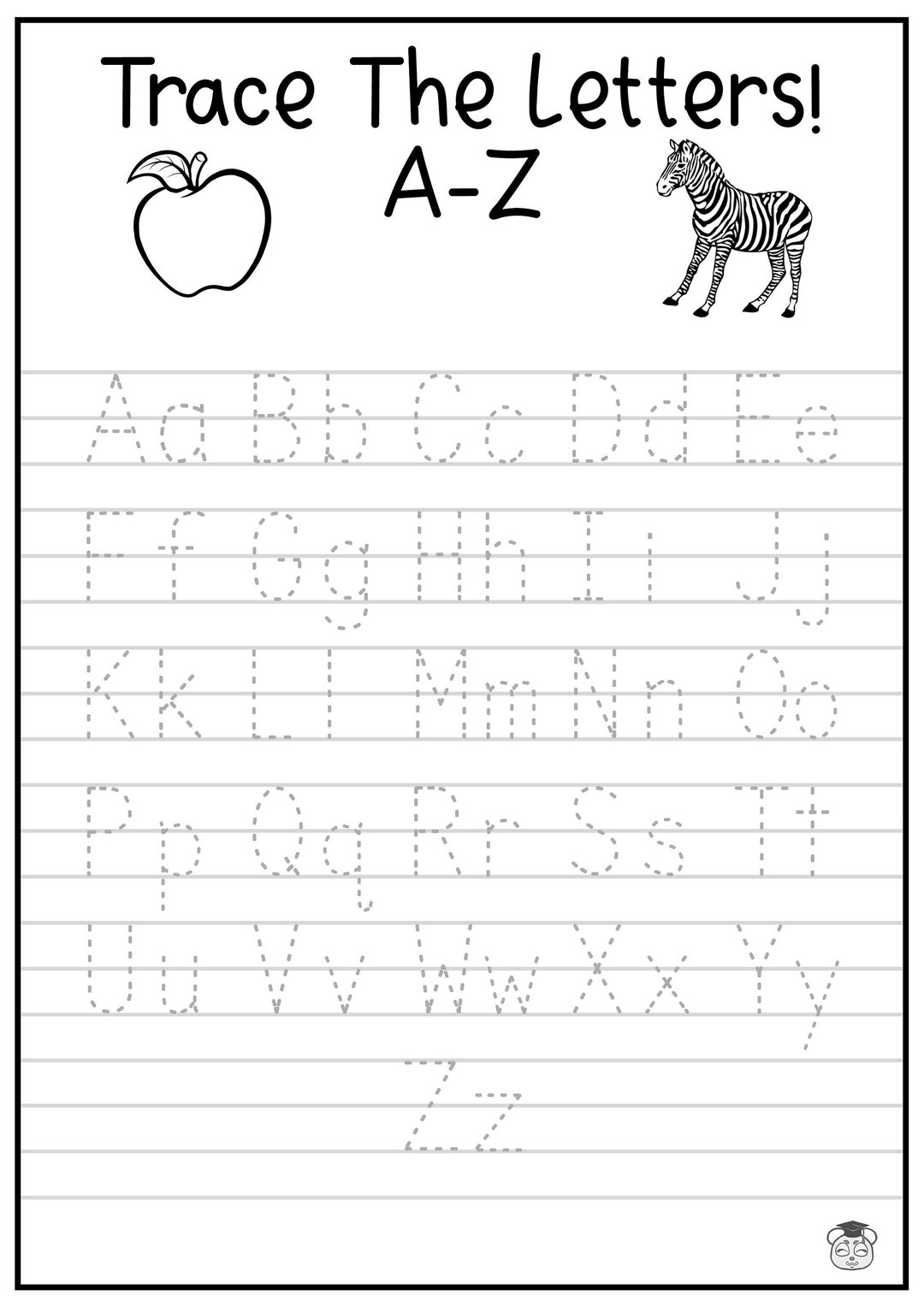
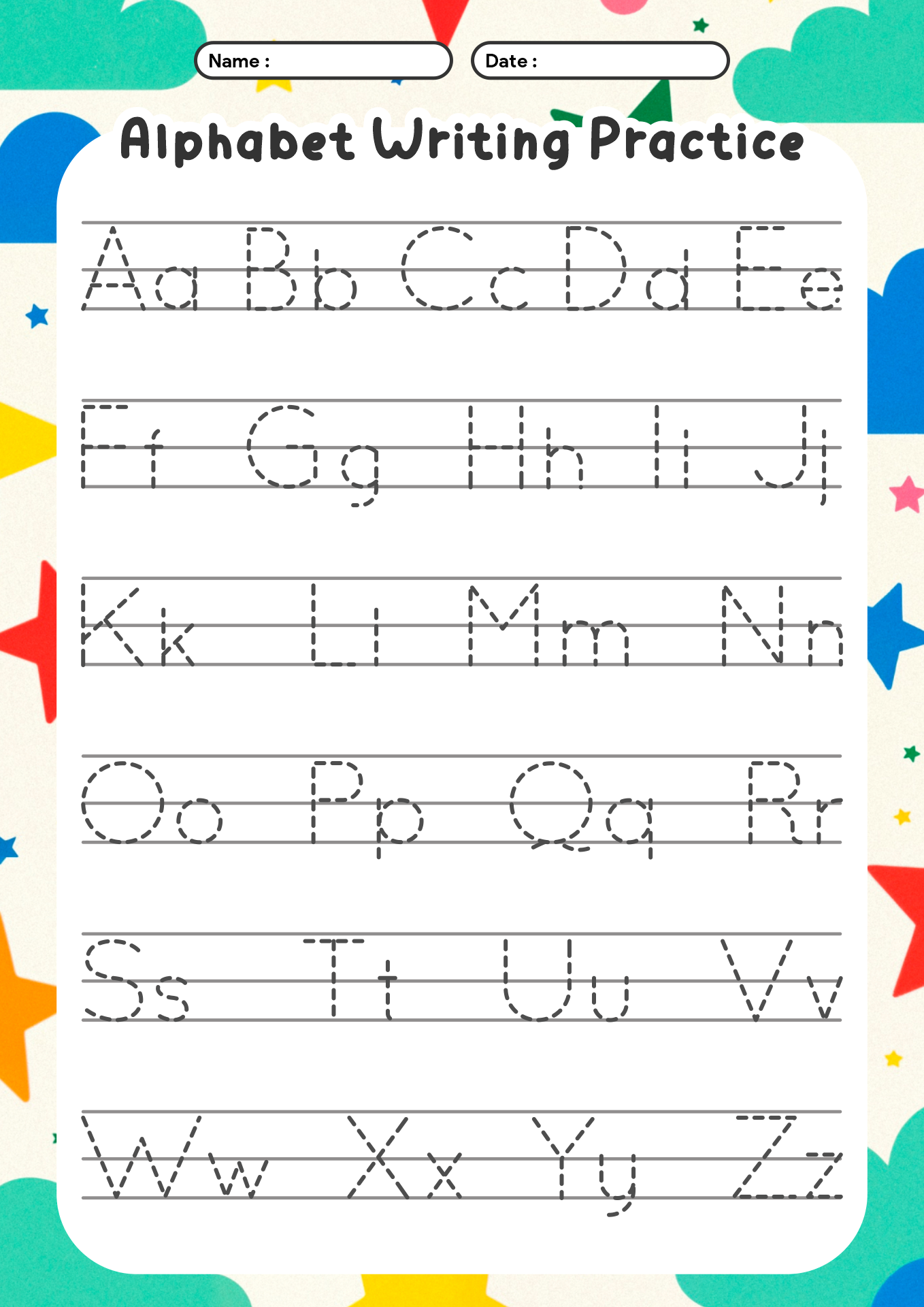
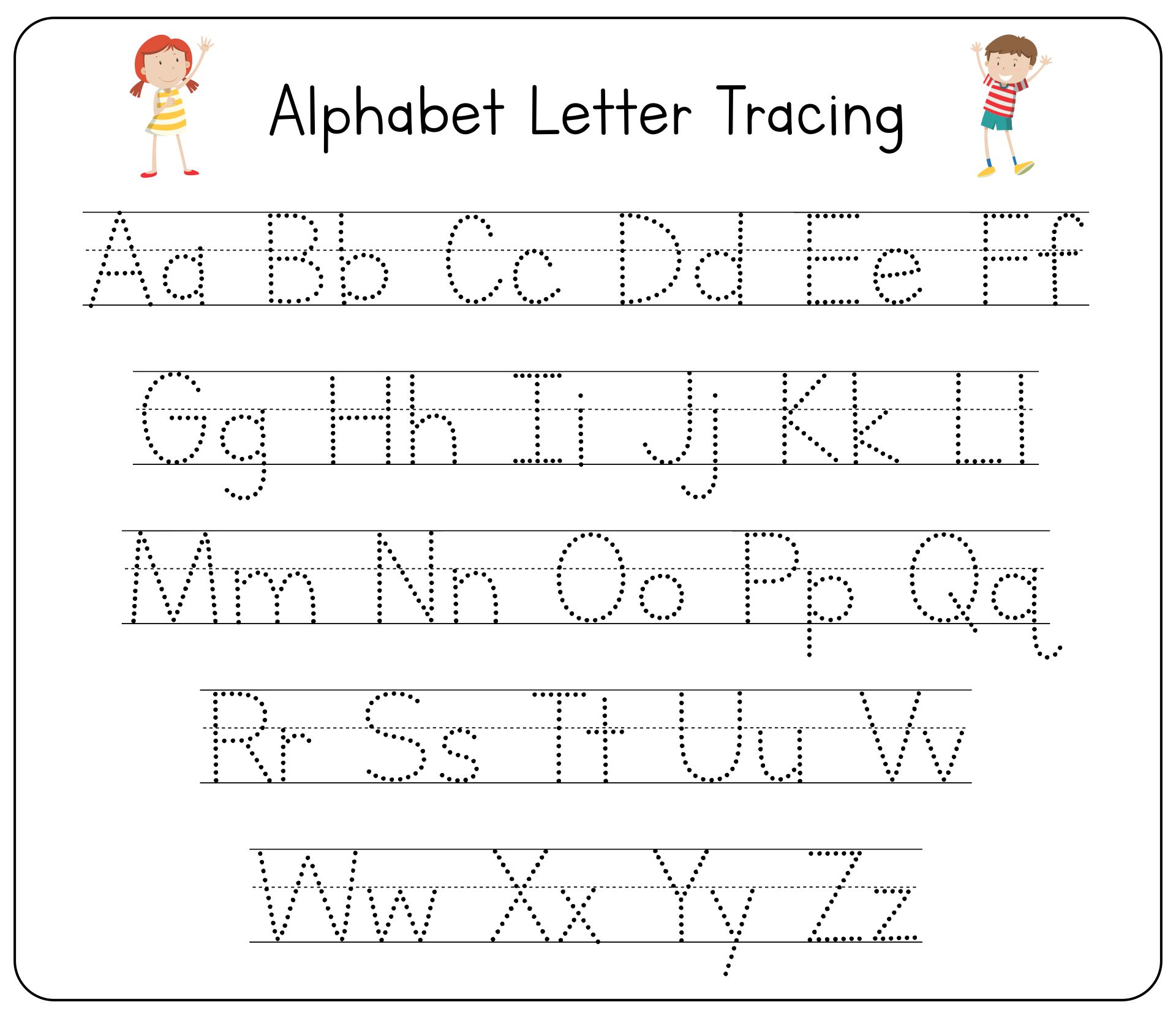
The Letters And Alphabet Tracing Worksheets.Doc usually comes in a PDF format, which is convenient for printing. The worksheets typically include both uppercase and lowercase letters, providing a comprehensive approach to learning the alphabet. Each letter is often accompanied by arrows or dotted lines to guide the students on how to form the letters correctly. This is crucial for building proper handwriting skills from the start.
Most of these worksheets are designed to be printed on standard letter-sized paper (8.5 x 11 inches), which is compatible with most home printers. If you’re planning to print for an entire class, consider using a printer that can handle bulk printing efficiently. Laser printers often produce clearer text, which can help students see the letters more distinctly.
Choosing the Right Worksheets
When selecting the right Letters And Alphabet Tracing Worksheets.Doc for your students, consider their age and skill level. For preschoolers, you might look for worksheets that include engaging graphics or themes, such as animals or nature, to keep them motivated. For slightly older students, worksheets that incorporate simple words or pictures related to each letter can enhance the learning experience by connecting letters with sounds and meanings.
It’s beneficial to have a variety of worksheets on hand. Some can focus purely on tracing letters, while others might combine tracing with activities like coloring or matching letters with images. This way, you can tailor activities to meet different learning styles and preferences.
Downloading and Printing the Worksheets
Once you’ve chosen the appropriate worksheets, the next step is to download them. Ensure that you save the document in a location on your computer that you can easily access later. Double-check that the file is indeed in a PDF format to avoid any formatting issues when printing.
When printing, consider the following settings:
- Paper Type: Use standard printer paper for regular use. If you plan to laminate the worksheets for durability, opt for cardstock.
- Layout: Portrait layout is generally preferred for tracing worksheets, as it matches the traditional writing orientation.
- Scaling: Make sure to print at 100% scale to maintain the correct letter sizes.
If you’re printing a large number of worksheets, it might be worth considering a bulk print option at a local print shop, which can save time and ensure quality.
Setting Up for Classroom or Homeschool Use
After printing, gather the materials you’ll need for the tracing activities. Each student will require:
- A set of Letters And Alphabet Tracing Worksheets.Doc
- Pencils or crayons for tracing
- Optional: dry-erase markers if you plan to laminate the worksheets for reuse.
Organizing your classroom space is also important. Create a designated area where students can comfortably sit and trace. Ensure there’s enough lighting, and consider providing a few fun decorations related to the alphabet to make the area visually appealing.
Using the Worksheets Effectively
Now that everything is set up, it’s time to use the worksheets. Here’s a step-by-step approach:
- Introduction: Begin with a brief introduction to the letters they will be tracing. Show them examples of both uppercase and lowercase letters.
- Demonstration: Demonstrate how to trace the letters, emphasizing the correct pencil grip and movement. You might want to model this on a whiteboard first.
- Guided Practice: Hand out the worksheets and allow students to trace the letters while you circulate and offer assistance. Encourage them to say the letter sounds as they trace to reinforce phonetic skills.
- Independent Practice: After guided practice, allow the students to work independently. This will help you assess their understanding and give you insights into areas that may need more focus.
- Review and Feedback: After the activity, review the worksheets together. Discuss which letters were easy or challenging, and provide positive feedback to keep them motivated.
Incorporating Additional Activities
To further enhance learning, consider integrating additional activities that complement the tracing worksheets. Here are a few ideas:
- Letter of the Day: Focus on one letter each day, incorporating it into various activities such as storytelling or arts and crafts.
- Alphabet Games: Use games that involve letter recognition, like scavenger hunts where students find items that start with the day’s letter.
- Interactive Journals: Have students maintain an alphabet journal where they can draw pictures or write words that start with each letter they learn.
By expanding on the tracing worksheets with these activities, you’ll create a more dynamic and engaging learning environment that encourages creativity and exploration.
Using Letters And Alphabet Tracing Worksheets.Doc effectively will not only help your students improve their handwriting but also strengthen their understanding of the alphabet in a fun and interactive way. Remember, the key is to keep the activities varied and engaging to maintain their enthusiasm for learning. One final tip: consider laminating the worksheets so they can be reused multiple times, saving you paper and time in the long run.