
Teaching young children the sounds associated with each letter of the alphabet is a foundational skill in early literacy. The Letter Sound Worksheets For Each Alphabet Uppercase are specifically designed to aid teachers and parents in reinforcing these essential phonics skills. Unlike other worksheets that may not focus on sound recognition, these resources provide a structured approach to learning, making it easier for children to connect letters with their corresponding sounds.
Understanding the Structure of the Worksheets
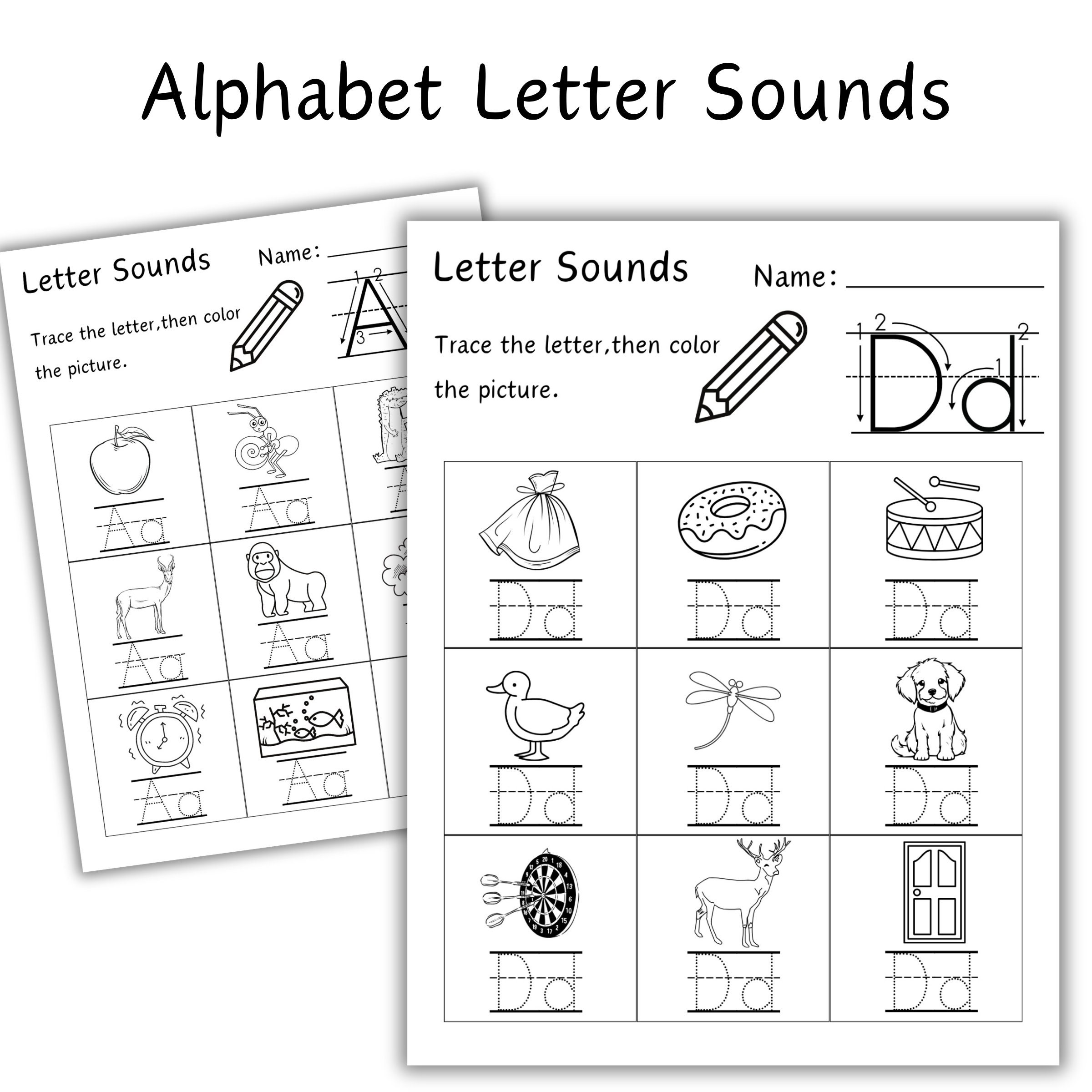
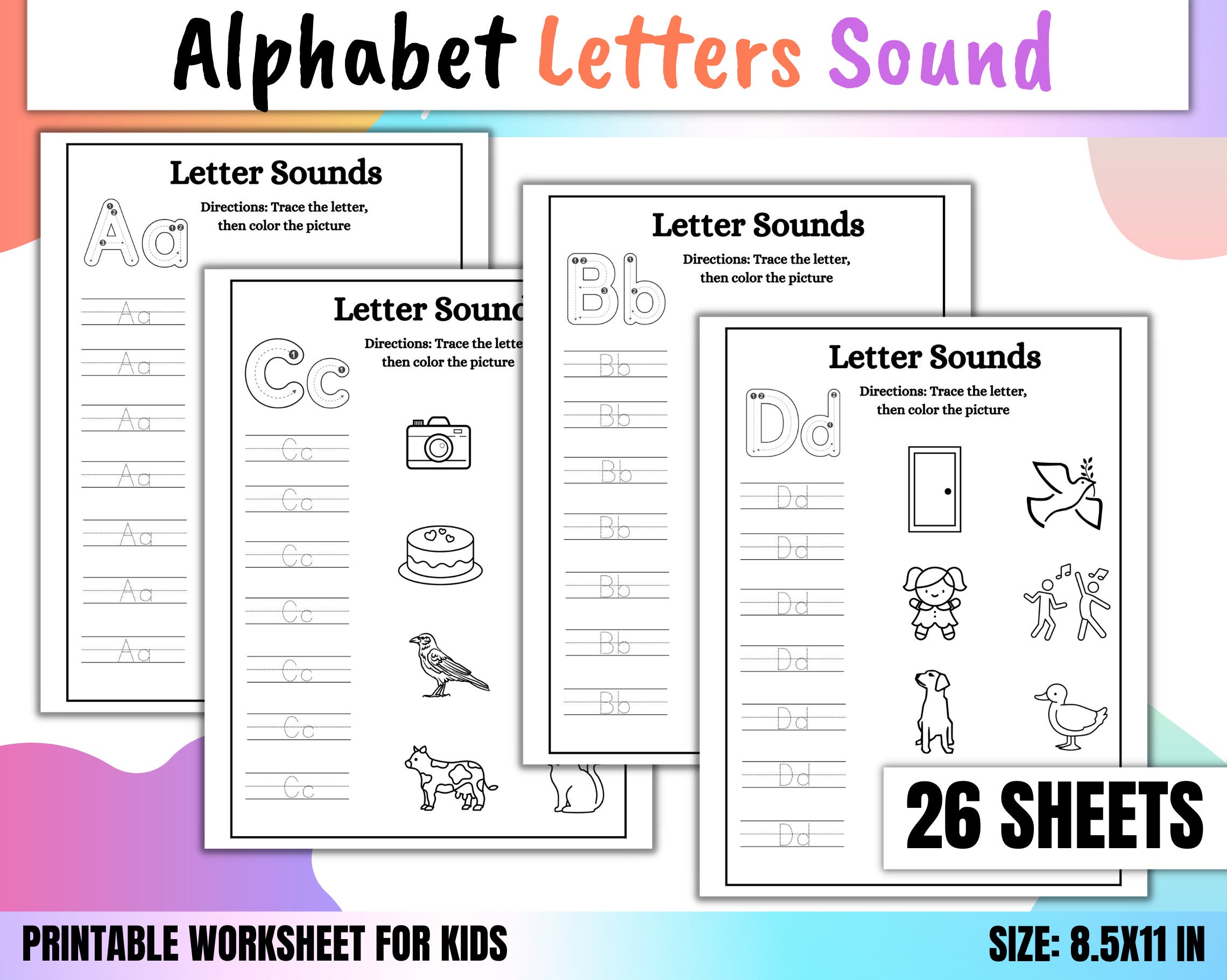
Each worksheet is thoughtfully laid out to ensure clarity and ease of use. Typically, you’ll find sections dedicated to each letter of the alphabet, with uppercase letters prominently displayed. Each page usually includes a variety of engaging activities tailored to the specific letter sound. For example, you might find:
- Letter Recognition: This section often features the uppercase letter prominently, helping children identify the letter visually.
- Sound Association Activities: These may include matching the letter with pictures of objects that begin with that sound, reinforcing their understanding through visual aids.
- Writing Practice: Many worksheets provide lines for children to practice writing the uppercase letters, which helps in developing fine motor skills as well.
The design choices emphasize a balance between educational value and visual appeal. Bright colors and engaging graphics draw children in, making the learning experience enjoyable rather than tedious.
Age Appropriateness and Classroom Use
These worksheets are ideal for preschool and kindergarten students, generally targeting ages 4 to 6. In a classroom setting, teachers can utilize these worksheets during phonics lessons, small group activities, or as part of independent work stations. They are also great for homeschool settings where parents can introduce these concepts in a structured manner.
To maximize their effectiveness, consider the following tips:
- Group Activities: Use the worksheets in small groups to encourage collaboration and discussion among children. This can help them learn from one another.
- Individual Assessment: After completing the worksheets, assess each child’s understanding of letter sounds. This can help identify areas needing more practice.
- Integration with Other Subjects: Pair these worksheets with storytelling sessions, where children can hear the sounds in context, enriching their understanding.
Mastery and Progress Tracking
One of the most beneficial aspects of using Letter Sound Worksheets For Each Alphabet Uppercase is the ability to track progress effectively. As children complete each worksheet, you can observe their mastery of letter sounds. Here’s how to gauge their understanding:
- Correct Responses: Pay attention to how many letters and corresponding sounds the child can correctly identify. A high accuracy rate indicates strong comprehension.
- Writing Fluency: Observe their ability to write the uppercase letters. Consistency in size and shape is a good sign of developing fine motor skills.
- Engagement Levels: Note how engaged they are with the activities. Children who are excited about the material are more likely to absorb the information.
You can also maintain a portfolio of completed worksheets to visually showcase the progress made over time. This not only motivates the child but also provides a tangible record for parents and teachers.
Practical Tips for Using the Worksheets
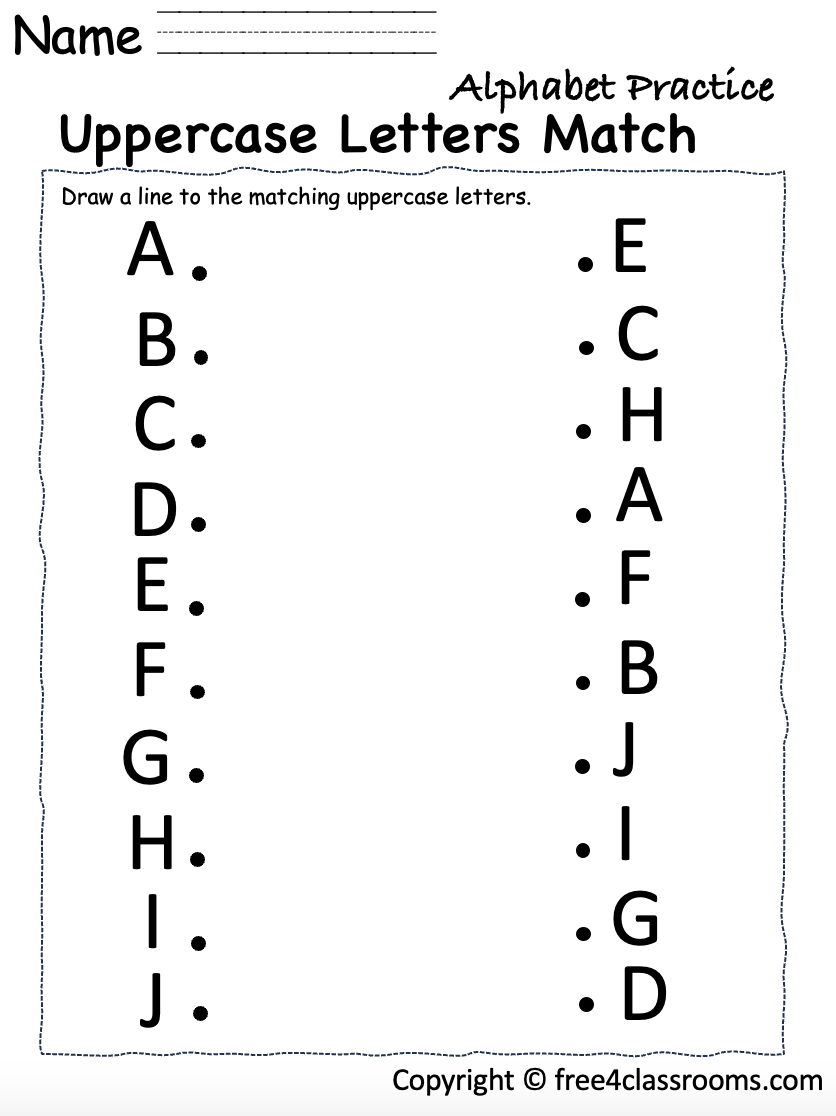
When using Letter Sound Worksheets For Each Alphabet Uppercase, consider the following practical tips to enhance the learning experience:
- Print Quality: Use high-quality cardstock for durability, especially if the worksheets will be used multiple times. This material holds up well to repeated writing and erasing.
- Color vs. Black and White: While color prints are visually engaging, black and white versions can also work well for children who are just starting to develop their writing skills. They can color in the letters themselves, adding a personalized touch.
- Laminating: If you plan to reuse the worksheets, consider laminating them. This allows for dry-erase markers to be used, making them reusable for different students or practice sessions.
By ensuring that the resources are durable and engaging, you set your students up for success in mastering letter sounds.