
When teaching young learners, the act of writing can be a delightful adventure, especially when Learning To Print The Alphabet is involved. Printable resources, such as worksheets and templates, can significantly enhance this learning process. These tools allow kids to practice their letters repeatedly, which is crucial for developing their writing skills. In this article, we’ll explore effective ways to utilize printable resources to help children master printing the alphabet.
Understanding the Importance of Repetition
Repetition is a key component in learning to print the alphabet. Children need to practice forming each letter multiple times to build muscle memory and confidence in their writing abilities. Printable worksheets and templates designed for letter tracing can be your best friends in this process. They provide structured opportunities for practice, allowing students to focus on proper letter formation without the pressure of creating letters from memory right away.
By incorporating a daily practice routine, you can help reinforce learning. For example, set aside 10-15 minutes each day for alphabet printing exercises. This consistent practice makes a significant difference and helps solidify their understanding of both uppercase and lowercase letters.
Choosing the Right Printable Resources
When selecting printable resources for Learning To Print The Alphabet, consider the following features:
- Clear Letter Formation: Ensure that the worksheets clearly demonstrate how each letter is formed. This might include arrows or dots to guide young learners.
- Variety of Fonts: Different children may respond better to different styles of writing. Use resources that offer various fonts, including standard print and cursive styles.
- Engaging Designs: Kids are more likely to be motivated when the resources are visually appealing. Look for worksheets with fun illustrations or themes that resonate with your learners.
You can find an array of printable alphabet worksheets online, often available in PDF format for easy downloading and printing. This format avoids issues with reformatting that can occur with image files.
Setting Up a Practice Schedule
Creating a structured practice schedule can maximize the effectiveness of your printable resources. Here’s a suggested weekly plan:
- Day 1: Focus on uppercase letters A-M. Print worksheets that allow for tracing and freehand writing.
- Day 2: Focus on uppercase letters N-Z. Again, utilize tracing worksheets for consistency.
- Day 3: Review uppercase letters through a fun activity, such as coloring in the letters or creating a poster.
- Day 4: Transition to lowercase letters a-m, using similar tracing resources.
- Day 5: Continue with lowercase letters n-z.
- Day 6: A mixed review day, where students practice both uppercase and lowercase letters.
- Day 7: Encourage creativity by having students write their names or simple words using the letters they’ve practiced.
By spacing out the practice sessions throughout the week, you help children absorb and retain what they’ve learned. Each day builds on the previous one, solidifying their understanding of the alphabet.
Utilizing Different Types of Worksheets
Not all worksheets are created equal, and different types can serve various purposes in the learning process. Here are a few types of worksheets to consider incorporating into your lessons:
Tracing Worksheets
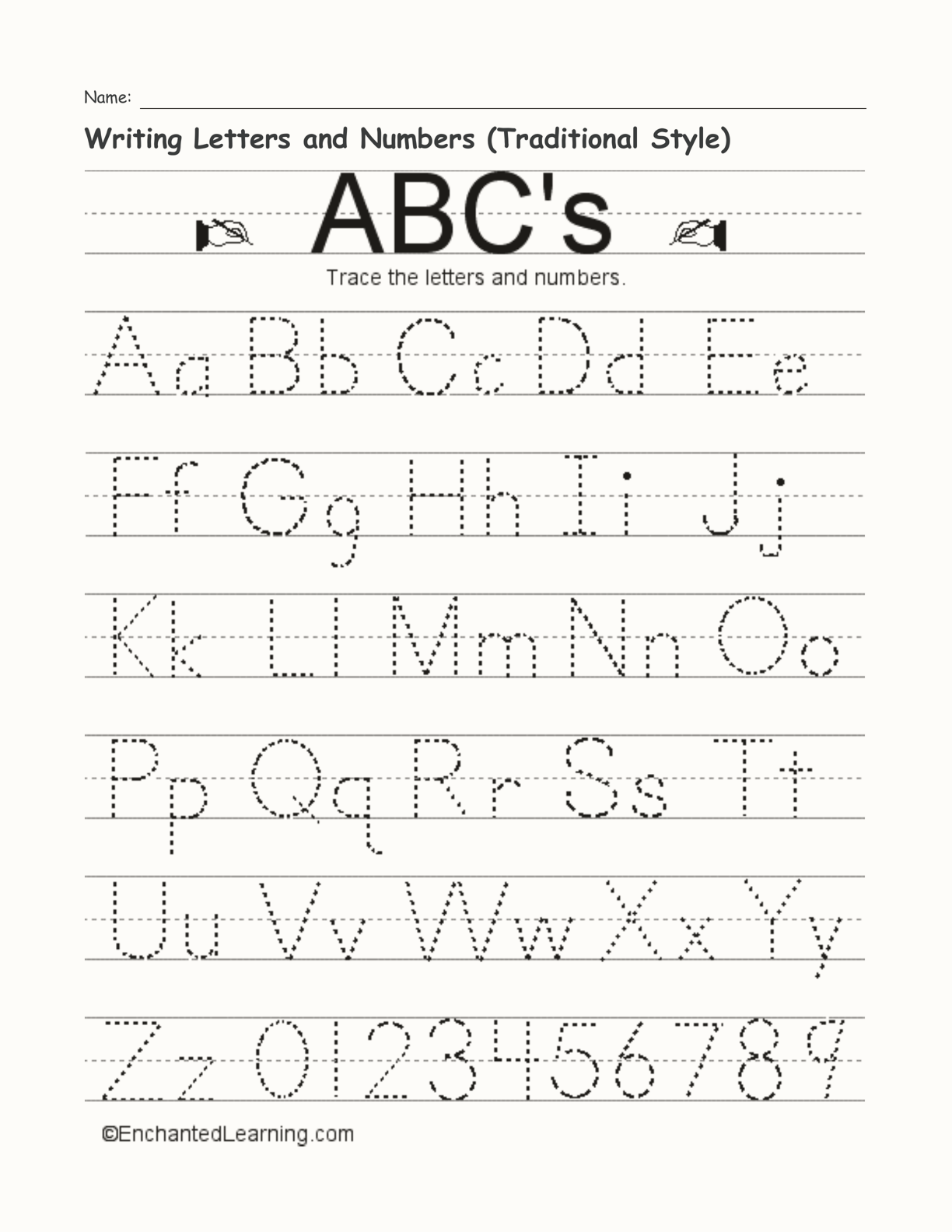
These are essential for beginners. Tracing worksheets allow children to follow along with dotted lines to learn the correct shapes of each letter. Look for options that provide both uppercase and lowercase letters.
Blank Writing Sheets
Once children feel comfortable with tracing, transition them to blank writing sheets. These worksheets have empty lines for students to practice writing letters independently. Encourage them to focus on letter size and spacing.
Creative Writing Prompts
To make learning more engaging, consider incorporating writing prompts that require students to use the letters they’ve learned. For instance, prompts like “Write your favorite animal” or “Create a word with your initials” can inspire creativity while reinforcing their writing practice.
Integrating Coloring Pages
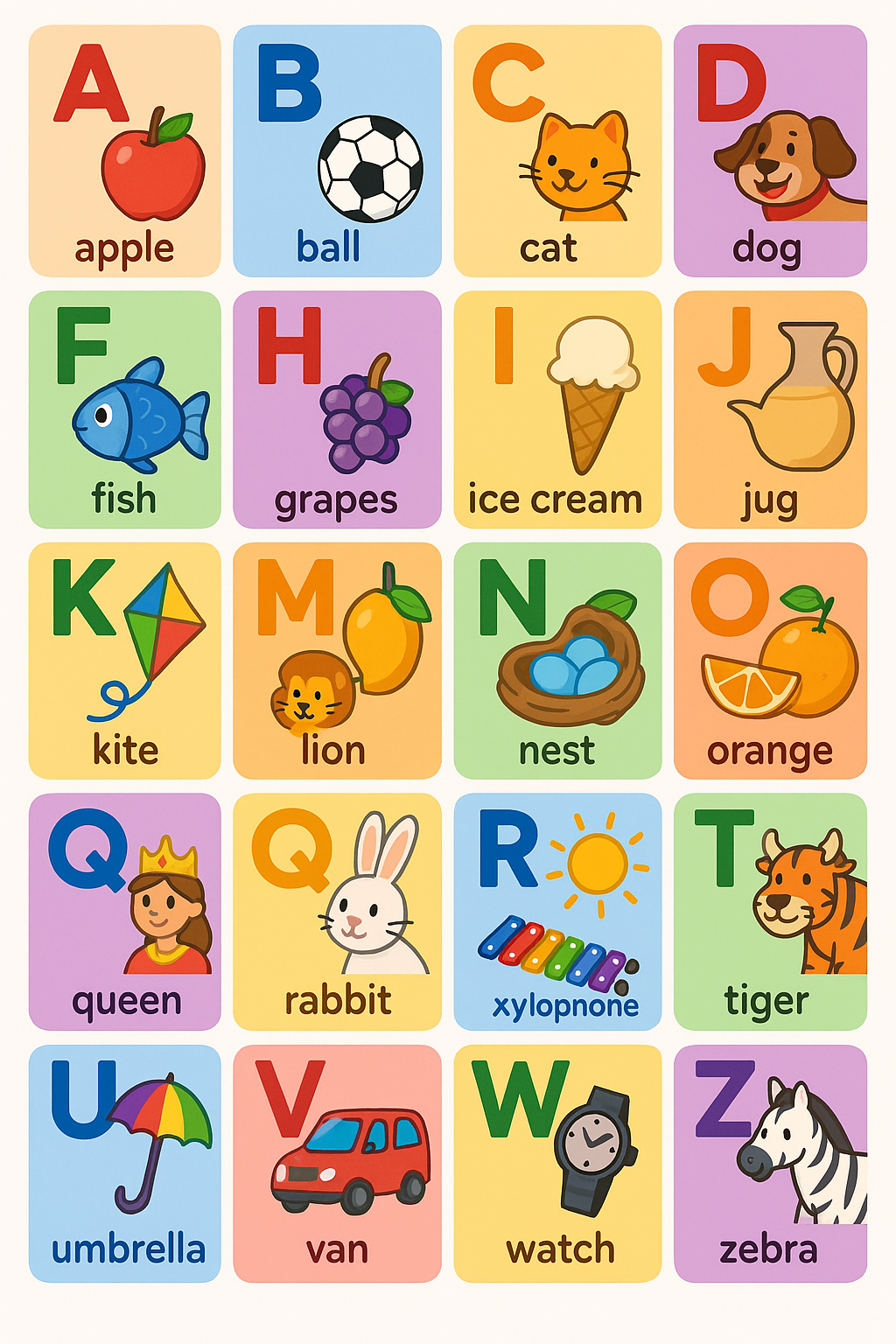
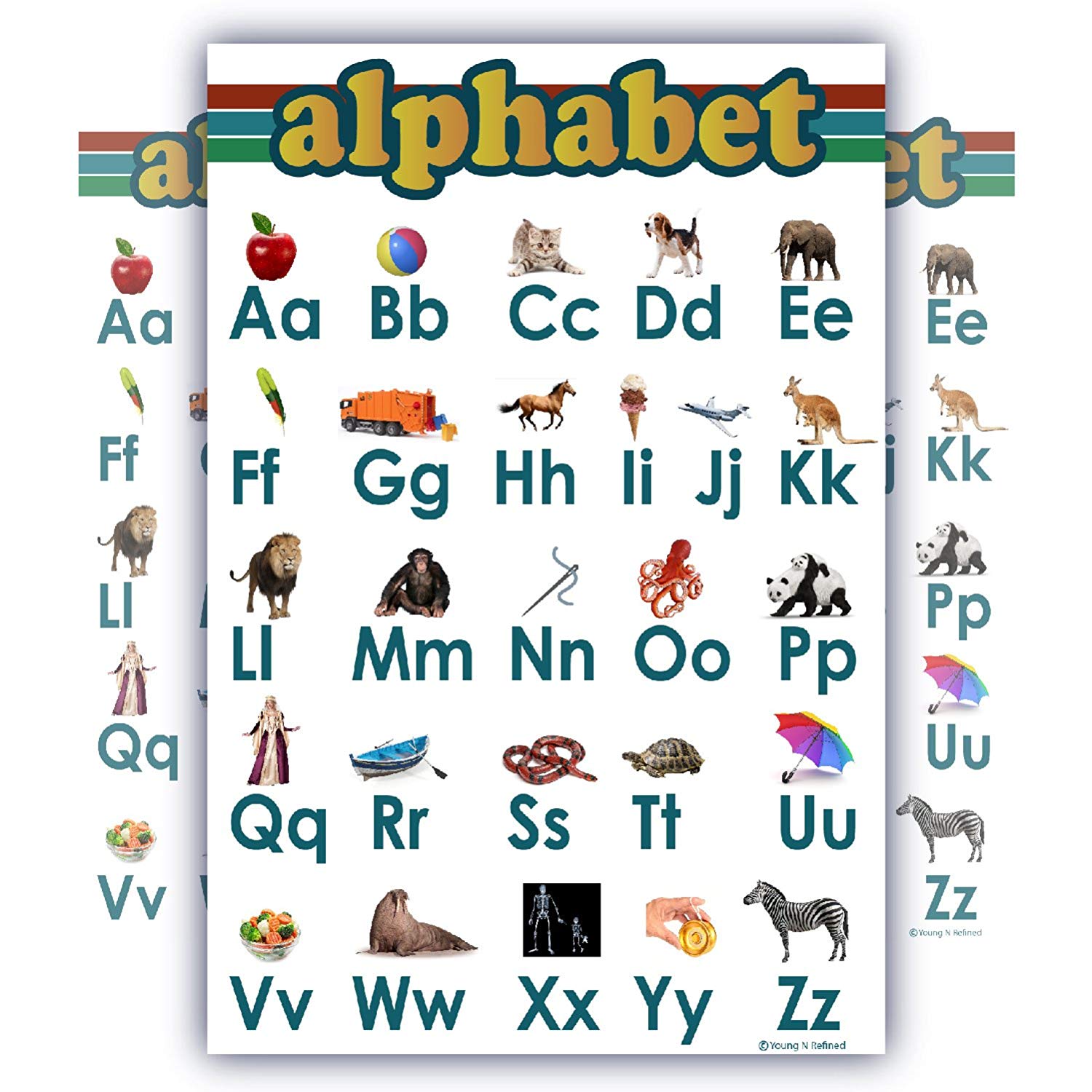
Coloring pages can add a fun element to Learning To Print The Alphabet. Look for printable alphabet coloring pages that feature letters alongside corresponding images, like “A for Apple.” These activities can help reinforce letter recognition while allowing children to express their creativity.
Coloring can also serve as a calming activity that prepares students for their writing practice. After coloring, they can transition smoothly into tracing or writing letters.
Encouraging Progress and Celebrating Success
As children progress in their ability to print the alphabet, it’s crucial to acknowledge their efforts. Create a reward system where they can earn stickers or certificates for mastering certain letters or completing worksheets. This positive reinforcement can boost their confidence and motivation.
Additionally, consider displaying their work on a bulletin board. This not only celebrates their progress but also fosters a sense of pride in their writing achievements.