
Learning the Alphabet Worksheets With Sounds are an essential resource for teachers and parents aiming to boost early literacy skills in children. These printable worksheets are designed to help young learners recognize letters and associate them with their corresponding sounds, making the learning process both engaging and effective. When you incorporate sound recognition into your alphabet lessons, you’re laying a strong foundation for reading and writing skills.
Understanding the Importance of Sound Recognition
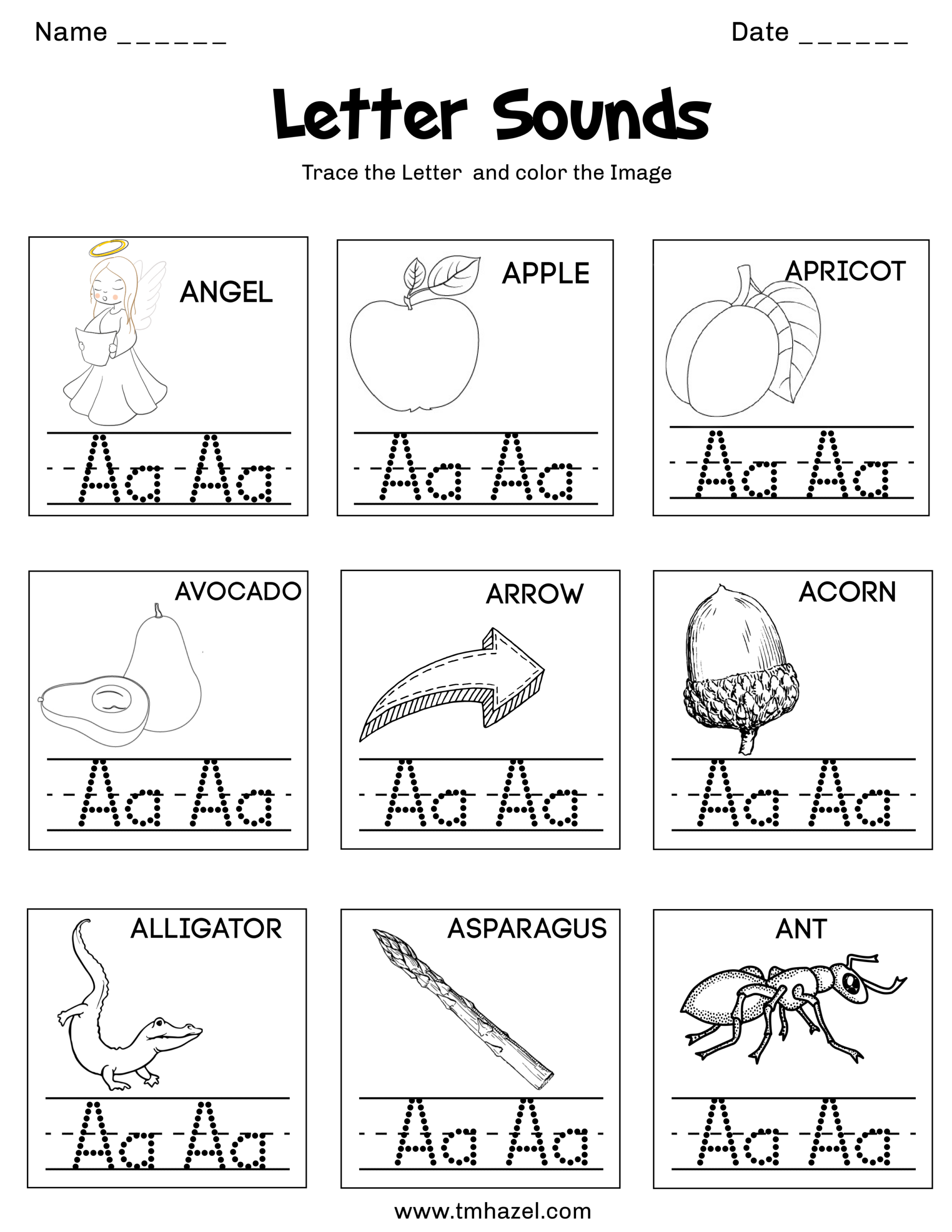
The ability to associate letters with sounds is a critical step in early literacy development. Children who grasp this concept tend to have an easier time learning to read and write. Sound recognition helps kids decode words and understand how letters come together to form sounds. This skill is particularly vital for preschoolers and kindergarteners, typically ages 4 to 6, as they are just beginning their educational journey.
When choosing Learning The Alphabet Worksheets With Sounds, look for activities that incorporate auditory elements. Worksheets that prompt children to listen for the sounds associated with each letter can be particularly effective. This multisensory approach not only keeps students engaged but also reinforces their learning through different channels.
Selecting the Right Worksheets
When selecting worksheets, consider the following:
- Age Appropriateness: Ensure the worksheets are suitable for your learners’ age group. For preschool and kindergarten levels, look for worksheets that focus on basic letter recognition and sound association.
- Format: Printable PDFs are often the best choice for classroom use. They can easily be printed on standard letter-sized paper (8.5 x 11 inches) and are straightforward to distribute.
- Visual Appeal: Worksheets with colorful illustrations and engaging designs can capture children’s attention and make learning fun.
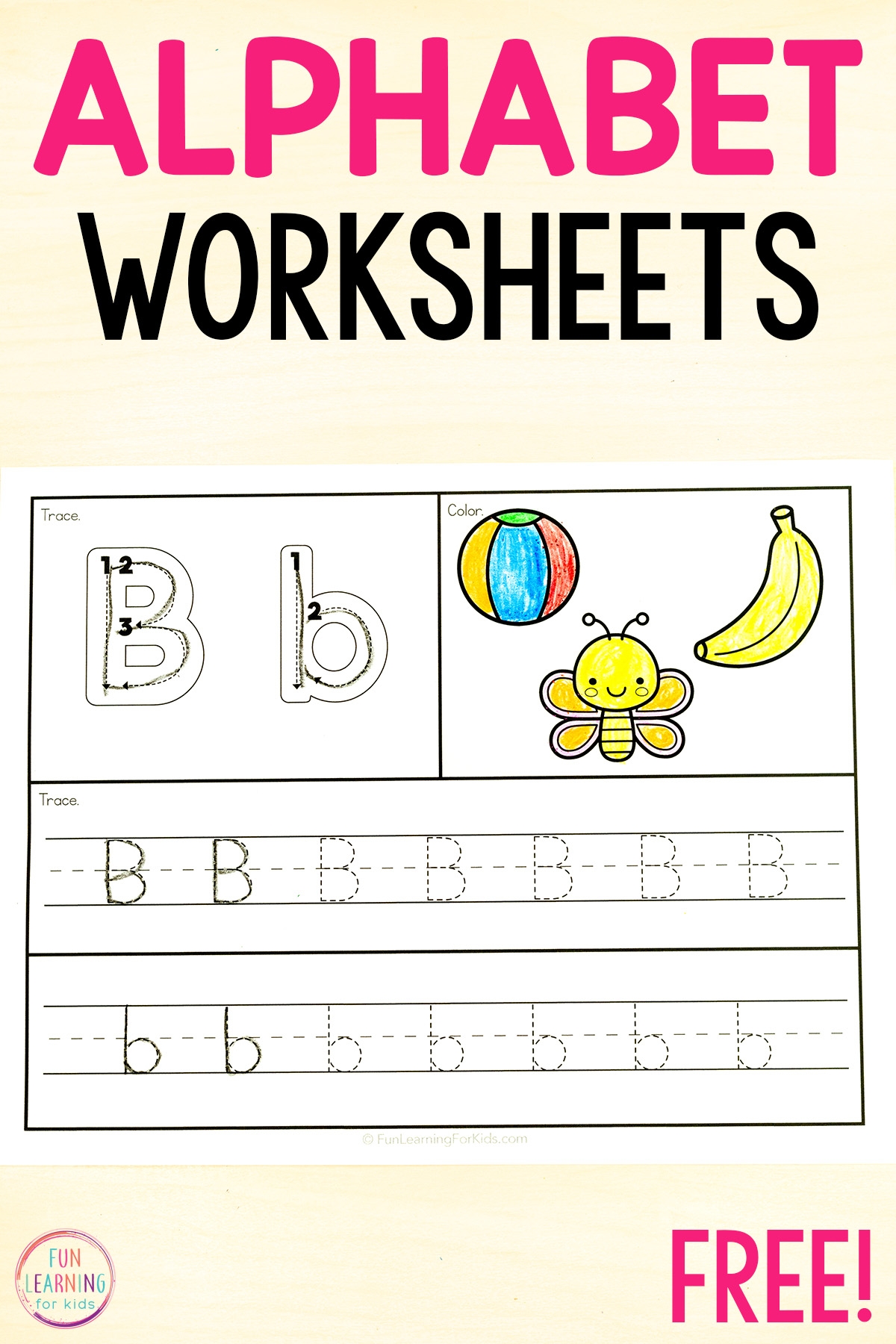
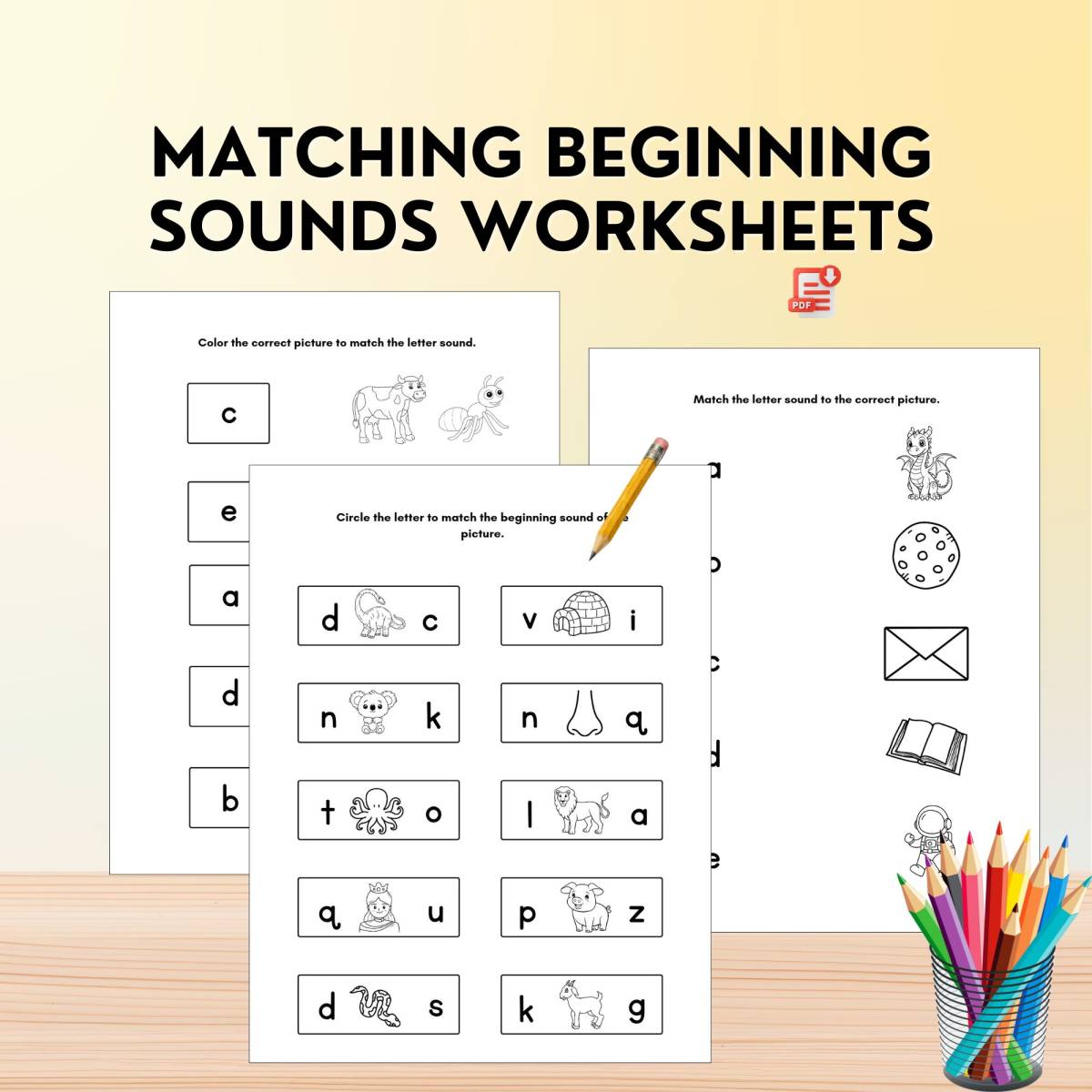
- Diversity of Activities: Look for worksheets that offer a variety of activities—such as tracing, matching, and coloring—that reinforce the connection between letters and sounds.
How to Use the Worksheets Effectively
Once you’ve selected your Learning The Alphabet Worksheets With Sounds, it’s time to implement them in your teaching. Here’s a simple workflow to get you started:
- Download and Print: After choosing your worksheets, download them in PDF format to prevent any formatting issues during printing. Use a high-quality printer for the best results. For durability, consider printing on cardstock, especially if the worksheets will be reused.
- Introduce the Concept: Before handing out the worksheets, introduce the letters and sounds you’ll be focusing on. Use flashcards or a whiteboard to demonstrate the sounds associated with each letter.
- Engage with Sounds: As students complete the worksheets, encourage them to say the sounds out loud. This reinforces their auditory skills and helps them internalize the connection between letters and sounds.
- Provide Guidance: Circulate around the classroom or learning space to provide assistance as needed. Offer encouragement and positive reinforcement to boost their confidence.
- Review and Reflect: After completing the worksheets, have a group discussion about what they learned. Ask questions like, “Can anyone tell me the sound that ‘B’ makes?” This reflection helps reinforce their understanding.
Incorporating Worksheets Into Lesson Plans
Incorporating Learning The Alphabet Worksheets With Sounds into your lesson plans can enhance your curriculum significantly. Here are a few ideas:
- Daily Phonics Practice: Dedicate a few minutes each day to sound practice. Use the worksheets as part of a morning routine to kickstart literacy learning.
- Thematic Units: Tie the worksheets into thematic units. For example, if you’re focusing on animals, use worksheets that feature animal names and sounds, helping children make connections between letters and real-world concepts.
- Interactive Learning Stations: Set up learning stations where students can rotate through different activities. Some stations can focus on writing letters, while others can utilize worksheets to reinforce sound recognition.
- Home Activities: Encourage parents to use these worksheets at home. Providing a take-home packet can help reinforce what children learn in the classroom and encourage family involvement in their education.
Tips for Maximizing Effectiveness
To get the most out of Learning The Alphabet Worksheets With Sounds, consider these practical tips:
- Laminating Worksheets: If you plan to reuse the worksheets, laminate them. This allows students to use dry-erase markers, enabling multiple uses while keeping the worksheets in good condition.
- Use of Technology: If you have access to tablets or computers, consider using digital versions of similar worksheets. Many educational apps provide interactive sound recognition games that can complement your worksheets.
- Monitor Progress: Keep track of each student’s progress with sound recognition. Regular assessments can help identify areas where students may need additional support.
By integrating Learning The Alphabet Worksheets With Sounds into your teaching strategy, you create an inviting and effective learning environment. These resources not only help children grasp essential literacy skills but also make the process enjoyable. The key is to maintain a balance between structured learning and fun, fostering a love for reading that will last a lifetime. One specific detail to remember is that using a combination of visual, auditory, and kinesthetic activities will greatly enhance the learning experience for young learners.