
In a cozy corner of a kindergarten classroom, a young girl named Mia sits at a colorful table with her crayons scattered around. She excitedly flips through a stack of worksheets, her eyes lighting up at the sight of the “Learning The Alphabet Worksheets Kindergarten.” These worksheets promise to make her journey through the alphabet fun and engaging, a perfect fit for her budding curiosity.
Learning the alphabet is a fundamental skill for kindergarten students, setting the foundation for reading and writing. Worksheets designed specifically for this purpose can help children grasp letter recognition, phonetic sounds, and basic writing skills. In this guide, we’ll explore how to effectively utilize these worksheets in both classroom and home settings, ensuring that children are not only learning but also enjoying the process.
Understanding the Structure of Alphabet Worksheets
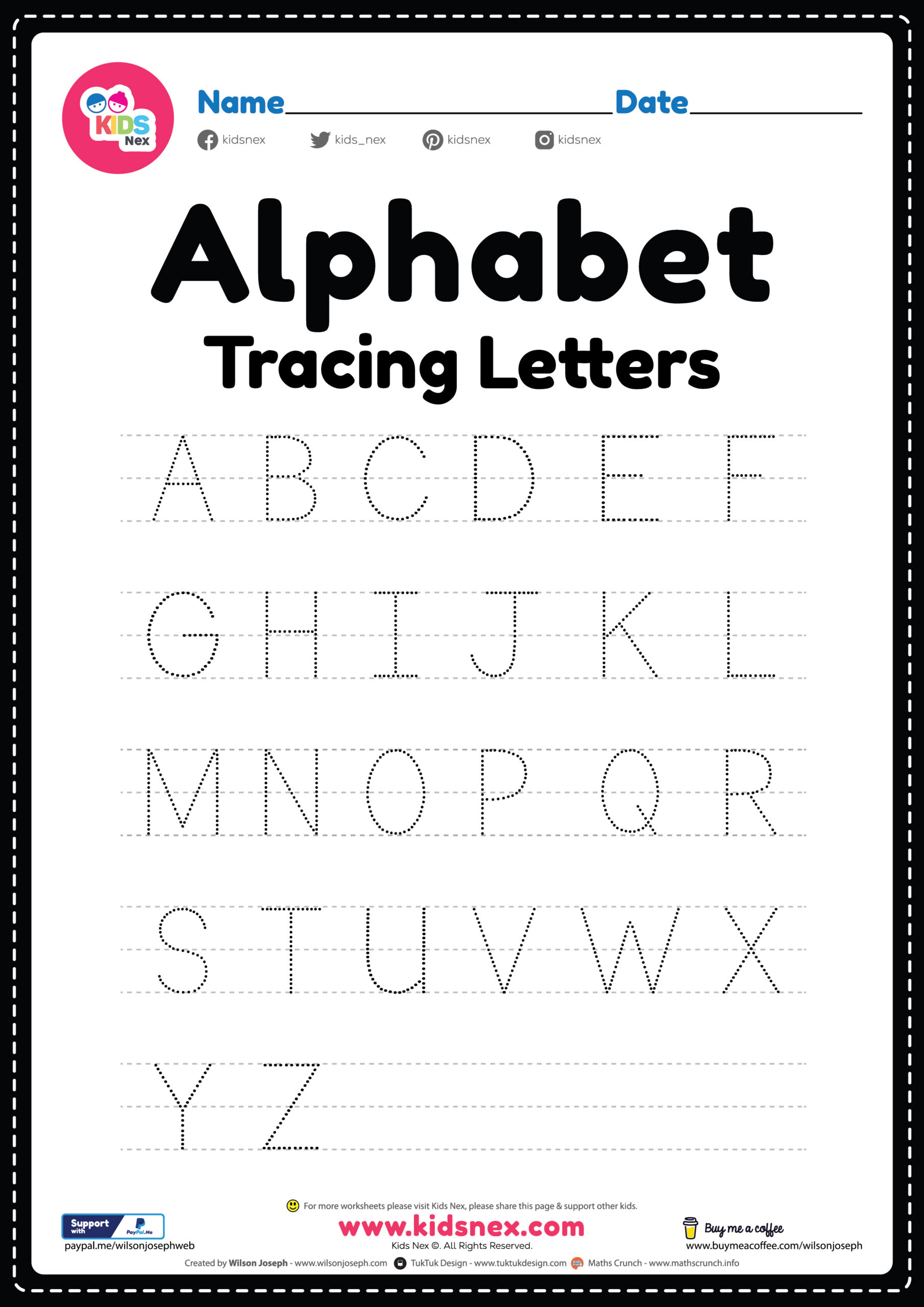
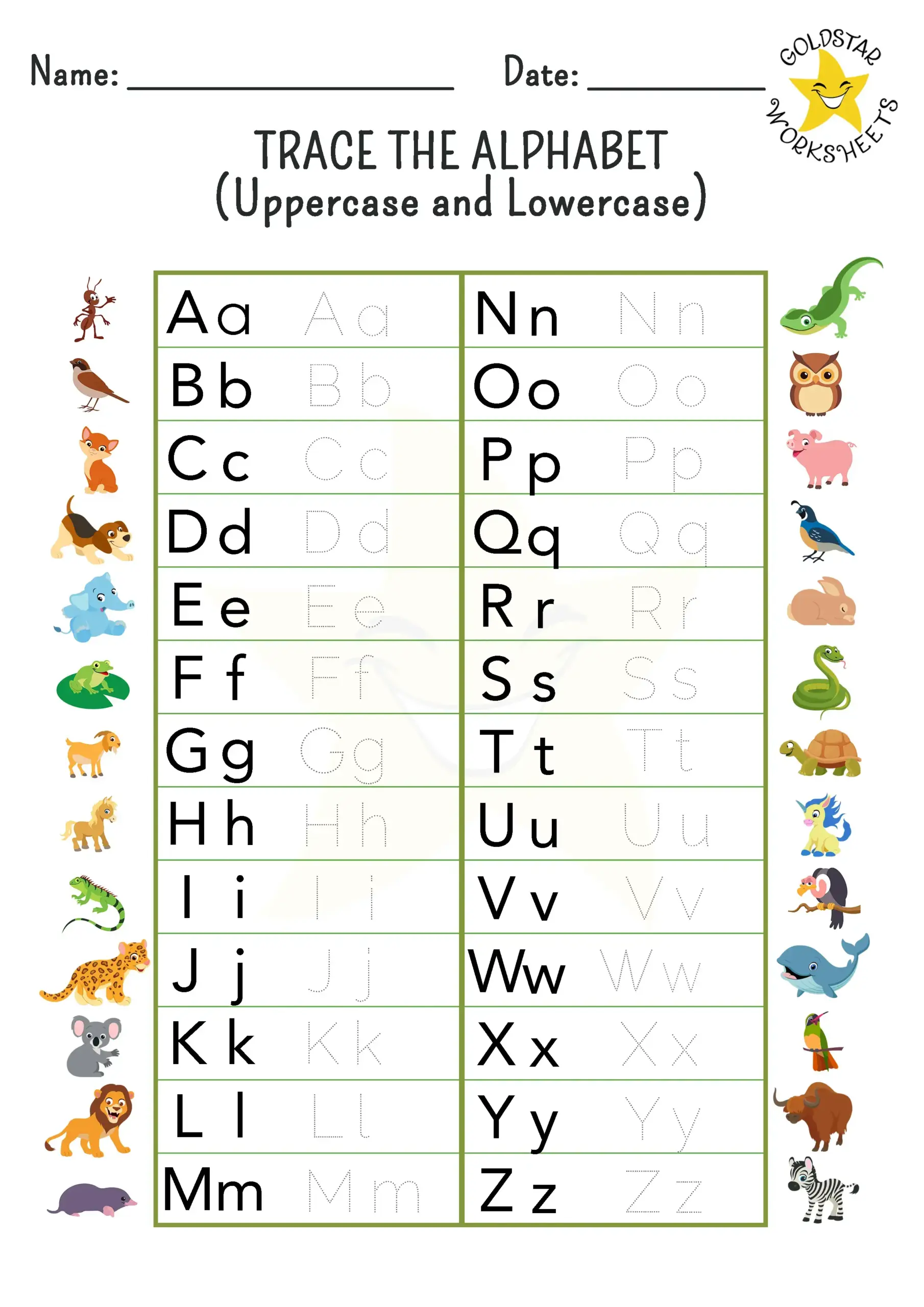
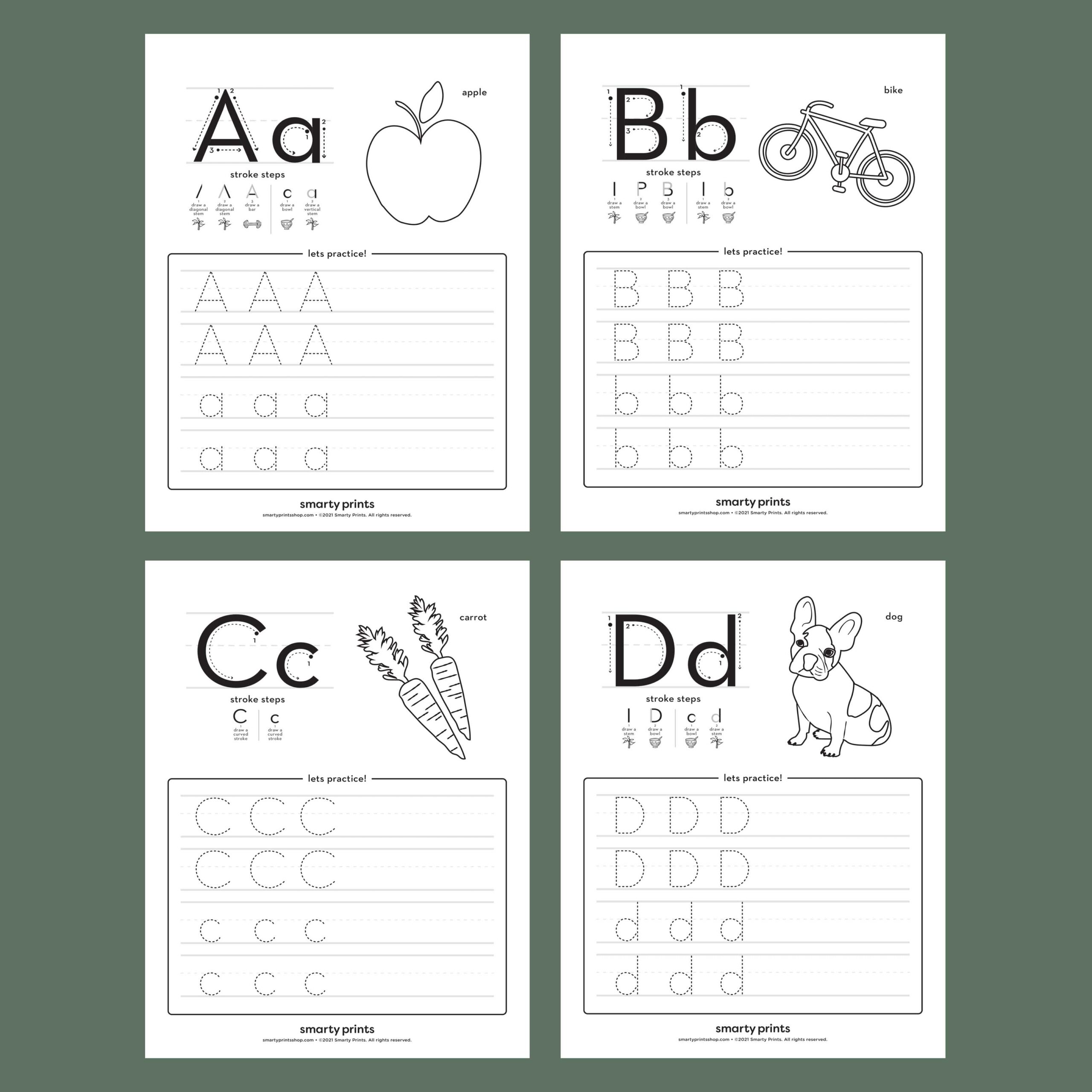
Learning The Alphabet Worksheets Kindergarten typically contain a variety of activities that target different aspects of alphabet learning. These might include:
- Letter Tracing: Children practice writing each letter, building fine motor skills.
- Letter Recognition: Activities where students identify letters in different contexts.
- Phonics Activities: Matching letters with corresponding sounds or images.
- Coloring Pages: Engaging illustrations that correspond with each letter.
Each section is designed to cater to different learning styles, making it easier for teachers and parents to tailor activities to individual needs.
How to Implement Worksheets in a Classroom Setting
Using Learning The Alphabet Worksheets Kindergarten in the classroom can be both structured and flexible. Here’s how you can integrate them into your daily routine:
- Morning Stations: Set up a rotation where students spend a few minutes at different stations, each featuring a worksheet activity. This keeps engagement high and allows for varied learning experiences.
- Weekly Themes: Integrate the worksheets into weekly themes. For example, if the theme is animals, use worksheets that relate letters to animal names (A for Alligator, B for Bear).
- Group Activities: Have students work in pairs or small groups to complete certain worksheets. This promotes collaboration and helps children learn from one another.
- Independent Practice: Designate time for students to work independently on their worksheets. This encourages self-learning and allows you to assess individual progress.
- Feedback and Celebration: Regularly review completed worksheets with students. Acknowledge their efforts and progress, which can boost their confidence and motivation.
Utilizing Worksheets at Home
Parents and caregivers can also effectively use Learning The Alphabet Worksheets Kindergarten to reinforce skills at home. Here are some practical tips:
- Create a Learning Space: Set up a designated area for learning with the necessary supplies like crayons, scissors, and the worksheets. A clutter-free space helps children focus.
- Daily Practice: Encourage your child to complete one worksheet each day. Consistency is key in reinforcing learning and building habits.
- Incorporate Play: Use the worksheets alongside fun activities. For instance, after tracing letters, have your child find objects around the house that start with the same letters.
- Use Technology: Many printable worksheets come with online resources or audio files. Use these to provide additional learning support, like phonetic pronunciation.
- Monitor Progress: Keep track of completed worksheets. This allows you to identify areas where your child excels or needs more practice.
Combining Worksheets With Other Learning Tools
To maximize the effectiveness of Learning The Alphabet Worksheets Kindergarten, consider combining them with other educational tools and resources:
- Flashcards: Use flashcards alongside worksheets to reinforce letter recognition. Show a letter and have your child say its sound.
- Storybooks: Read alphabet-themed storybooks to your child. This helps connect the worksheets to real-world language use.
- Games: Incorporate alphabet games like letter scavenger hunts or bingo. These can make learning fun and interactive.
- Crafts: Engage in alphabet crafts where children can create letters using various materials. This tactile experience solidifies their understanding.