
Recognizing the sounds associated with each letter is crucial for early literacy. Learning The Alphabet Sounds Worksheets provide a structured way for young learners to practice these essential skills. If you are a teacher or a parent homeschooling, these worksheets can seamlessly fit into your daily routine, making learning both fun and effective.
Understanding the Importance of Alphabet Sounds
Before diving into the worksheets, it’s essential to understand why learning letter sounds is fundamental. Phonics instruction helps children connect letters with their sounds, enabling them to decode words more easily. This skill is foundational for reading fluency and comprehension. When children grasp the sounds of the alphabet, they can begin to blend those sounds to form words, paving the way for reading and writing proficiency.
Choosing the Right Worksheets
When selecting Learning The Alphabet Sounds Worksheets, consider the following factors:
- Age Appropriateness: Most worksheets are designed for preschool and kindergarten-aged children (ages 3-6). Ensure the content is suitable for your child’s developmental stage.
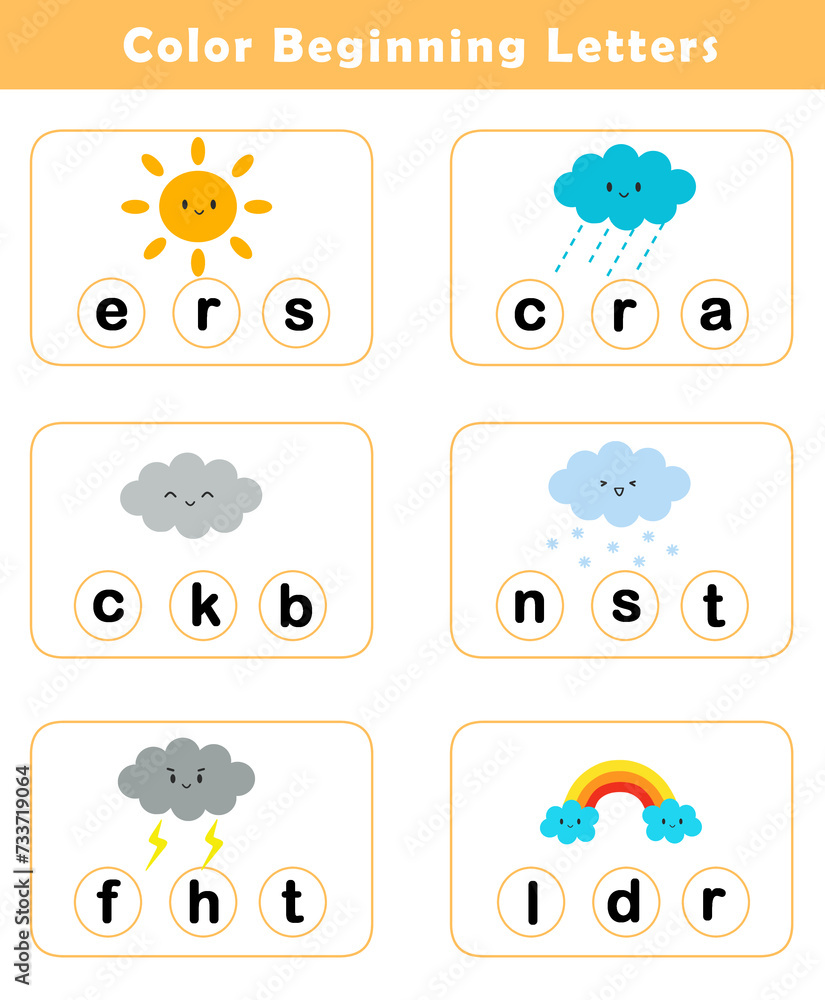
- Engagement Level: Look for worksheets that incorporate colors, images, and interactive elements. Engaging worksheets can keep children motivated and make learning enjoyable.
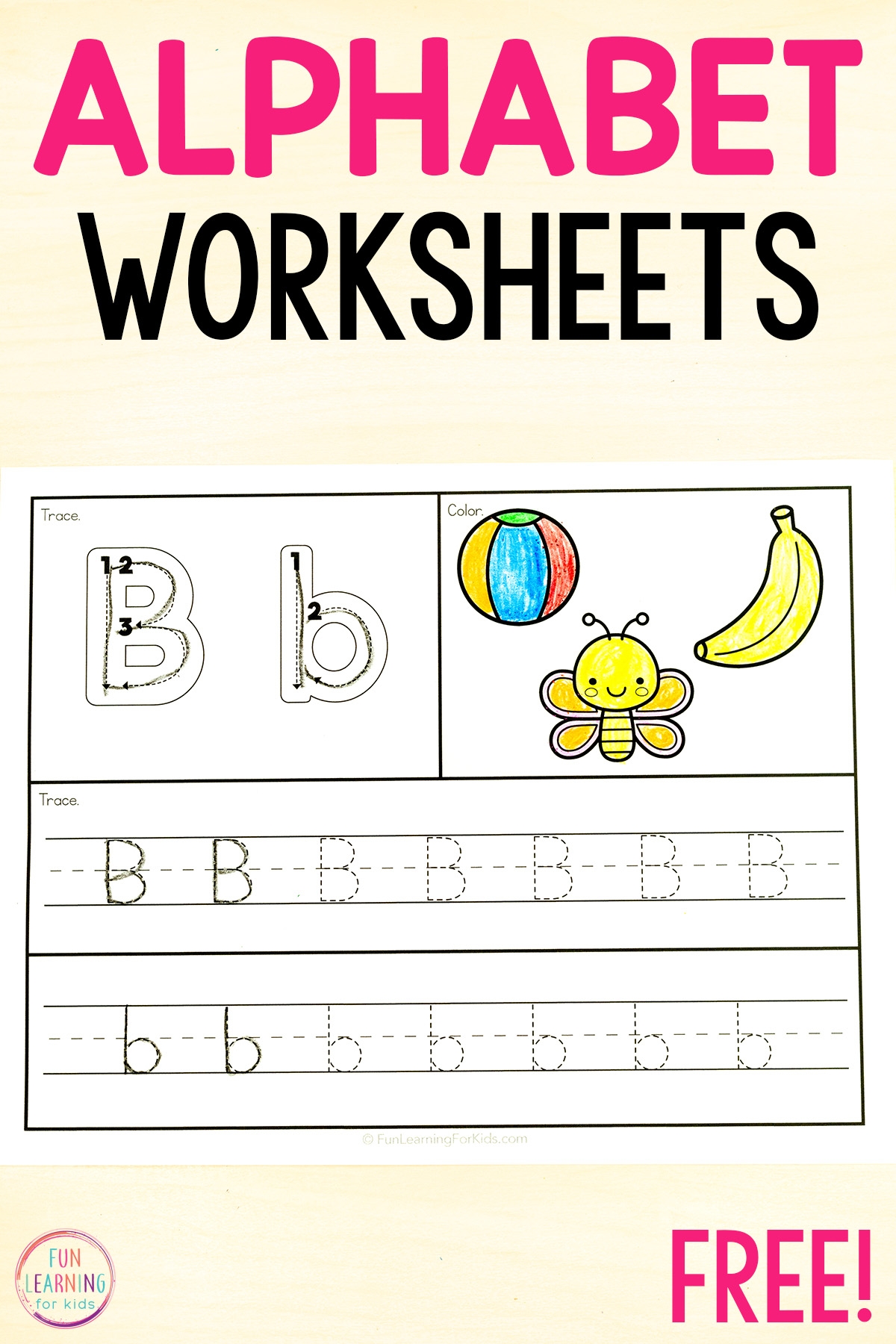
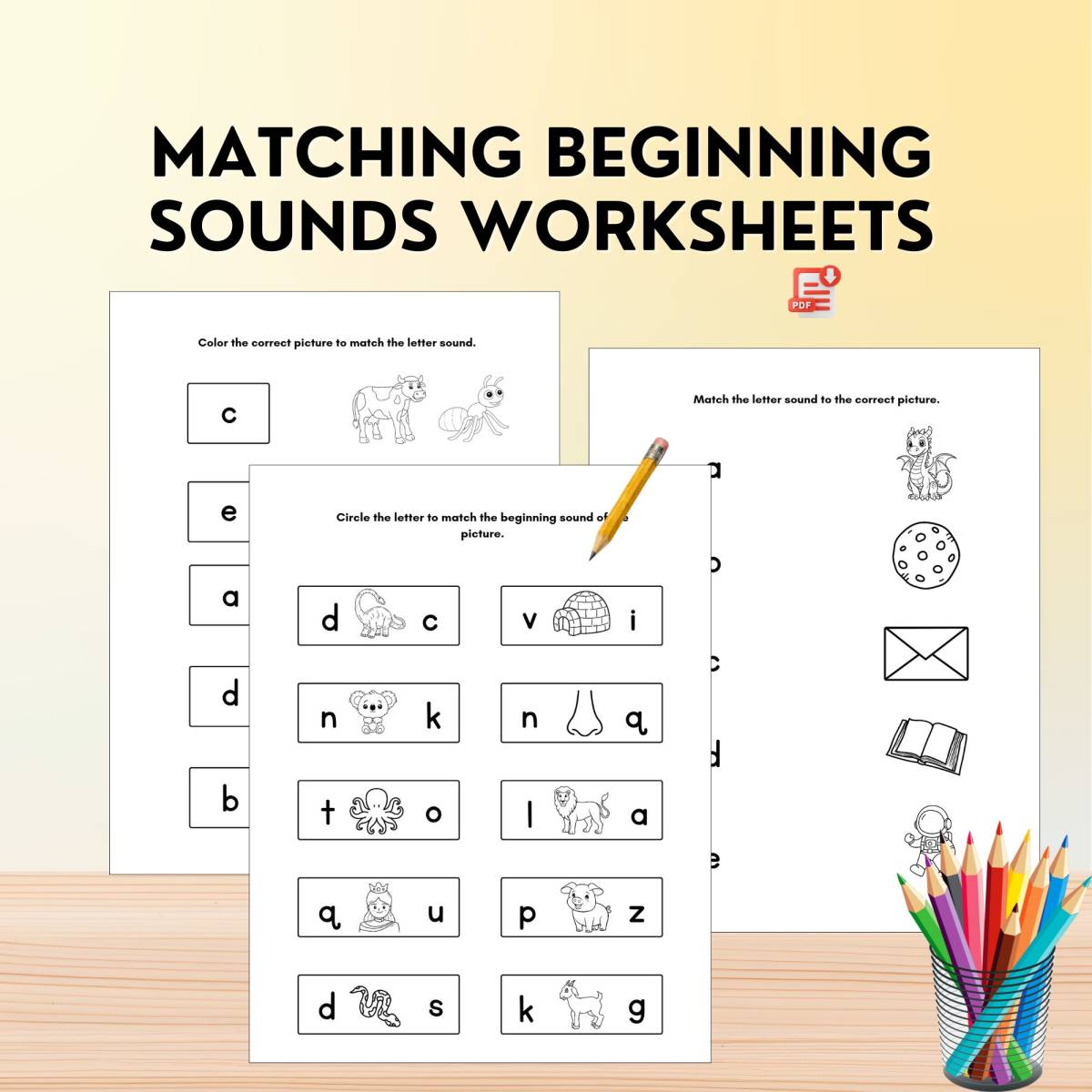
- Variety of Activities: Worksheets that offer a mix of activities, such as tracing, matching, and coloring, can cater to different learning styles and keep the experience fresh.
Downloading and Printing Your Worksheets
Once you’ve selected the appropriate worksheets, it’s time to download and print them. Here’s a simple guide to help you through the process:
- Choose the Format: Most worksheets come in PDF format, which is preferred for printing as it maintains the layout.
- Check Your Printer Settings: Make sure your printer is set to print in portrait orientation, which works best for most worksheets. Use standard paper size (8.5 x 11 inches) for easy handling.
- Print Quality: Opt for a higher print quality to ensure that colors and images are clear. If possible, use cardstock for durability, especially if the worksheets will be handled frequently.
Setting Up a Learning Environment
Creating an inviting space for learning can significantly enhance the effectiveness of your worksheets. Here are some tips for setting up a productive environment:
- Designate a Learning Area: Choose a quiet space with good lighting where your child can focus. A small table with comfortable seating works well.
- Organize Supplies: Keep all necessary supplies, such as crayons, pencils, and scissors, within arm’s reach. This minimizes distractions and allows for smooth transitions between activities.
- Incorporate a Routine: Establish a consistent time for learning. This could be during a quiet afternoon or after a meal, helping your child anticipate and prepare for learning.
Using the Worksheets Effectively
Now that you have the worksheets printed and a learning space set up, it’s time to look at using them. Here’s a step-by-step approach to maximize their impact:
- Introduction: Start with a brief introduction to the letter sound you will be focusing on. Use examples of words that begin with that sound.
- Interactive Activities: As your child works through the worksheets, engage them in discussions about the activities. For example, ask what sound a letter makes or what words they can think of that start with that letter.
- Reinforcement: After completing the worksheets, reinforce learning by incorporating those letter sounds into daily conversations. This helps solidify their understanding and application of the sounds.
- Track Progress: Keep a simple log of which worksheets your child completes and their performance on them. This can be as straightforward as checking off completed tasks or noting areas where they excel or need more practice.
Additional Resources for Enrichment
To further support your child’s learning, consider supplementing the worksheets with additional resources:
- Online Games: Websites offer phonics games that reinforce letter sounds through interactive play. These can provide a fun break from traditional worksheets while still promoting learning.
- Read-Aloud Sessions: Choose books that emphasize phonics and letter sounds. Reading aloud helps children hear how sounds blend into words.
- Craft Activities: Incorporate arts and crafts that involve letters and sounds. For instance, creating letter collages or sound matching games can enhance their understanding in a hands-on way.