
Teaching toddlers the alphabet can be a delightful adventure, especially when using engaging resources like Learning Letters For Toddlers Printable. These printables typically come in a variety of formats, such as worksheets, coloring pages, and flashcards, designed specifically to make learning fun and interactive. With a focus on letters, these resources can bring structure to your teaching sessions, whether at home or in a homeschool setting.
Choosing the Right Printables
When selecting printables for teaching letters, consider the age and developmental stage of the child. Most toddlers will thrive with materials designed for ages 2 to 4, which often feature bold images and colorful designs. Look for resources that offer a mix of visual appeal and educational value.
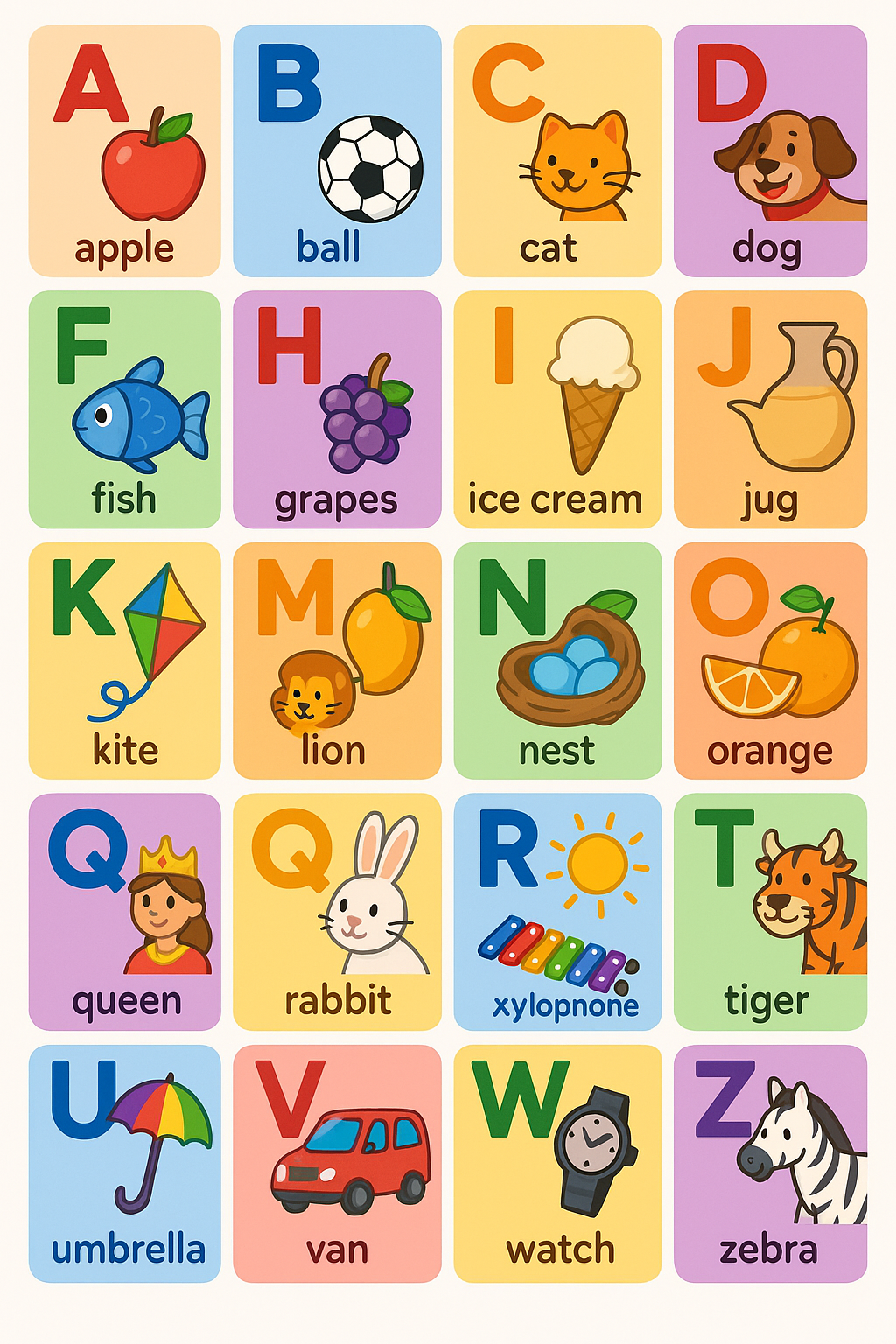
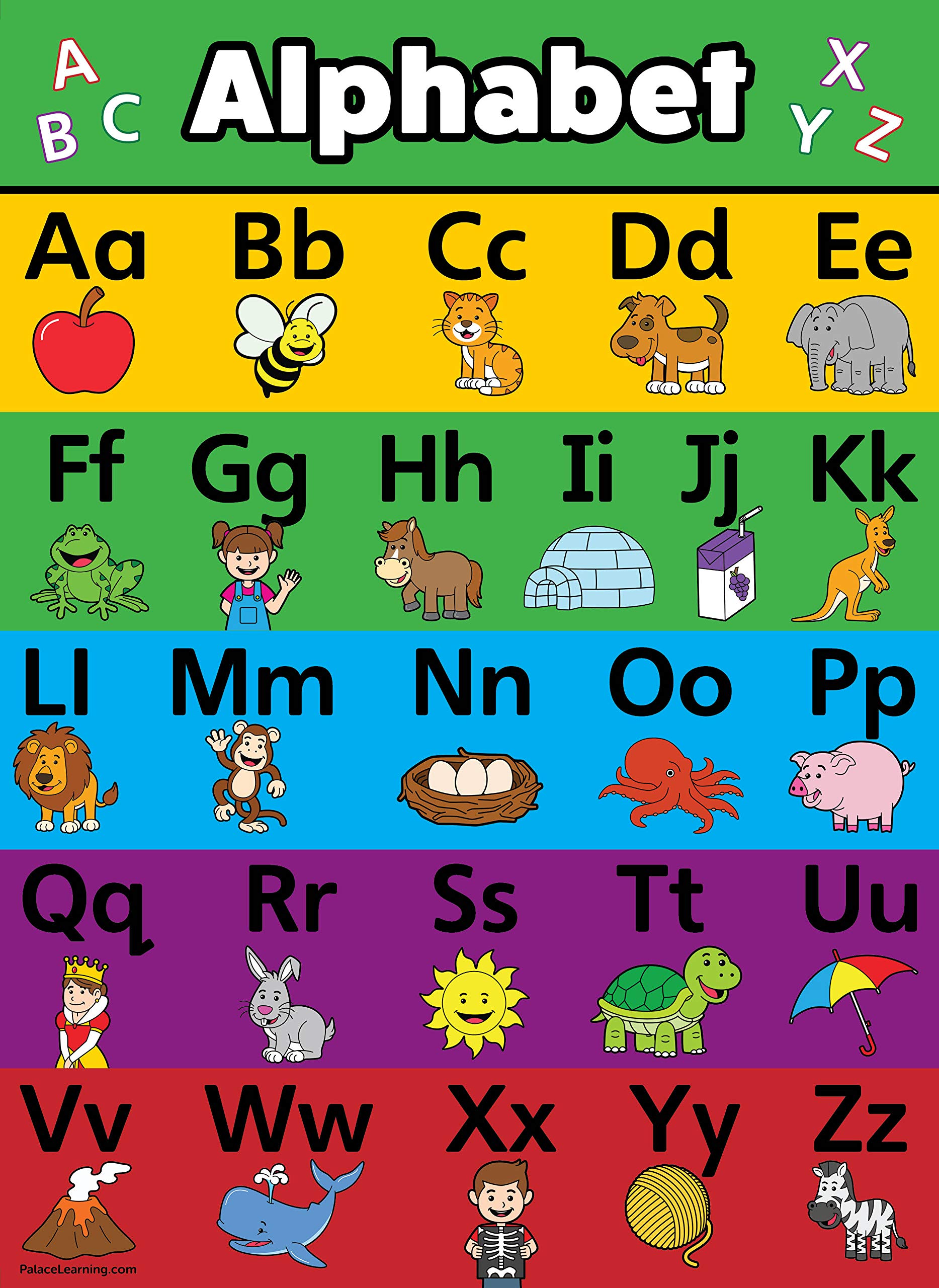
For example, worksheets that combine letter tracing with fun illustrations of animals or objects that start with that letter can enhance learning. Flashcards can also be a great tool for recognition and memory games. Ensure the printables are easy to download and print; a PDF format usually works best to avoid any formatting issues.
Downloading and Printing
Once you’ve identified the right Learning Letters For Toddlers Printable resources, the next step is downloading and printing them. Most printables are available as free or low-cost downloads from educational websites.
Here’s a practical workflow for this process:
- Download: Click on the download link and save the file to your computer. If it’s a ZIP file, ensure you extract it to access the PDFs or images inside.
- Check Settings: Before printing, open the file and check the print settings. Make sure to select the correct paper size (typically A4 or letter size) and choose portrait orientation for worksheets.
- Quality Matters: For vibrant colors, opt for high-quality paper or cardstock, especially if you’re planning to laminate the sheets for durability.
- Print: Hit print and watch the letters come to life!
Setting Up the Learning Environment
Creating a dedicated space for learning can significantly enhance your toddler’s focus and engagement. Here are a few tips to set it up effectively:
- Designate a Quiet Area: Choose a spot with minimal distractions. A small table or corner in a room can work well.
- Organize Materials: Keep printables, crayons, and any other learning tools in a container or binder for easy access.
- Incorporate Comfort: Add a comfy chair or cushion where your child can sit and explore the printables.
Engaging With the Printables
Now that you have the printables ready and a cozy learning environment set up, it’s time to engage with the materials. Here are several activities to make the most of your Learning Letters For Toddlers Printable resources:
1. Tracing Letters
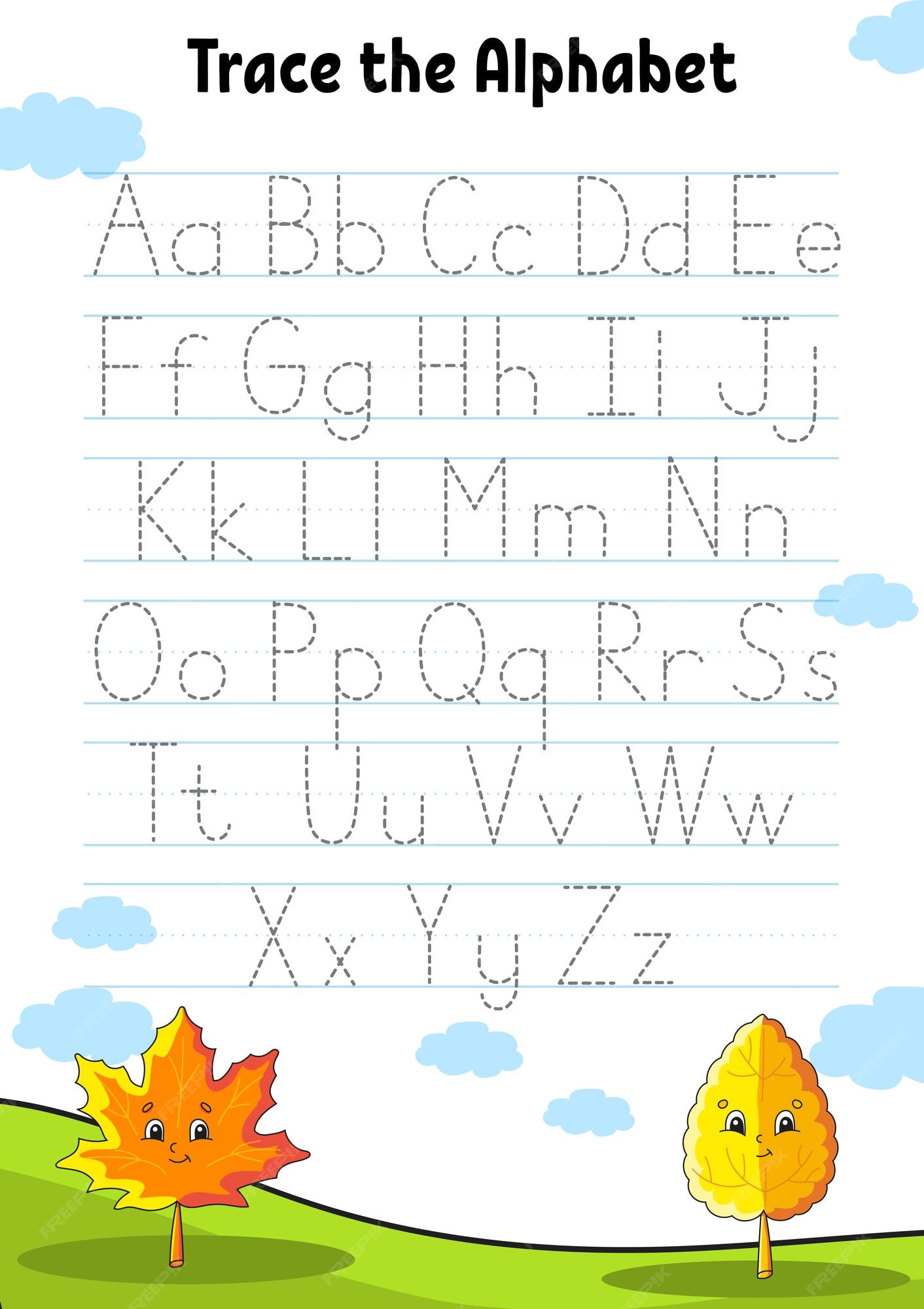
Encourage toddlers to trace letters using worksheets. This activity not only improves fine motor skills but also helps with letter recognition. Use colorful crayons or markers to make it visually appealing.
2. Flashcard Games
Use flashcards to play memory games. Spread them face down and take turns flipping cards to find matching letters. This can enhance memory and recognition while keeping the activity fun.
3. Coloring Pages
Integrate coloring pages that feature letters. As toddlers color, discuss the letter and its sound. For example, if they are coloring the letter “A,” point out that “A” is for “apple.”
4. Letter Hunt
Turn learning into a scavenger hunt. Use printables featuring letters and have children find items around the house that start with those letters. For instance, ask them to find something that begins with “B” and encourage them to shout it out.
Reinforcing Learning
Reinforcement is key in learning. After using printables, revisit the letters throughout the week. Here are a few ways to do this:
- Songs and Rhymes: Incorporate songs that feature the alphabet. Sing along to make it memorable.
- Daily Recognition: Look for letters in everyday situations. Point out letters on signs, books, or toys during outings.
- Create a Letter Wall: Dedicate a wall or board to display letters and associated words or images. Change it regularly to keep the interest alive.
Adapting for Different Learning Styles
Every child has a unique learning style. Some may respond better to visual stimuli, while others may prefer auditory learning. Here’s how to adapt your approach:
- Visual Learners: Use bright images and colorful printables. Engage them with visual storytelling using books that highlight letters.
- Kinesthetic Learners: Incorporate movement. For example, have them jump or clap when they hear a letter during a game.
- Auditory Learners: Use songs and rhymes. Encourage them to repeat letter sounds and names aloud.