
Learning to write the alphabet is a fundamental skill for young children, laying the groundwork for their future literacy. Using Learn To Write Alphabet Worksheets can be an effective method to help children practice their letters in a structured and engaging way. These worksheets not only provide guided practice but also help in assessing a child’s progress in letter formation and recognition.
Understanding the Purpose of Alphabet Worksheets
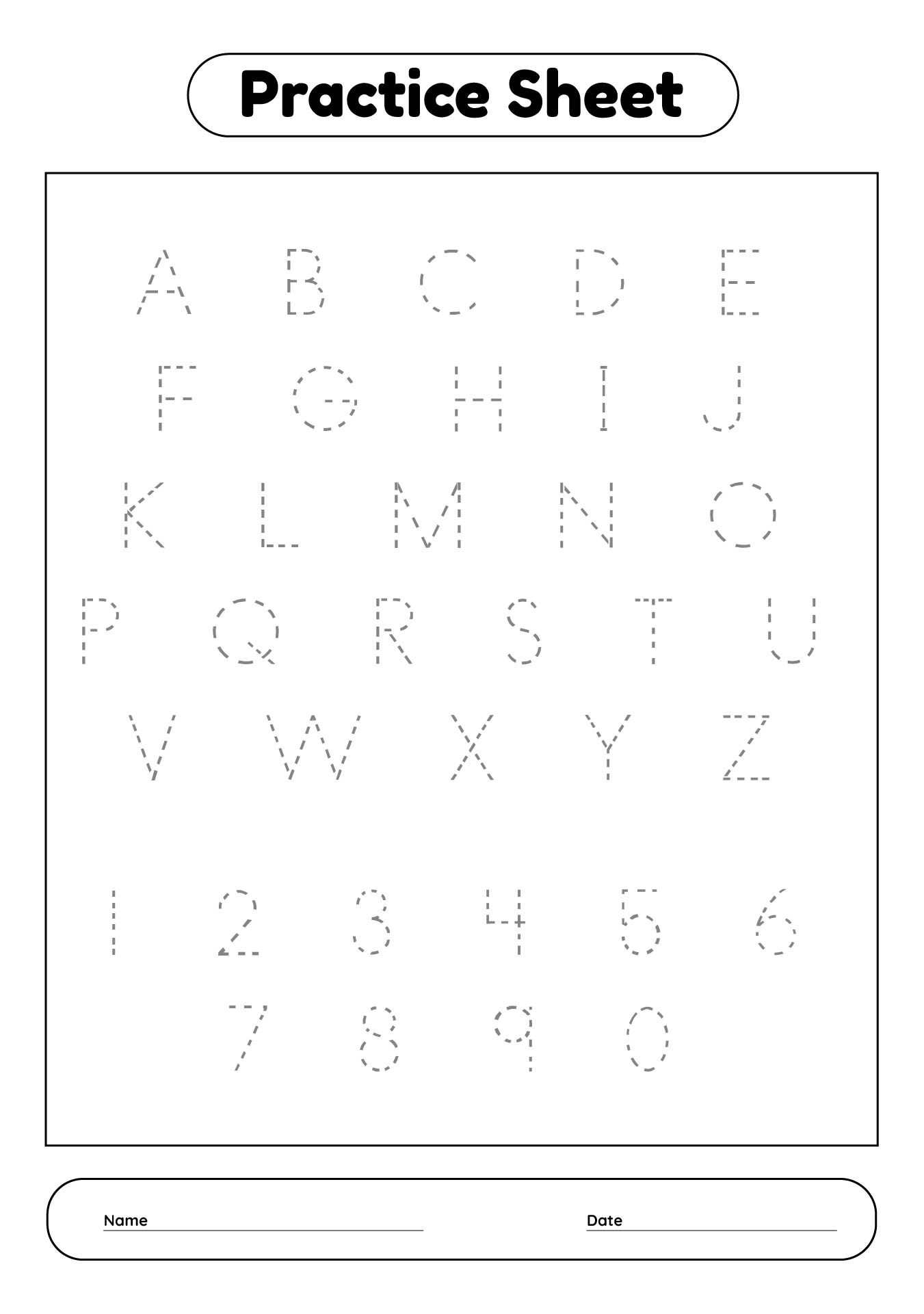
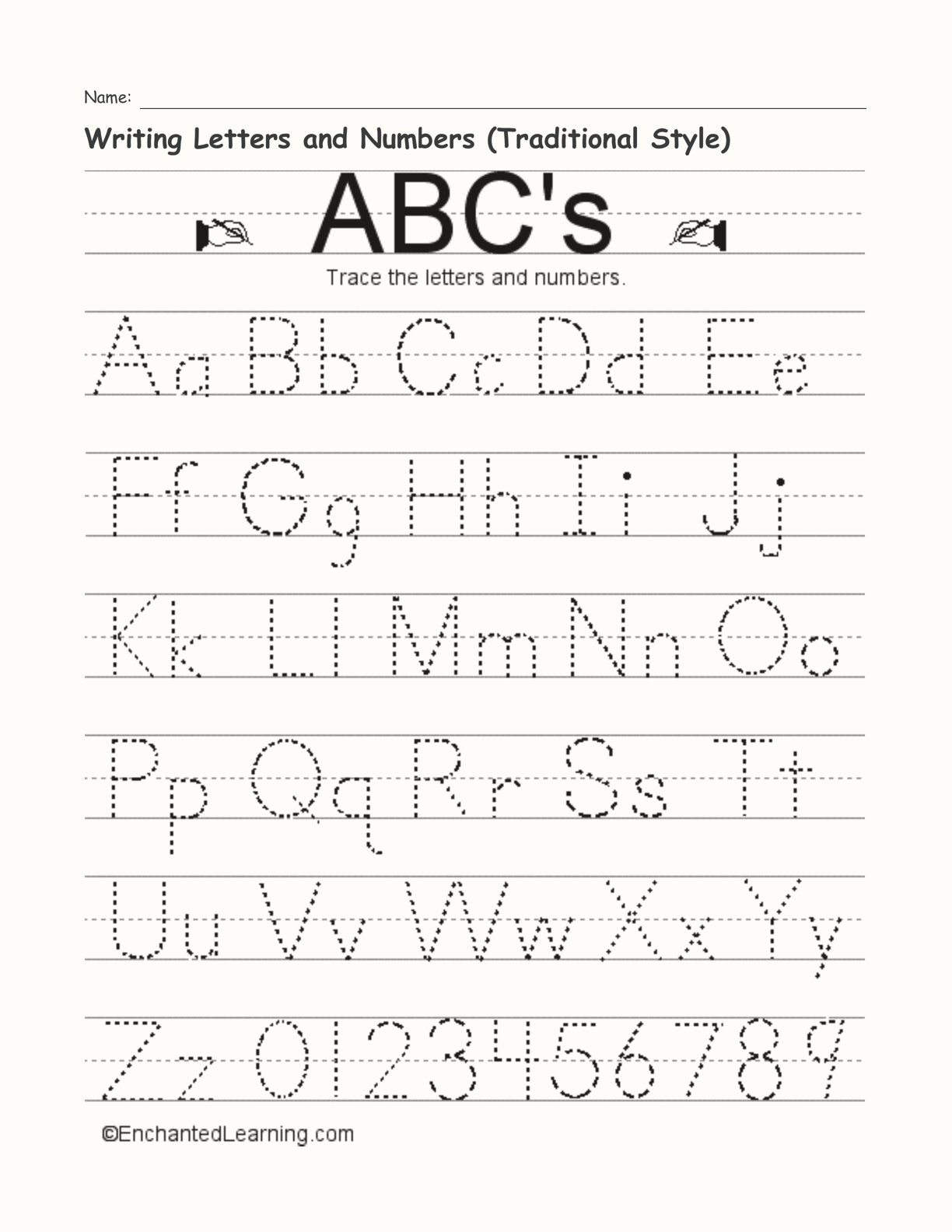
Alphabet worksheets serve multiple purposes. They offer children the chance to practice letter formation, develop fine motor skills, and enhance their letter recognition abilities. These worksheets typically include both uppercase and lowercase letters, allowing children to familiarize themselves with different letter shapes and sizes. As you introduce these worksheets in your classroom or at home, it’s essential to ensure they are age-appropriate and cater to the child’s developmental level.
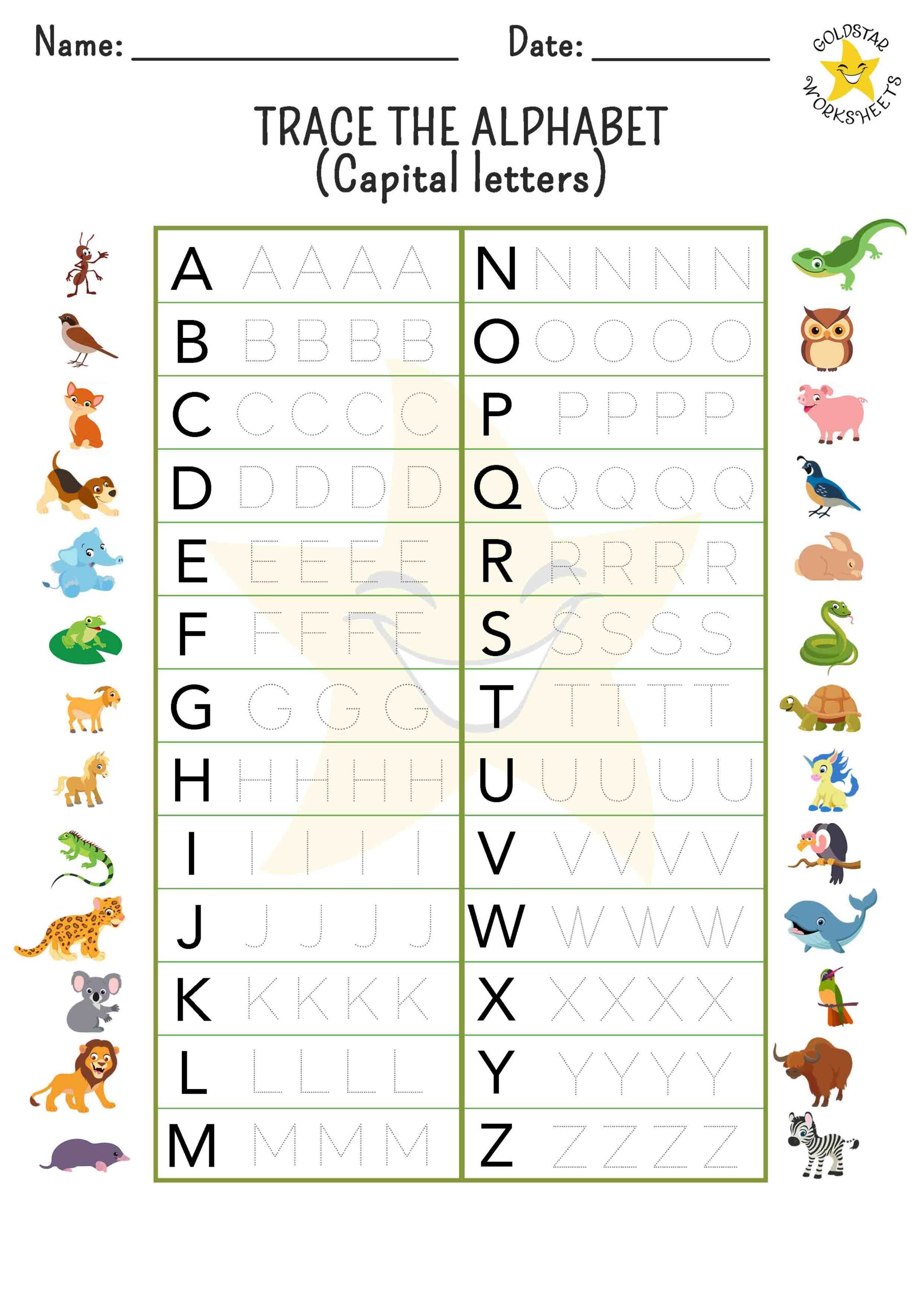
For preschoolers and kindergarteners, worksheets often include tracing letters, coloring activities, and even games that make learning fun. As children progress, worksheets can incorporate more complex tasks, such as writing letters independently or matching letters with corresponding pictures.
Choosing the Right Worksheets
Not all Learn To Write Alphabet Worksheets are created equal. When selecting worksheets, consider the following:
- Age Appropriateness: Ensure the worksheets align with the child’s age and skill level. For younger children, choose worksheets that involve tracing and simple letter recognition.
- Format: Look for worksheets that provide clear instructions and are visually appealing. Worksheets with engaging graphics can maintain a child’s interest and make learning enjoyable.
- Variety: Select a range of worksheets that include different activities, from tracing and coloring to matching and writing independently. This variety keeps practice sessions fresh and exciting.
Effective Usage of Worksheets in Different Settings
In the Classroom
In a classroom setting, Learn To Write Alphabet Worksheets can be integrated into daily activities. Here are some practical tips:
- Routine: Incorporate worksheet time into your daily schedule. Consistent practice helps reinforce learning.
- Group Activities: Use worksheets for group activities where students can work together, share ideas, and motivate each other. Pairing students can foster collaboration and improve learning outcomes.
- Assessment: Use completed worksheets as a form of assessment to identify which letters students find challenging. This allows you to tailor your instruction to meet their needs.
At Home
For parents homeschooling their children or simply looking to supplement classroom learning, worksheets can be a valuable tool:
- Structured Learning: Set aside specific times for worksheet activities. Structure helps children understand the importance of consistent practice.
- Interactive Learning: Turn worksheet time into a fun learning experience. For example, after completing a worksheet, encourage your child to find objects around the house that start with the letters they practiced.
- Progress Tracking: Keep a portfolio of your child’s completed worksheets. This can help you track their progress over time and celebrate their accomplishments.
Assessing Progress With Worksheets
One of the primary benefits of using Learn To Write Alphabet Worksheets is the ability to assess a child’s progress. Here’s how to effectively evaluate their development:
- Observe Letter Formation: Look for consistency in letter formation. Are they able to write letters without assistance? Are they maintaining proper spacing?
- Check for Recognition: Use worksheets that incorporate letter recognition tasks. If a child can identify letters consistently, it indicates mastery of that skill.
- Feedback: Provide constructive feedback on completed worksheets. Celebrate successes and offer guidance on areas needing improvement.
Additional Tips for Success
To maximize the effectiveness of Learn To Write Alphabet Worksheets, consider these additional strategies:
- Use Quality Materials: Print worksheets on quality paper to withstand repeated use. If you plan to laminate them for durability, cardstock is a great option.
- Incorporate Technology: If available, use interactive digital worksheets that provide instant feedback. This can be an engaging alternative for tech-savvy children.
- Make it Fun: Incorporate games and activities that complement worksheet practice. For example, you might create a scavenger hunt where children find items that start with a specific letter.
By focusing on these practical strategies, you can effectively use Learn To Write Alphabet Worksheets to enhance children’s writing skills. Through consistent practice, engaging activities, and ongoing assessment, children will gain the confidence they need to master the alphabet and set a solid foundation for their future literacy journey.