
When teaching young learners, a well-structured, engaging resource can significantly enhance their writing skills. The Learn To Write Alphabet Printable is an excellent tool that offers a clear, organized format to guide children in mastering the letters of the alphabet. This resource is typically designed to fit standard letter-sized paper (8.5 x 11 inches), making it easy to print at home or in a classroom setting.
Layout and Design Features
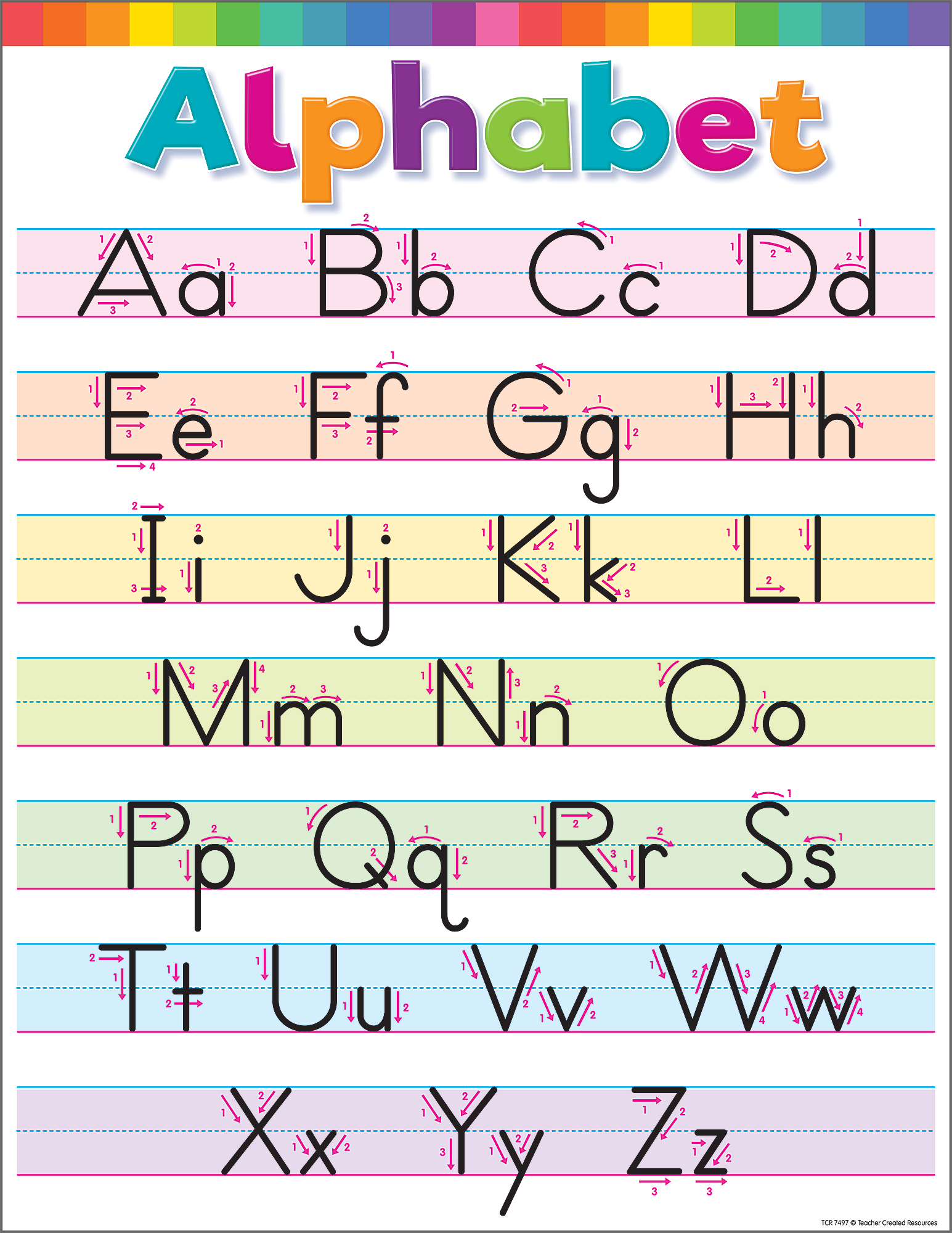
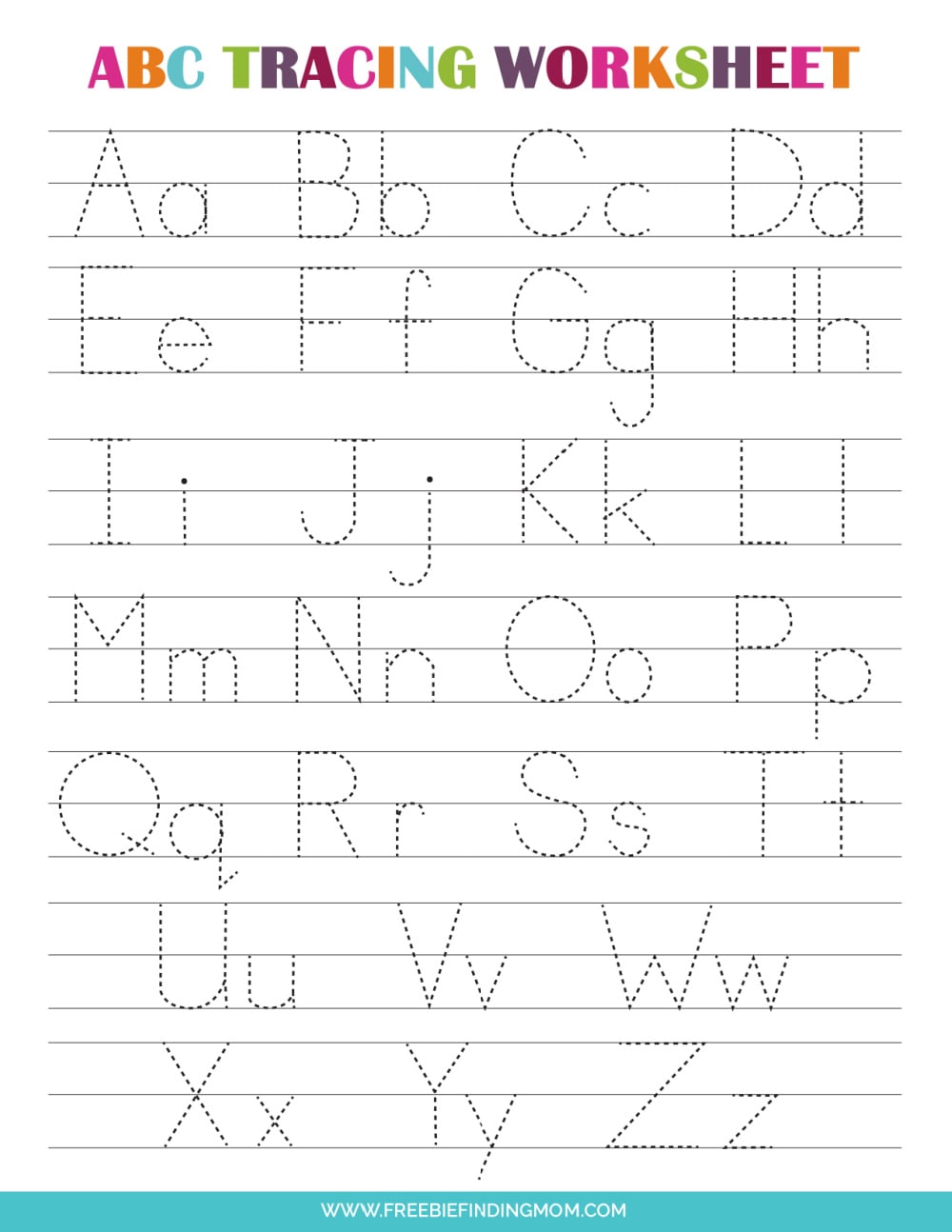
The layout of the Learn To Write Alphabet Printable is crucial for effective learning. Each page typically features a large, clear letter—both uppercase and lowercase—followed by dotted lines for tracing. This design choice allows students to practice their handwriting by following the outlines, which is particularly beneficial for early learners who are just beginning to develop their fine motor skills.
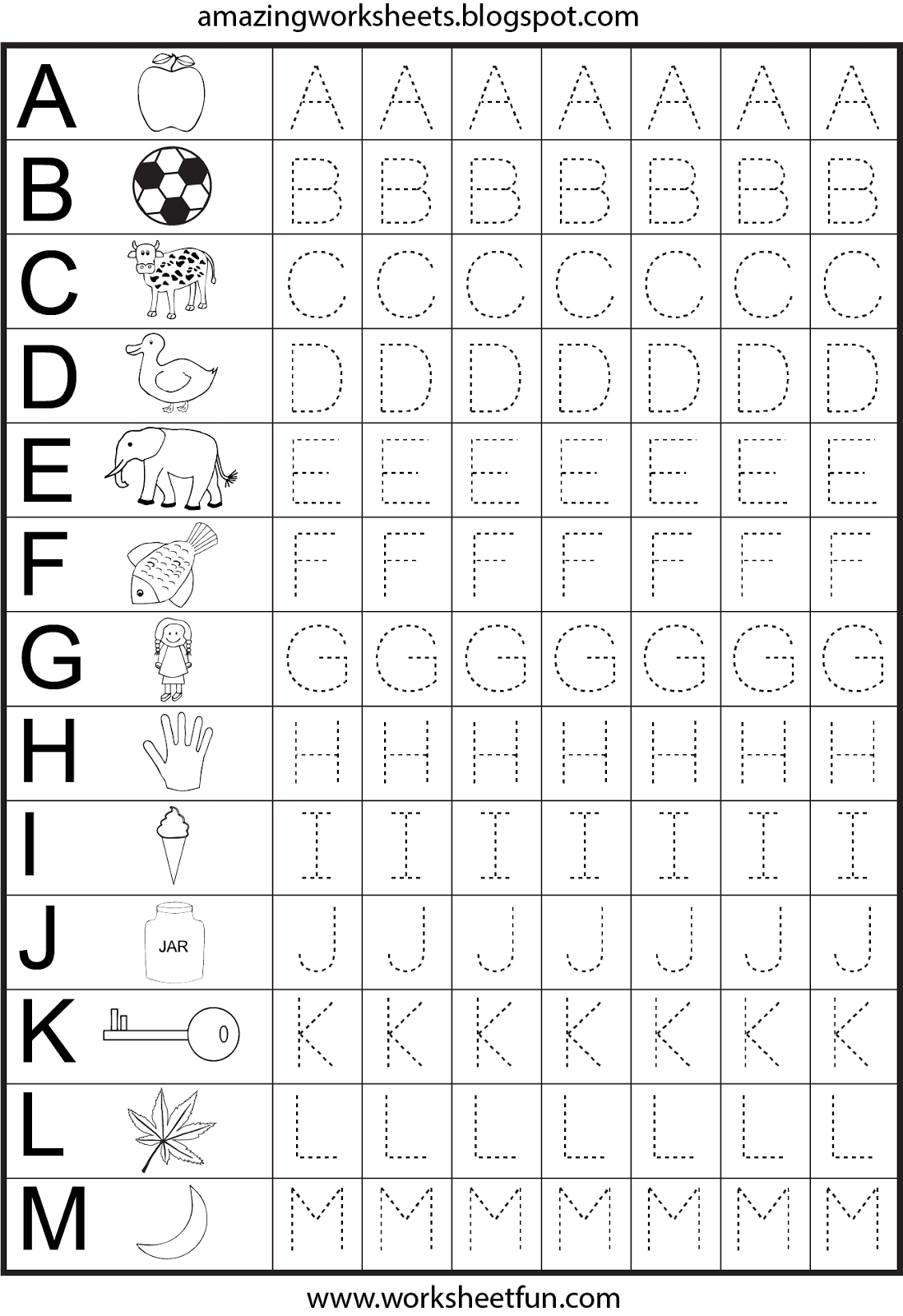
The printable often includes a section where children can write the letter independently after tracing. This progression from guided tracing to independent writing helps reinforce muscle memory and letter recognition. Additionally, some printables incorporate visual aids, like illustrations or images that correspond with each letter, enhancing the learning experience by connecting letters with words and objects.
Practical Use in Classrooms and Homes
The Learn To Write Alphabet Printable is versatile and can be utilized in various educational settings. Whether in a classroom, a homeschool environment, or as part of an after-school program, this resource supports independent practice. Teachers can distribute these printables during writing lessons, while parents might use them for homework or casual practice at home.
For teachers, integrating this resource into lesson plans can be straightforward. You might start with a brief introduction to the letter of the day, followed by a demonstration of how to trace it. Afterward, students can work on their printables independently, allowing for differentiated instruction based on each child’s ability level.
Age Appropriateness and Skill Development
Typically aimed at preschool and early elementary students (ages 4-7), the Learn To Write Alphabet Printable is designed to align with developmental milestones in writing. At this age, children are refining their grip on writing instruments and developing their hand-eye coordination. The dotted tracing format encourages them to focus on proper letter formation, which is foundational for their future writing skills.
As students progress, teachers can introduce more complex tasks using the same printable, such as asking children to write words that start with the letters they are practicing. This not only reinforces letter recognition but also builds vocabulary and phonetic awareness.
Customization and Variations
One of the significant advantages of the Learn To Write Alphabet Printable is that it can often be customized to meet the specific needs of your students. Some resources offer blank templates, allowing teachers to add personalized content or additional letters. This customization can be particularly useful for students who may need extra practice with certain letters or for those who are ready to advance to writing simple words.
Furthermore, if you have access to colored printers, using colored ink can make the printables more visually appealing, which can help keep young learners engaged. The use of colorful images and borders can enhance the overall aesthetic of the printable, making it more inviting for students.
Tips for Effective Use
To maximize the effectiveness of the Learn To Write Alphabet Printable, consider the following tips:
- Use Quality Paper: Opt for cardstock or heavier paper if possible. This will hold up better to repeated use, especially if you plan to laminate the sheets for durability.
- Incorporate Multi-Sensory Activities: Pair the printables with tactile activities, such as using sand or playdough to form letters. This can reinforce learning through different modalities.
- Set Clear Expectations: Before handing out the printables, explain what you expect from the students. For example, encourage them to focus on neatness and proper letter formation.
- Monitor Progress: Regularly check students’ work to provide feedback. This can help identify areas where they may need additional support.
By implementing these strategies, you can create a more engaging and productive learning environment that supports young writers as they learn to master the alphabet.
The Learn To Write Alphabet Printable is not just a tool for tracing letters; it’s a versatile resource that can facilitate various teaching methods and learning styles. Whether it’s through independent practice, guided instruction, or creative activities, this printable can play a significant role in developing essential handwriting skills in young learners.