
When Sarah, a dedicated homeschool mom, sat down with her five-year-old, she noticed he was struggling with letter recognition. That’s when she decided to incorporate Learn Alphabet A To Z Worksheets into their routine. These worksheets are designed to make learning the alphabet engaging and effective, providing a structured way to help children grasp essential literacy skills.
Understanding the Importance of Alphabet Worksheets
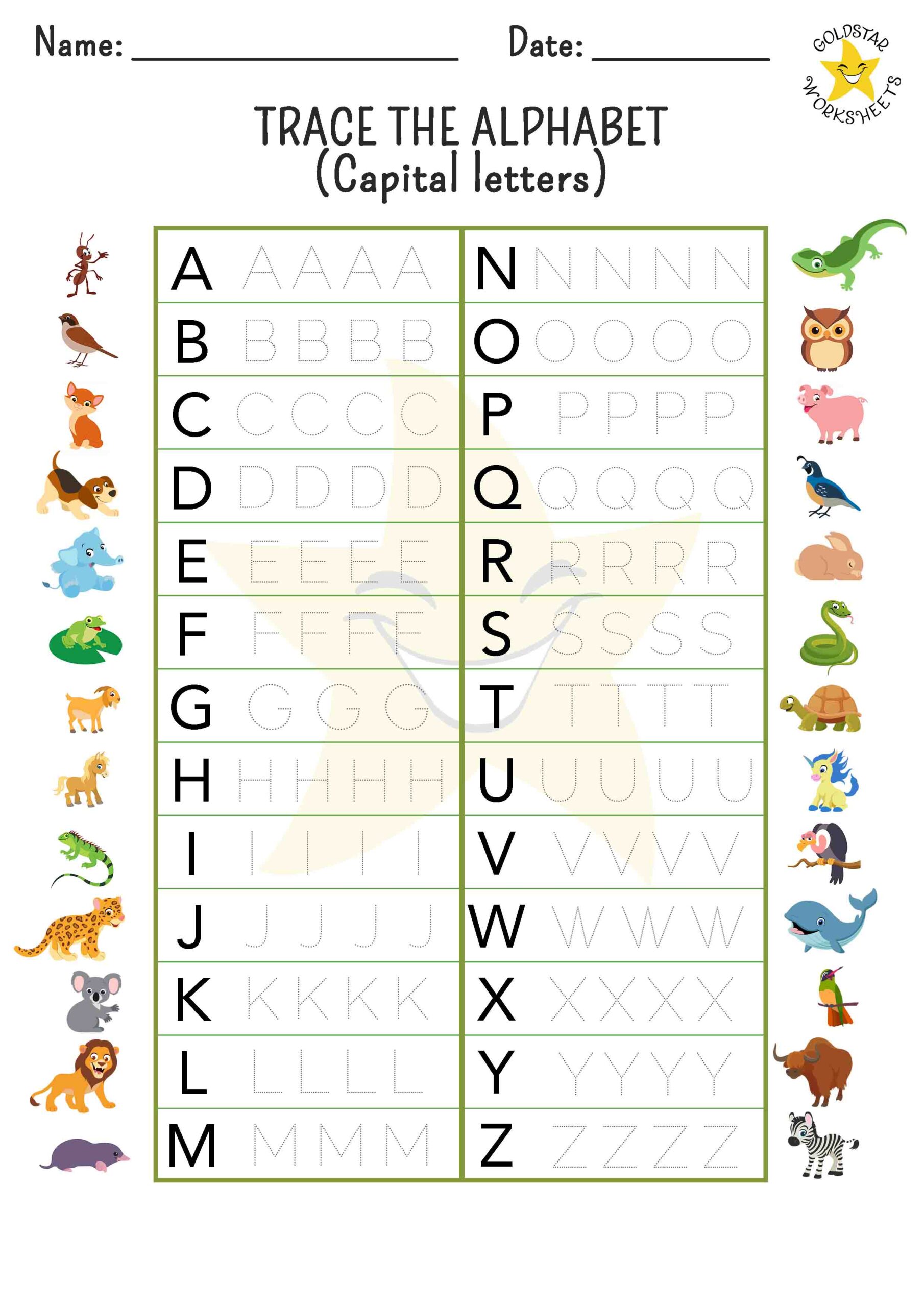
Alphabet worksheets are crucial in early childhood education, particularly for preschool and kindergarten-aged children. They enhance letter recognition, phonemic awareness, and fine motor skills. By using Learn Alphabet A To Z Worksheets, you can create a fun and interactive learning environment where children can practice writing letters, recognize them visually, and associate them with corresponding sounds.
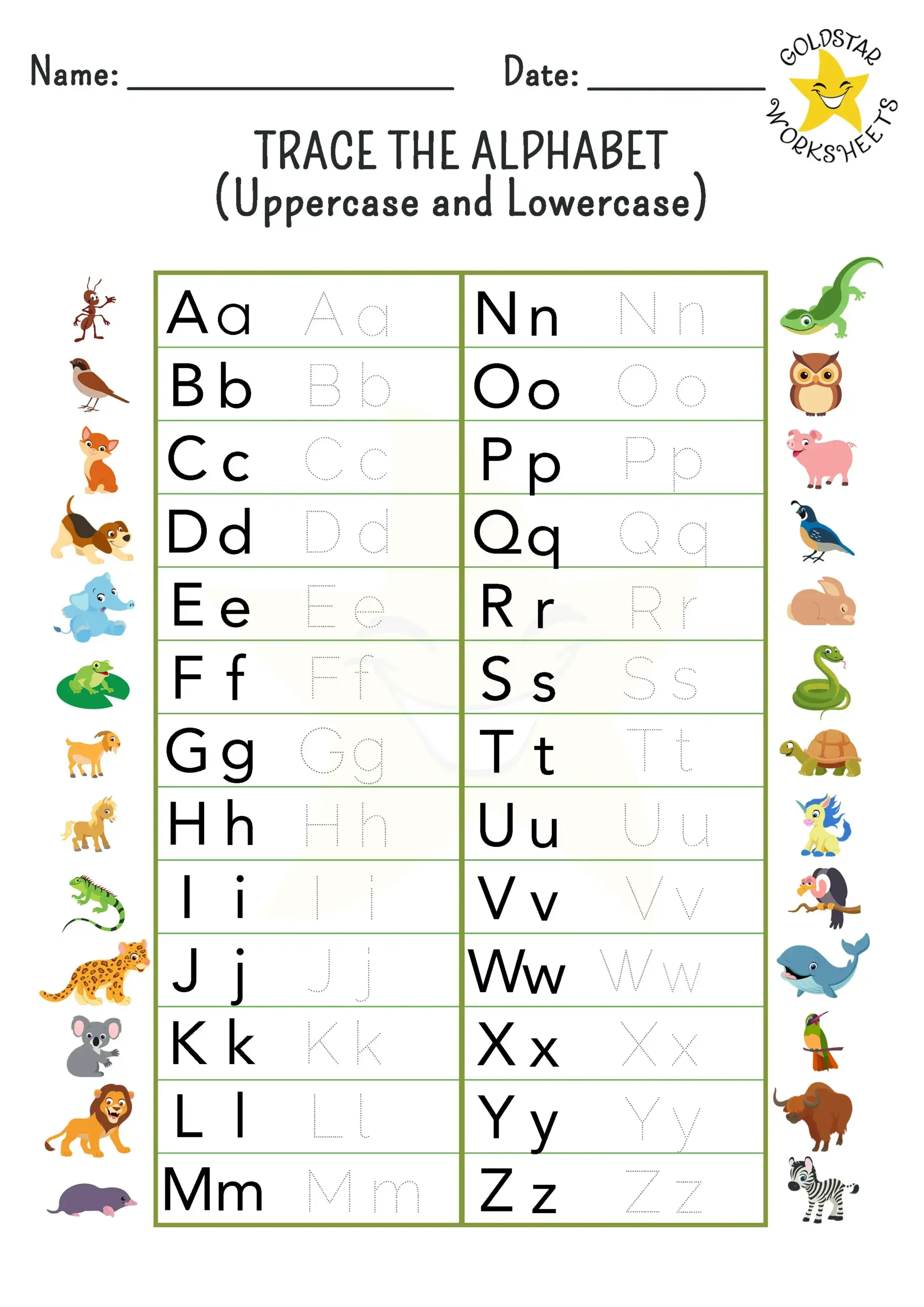
Worksheets often include various activities such as tracing, coloring, and matching, which cater to different learning styles. This variety keeps the learning process dynamic and helps maintain children’s interest.
How to Use Learn Alphabet A To Z Worksheets Effectively
Implementing these worksheets in your teaching or homeschooling routine can be straightforward and effective. Here’s a step-by-step guide:
1. Set Up a Comfortable Learning Space
Create a dedicated area for learning. A small table with good lighting and minimal distractions works best. Make sure you have the following supplies ready:
- Printable Learn Alphabet A To Z Worksheets
- Pencils or crayons
- An eraser
- A clipboard (optional, for ease of writing)
2. Introduce One Letter at a Time
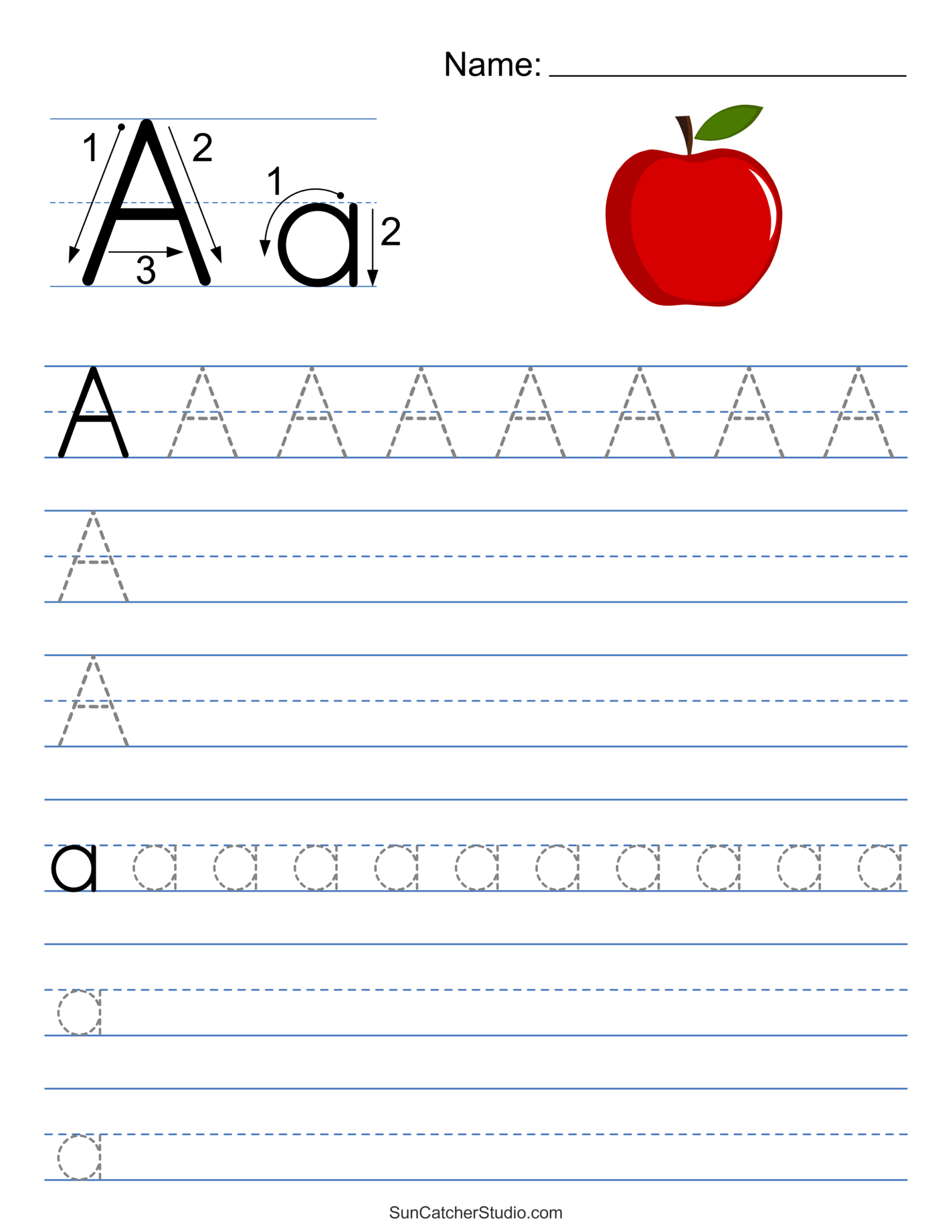
Instead of overwhelming children with the entire alphabet, focus on one letter per session. Begin by introducing the letter’s name, sound, and a few words that start with that letter. For instance, if you’re working with the letter ‘A’, you might say, “This is the letter A. It sounds like ‘ah’ as in apple.”
3. Engage With the Worksheets
Once the letter is introduced, bring out the corresponding worksheet. Here’s how to use it effectively:
- Tracing: Encourage children to trace the letter. This activity helps develop fine motor skills and reinforces letter recognition.
- Coloring: Let children color pictures that start with the letter. This not only makes learning enjoyable but also helps with sound association.
- Matching Games: If the worksheet includes matching letters with images, guide them through the process and talk about the items. For example, “Can you match the letter A with the apple?”
4. Incorporate Movement and Play
To make learning more dynamic, incorporate movement. For example, you could create a scavenger hunt where children find objects around the house that start with the letter of the day. This practical application reinforces their learning and keeps the experience lively.
Additional Activities to Reinforce Learning
To complement the Learn Alphabet A To Z Worksheets, consider these activities that can be easily integrated into your routine:
1. Alphabet Songs and Rhymes
Music is a powerful learning tool. Singing alphabet songs or rhymes can help children remember letter names and sounds. You can find many resources online or create a simple tune to make it personal.
2. Flashcards
Create or purchase flashcards for each letter. Use these for quick review sessions or games like memory. Flashcards are great for visual learners and can be used anywhere, making them a versatile tool.
3. Interactive Story Time
Choose books that focus on the alphabet or that emphasize certain letters. As you read, point out the letters and relate them to the worksheets. This reinforces the connection between letters and their usage in language.
Tips for Parents and Educators
Using Learn Alphabet A To Z Worksheets can be a rewarding experience for both children and adults. Here are some practical tips to enhance your teaching:
- Be Patient: Every child learns at their own pace. Encourage them and celebrate small achievements to build their confidence.
- Mix Up Activities: Keep sessions fresh by alternating between worksheets, games, and interactive activities. This variety will keep children engaged and eager to learn.
- Regular Review: Periodically revisit previous letters to reinforce memory. This can be done through quick reviews or games.
- Encourage Independence: Allow children to work on worksheets by themselves after they’ve grasped the basics. This fosters independence and self-confidence.
Choosing the Right Resources
When selecting worksheets, ensure they are age-appropriate and visually appealing. The Learn Alphabet A To Z Worksheets should be easy to read and include engaging illustrations that resonate with young learners.
Look for downloadable resources that can be printed as needed. These resources should ideally come in formats that are easy to use, such as PDFs, to avoid any formatting issues during printing. Portrait layout typically works best for home printers, and using high-quality paper or cardstock can enhance durability if you plan to reuse the worksheets.