
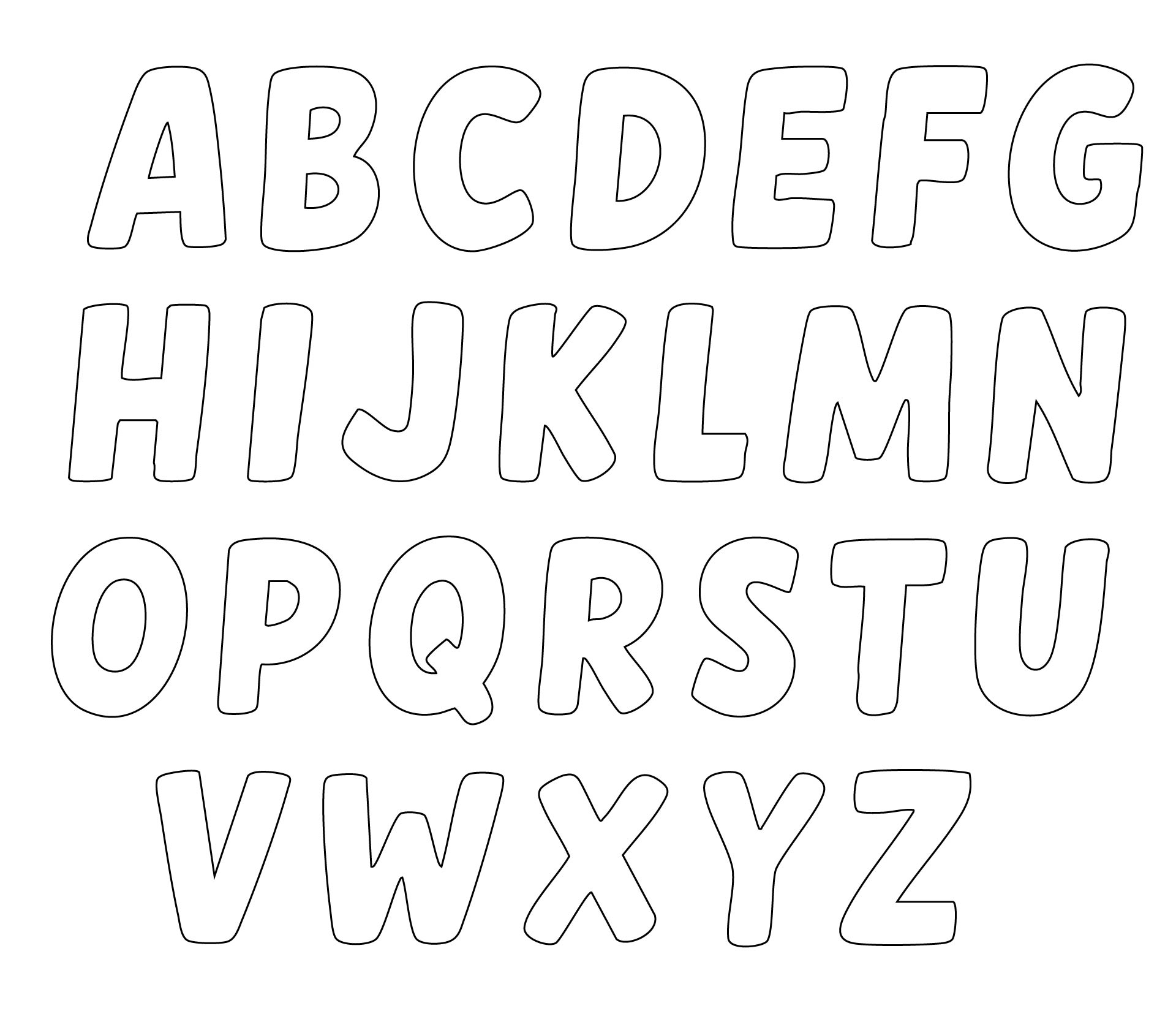
When it comes to teaching young children, finding engaging methods is key. Large Alphabet Letters To Color are a fantastic resource for educators and parents alike, providing a fun way to introduce and reinforce letter recognition and writing skills. These printable letters can be used in various settings, making them an essential tool in learning environments.
The Importance of Coloring in Learning
Coloring isn’t just a fun activity; it’s beneficial for cognitive and motor skill development. When children color large alphabet letters, they enhance their hand-eye coordination and fine motor skills. This activity allows them to practice grip and control over their coloring tools, which is essential for later writing skills.
Moreover, as children engage in coloring, they also reinforce their understanding of letters. Associating colors with letters can help in memory retention, making it easier for children to recall what they’ve learned. For instance, if a child colors the letter ‘A’ in red and repeatedly sees it, they may better remember the letter ‘A’ in future contexts.
Setting Up for Success
To effectively use Large Alphabet Letters To Color, consider your setup. Here are some practical tips for preparing the activity:
- Choose the Right Paper: Depending on the medium your children will use (crayons, markers, or colored pencils), select an appropriate paper. If you plan to use markers, thicker cardstock will prevent bleed-through.
- Printing Options: Use a standard letter-size (8.5″ x 11″) for easy printing. Most home printers handle this size well, and it’s manageable for little hands. If you have the capability, consider printing in color to provide a vibrant template for kids.
- Prepare the Workspace: Set up a clean and organized workspace with all the coloring supplies within reach. This keeps children focused and minimizes distractions. You might use trays or containers to hold crayons, pencils, or markers.
- Supervision and Guidance: Depending on the age of the children, supervision may be necessary. Younger kids might need help with color choices or understanding the shapes of the letters. Offering gentle guidance can help maintain their enthusiasm.
Creative Activities Using Large Alphabet Letters To Color
Once you’ve printed the letters, there are numerous ways to incorporate them into your teaching routine. Here are a few ideas:
1. Alphabet Recognition Games
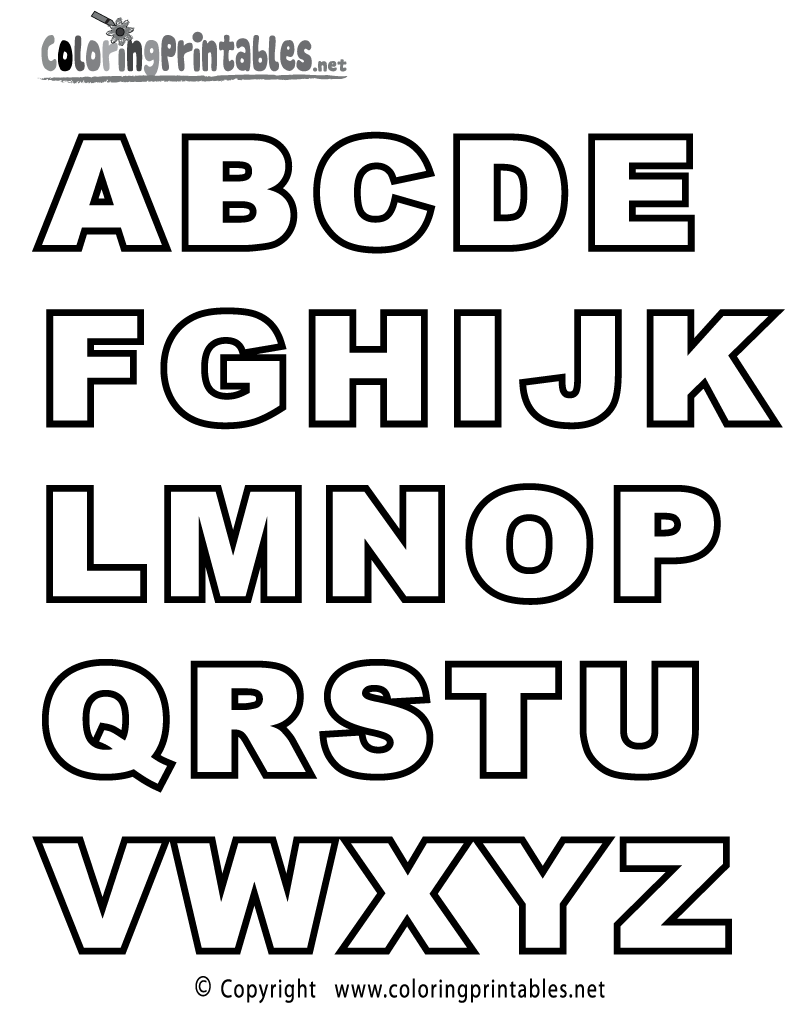
Transform the coloring activity into a game. After coloring, ask kids to identify the letters they’ve colored. You might say, “Can you find the letter ‘B’?” This reinforces recognition in a playful manner.
2. Letter-Based Storytelling
Encourage children to come up with words that start with each letter they color. For instance, after coloring the letter ‘C’, they might say “cat” or “car.” This can lead to a fun storytelling session where they create short stories using those words.
3. Display and Celebrate
Once the coloring is complete, hang the letters on a classroom wall or a designated bulletin board. This not only decorates the space but also reinforces learning. Children feel a sense of pride when they see their work displayed.
4. Seasonal Themes
Integrate seasonal themes by coloring letters related to holidays or events. For example, during Halloween, children can color letters with spooky designs or colors. This keeps the activity fresh and exciting throughout the year.
Tips for Effective Use in Classrooms and Homes
Whether you’re using Large Alphabet Letters To Color in a classroom or at home, here are some practical tips:
- Bulk Printing: If you’re a teacher, consider printing multiple sets for your students. You can create small groups for collaborative coloring sessions.
- Laminating for Durability: If you plan to use the letters repeatedly, laminate them after printing. This allows children to use dry-erase markers for multiple coloring sessions, making it a sustainable option.
- Incorporate Other Subjects: Combine this coloring activity with lessons in phonics, spelling, or even art. For instance, children can learn about color mixing while coloring the letters.
- Use as a Transition Activity: Coloring can also serve as a calming transition activity between more intense lessons. It allows children to refocus and regain composure.